
Nova (Harry Harrison) Books in Order
Part ofHarry Harrison Books in OrderSee the Nova anthologies edited by Harry Harrison, with publication order, short summaries, and background on this original science fiction showcase.
Last updated:
As an Amazon Associate, we earn from qualifying purchases (at no extra cost to you).
Nova (Harry Harrison) books in publication order
4 books
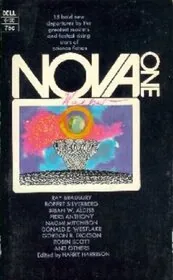
Nova One
by Harry Harrison
1971
The first Nova anthology launches Harrison's original-story showcase with a deliberately broad spread of science fiction. It is a good starting point if you want to see him as a genre editor.
Nova 2
by Harry Harrison
1972
The second Nova anthology expands Harrison's showcase of original science fiction voices. Readers can expect range, surprise, and a clear sense that the editor enjoyed variety more than sameness.
Nova 3 / The Outdated Man
by Harry Harrison
1973
This volume continues Harrison's Nova anthology line, gathering original science fiction with room for adventure, satire, and stranger experiments. It is less a single mood than a curated spread.
Nova IV
by Harry Harrison
1974
The fourth Nova anthology continues Harrison's editorial mix of original science fiction, varied voices, and shifting styles. It is meant for readers who enjoy browsing the genre in motion.
Nova (Harry Harrison) books in chronological order
Series background & context
Nova is Harry Harrison in editor mode rather than novelist mode. These books are original science fiction anthologies, which means Harrison was not just reprinting familiar stories. He was assembling fresh work and trying to create a lively space where different styles of science fiction could sit next to each other.
That matters because the series is broad by design. A Nova volume can move from old-school adventure to satire to more experimental material without apologizing for the jump. Harrison seems to have liked range. He was never only one kind of science fiction writer himself, and the anthology line reflects that. The books make room for established names, odd tonal shifts, and the occasional piece that feels like a bet on where the genre might go next.
For readers now, the pleasure is partly historical. You can see what a working professional in the field thought was worth showcasing in the early 1970s. At the same time, the books still function as browsing anthologies. They are good for dipping in, finding a voice you did not expect, and getting a feel for the mix of humor, speculation, and experiment that science fiction could support.
So this shelf is best read as a curated window into the genre. It is not a continuous narrative, but it does tell you something about Harrison's taste, and about the science fiction scene he was helping shape.


Edited by
Software engineer whose passion for tracking book recommendations from podcasts inspired the creation of MRB.
Lead investor at 3one4 Capital whose startup expertise and love for books helped shape MRB and its growth.
Comments
Did we miss something? Have feedback?
Help us improve this page by sharing your thoughts