
Stars and Stripes Books in Order
Part ofHarry Harrison Books in OrderSee the Stars and Stripes books by Harry Harrison in order, with summaries, alternate history background, and where to start in this Civil War trilogy.
Last updated:
As an Amazon Associate, we earn from qualifying purchases (at no extra cost to you).
Stars and Stripes books in publication order
3 books
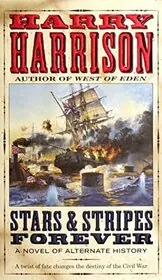
Stars and Stripes Forever
by Harry Harrison
1998
When Britain enters the American Civil War, history breaks wide open. Harrison turns the new conflict into a brisk alternate-history thriller about strategy, invention, and survival under impossible pressure.
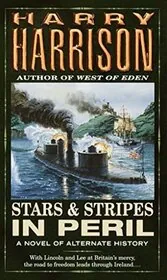
Stars and Stripes in Peril
by Harry Harrison
2000
With Britain now fully in the war, old American enemies are forced into uneasy cooperation. Harrison keeps the pressure on through campaigns, new weapons, and a widening conflict that reaches toward Ireland.
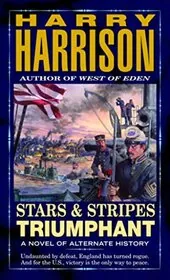
Stars and Stripes Triumphant
by Harry Harrison
2001
The final book in the trilogy pushes Harrison's altered Civil War toward its biggest showdown. A newly reunited America takes the fight outward, mixing strategy, politics, and imperial payback on a larger stage.
Stars and Stripes books in chronological order
Series background & context
The Stars and Stripes books are Harry Harrison's American Civil War alternate history trilogy. The change to history comes when Prince Albert dies before he can calm the Trent Affair, and Britain enters the war against the United States. From that point on, Harrison asks what happens when the Civil War stops being only an internal American conflict and turns into a much larger imperial fight.
That gives the series a different feel from his comic science fiction. These books are still brisk and readable, but they are more interested in campaigns, logistics, weapons, and political consequences. Harrison likes the mechanics of history, so you get a lot of attention to ships, rifles, industry, transport, and the awkward business of turning clever ideas into wartime advantage.
The trilogy also thrives on uneasy alliances. Once British intervention changes the board, old enemies can become reluctant partners. The United States and the Confederacy do not suddenly become friends, but they are forced to think differently when a bigger outside power arrives with its own goals. That tension gives the books much of their bite.
The later volumes widen the canvas even more, especially once the conflict reaches Ireland and the war becomes tied to anti-colonial politics. Harrison is clearly interested in the gap between imperial confidence and on-the-ground reality. The result is less about one lone hero than about leaders, soldiers, inventors, and governments all trying to keep up with a world that has tilted off its usual axis.
If you read alternate history mainly for battlefield detail and strategic what-ifs, this series has plenty to offer. If you prefer deep character drama over military movement, these books may feel more idea-driven. Either way, the trilogy is a good example of Harrison taking his fast style and aiming it at history instead of distant planets.






Edited by
Software engineer whose passion for tracking book recommendations from podcasts inspired the creation of MRB.
Lead investor at 3one4 Capital whose startup expertise and love for books helped shape MRB and its growth.
Comments
Did we miss something? Have feedback?
Help us improve this page by sharing your thoughts