
Georges Simenon Books in Order
Explore Georges Simenon's books in publication order, with short summaries of his Maigret mysteries and standalone novels to help you choose what to read.
Last updated: 1 new book added
As an Amazon Associate, we earn from qualifying purchases (at no extra cost to you).
Georges Simenon books in publication order
190 books

A Crime in Holland
by Georges Simenon
1931
A French professor becomes a murder suspect while visiting the Dutch town of Delfzijl. Maigret investigates a community eager to blame an outsider, looking past its respectable appearances to the relationships surrounding the dead man.

A Man's Head
by Georges Simenon
1931
Convinced that condemned murderer Joseph Heurtin may be innocent, Maigret arranges his escape and watches what happens next. The deaths of a wealthy woman and her maid lead him into a contest with another man's calculating mind.

Maigret and the Enigmatic Lett
by Georges Simenon
1931
Maigret tracks an international swindler whose changing identities make him difficult to recognize. A corpse discovered on a train complicates the pursuit, sending the inspector through Paris as he tries to separate the man from his disguises.
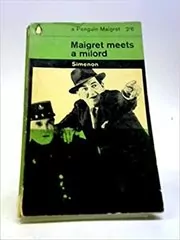
Maigret Meets a Milord
by Georges Simenon
1931
A woman is found strangled in a stable beside a canal, drawing Maigret into the world of barges and pleasure boats. Her English husband's yacht and its passengers offer a troubled contrast to the working boatmen nearby.

The Dancer at the Gai-Moulin
by Georges Simenon
1931
Two young men hide in a Liège nightclub, planning to rob its cash register after closing. Instead, they stumble upon a body, and their frightened efforts to escape suspicion bring them into a murder investigation.

The Girl with a Squint
by Georges Simenon
1931
Childhood friends Marie and Sylvie share a bond shaped by dependence and unequal opportunities. As their lives separate and later intersect again, affection, jealousy, and an older man's involvement expose the tensions beneath their long relationship.

The Hanged Man of Saint-Pholien
by Georges Simenon
1931
Maigret follows a suspicious traveler across national borders, only to find himself confronting an unexpected death. Troubled by his own part in events, he investigates the man's past and the guilt connecting a group of former companions.

The Late Monsieur Gallet
by Georges Simenon
1931
The murder of a traveling salesman draws Maigret into a life built on deception. As he questions the dead man's family and examines his movements, the inspector discovers that his identity and occupation conceal a different story.
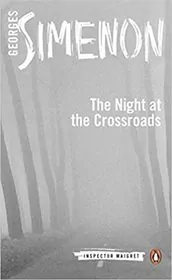
The Night at the Crossroads
by Georges Simenon
1931
A dead jewel merchant is discovered near an isolated crossroads, and suspicion falls on a man living there with his sister. Maigret questions the residents, whose evasions and peculiar arrangements make this small community difficult to penetrate.
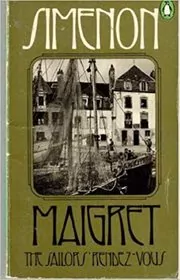
The Sailors' Rendezvous
by Georges Simenon
1931
While holidaying in Fécamp, Maigret is asked to help a radio operator suspected of killing his trawler's captain. The investigation takes him among fishermen, where memories of a disastrous voyage and hostility toward the accused complicate the case.

The Two-Penny Bar
by Georges Simenon
1931
A condemned man's account of an old killing leads Maigret to a riverside inn outside Paris. When another death interrupts the weekend drinkers and dancers, the inspector must connect present violence with a crime long kept hidden.

The Yellow Dog
by Georges Simenon
1931
A shooting disturbs the regular customers of a hotel bar in Concarneau. Poisoned drinks, disappearances, and an unfamiliar yellow dog deepen the alarm, while Maigret studies the frightened men whose comfortable routines have suddenly broken down.

Liberty Bar
by Georges Simenon
1932
The stabbing of a wealthy Australian brings Maigret to Antibes and Cannes. Following the victim's drinking excursions, he encounters the women around him and a shabby bar that reveals another side of his apparently prosperous life.
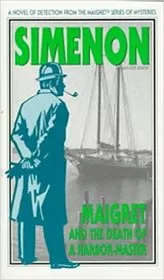
Maigret and the Death of a Harbor-Master
by Georges Simenon
1932
A harbor-master's death takes Maigret from Paris to a small town on the English Channel. Among sailors and waterfront residents, he investigates the relationships and concealed tensions surrounding a man whose position made him part of local life.
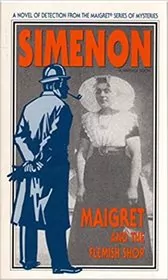
Maigret and the Flemish Shop
by Georges Simenon
1932
Anna Peeters asks Maigret to help her brother, suspected of murdering the mother of his child. In Givet, the inspector examines a Flemish family's account of events amid the resentment and suspicion directed at their shop.
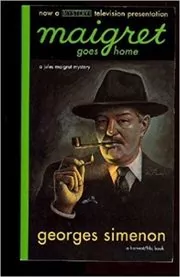
Maigret Goes Home
by Georges Simenon
1932
An anonymous warning sends Maigret back to the village where he grew up. When a countess dies during church services, his childhood memories mingle with an investigation into the troubled household and the circumstances surrounding her death.

The Madman of Bergerac
by Georges Simenon
1932
After following a man off a train, Maigret is shot and confined to a hospital bed in Bergerac. He must investigate a series of attacks on women through reports, visitors, and the inconsistencies in local accounts.
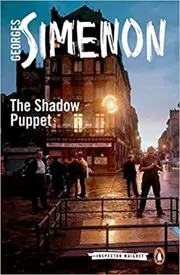
The Shadow Puppet
by Georges Simenon
1932
A lit window exposes the silhouette of a dead man overlooking a Paris courtyard. Maigret investigates the neighboring households, where money, addiction, and private resentments connect people who have been watching one another from a distance.

Lock No. 1
by Georges Simenon
1933
A wealthy businessman is pulled from a canal with a knife wound in his back. Maigret follows the circumstances of the attack into the man's household and earlier life, discovering that prosperity has not erased old secrets.

The Engagement
by Georges Simenon
1933
An isolated man known as Mr. Hire becomes the focus of his neighbors' suspicions after a woman is murdered nearby. His fascination with a woman across the way entangles loneliness, desire, and knowledge that could make him vulnerable.

The Window Over the Way
by Georges Simenon
1933
A Turkish consul arrives in Soviet Batum, unable to speak the language and increasingly dependent on his secretary. His attraction to her unfolds amid surveillance and mistrust, making ordinary encounters feel charged with political danger.

Tropic Moon
by Georges Simenon
1933
Joseph Timar arrives in Gabon expecting work, but finds himself stranded at a hotel and involved with its owner's wife. A servant's murder pulls him deeper into a colonial society shaped by exploitation, racism, and corruption.

Maigret
by Georges Simenon
1934
Retired Maigret returns to Paris when a young relative in the police becomes implicated in a murder. The case draws him back into the city's nightlife, where loyalty to family must coexist with his search for the truth.

The Lodger
by Georges Simenon
1934
When his business prospects collapse, Élie Nagéar kills and robs another traveler, then seeks shelter with his lover's family. In their household, his attempts to maintain appearances clash with the pressure of concealment and an approaching investigation.
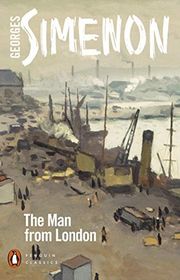
The Man from London
by Georges Simenon
1934
A railway signalman in Dieppe witnesses a murder near the ferry terminal and retrieves a briefcase from the water. His involvement begins a secret pursuit in which he and the killer watch each other, threatening the ordinary life he previously knew.

The Long Exile
by Georges Simenon
1935
Jef Mittel and his lover flee France after a killing, taking passage on a freighter bound for distant shores. Their search for a fresh start leads through unfamiliar places, while dependence and strain threaten their shared escape.

Donadieu's Will
by Georges Simenon
1936
A wealthy shipowner's drowning unsettles the Donadieu family in La Rochelle. As grief gives way to questions of inheritance and marriage, an ambitious outsider becomes involved with a household whose money and traditions shape every relationship.
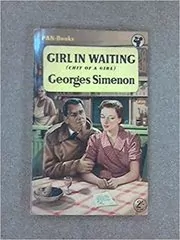
Girl In Waiting
by Georges Simenon
1938
After her father's death, young waitress Marie Le Flem faces an uncertain future in a fishing town. Her older sister's lover becomes interested in her, entangling practical ambitions and desire within an already uncomfortable family relationship.

The Man Who Watched Trains Go By
by Georges Simenon
1938
Respectable Dutch clerk Kees Popinga abandons his family after discovering that his employer's business is collapsing. His flight takes him to Amsterdam and Paris, where violence and a growing fascination with police attention overturn his former identity.

Three Crimes
by Georges Simenon
1938
Simenon recalls men he knew in his youth whose lives became entangled with killing. Combining personal memories with accounts of their crimes, he examines the unsettling distance between youthful companionship and the violence that followed.

The Strangers in the House
by Georges Simenon
1940
A reclusive, alcoholic lawyer discovers a dead man in the house he shares with his estranged daughter. The investigation exposes her hidden social life and forces him back into the courtroom and the world he has abandoned.

Across the Street
by Georges Simenon
1942
After years spent nursing her father, Dominique lives alone and watches a family across the street. Her attention fixes on its young wife, drawing her into another household's tensions as she seeks purpose beyond her restricted existence.

Cécile is Dead
by Georges Simenon
1942
Cécile repeatedly visits Maigret to report mysterious nighttime activity in her aunt's apartment, but receives little attention. When both women are found dead, the inspector revisits her warnings and investigates the people sharing their building.

The Cellars of the Majestic
by Georges Simenon
1942
The murder of an American guest's wife draws Maigret into a luxury Paris hotel's basement world. Connections between the victim's earlier life and the employees complicate a case involving concealed relationships, blackmail, and a vulnerable suspect.
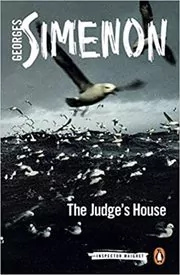
The Judge's House
by Georges Simenon
1942
Assigned to a quiet coastal village, Maigret investigates a judge caught trying to dispose of a body. The judge's secluded daughter and the suspicious local residents draw the inspector into secrets behind an apparently respectable household.

The Truth About Bebe Donge
by Georges Simenon
1942
After surviving arsenic poisoning, wealthy François Donge must confront the fact that his wife tried to kill him. Her arrest prompts an examination of their marriage, exposing the distance between his assumptions and her experience of their life.
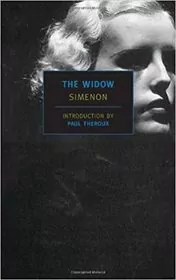
The Widow
by Georges Simenon
1942
A recently released prisoner finds work and lodging with a widow on her farm. Their relationship intensifies tensions with relatives who covet the property, creating a struggle in which desire, dependence, and resentment increasingly overlap.

Félicie
by Georges Simenon
1944
A retired man is killed while his young maid Félicie is out shopping. Maigret suspects she knows more than she admits, but her evasions and romantic fantasies make it difficult to establish what happened in the isolated house.

Maigret and the Fortuneteller
by Georges Simenon
1944
A clerk's troubling prediction draws Maigret toward a murder and an attempted suicide. The investigation brings him into a household where a former ship's doctor lives under his wife's harsh control, raising questions about money and identity.

Maigret's Rival
by Georges Simenon
1944
Maigret visits a provincial town to investigate a young man's death beneath a train. Rumors about the dead man's relationship with a prominent family's daughter complicate the inquiry, as a private investigator competes for control of the case.

The Suspect
by Georges Simenon
1944
Exiled anarchist Pierre Chave returns illegally to France to stop his young protégé from bombing an aircraft factory. Pursued by police and distrusted by fellow radicals, he must find the boy before political conviction becomes mass violence.

Maigret's Pipe
by Georges Simenon
1945
Seventeen short mysteries follow Maigret through cases in Paris and beyond. In the title story, a missing pipe draws him back to a woman whose complaints about intruders seemed too strange to take seriously.

Monsieur Monde Vanishes
by Georges Simenon
1945
A wealthy Paris businessman leaves his family and comfortable routine without warning. Seeking anonymity on the Riviera, Monsieur Monde enters a world of drinkers and strangers, testing whether disappearing can give him a different life.
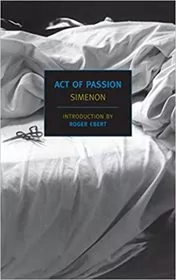
Act of Passion
by Georges Simenon
1946
Writing from prison, a provincial doctor tries to explain his crime to the judge who condemned him. His account follows a sheltered life disrupted by Martine, a woman whose arrival turns longing into dangerous obsession.
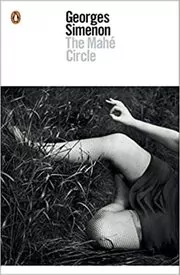
The Mahé Circle
by Georges Simenon
1946
On holiday on Porquerolles, Dr. François Mahé feels increasingly detached from his orderly family life. An impoverished young girl becomes the focus of his restlessness, drawing him toward desires he struggles to understand or control.

Three Bedrooms in Manhattan
by Georges Simenon
1946
A divorced French actor and a lonely woman meet in an all-night Manhattan diner. As they move between streets, bars and bedrooms, their sudden attachment faces jealousy, suspicion and the histories each brings to it.
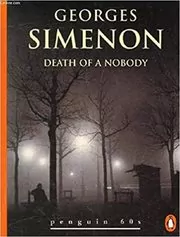
Death of a Nobody
by Georges Simenon
1947
An apparently unremarkable cashier is shot dead in his bedroom from a nearby hotel. Maigret investigates the quiet routines and concealed life of Maurice Tremblet, looking for the reason someone wanted this ordinary man killed.

Maigret Gets Angry
by Georges Simenon
1947
Retirement is interrupted when an elderly woman asks Maigret to investigate her granddaughter's death in the Seine. Returning to detective work, he enters a wealthy family's troubled affairs and encounters an old acquaintance he distrusts.

Maigret in New York
by Georges Simenon
1947
A young Frenchman persuades retired Maigret to investigate threatening circumstances around his wealthy father in New York. When the son disappears on arrival, Maigret faces an unfamiliar city and a father reluctant to welcome his questions.

Magnet of Doom
by Georges Simenon
1948
Desperate for work, Michel Maudet becomes secretary to a wealthy man whose brutal colonial past is catching up with him. Their flight from France creates a dangerous dependence shaped by money, ambition and mutual resentment.

Maigret's Dead Man
by Georges Simenon
1948
A frightened caller tells Maigret he is being followed, then turns up dead. Reconstructing the anonymous man's daily life leads the inspector from an apparently personal threat toward a wider and more dangerous criminal enterprise.
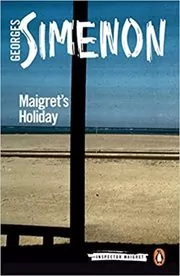
Maigret's Holiday
by Georges Simenon
1948
Maigret's seaside holiday is disrupted by his wife's hospital stay and an anonymous note directing him to another patient. A young woman's apparent road accident draws him into a household where respectable appearances conceal troubling relationships.
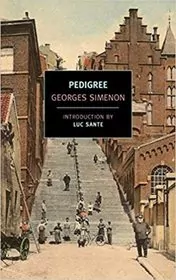
Pedigree
by Georges Simenon
1948
Drawing on Simenon's childhood, this novel follows a boy growing up in Liège in the early twentieth century. Family tensions and everyday neighborhood life unfold against social change and the upheaval of the First World War.

The Snow Was Dirty
by Georges Simenon
1948
Nineteen-year-old Frank lives comfortably in his mother's brothel while their occupied city suffers through winter. Drawn to crime and casual violence, he tests the limits of his freedom in a world where moral boundaries have collapsed.

Four Days in a Lifetime
by Georges Simenon
1949
Unemployed François Lecoin becomes entangled in blackmail as his life slips further out of control. This psychological novel follows his compromised choices and reflections, tracing the pressures behind a man's struggle with failure and self-deception.

Maigret at the Coroner's
by Georges Simenon
1949
While studying American police methods, Maigret observes an Arizona inquest into a young woman's death on railway tracks. Five airmen's conflicting accounts force him to consider the gap between formal proceedings and understanding what really happened.

Maigret's First Case
by Georges Simenon
1949
A young Maigret investigates a musician's report of cries for help and a gunshot at a wealthy family's house. His first independent case brings police hierarchy, social influence and the difficulty of challenging powerful people into view.
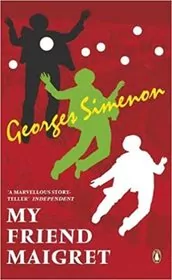
My Friend Maigret
by Georges Simenon
1949
A fisherman on Porquerolles is murdered after boasting that Maigret is his friend. The inspector visits the island and studies its close circle of residents, where old associations and conflicting loyalties make the victim's life difficult to untangle.

The Bottom Of The Bottle
by Georges Simenon
1949
A prosperous Arizona rancher is confronted by his escaped-convict brother, who needs help reaching Mexico. Flooding blocks the crossing, and concealing the visitor's identity from his wife puts family loyalty against the life he has built.

The Pitards
by Georges Simenon
1949
Captain Émile Lannec's wife insists on joining his new freighter's maiden voyage. Marital distrust, resentment over family money and an ominous warning make the troubled journey a test of both his authority and his confidence.
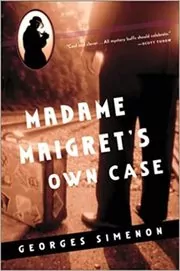
Madame Maigret's Own Case
by Georges Simenon
1950
Human teeth found in a bookbinder's furnace point to murder, but Maigret has no body and few clear answers. While he follows suspicious evidence, his wife's seemingly unrelated encounter offers an unexpected route into the mystery.
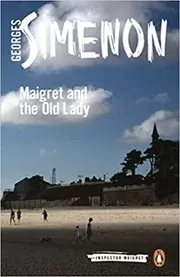
Maigret and the Old Lady
by Georges Simenon
1950
An elderly widow summons Maigret after her maid dies from a poisoned drink she believes was meant for her. In Étretat, he studies a family whose contrasting accounts make its appealing matriarch increasingly difficult to read.

Strange Inheritance
by Georges Simenon
1950
Returning to La Rochelle, Gilles Mauvoisin discovers that his uncle has left him a fortune with conditions attached. Moving into the family house draws him into resentment, local intrigue and unanswered questions about the dead man's affairs.

The Heart of a Man
by Georges Simenon
1950
Famous actor Émile Maugin receives a warning that his heart cannot withstand his way of living. Confronted with failing health, he revisits relationships and memories while struggling to abandon the habits that have shaped his life.

A New Lease On Life
by Georges Simenon
1951
Accountant Maurice Dudon has stolen from his employer when an encounter and a car accident interrupt his troubled course. The possibility of beginning again raises the question of whether he can escape his choices and their consequences.

Maigret and the Burglar's Wife
by Georges Simenon
1951
A burglar's wife tells Maigret that her husband discovered a woman's body while breaking into a house, then fled. With the corpse missing, Maigret investigates a dentist's household and the strained relationships hidden behind its doors.
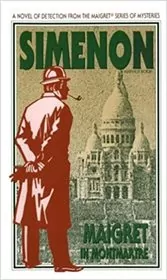
Maigret in Montmartre
by Georges Simenon
1951
A Montmartre stripper reports overhearing a plan to murder a countess, then withdraws her story. When both women are found dead, Maigret explores the cabaret's relationships and nighttime routines to discover what linked the killings.

Maigret Takes a Room
by Georges Simenon
1951
After Inspector Janvier is shot while watching a boarding house, Maigret takes a room there himself. Sharing the residents' daily routines helps him probe their concealed relationships and determine what made the investigation dangerous.

Maigret's Memoirs
by Georges Simenon
1951
Maigret tells his own story, correcting what he considers Simenon's misleading account of his work and character. Childhood, marriage and his police career reveal the man behind the familiar cases and his uneasy relationship with his creator.

Belle
by Georges Simenon
1952
A teenage lodger is found strangled in a teacher's home while he was there alone. Although he denies involvement, suspicion changes his place in the community and puts his ordinary marriage and carefully ordered life under pressure.

Escape in Vain
by Georges Simenon
1952
Two novels explore attempts to escape unbearable lives. In The Lodger, a killer hides in a boarding house; in One Way Out, a couple's departure together brings fresh tensions rather than the freedom they hoped to find.

Havoc by Accident
by Georges Simenon
1952
Two novels examine lives unsettled by desire and family ties. Talatala follows a French coffee grower's infatuation in Africa, while The Breton Sisters centers on a man struggling to gain independence from his controlling sisters.
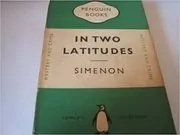
In Two Latitudes
by Georges Simenon
1952
This volume pairs a shipboard murder investigation on a voyage toward Norway with a French newcomer's disillusionment in Gabon. The Mystery of the Polarlys and Tropic Moon explore danger, suspicion and corruption in sharply contrasting settings.

Maigret and the Gangsters
by Georges Simenon
1952
American gangsters bring violence to Paris, and Inspector Lognon becomes involved after witnessing their activities. Maigret pursues the case through competing claims of authority, refusing to let foreign criminals or outside investigators dictate how he works.

Maigret Sits it Out
by Georges Simenon
1952
Two investigations test Maigret's patience and loyalties. A wounded shipowner draws him into family secrets in The Lock at Charenton, while Maigret Returns brings the retired detective back to help a nephew caught in a murder case.

Maigret's Revolver
by Georges Simenon
1952
A boy visits Maigret's apartment and steals his revolver while he is away. A murdered politician and a threatened woman turn the search for the weapon into an urgent investigation that carries Maigret to London.

On the Danger Line
by Georges Simenon
1952
Two novels follow men cornered by their pasts and commitments. Home Town concerns a wanderer's troubled return, while The Green Thermos follows an anarchist trying to prevent a bombing as police and fellow radicals close in.
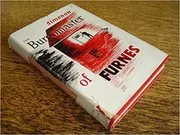
The Burgomaster of Furnes
by Georges Simenon
1952
Joris Terlinck rules a Flemish town with the same harsh authority he uses in business and at home. Political opposition, family troubles and responsibility for an enemy's pregnant daughter expose the costs of his pursuit of power.

The Trial of Bebe Donge
by Georges Simenon
1952
After his wife poisons him, wealthy industrialist François Donge looks back over their marriage from his hospital bed. Trying to understand her act forces him to confront the distance between his assumptions and her emotional life.

Dirty Snow
by Georges Simenon
1953
In an occupied city, Frank enjoys the shelter of his mother's brothel while pursuing theft and violence. His growing involvement in crime turns a young man's search for excitement into an exploration of cruelty and moral isolation.
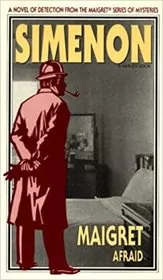
Maigret Afraid
by Georges Simenon
1953
Visiting an old magistrate friend, Maigret finds a town shaken by a series of bludgeoning deaths. Public anger, anonymous messages and the protection surrounding local elites make the search for truth increasingly tense and politically charged.

Maigret and the Man on the Bench
by Georges Simenon
1953
A middle-aged man is found knifed in a Paris alley, apparently an ordinary employee with a respectable home. Maigret discovers a hidden life behind that appearance and must understand why the victim kept it from his family.

Maigret's Mistake
by Georges Simenon
1953
Louise Filon is murdered in an apartment in an exclusive Paris district, far from the poverty she once knew. Maigret investigates the people surrounding her new life while struggling with assumptions that may point him toward the wrong suspect.

Red Lights
by Georges Simenon
1953
Steve and Nancy Hogan leave New York to collect their children from summer camp in Maine. Holiday traffic, Steve's drinking, and mounting resentment turn the family journey into a dangerous departure from their apparently ordinary married life.

The Iron Staircase
by Georges Simenon
1953
Unexplained stomach pains make Etienne Lomel fear that his wife Louise is poisoning him. Remembering their affair before her first husband's death, he begins watching her closely, unsure whether love, jealousy, or real danger governs their marriage.

Big Bob
by Georges Simenon
1954
Dr. Charles Coindreau tries to understand why his cheerful friend Bob Dandurand killed himself. Conversations with Bob's wife, relatives, and others reveal a life whose apparent ease concealed questions the doctor had never thought to ask.

Maigret and the Dead Girl
by Georges Simenon
1954
An unidentified young woman is found dead in Montmartre, wearing a cheap evening dress. Maigret follows her movements through shops, cafes, and lodgings, reconstructing the lonely life behind a crime that initially offers almost no clues.

Maigret and the Minister
by Georges Simenon
1954
A minister asks Maigret to recover a stolen report about a children's sanatorium that collapsed. The missing document connects official negligence with political maneuvering, leaving the inspector to navigate powerful interests determined to protect their reputations.
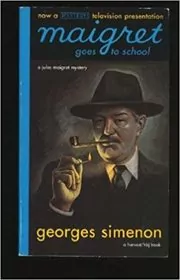
Maigret Goes to School
by Georges Simenon
1954
A village schoolteacher asks Maigret to clear him of a postmistress's murder near La Rochelle. The inspector enters a seaside community full of grudges, where the victim's knowledge of other people's secrets gives many residents reasons for silence.

The Clockmaker
by Georges Simenon
1954
Watchmaker Dave Galloway's quiet life with his teenage son collapses when Ben runs away with a girl and becomes implicated in murder. The crisis forces Dave to reconsider their relationship and how little he understood his child.

The Watchmaker of Everton
by Georges Simenon
1954
In a New York village, watchmaker David Galloway believes he has given his son Ben a stable home. When the boy flees with his girlfriend and faces a murder accusation, David struggles to understand the distance between them.
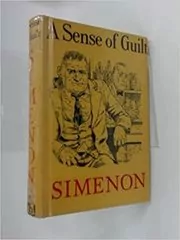
A Sense of Guilt
by Georges Simenon
1955
These two novels examine guilt beneath ordinary appearances. Chez Krull follows a German family's exposure to suspicion after a girl's murder, while The Heart of a Man follows an actor confronting his past after a warning about his health.
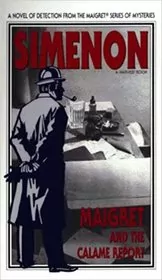
Maigret and the Calame Report
by Georges Simenon
1955
A stolen engineering report threatens to expose the official decisions behind a fatal sanatorium collapse. Asked to help a minister, Maigret must recover the document while untangling theft, political pressure, and attempts to shift responsibility for the disaster.
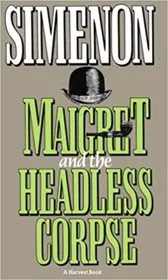
Maigret and the Headless Corpse
by Georges Simenon
1955
A dismembered body without a head is discovered in Paris's Saint-Martin Canal. Maigret's inquiries lead to a nearby cafe and its taciturn owner, whose husband's supposed absence raises questions about the private misery behind the killing.
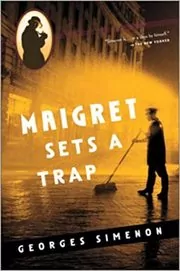
Maigret Sets a Trap
by Georges Simenon
1955
A serial killer murders women in Montmartre during a sweltering Paris summer. With little evidence to follow, Maigret devises a trap aimed at the murderer's vanity, then confronts the domestic tensions surrounding the suspect he draws out.

The Accomplices
by Georges Simenon
1955
Businessman Joseph Lambert causes a road accident that kills children while traveling with his secretary and lover. They leave the scene without reporting it, but their shared silence offers Joseph little protection from his increasingly relentless conscience.

The Burial of Monsieur Bouvet
by Georges Simenon
1955
An elderly man collapses and dies beside the Seine, seemingly leaving no family behind. A newspaper photograph brings people forward with conflicting claims about his identity, delaying his burial while the different lives he led emerge.
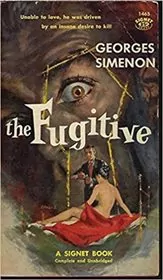
The Fugitive
by Georges Simenon
1955
After attempting to murder a fellow student in Liege, Elie flees and eventually builds a new life running an Arizona hotel. An unexpected visitor threatens the identity he has constructed and brings his unresolved past into the present.
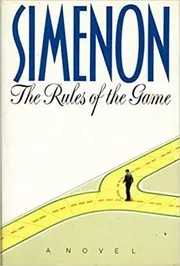
The Rules of the Game
by Georges Simenon
1955
Supermarket manager Walter Higgins believes his hard work has earned him a place in respectable Connecticut society. Rejection by the local country club turns that confidence into humiliation, provoking thoughts of revenge against people whose rules remain unspoken.

Maigret's Failure
by Georges Simenon
1956
A wealthy man asks Maigret for protection, but the request awakens an old personal grudge. Inside the client's lavish home, strained relationships complicate the investigation and force the inspector to question the motives influencing his own judgment.
Where to start with Georges Simenon
For Maigret from the beginning: Maigret and the Enigmatic Lett → The Late Monsieur Gallet → The Hanged Man of Saint-Pholien
For separate psychological novels: The Man Who Watched Trains Go By → Dirty Snow
For autobiographical writing: Pedigree → When I Was Old → Letter to My Mother → Intimate Memoirs
Georges Simenon sub-series and character series
Inspector Maigret books in order
Explore this seriesStandalone Georges Simenon books
Author bio
Georges Simenon was a Belgian writer who worked in French and created Inspector Jules Maigret. Born in Liège in 1903, he grew up in a city whose streets, family life and social divisions stayed with him long after he left. His fiction moves between detective investigations and stories of ordinary people under pressure, often asking how a familiar life can become strange through one decision, secret or disruption.
He left school as a teenager and began working for the Gazette de Liège, reporting on crimes and accidents.
Journalism brought him into contact with the people and circumstances that would later fill his novels. In 1922, he moved to Paris to try his luck as a writer, marrying Régine Renchon, known as Tigy, the following year. He supported himself with popular fiction, publishing stories and inexpensive novels under numerous pen names before the work bearing his own name became established. The scale of that early production gave him years of practice.
Maigret became the central figure in a detective sequence launched in 1931. The first novel is known in English as Maigret and the Enigmatic Lett or Pietr the Latvian. Its elusive criminal sends the policeman between very different social worlds, from hotels to less comfortable surroundings. Maigret's appeal lies in his patience with human behaviour: discovering why people act as they do matters as much as finding the physical clues to a crime.
Simenon wrote seventy-five Maigret novels, along with short stories featuring the inspector.
Outside that sequence, he developed what he called his romans durs, or hard novels. These often follow people whose respectable surroundings offer little protection from fear, desire or isolation. The Man Who Watched Trains Go By takes a Dutch clerk away from his settled life after the business employing him collapses. His departure becomes an unsettling study of freedom, wounded pride and a man's account of himself, rather than an investigation led by a reassuring detective.
Dirty Snow, also published as The Snow Was Dirty, offers another dark setting through a young man living under wartime occupation. Simenon's non-Maigret fiction frequently puts readers beside a troubled central character rather than beside someone assigned to solve the trouble. That difference separates the two strands of his work, even when both involve violence or crime. His interest remains in people, their environments and the pressures that expose weaknesses beneath everyday routines.
He also returned directly to personal experience. Pedigree, published in 1948, draws on the Liège of his childhood, while Intimate Memoirs belongs to his later autobiographical writing. Travel was a substantial part of his life: he explored European waterways, lived in North America and eventually settled in Switzerland. These changes of home sit alongside a body of fiction set in cities, small towns, ports and households where belonging is often uncertain.
Simenon stopped writing novels in 1972 and later dictated reflections before returning to written autobiography. He died in Lausanne in 1989. His books have been translated into more than fifty languages, and both Maigret and the separate novels have supplied stories for film and television. The continuing readership spans two ways into his work: the company of a familiar detective, and the less protected lives of people who have no Maigret to understand them.














Edited by
Software engineer whose passion for tracking book recommendations from podcasts inspired the creation of MRB.
Lead investor at 3one4 Capital whose startup expertise and love for books helped shape MRB and its growth.
Comments
Did we miss something? Have feedback?
Help us improve this page by sharing your thoughts