
Eric Carle Books in Order
Browse Eric Carle books in order with quick summaries, reading tips, and where to start, from The Very Hungry Caterpillar to later favorites.
Last updated:
As an Amazon Associate, we earn from qualifying purchases (at no extra cost to you).
Eric Carle books in publication order
163 books
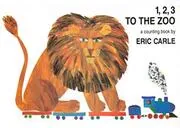
1, 2, 3 to the Zoo
by Eric Carle
1968
A train ride fills up with animals, from one elephant to ten birds, as it heads toward the zoo. The bold pictures make counting feel like part of the adventure.
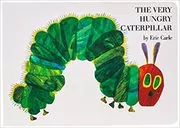
The Very Hungry Caterpillar
by Eric Carle
1969
A tiny caterpillar hatches hungry and eats his way through the week, learning about counting, days, and food. After a big meal and a rest in a cocoon, he becomes a butterfly.

Pancakes, Pancakes!
by Eric Carle
1970
A boy named Jack wants pancakes, but first he has to gather every ingredient, from wheat to milk to eggs. The step-by-step story turns breakfast into a kid-friendly look at where food comes from.
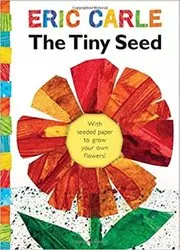
The Tiny Seed
by Eric Carle
1970
A tiny seed travels on the wind through seasons and dangers, from birds and storms to snow and heat. After a long journey, it finally finds the right place to grow into a tall flower.
Do You Want to Be My Friend?
by Eric Carle
1971
A mouse wanders through the world asking animals if they want to be friends. The story’s simple pattern and bright pictures make it an easy way to talk about loneliness, courage, and connection.
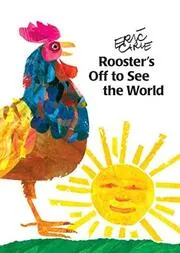
Rooster's Off to See the World
by Eric Carle
1971
A rooster sets off on an adventure and gathers a growing group of animal companions along the way. When the journey feels too big, they turn back together, showing how company can change everything.
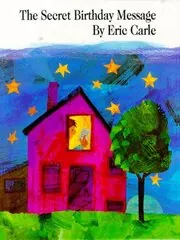
The Secret Birthday Message
by Eric Carle
1972
A young messenger carries a coded birthday invitation through forests and fields. Die-cut clues and repeating symbols help readers solve the path to the surprise party.
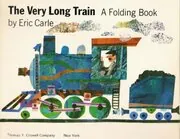
Very Long Train
by Eric Carle
1972
A long, fold-out train rolls through the pages, picking up animals as it goes. It’s a simple counting journey from one to ten, built for little readers who love vehicles and repetition.
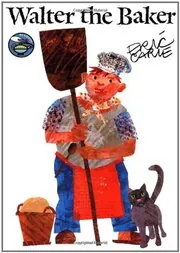
Walter the Baker
by Eric Carle
1972
In a medieval town, Walter must bake rolls in the shape of the sun each morning, or face punishment. When the sun-shaped rolls go missing, he follows clues through the city to set things right.
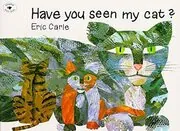
Have You Seen My Cat?
by Eric Carle
1973
A child searches around the world for a missing cat, meeting many different cats along the way. The repeating question and bold art turn it into a playful seek-and-find for animal lovers.
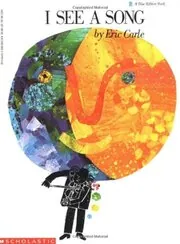
I See a Song
by Eric Carle
1973
A wordless picture book that follows a musician and the images his music seems to create. The collage art turns sound into color and motion, inviting kids to tell their own story page by page.

All about Arthur
by Eric Carle
1974
Arthur spends the day on a family outing to the sea, taking in the sights, sounds, and surprises along the way. It’s a warm slice of everyday childhood, told with simple words and bright pictures.
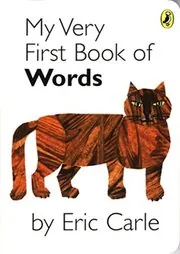
My Very First Book of Words
by Eric Carle
1974
A split-page board book that lets toddlers mix and match everyday first words while they learn early vocabulary. Flip the split pages to match simple words with bright pictures, built for early vocabulary practice.
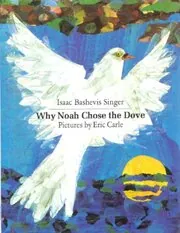
Why Noah Chose the Dove
by Eric Carle
1974
A retelling of the Noah’s Ark story that focuses on the dove’s role as a messenger. Simple language and bold illustrations make the familiar tale approachable for young children.
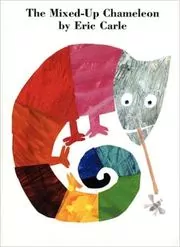
The Mixed-Up Chameleon
by Eric Carle
1975
A chameleon wishes he could be like the other animals, so he borrows their colors and body parts. After turning into a confusing mix, he realizes being himself is what feels best.

Eric Carle's Storybook
by Eric Carle
1976
A story collection that brings together several Eric Carle favorites in one volume. It’s an easy way to revisit familiar characters and share longer read-aloud time.
The Grouchy Ladybug
by Eric Carle
1977
A grouchy ladybug picks fights with bigger and bigger animals as the day goes on. Along the way, kids learn about time, size, and what happens when you choose kindness instead of a quarrel.
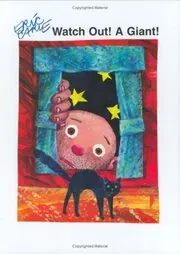
Watch Out!A Giant!
by Eric Carle
1978
A brave pair of kids face a hungry giant who wants to gobble them up. Using quick thinking and teamwork, they work out a way to escape and outsmart him.

Twelve Tales from Aesop
by Eric Carle
1980
A set of familiar Aesop fables retold for young readers, each ending with a clear lesson about choices and consequences. Eric Carle’s collage art keeps the stories lively and easy to follow.
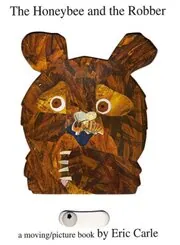
The Honeybee & the Robber
by Eric Carle
1981
A honeybee is about to make honey when a robber snatches it away. She tracks him down with a clever plan that shows why you shouldn’t take what isn’t yours.
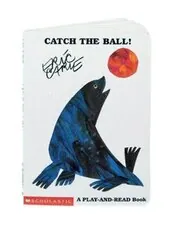
Catch the Ball!
by Eric Carle
1982
A hands-on board book where a small ball is attached and can be moved through die-cut holes as you read. The simple story turns page-turning into a little game of follow-the-ball.
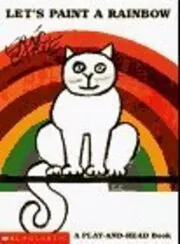
Let's Paint a Rainbow
by Eric Carle
1982
A playful book that makes a rainbow appear as you turn the pages. Along the way it introduces colors and counting, built around Eric Carle’s bold collage art.
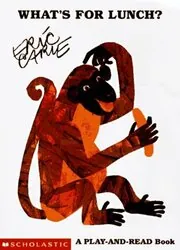
What's for Lunch?
by Eric Carle
1982
A playful board book that invites kids to help a hungry monkey choose and count foods for lunch. Movable pieces and bright collage pictures keep the focus on hands-on reading.
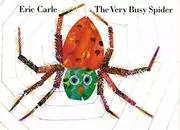
The Very Busy Spider
by Eric Carle
1984
A spider starts spinning her web first thing in the morning and won’t be distracted by the noisy farm animals around her. By nightfall, her careful work pays off when the web shows what it can do.
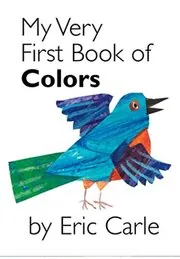
My Very First Book of Colors
by Eric Carle
1985
A split-page board book that lets toddlers mix and match colors while they learn early vocabulary. The split pages let kids pair bold pictures with color words, turning color practice into an easy game.
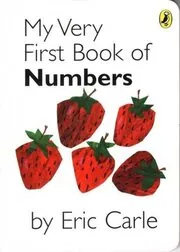
My Very First Book of Numbers
by Eric Carle
1985
A split-page board book that lets toddlers mix and match numbers and counting while they learn early vocabulary. The split pages make counting feel like a game, with bold pictures that invite pointing and counting aloud.
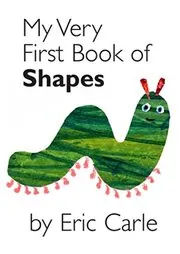
My Very First Book of Shapes
by Eric Carle
1985
A split-page board book that lets toddlers mix and match basic shapes while they learn early vocabulary. Kids can match shapes across the split pages while learning words like circle, square, and triangle.

The Greedy Python
by Eric Carle
1985
A hungry python swallows animals one by one, growing longer with each bite. With bouncy rhyme and bright art, the story turns into a funny cautionary tale about knowing when to stop.
All Around Us
by Eric Carle
1986
Bold collage pictures point out the patterns, shapes, and movement we can notice in everyday life. The simple text invites kids to look closely at the world around them and name what they see.
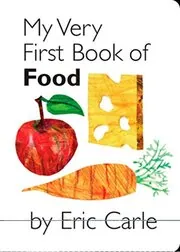
My Very First Book of Food
by Eric Carle
1986
A split-page board book that lets toddlers mix and match foods and the animals that might eat them while they learn early vocabulary. The split pages encourage matching and talking about familiar snacks and meals.

My Very First Book of Growth
by Eric Carle
1986
A split-page board book that lets toddlers mix and match how living things grow and change while they learn early vocabulary. Simple pictures and split pages help kids compare stages, from tiny beginnings to bigger forms.

My Very First Book of Heads and Tails
by Eric Carle
1986
A split-page board book that lets toddlers mix and match animal heads with the right tails while they learn early vocabulary. Mix-and-match flaps turn it into a playful guessing game that builds observation skills.
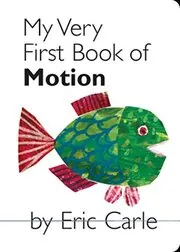
My Very First Book of Motion
by Eric Carle
1986
A split-page board book that lets toddlers mix and match how different animals move while they learn early vocabulary. Kids can mix and match animals and actions as they learn verbs like hop, swim, and crawl.

My Very First Book of Touch
by Eric Carle
1986
A simple concept board book that introduces touch and texture words through bright pictures. It’s designed for very young children to talk about how things feel, from smooth to rough.
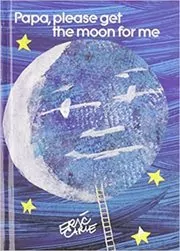
Papa, Please Get the Moon for Me
by Eric Carle
1986
Monica wants the moon, so her dad sets out with a long ladder to bring it down for her. It’s a gentle, magical story about love, patience, and watching the moon change shape.
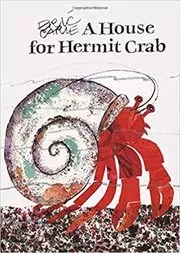
A House for Hermit Crab
by Eric Carle
1987
A hermit crab finds a new shell and, month by month, decorates it with sea plants and creatures to make it feel like home. When he outgrows it, he has to be brave enough to move on.

Eric Carle's Animals Animals
by Eric Carle
1989
A large-format collection of animal poems and pictures, pairing many writers with Eric Carle’s illustrations. It’s the kind of book you can dip into, one creature and one poem at a time.
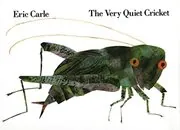
The Very Quiet Cricket
by Eric Carle
1990
A young cricket tries to chirp like the insects he meets, but no sound comes out. When he finally hears another cricket, he discovers his own voice at just the right moment.
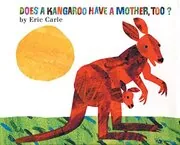
Does a Kangaroo Have a Mother, Too?
by Eric Carle
1991
One question leads to another as different baby animals are shown with their mothers. It’s a reassuring, rhythmic book for sharing at bedtime and talking about family closeness.

Eric Carle's Dragons, Dragons
by Eric Carle
1991
A collection of dragon tales and folklore from around the world, brought together with Eric Carle’s illustrations. It’s a mix of adventure, humor, and myth, sized for family read-alouds.
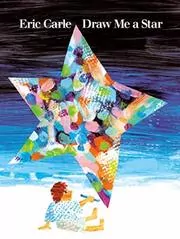
Draw Me a Star
by Eric Carle
1992
A child draws a star and keeps drawing, creating a world filled with people, animals, and seasons. The story feels like a simple creation tale, ending with a quiet look at how life changes over time.
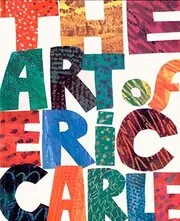
The Art of Eric Carle
by Eric Carle
1992
A behind-the-scenes look at Eric Carle’s process, including how he paints papers, cuts shapes, and builds his famous collage illustrations. It’s a visual tour for kids and adults who love picture-book art.
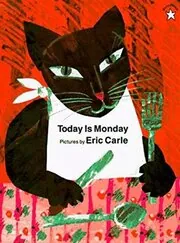
Today Is Monday
by Eric Carle
1993
A sing-song chant moves through the days of the week, pairing each day with a tasty food. It’s part calendar, part kitchen chorus, and a fun way to practice rhythm and sequencing.
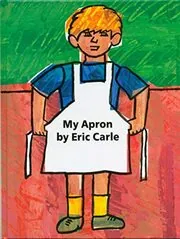
My Apron
by Eric Carle
1994
A child’s apron becomes the center of a playful dress-up game. As the apron changes roles, the story celebrates imagination and the fun of pretending to be someone new.
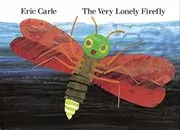
The Very Lonely Firefly
by Eric Carle
1995
A little firefly blinks his light into the night, searching for others like him. After mistaking many glowing things for friends, he finally finds a sky full of real fireflies.
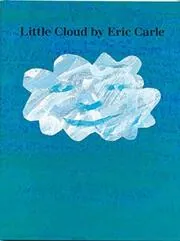
Little Cloud
by Eric Carle
1996
A small cloud drifts away from the group and plays at making shapes like sheep, planes, and a clown. When a storm rolls in, the cloud returns to the others and becomes part of the rain.

Flora and Tiger
by Eric Carle
1997
A small collection of short, personal stories that draw on Eric Carle’s own memories, family, and childhood. The pieces are simple and reflective, mixing everyday moments with warm illustrations.
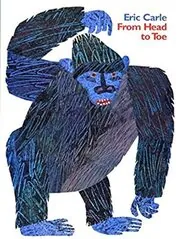
From Head to Toe
by Eric Carle
1997
Animals demonstrate big movements, from bending and stomping to wriggling and kicking. Each page invites kids to copy along, turning the book into an easy, joyful stretch-and-move game.
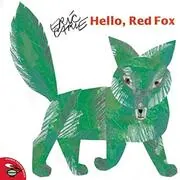
Hello, Red Fox
by Eric Carle
1998
A rabbit and a bear hunt for a red fox, while the pictures teach an eye trick about color and afterimages. It’s part story, part simple art experiment for curious readers.
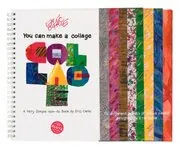
You Can Make A Collage
by Eric Carle
1998
Eric Carle walks young artists through the basics of making a collage, from painting paper to cutting and layering shapes. It’s part art lesson, part invitation to experiment and play.
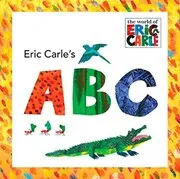
Eric Carle's ABC
by Eric Carle
1999
An alphabet book that matches each letter with a colorful animal, object, or scene in Eric Carle’s collage style. It’s a classic A-to-Z read for practicing letter names and sounds.
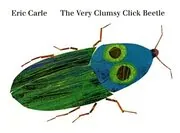
The Very Clumsy Click Beetle
by Eric Carle
1999
A click beetle tumbles and bumps into trouble everywhere he goes, even when he tries to hide. With practice and patience, he learns how to click, flip, and land on his feet.
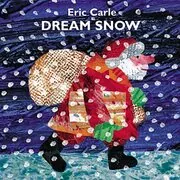
Dream Snow
by Eric Carle
2000
A farmer takes care of his animals as snow begins to fall, covering everything in white. With a hidden-picture reveal, the quiet winter day turns into a festive surprise.
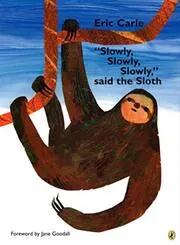
"Slowly, Slowly, Slowly," said the Sloth
by Eric Carle
2002
A slow-moving sloth hangs in a tree while other animals rush past and ask what he’s doing. With gentle humor and simple facts, the sloth’s calm answers turn into a lesson about slowing down.
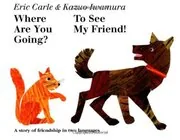
Where Are You Going? To See My Friend!
by Eric Carle
2003
A small animal sets off to visit a friend and meets a parade of other animals along the way. Cut-out windows and repeated greetings turn the trip into a friendly, rhythmic journey.
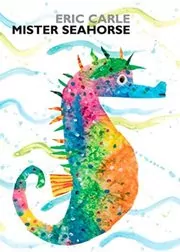
Mister Seahorse
by Eric Carle
2004
Mister Seahorse carries eggs while other animal dads also watch over their young. Hidden pictures reveal sea creatures, making it a gentle story about parenting and patience.
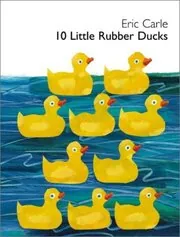
10 Little Rubber Ducks
by Eric Carle
2005
A box of rubber ducks falls off a ship, and the ducks float in different directions across the ocean. Each duck has its own adventure until one last duck finds a happy ending.
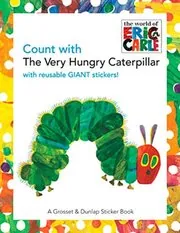
Count with the Very Hungry Caterpillar
by Eric Carle
2006
The Very Hungry Caterpillar guides little readers through counting with familiar foods and bright pictures. It’s a quick, sturdy read for practicing numbers and one-to-one counting.
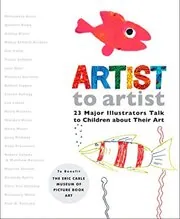
Artist to Artist
by Eric Carle
2007
A collection where Eric Carle and other picture-book illustrators share how they make art and where ideas come from. It’s full of sketches, personal notes, and examples of many different styles.
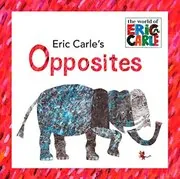
Eric Carle's Opposites
by Eric Carle
2007
A playful early-learning book that pairs opposite ideas, like big and small or up and down, with bold collage pictures. It’s quick to read and easy for toddlers to talk about.
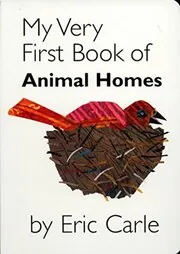
My Very First Book of Animal Homes
by Eric Carle
2007
A split-page board book that lets toddlers mix and match animals with their homes while they learn early vocabulary. Kids can flip the top and bottom halves to match each creature to where it lives.
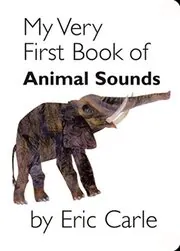
My Very First Book of Animal Sounds
by Eric Carle
2007
A split-page board book that lets toddlers mix and match animals with the sounds they make while they learn early vocabulary. Flip the split pages to pair each animal with its sound and talk about farm and wild creatures.
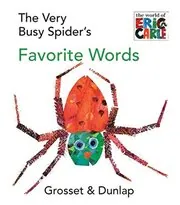
The Very Busy Spider's Favorite Words
by Eric Carle
2007
A first-words board book built around The Very Busy Spider and familiar farm scenes. It focuses on everyday vocabulary for toddlers to point to, name, and repeat.
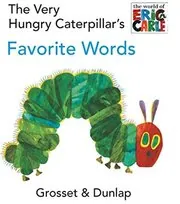
The Very Hungry Caterpillar's Favorite Words
by Eric Carle
2007
A first-words board book featuring The Very Hungry Caterpillar and objects from the classic story. It’s made for toddlers practicing simple vocabulary, one bright picture at a time.
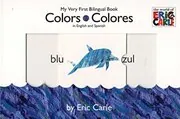
Colors. Colores
by Eric Carle
2008
A bilingual board book that introduces basic colors in English and Spanish. Simple labels and Eric Carle’s bright pictures make it easy to read aloud in either language.
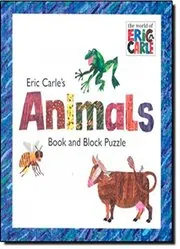
Eric Carle's Animals
by Eric Carle
2008
A simple animal concept book that introduces a variety of creatures with bright collage illustrations. It’s designed for very young readers who like naming animals and spotting details.
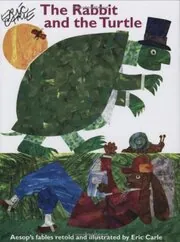
The Rabbit And The Turtle
by Eric Carle
2008
A retelling of the classic race between the overconfident rabbit and the steady turtle. The simple story and bold art make the lesson about patience and persistence easy to grasp.
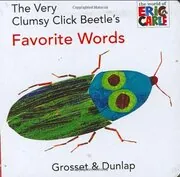
The Very Clumsy Click Beetle's Favorite Words
by Eric Carle
2008
A first-words board book featuring The Very Clumsy Click Beetle and other backyard creatures. Short labels and bright art help toddlers build everyday vocabulary.
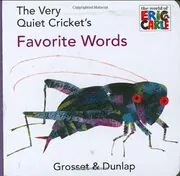
The Very Quiet Cricket's Favorite Words
by Eric Carle
2008
A first-words board book that uses The Very Quiet Cricket and other insects to introduce simple vocabulary. It’s designed for pointing, naming, and early speech practice.
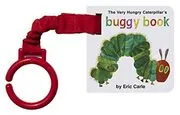
The Very Hungry Caterpillar's Buggy Book
by Eric Carle
2009
A sturdy board book that explores bugs and garden creatures through The Very Hungry Caterpillar’s world. Simple words and bright pictures make it a gentle introduction to creepy-crawly friends.
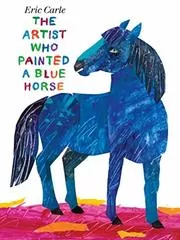
The Artist Who Painted a Blue Horse
by Eric Carle
2011
A child imagines painting animals in surprising colors, like a blue horse or a red crocodile. The book is a celebration of creativity, showing that art doesn’t have to match real life.
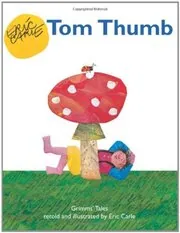
Tom Thumb
by Eric Carle
2011
A classic fairy tale about a tiny boy who must survive in a much bigger world. Eric Carle’s illustrations add humor and warmth to the old story.
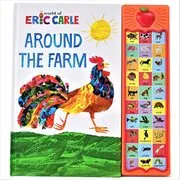
Around the Farm
by Eric Carle
2013
A farm-themed sound book where kids can press buttons to hear animal sounds and other familiar noises. The simple text and bold pictures make it easy to match each sound to the right scene.
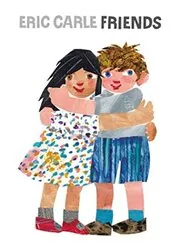
Friends
by Eric Carle
2013
A boy sets out to find his best friend, meeting helpers and hazards along the way. It’s a simple quest story about loyalty and the determination to reconnect.
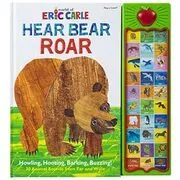
Hear Bear Roar
by Eric Carle
2014
A sound-button book that lets kids press and listen to animal noises as they meet different creatures. It’s built for hands-on play, with Eric Carle’s bright animal art on every spread.
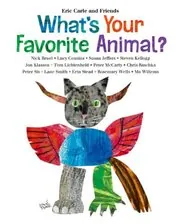
What's Your Favorite Animal?
by Eric Carle
2014
A collection of favorite animals shared by different artists, each paired with a short, personal explanation. It’s designed to get kids talking, comparing choices, and noticing how many ways animals can be drawn.
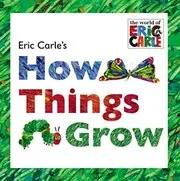
Eric Carle's How Things Grow
by Eric Carle
2015
A sturdy introduction to how plants and animals change as they grow, from seeds and eggs to new life. Simple explanations and Carle’s bright art make early science feel approachable.

Love from The Very Hungry Caterpillar
by Eric Carle
2015
A sweet board book that uses The Very Hungry Caterpillar to talk about love in everyday moments. Short lines and bright pictures make it a simple gift book for families to share.
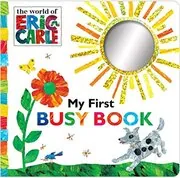
My First Busy Book
by Eric Carle
2015
A sturdy book of busy scenes built for toddlers who love to spot details and name what they see. Each page offers lots to talk about, making it a good pick for shared read-and-chat time.
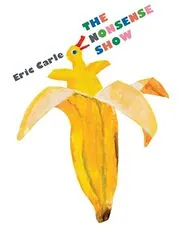
The Nonsense Show
by Eric Carle
2015
Animals take turns putting on a show where silly surprises keep flipping expectations. The repeating pattern and playful word choice make it a read-aloud that leans into giggles and rhyme.
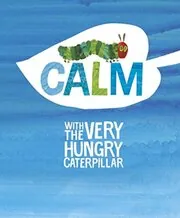
Calm with the Very Hungry Caterpillar
by Eric Carle
2016
A soothing board book that introduces simple calming ideas, like breathing and noticing feelings, with The Very Hungry Caterpillar as a friendly guide. It’s meant for quiet moments, wind-down time, and gentle reassurance.
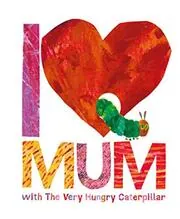
I Love Mum with the Very Hungry Caterpillar
by Eric Carle
2016
A sweet board book for celebrating Mum, with The Very Hungry Caterpillar and simple messages of love. It’s designed for toddlers, with short phrases that work well for cuddly read-alouds.
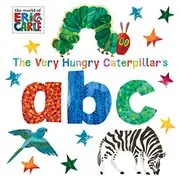
The Very Hungry Caterpillar's ABC
by Eric Carle
2016
An alphabet board book that pairs each letter with a familiar word or picture from The Very Hungry Caterpillar’s world. It’s designed for early letter practice, with bold collage art and simple labels.

I Love Dad with the Very Hungry Caterpillar
by Eric Carle
2017
A simple, affectionate board book that helps kids say “I love you” to Dad, with The Very Hungry Caterpillar along for the ride. Short lines and bright pictures make it easy to share again and again.

Merry Christmas from the Very Hungry Caterpillar
by Eric Carle
2017
A bright holiday board book that uses The Very Hungry Caterpillar to share Christmas greetings and simple seasonal moments. It’s an easy read for December, with cheerful art and short phrases.
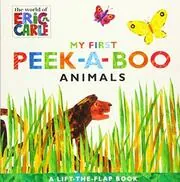
My First Peek-a-Boo Animals
by Eric Carle
2017
A peekaboo animal board book that turns page turns into a guessing game. Simple text and bright pictures invite little ones to lift, look, and name the animals they find.
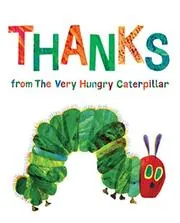
Thanks from the Very Hungry Caterpillar
by Eric Carle
2017
A gratitude-themed board book where The Very Hungry Caterpillar helps little readers notice everyday reasons to say thanks. The simple wording makes it easy for toddlers to repeat and practice.
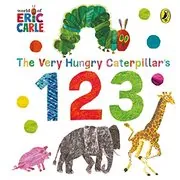
The Very Hungry Caterpillar’s 123
by Eric Carle
2017
The Very Hungry Caterpillar helps kids count from one to ten with bright pictures and simple prompts. It’s a sturdy first numbers book that works well for pointing, counting aloud, and repeating.
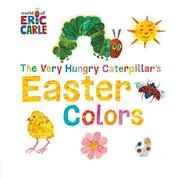
The Very Hungry Caterpillar's Easter Colors
by Eric Carle
2017
The Very Hungry Caterpillar introduces springtime colors through eggs, flowers, and other Easter sights. It’s a short, bright board book for practicing color words during the season.
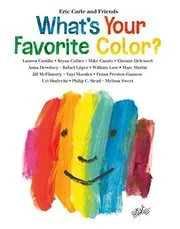
What's Your Favorite Color?
by Eric Carle
2017
A bright mix of artwork and short reflections from many illustrators, each sharing a favorite color and why it matters to them. It’s a simple way to spark talk about colors, feelings, and taste.
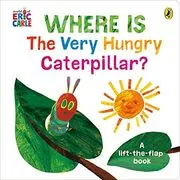
Where is the Very Hungry Caterpillar?
by Eric Carle
2017
A search-and-find board book that invites kids to look for The Very Hungry Caterpillar in busy, colorful scenes. It’s built for pointing, naming objects, and practicing attention to detail.
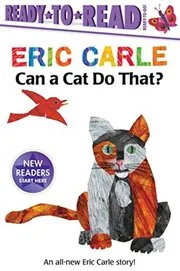
Can a Cat Do That?
by Eric Carle
2018
A beginning reader packed with animal actions and simple questions, inviting kids to compare what different creatures can do. The short text and bold pictures make it friendly for new readers.
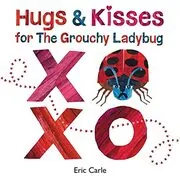
Hugs and Kisses for the Grouchy Ladybug
by Eric Carle
2018
A sweet, seasonal spin on the Grouchy Ladybug that centers on affection and making up after being grumpy. Short, simple lines make it a good choice for sharing with very young kids.
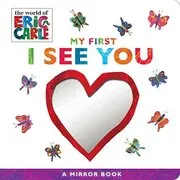
My First I See You
by Eric Carle
2018
A baby-friendly board book designed to hold attention with bold pictures and simple prompts. It encourages early interaction, with pages made for pointing, naming, and playing together.
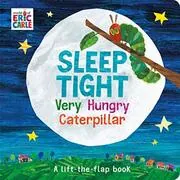
Sleep Tight Very Hungry Caterpillar
by Eric Carle
2018
A calm bedtime board book that follows The Very Hungry Caterpillar through a simple nighttime routine. Gentle language and bright pictures make it easy to read right before lights out.

Turn, Crank, Zoom!
by Eric Carle
2018
An interactive STEM Gear book with turning gears, sounds, and bright vehicle scenes. Kids can spin, press, and listen while learning cause and effect through hands-on play.
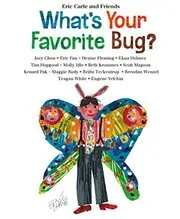
What's Your Favorite Bug?
by Eric Carle
2018
A colorful collection of favorite bugs chosen by different illustrators, each with a short, personal note. The book encourages kids to look closely, learn a few bug facts, and share their own picks.
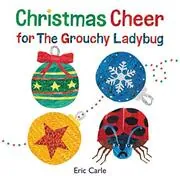
Christmas Cheer for The Grouchy Ladybug
by Eric Carle
2019
The Grouchy Ladybug meets the holiday season, with a story that softens her grumpy mood around winter cheer. It’s a quick, festive read for families who like classic Carle characters.
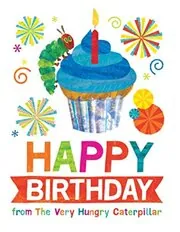
Happy Birthday from the Very Hungry Caterpillar
by Eric Carle
2019
The Very Hungry Caterpillar helps celebrate a birthday with bright pictures and simple birthday wishes. It’s a quick, cheerful board book that works well as a party-day read.
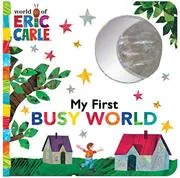
My First Busy World
by Eric Carle
2019
A big, busy board book filled with colorful scenes to explore, from home and school to outdoor places. It’s designed for pointing, naming, and discovering new vocabulary in every spread.
Where to start with Eric Carle
If you want the classic Eric Carle starter: The Very Hungry Caterpillar → The Very Busy Spider → The Very Quiet Cricket
If you like stories about feelings and friendship: The Mixed-Up Chameleon → The Grouchy Ladybug → Friends
If you want gentle, dreamy bedtime reads: Papa, Please Get the Moon for Me → Little Cloud → Dream Snow
If you’re reading with a toddler who loves concepts: My Very First Book of Words → My Very First Book of Colors → The Very Hungry Caterpillar’s 123
Eric Carle sub-series and character series
Eric Carle Illustrated books in order
Explore this seriesEric Carle Illustrated books in chronological order
What's Your Favorite books in order
Explore this seriesWhat's Your Favorite books in chronological order
World of Eric Carle books in order
Explore this seriesWorld of Eric Carle books in chronological order
Eric Carle collections, short stories, and related book types
Non-Fiction
Collections
Ready-to-Read: Pre-Level 1
Standalone Eric Carle books
Author bio
Eric Carle was a children’s book author and illustrator whose cut-paper collage style is instantly recognizable. Many families first meet his work through The Very Hungry Caterpillar, but his bibliography stretches far beyond one famous insect, into animals, seasons, food, and everyday wonder.
He was born in Syracuse, New York, on June 25, 1929. When he was six, his family moved to Stuttgart, Germany, and he grew up there. Carle later talked about how wartime Germany shaped him, including being conscripted as a teenager to dig trenches. After the war, he studied at the State Academy of Fine Arts in Stuttgart, training his eye for color, design, and bold shapes.
In 1952, he returned to the United States and settled in New York City with only a small amount of money in his pocket. He found work as a graphic designer in the promotion department at The New York Times. Not long after, he was drafted into the U.S. Army during the Korean War and was stationed in Germany, then came back to his design career and eventually became an art director in advertising.
Picture books entered his life through a lucky connection. Writer Bill Martin Jr. noticed an illustration Carle had made for an advertisement and asked him to collaborate on Brown Bear, Brown Bear, What Do You See? That project gave Carle a place to bring his collage animals to the page and it helped set the direction for the rest of his working life.
Then he started making his own books.
He wrote and illustrated 1, 2, 3 to the Zoo and followed it with The Very Hungry Caterpillar in 1969. From there, he kept returning to structures young kids understand right away: repetition, rhythm, and a clear sequence. Books like The Grouchy Ladybug and The Very Busy Spider sneak in ideas about time, patience, and focus without ever feeling like a lecture.
Carle also had a soft spot for nature and life cycles. In The Tiny Seed and Mister Seahorse, the big drama is simply surviving long enough to grow, hatch, or find the right place to be. And in Papa, Please Get the Moon for Me or Dream Snow, the mood turns quiet and cozy, the kind of story you read when the day is slowing down.
His art process was hands-on and surprisingly simple. He painted tissue paper in bright colors, cut it into pieces, and layered the shapes into pictures that look both playful and carefully designed. That handmade feel is part of why his books work so well with small kids, they invite pointing, tracing, and lingering on the details.
He cared deeply about picture books as an art form.
In 2002, Carle and his wife, Barbara, helped found The Eric Carle Museum of Picture Book Art in Amherst, Massachusetts. He received major honors for his lasting contribution to children’s literature, including the Laura Ingalls Wilder Award. Carle died on May 23, 2021, in Northampton, Massachusetts, but his work continues to travel, from nursery shelves to classrooms, and into the memories of readers who still know exactly what happens on a hungry Monday.




Edited by
Software engineer whose passion for tracking book recommendations from podcasts inspired the creation of MRB.
Lead investor at 3one4 Capital whose startup expertise and love for books helped shape MRB and its growth.
Comments
Did we miss something? Have feedback?
Help us improve this page by sharing your thoughts