
My Very First Book Books in Order
Part ofEric Carle Books in OrderThis page lists the My Very First Book series by Eric Carle in order, with short summaries and tips for choosing the best early-learning match-up book.
Last updated:
As an Amazon Associate, we earn from qualifying purchases (at no extra cost to you).
My Very First Book books in publication order
15 books
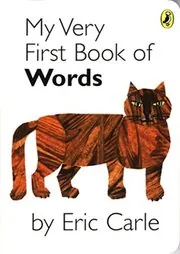
My Very First Book of Words
by Eric Carle
1974
A split-page board book that lets toddlers mix and match everyday first words while they learn early vocabulary. Flip the split pages to match simple words with bright pictures, built for early vocabulary practice.
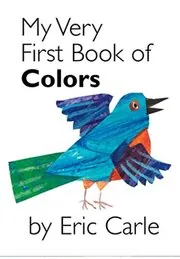
My Very First Book of Colors
by Eric Carle
1985
A split-page board book that lets toddlers mix and match colors while they learn early vocabulary. The split pages let kids pair bold pictures with color words, turning color practice into an easy game.
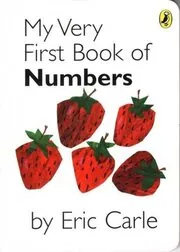
My Very First Book of Numbers
by Eric Carle
1985
A split-page board book that lets toddlers mix and match numbers and counting while they learn early vocabulary. The split pages make counting feel like a game, with bold pictures that invite pointing and counting aloud.
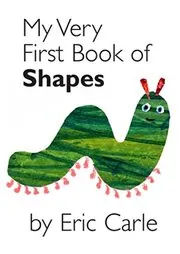
My Very First Book of Shapes
by Eric Carle
1985
A split-page board book that lets toddlers mix and match basic shapes while they learn early vocabulary. Kids can match shapes across the split pages while learning words like circle, square, and triangle.
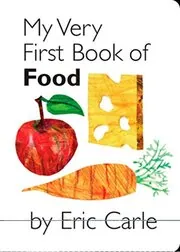
My Very First Book of Food
by Eric Carle
1986
A split-page board book that lets toddlers mix and match foods and the animals that might eat them while they learn early vocabulary. The split pages encourage matching and talking about familiar snacks and meals.

My Very First Book of Growth
by Eric Carle
1986
A split-page board book that lets toddlers mix and match how living things grow and change while they learn early vocabulary. Simple pictures and split pages help kids compare stages, from tiny beginnings to bigger forms.

My Very First Book of Heads and Tails
by Eric Carle
1986
A split-page board book that lets toddlers mix and match animal heads with the right tails while they learn early vocabulary. Mix-and-match flaps turn it into a playful guessing game that builds observation skills.
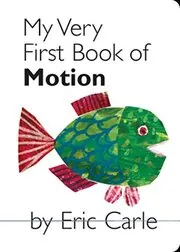
My Very First Book of Motion
by Eric Carle
1986
A split-page board book that lets toddlers mix and match how different animals move while they learn early vocabulary. Kids can mix and match animals and actions as they learn verbs like hop, swim, and crawl.

My Very First Book of Touch
by Eric Carle
1986
A simple concept board book that introduces touch and texture words through bright pictures. It’s designed for very young children to talk about how things feel, from smooth to rough.
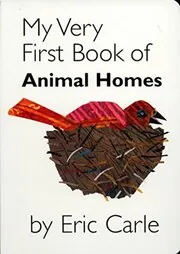
My Very First Book of Animal Homes
by Eric Carle
2007
A split-page board book that lets toddlers mix and match animals with their homes while they learn early vocabulary. Kids can flip the top and bottom halves to match each creature to where it lives.
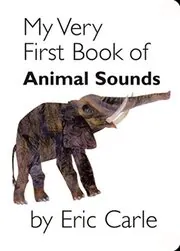
My Very First Book of Animal Sounds
by Eric Carle
2007
A split-page board book that lets toddlers mix and match animals with the sounds they make while they learn early vocabulary. Flip the split pages to pair each animal with its sound and talk about farm and wild creatures.
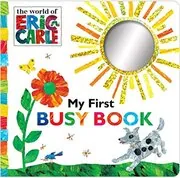
My First Busy Book
by Eric Carle
2015
A sturdy book of busy scenes built for toddlers who love to spot details and name what they see. Each page offers lots to talk about, making it a good pick for shared read-and-chat time.
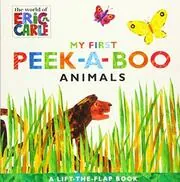
My First Peek-a-Boo Animals
by Eric Carle
2017
A peekaboo animal board book that turns page turns into a guessing game. Simple text and bright pictures invite little ones to lift, look, and name the animals they find.
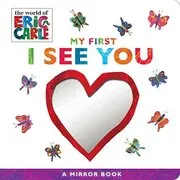
My First I See You
by Eric Carle
2018
A baby-friendly board book designed to hold attention with bold pictures and simple prompts. It encourages early interaction, with pages made for pointing, naming, and playing together.
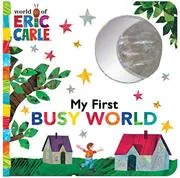
My First Busy World
by Eric Carle
2019
A big, busy board book filled with colorful scenes to explore, from home and school to outdoor places. It’s designed for pointing, naming, and discovering new vocabulary in every spread.
My Very First Book books in chronological order
Series background & context
The My Very First Book titles are designed for toddlers who want to do something while they read. Most of these books use split pages, so the top half and bottom half can be turned separately. That simple format turns every spread into a matching game, and it makes rereading feel like play instead of repetition.
They’re little matching games disguised as books.
In My Very First Book of Animal Homes and My Very First Book of Animal Sounds, children can pair an animal with the right home or the right sound. My Very First Book of Heads and Tails leans into silly combinations before you find the correct match, which is part of what makes it fun. Other titles focus on early concepts like colors, shapes, numbers, words, motion, growth, and touch, all with bold pictures that are easy to recognize.
Because the text is usually just a word or a short phrase, these books work well for very young readers and for adults who want an easy way to talk and point together. You can play straight matching, or you can treat the pages like prompts, “What do you think goes with this?” “What else is the same color?” “How does this animal move?” There’s room for giggles when the mix-and-match gets weird, and there’s also room for calm, focused play.
The books support early skills that don’t feel like homework. Kids practice fine motor control when they turn only half a page, build vocabulary by repeating the same words, and start noticing categories and patterns. They also work nicely in short bursts, a few minutes on the couch, a quick read before dinner, or something to do during a car ride.
There’s no required order here. Pick the topic that matches what your child is into right now, animals, colors, or counting, and you’ll get a short, sturdy book that’s meant to be handled and replayed.







Edited by
Software engineer whose passion for tracking book recommendations from podcasts inspired the creation of MRB.
Lead investor at 3one4 Capital whose startup expertise and love for books helped shape MRB and its growth.
Comments
Did we miss something? Have feedback?
Help us improve this page by sharing your thoughts