
Edmund White Books in Order
Browse Edmund White books in order, with short summaries, trilogy and memoir notes, series background, and a practical guide to where to start.
Last updated:
As an Amazon Associate, we earn from qualifying purchases (at no extra cost to you).
Edmund White books in publication order
35 books
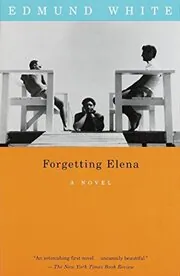
Forgetting Elena
by Edmund White
1973
On an island where manners are everything, a painfully self-conscious young narrator tries to decode the rules. Then the enigmatic Elena nudges him toward breaking them, and White turns social comedy into something sly and unsettling.
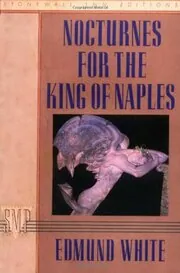
Nocturnes for the King of Naples
by Edmund White
1978
Told as intimate reflections addressed to a lost lover, this early novel drifts through memory, longing, and grief. It is more dreamlike than plot-driven, and built from moods, scenes, and emotional echoes.
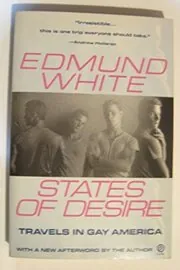
States of Desire
by Edmund White
1980
White travels across the United States to report on gay life just before the AIDS crisis changed everything. The book is part travel writing, part social portrait, and full of sharp, curious encounters.
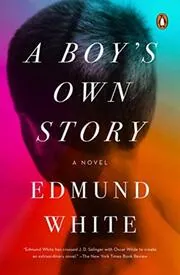
A Boy's Own Story
by Edmund White
1982
An unnamed boy grows up in the 1950s trying to understand his desire, his shame, and his hunger to be loved. White makes adolescence feel raw, funny, lonely, and painfully alert.
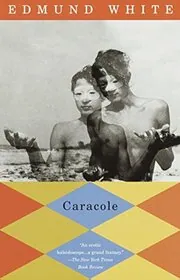
Caracole
by Edmund White
1985
Gabriel, a naïve boy from the provinces, enters a glittering, dangerous city of occupied streets, gossip, and erotic intrigue. The novel turns social climbing and sexual awakening into a stylized, restless adventure.
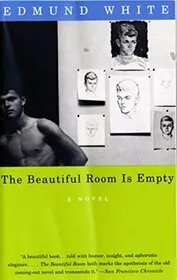
The Beautiful Room Is Empty
by Edmund White
1988
In the middle volume of the trilogy, White's unnamed narrator leaves the Midwest for school, sex, ideas, and New York. It captures the pull of shame, desire, and liberation as gay life begins to change.

The Darker Proof
by Edmund White
1988
In this collaborative collection with Adam Mars-Jones, seven stories show lives darkened by AIDS without turning into sermons. The book stays intimate, unsentimental, and alert to fear, tenderness, and everyday damage.

The Faber Book of Gay Short Fiction
by Edmund White
1991
White edits a broad anthology of stories about male homosexuality from classic and modern writers. It works as both an introduction to a tradition and a set of vivid, varied reading experiences.
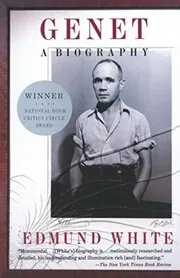
Genet
by Edmund White
1993
White's biography follows Jean Genet from foster child and petty thief to major writer and political figure. It balances hard research with a novelist's feel for obsession, performance, and self-invention.
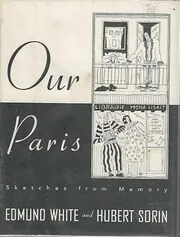
Our Paris
by Edmund White
1994
Written with illustrator Hubert Sorin, this affectionate book sketches the people and places around their Paris neighborhood. It is light, observant, and funny on the surface, with real tenderness underneath.
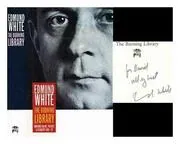
The Burning Library
by Edmund White
1994
These essays move through art, politics, sexuality, and gay life from the post-Stonewall years into the age of AIDS. White writes about writers and culture with wit, memory, and a strong sense of what was lost.

Skinned Alive
by Edmund White
1995
Across eight stories set in Europe and America, White writes about desire, jealousy, grief, illness, and the odd ways people survive them. The tone shifts from funny to bruised without losing its intimacy.
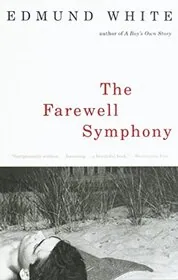
The Farewell Symphony
by Edmund White
1997
The final volume of White's autobiographical trilogy follows a gay writer through New York, Rome, and Paris as friendship, family, sex, and loss reshape his life. It is funny, painful, and haunted by the AIDS years.
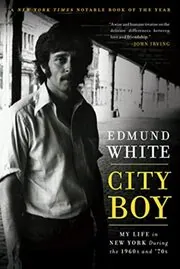
City Boy
by Edmund White
1999
White remembers New York in the 1960s and 1970s, when the city was rough, thrilling, and crowded with artists, editors, and sexual possibility. It is a memoir of literary life, nightlife, and the world before AIDS.
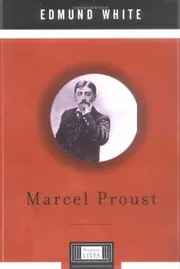
Marcel Proust
by Edmund White
1999
This short biography introduces Proust as a sickly recluse, brilliant social observer, and closeted writer remaking his life into art. White keeps the scale compact without losing the strangeness of the man.
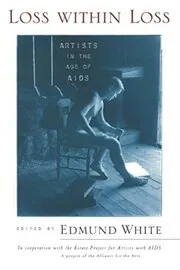
Loss within Loss
by Edmund White
2000
White edits a wide-ranging collection of essays about artists lost to AIDS, with contributors mourning, arguing, remembering, and taking stock. The book is both tribute and record of a cultural catastrophe.
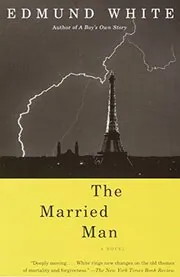
The Married Man
by Edmund White
2000
Austin, an American scholar living in Paris, falls hard for Julien, a younger Frenchman who is married. Their romance moves across cities and climates as love, culture, and illness press them toward a painful reckoning.
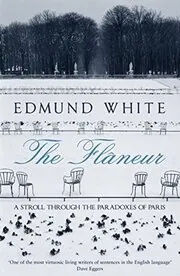
The Flaneur
by Edmund White
2001
Part memoir, part city portrait, this book follows White through the streets, neighborhoods, and contradictions of Paris. He is less interested in tourist highlights than in history, gossip, and the hidden life behind the facades.
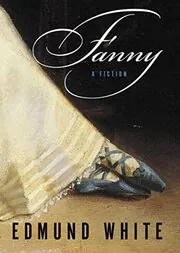
Fanny
by Edmund White
2003
White reimagines the life of the reformer Frances Wright through a mock biography shaped by her uneasy bond with Frances Trollope. It is historical fiction with sharp social comedy and a taste for public scandal.
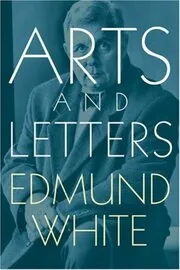
Arts and Letters
by Edmund White
2004
White sketches writers, artists, celebrities, and social scenes in a series of brisk, intelligent portraits. The pleasure is in the company, and in the way he catches vanity, charm, and seriousness on the same page.
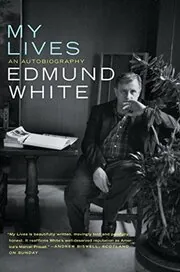
My Lives
by Edmund White
2005
Organized by subjects rather than dates, this memoir moves through White's parents, friends, lovers, shrinks, and hustlers. It is candid, funny, and deeply revealing about a life lived through sex, books, and changing gay worlds.

Chaos
by Edmund White
2007
A respected older man keeps chasing sex as if the freedoms of the 1970s never ended, and his life begins to wobble. White turns that premise into a sharp, restless novel about aging, romance, and self-delusion.

Hotel de Dream
by Edmund White
2007
White imagines the dying Stephen Crane dictating a lost novella about a teenage boy prostitute in 1890s New York. The result is a layered historical novel about desire, secrecy, and the stories writers cannot quite stop telling.

Terre Haute
by Edmund White
2007
This play imagines a tense meeting between Timothy McVeigh and a famous older writer modeled on Gore Vidal before the bomber's execution. It is a chamber drama about ego, violence, and the stories criminals tell about themselves.
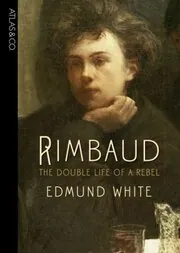
Rimbaud
by Edmund White
2008
White gives a compact, lively life of Arthur Rimbaud, from his explosive early poetry to his turbulent bond with Verlaine and his later years in Africa. It is brief, readable, and alert to both the myth and the man.
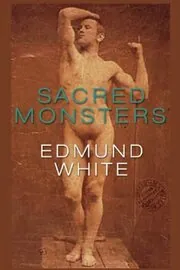
Sacred Monsters
by Edmund White
2011
This essay collection gathers White's portraits of writers, painters, performers, and other cultural figures. He writes about them as living personalities, sharp, flawed, funny, and worth arguing over.
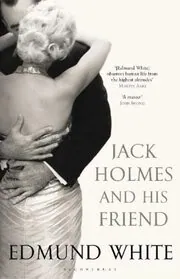
Jack Holmes and His Friend
by Edmund White
2012
Jack Holmes loves his friend Will, who cannot return that love in the way Jack wants. Set in literary New York before gay liberation, the novel follows their long, tangled friendship through sex, marriage, ambition, and time.
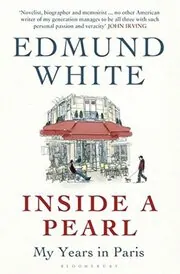
Inside a Pearl
by Edmund White
2014
In this Paris memoir, White looks back on the years he spent in France and the people who filled that world. It mixes social observation, gossip, grief, and a very personal map of the city.
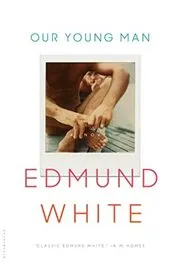
Our Young Man
by Edmund White
2016
Guy, a striking French model, rises from provincial poverty to the fashion world, Fire Island, and the early AIDS era in New York. White uses beauty, money, and desire to ask what happens when youth becomes a kind of currency.
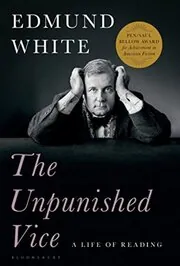
The Unpunished Vice
by Edmund White
2018
White turns his reading life into a memoir, tracing how books shaped his tastes, memory, friendships, and writing. It is part literary criticism, part personal history, and full of sharp, funny detours.
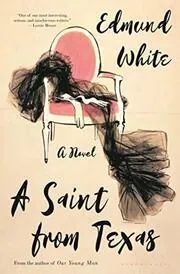
A Saint from Texas
by Edmund White
2020
Identical twins Yvonne and Yvette leave 1950s Texas for very different futures, one in Parisian high society, the other in religious life. Their bond drives a sprawling novel about class, faith, sex, envy, and reinvention.
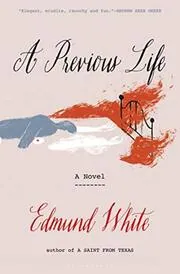
A Previous Life
by Edmund White
2021
At a Swiss chalet, Sicilian aristocrat Ruggero and his younger American wife, Constance, trade written confessions about their pasts. Their marriage opens into a witty, risky novel about bisexuality, aging, jealousy, and the stories couples tell to stay together.

Edmund White's A Boy's Own Story: The Graphic Novel
by Edmund White
2023
This graphic adaptation carries White's coming-of-age classic into comics without softening its loneliness or desire. The young narrator moves through 1950s family life, school, and sexual confusion in vivid, painterly scenes.

The Humble Lover
by Edmund White
2023
An eighty-year-old Manhattan grandee becomes fixated on a beautiful young ballet soloist and invites him into his life. The novel watches desire slide into rivalry, dependency, and comic humiliation.

The Loves of My Life
by Edmund White
2025
White looks back over a lifetime of sex, from furtive teenage encounters to later-life candor and app-era hookups. It is frank, funny, and also a personal history of how gay desire changed across decades.
Where to start with Edmund White
For the core autobiographical novels: A Boy's Own Story → The Beautiful Room Is Empty → The Farewell Symphony
If you want memoir first: My Lives → City Boy → Inside a Pearl
If you want essays and literary nonfiction: The Unpunished Vice → The Burning Library → Sacred Monsters
For later standalone fiction: A Saint from Texas → A Previous Life → The Humble Lover
Edmund White sub-series and character series
Writer and the City books in order
Explore this seriesWriter and the City books in chronological order
Edmund White collections, short stories, and related book types
Collections
Graphic Novels
Non-Fiction
Plays
Standalone Edmund White books
Author bio
Edmund White was born in Cincinnati, Ohio, on January 13, 1940, and grew up mostly outside Chicago after his parents divorced when he was seven. His mother was a school psychologist, his father sold chemical equipment, and the split between those households later fed some of the sharpest family scenes in his fiction.
He found books before he found a world that made sense to him.
As a teenager, he went looking for writing that might explain his desires and calm his sense of being out of place. He studied Chinese at the University of Michigan, graduated in 1962, and moved to New York instead of following a safer academic path. There he worked at Time-Life Books, then edited at The Saturday Review and Horizon, while learning the city after hours.
His early books already showed what mattered to him: social codes, sex, shame, comedy, class, and the ways people perform themselves. Forgetting Elena turned Fire Island manners into satire, States of Desire traveled through gay America just before AIDS, and A Boy's Own Story made him widely known by following a boy growing up gay in the 1950s. Many readers kept going through The Beautiful Room Is Empty and The Farewell Symphony, which widen that life into adulthood, liberation, grief, and survival.
He wrote like someone who wanted the whole mess of life on the page.
White was also an activist. In 1982 he co-founded Gay Men's Health Crisis in New York, and after moving to Paris in 1983 he helped found AIDES there. He later tested positive for HIV, and the AIDS crisis never stayed abstract in his work. Friends, lovers, editors, and fellow writers were dying, and books such as The Married Man, Skinned Alive, and Loss Within Loss carry that sorrow without giving up humor, appetite, or curiosity.
Paris mattered just as much as New York. White lived in France until 1998, and the city runs through Our Paris, The Flâneur, and Inside a Pearl. He was also a gifted literary biographer, especially in Genet, which won the National Book Critics Circle Award, and in his short life of Marcel Proust. He had a knack for writing about other authors as if they were vivid, contradictory people, not marble busts.
Teaching became another major part of his life. He taught at Johns Hopkins and Brown before joining Princeton in 1999, later directing the creative writing program there. Students remembered the gossip, the jokes, and the way he could make literature feel like part of ordinary life. He received the PEN/Saul Bellow Award in 2018 and the National Book Foundation's Medal for Distinguished Contribution to American Letters in 2019. Late in life he kept publishing, with memoirs such as My Lives and City Boy, and later books such as A Saint from Texas, A Previous Life, The Humble Lover, and The Loves of My Life.
White died at his home in Manhattan on June 3, 2025. He was survived by his husband, Michael Carroll. By then he had spent more than fifty years writing about love, sex, art, illness, cities, friendship, and the strange rules people invent around all of them.


Edited by
Software engineer whose passion for tracking book recommendations from podcasts inspired the creation of MRB.
Lead investor at 3one4 Capital whose startup expertise and love for books helped shape MRB and its growth.
Comments
Did we miss something? Have feedback?
Help us improve this page by sharing your thoughts