
The Edmund Trilogy Books in Order
Part ofEdmund White Books in OrderFind The Edmund Trilogy by Edmund White in order, with short summaries, series background, and a clear reading-order guide for new readers.
Last updated:
As an Amazon Associate, we earn from qualifying purchases (at no extra cost to you).
The Edmund Trilogy books in publication order
3 books
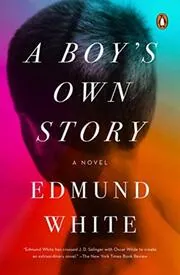
A Boy's Own Story
by Edmund White
1982
An unnamed boy grows up in the 1950s trying to understand his desire, his shame, and his hunger to be loved. White makes adolescence feel raw, funny, lonely, and painfully alert.
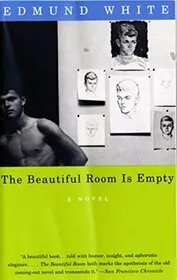
The Beautiful Room Is Empty
by Edmund White
1988
In the middle volume of the trilogy, White's unnamed narrator leaves the Midwest for school, sex, ideas, and New York. It captures the pull of shame, desire, and liberation as gay life begins to change.
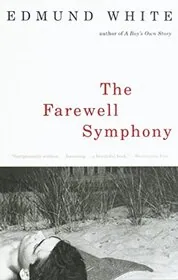
The Farewell Symphony
by Edmund White
1997
The final volume of White's autobiographical trilogy follows a gay writer through New York, Rome, and Paris as friendship, family, sex, and loss reshape his life. It is funny, painful, and haunted by the AIDS years.
The Edmund Trilogy books in chronological order
Series background & context
The Edmund Trilogy brings together three linked novels, A Boy's Own Story, The Beautiful Room Is Empty, and The Farewell Symphony. They follow the same unnamed narrator across boyhood, youth, and adulthood, and they are the clearest route into White's fiction for many readers. The books draw heavily on his own life, but they read as novels first, with all the shaping, compression, and emotional angle that fiction allows.
It is one life, told in three stages.
The first novel, A Boy's Own Story, is set in the 1950s and stays close to the raw feeling of adolescence. The narrator grows up in the Midwest with divorced parents, a cruel sister, school humiliations, and a constant wish to be loved by men who seem to hold the key to the world. What makes the book memorable is not just the coming out material. It is the way White catches self-consciousness, fantasy, class anxiety, and the loneliness of being a smart boy who cannot yet say what he wants.
The second book, The Beautiful Room Is Empty, opens that private world into a larger social one. The narrator moves from school and the Midwest toward college, New York, sex, literature, friendships, and the first stirrings of gay liberation. Shame is still there, but so is excitement. The novel is about discovering that desire is not only a secret to manage, but a life to build, however awkwardly, among other people.
The books grow up as the narrator does.
By The Farewell Symphony, White has widened the frame again. The narrator is older, funnier, more experienced, and far more exposed to loss. The story moves through New York, Rome, and Paris, and it brings in work, family, lovers, art, and the devastation of AIDS. The tone is elegiac, but not solemn. White keeps room for gossip, sex, absurdity, and the small social details that make a whole vanished world feel present.
Taken together, the trilogy gives you more than a personal history. It shows how gay life changed across the second half of the twentieth century, from repression and coded desire to liberation, then to the shock of mass illness and grief. The books are intimate, candid, and often very funny, but they are also alert to class, manners, ambition, and the ways people reinvent themselves.
If you want White at full strength, this is the place to start. Read in order, the three novels deepen each other, and the emotional payoffs come from watching a sensibility sharpen, suffer, and survive.











Edited by
Software engineer whose passion for tracking book recommendations from podcasts inspired the creation of MRB.
Lead investor at 3one4 Capital whose startup expertise and love for books helped shape MRB and its growth.
Comments
Did we miss something? Have feedback?
Help us improve this page by sharing your thoughts