
Edmund Crispin Books in Order
Browse Edmund Crispin books in order, from Gervase Fen novels to story collections, with quick summaries, reading order, and tips on where to start.
Last updated:
As an Amazon Associate, we earn from qualifying purchases (at no extra cost to you).
Edmund Crispin books in publication order
12 books
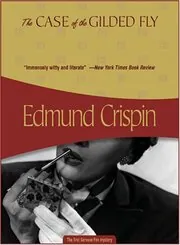
The Case of the Gilded Fly
by Edmund Crispin
1944
During rehearsals for a new play in wartime Oxford, a glamorous actress with enemies everywhere is found shot in what looks like an impossible crime. Fen's first case mixes theater intrigue, jealousy, and a classic locked-room puzzle.
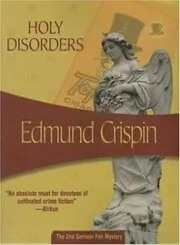
Holy Disorders
by Edmund Crispin
1945
Fen plans a peaceful holiday in the cathedral town of Tolnbridge, but attacks on church musicians draw him into a strange case. Witchcraft rumors, wartime nerves, and espionage all swirl around a mystery that grows deadlier by the page.
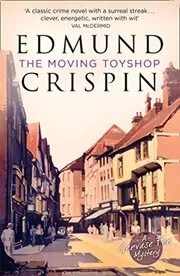
The Moving Toyshop
by Edmund Crispin
1946
Poet Richard Cadogan comes to Oxford for a break and stumbles into a toyshop where he finds a corpse. By morning the body is gone, the shop has become a grocery, and Fen is chasing one of classic crime's happiest impossible mysteries.
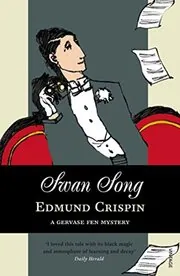
Swan Song / Dead and Dumb
by Edmund Crispin
1947
An opera company arrives in Oxford to stage Wagner, and almost everyone has a reason to hate one of its singers. When he is found dead in a locked dressing room, Fen must untangle artistic rivalries and another looming murder.

Buried for Pleasure
by Edmund Crispin
1948
Fen impulsively runs for Parliament in a rural by-election and lands in a village already simmering with blackmail, secrets, and odd local characters. Then a murder cuts through the farce, and his campaign turns into a full detective case.
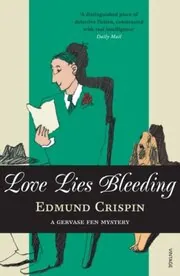
Love Lies Bleeding
by Edmund Crispin
1948
Invited to a school's Speech Day, Fen walks into assaults, thefts, and murder. What begins as small disturbances around Castrevenford soon turns into a clever hunt involving hidden motives and the possible discovery of a lost Shakespeare play.
Frequent Hearses / Sudden Vengeance
by Edmund Crispin
1950
At a film studio, the apparent suicide of an ambitious young actress is followed by poison and another killing. Fen works through backstage rivalries, family tensions, and show-business gossip to uncover a carefully staged revenge plot.
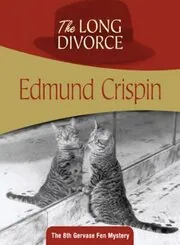
The Long Divorce
by Edmund Crispin
1951
Anonymous poison-pen letters start tearing through the village of Cotten Abbas, and Fen investigates under cover. When one scandal leads to suicide and then murder, the case becomes far darker than village gossip first suggests.

Beware of the Trains
by Edmund Crispin
1953
This collection of 16 short mysteries gives Fen most of the stage, with missing conductors, cryptic clues, and brisk impossible crimes. The stories are compact, playful, and built as fair-play puzzles readers can try to solve for themselves.
We Know You're Busy Writing But....
by Edmund Crispin
1969
This collection gathers Crispin's short stories, from classic Gervase Fen puzzles to darker standalone pieces. Expect impossible crimes, sharp comic timing, and the famous title story about a writer driven to extremes by constant interruptions.
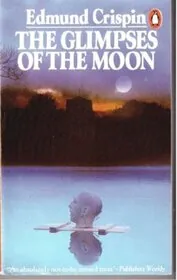
The Glimpses of the Moon
by Edmund Crispin
1977
Fen heads to Devon for a quiet stretch of work and finds the village of Aller thrown into panic by a decapitated head in the river. The investigation widens into a macabre mystery full of gossip, false trails, and black comedy.
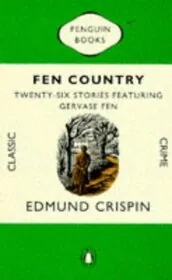
Fen Country
by Edmund Crispin
1979
This posthumous volume gathers 26 short mysteries and darker tales, many featuring Gervase Fen and Inspector Humbleby. The fun is in the odd clues, brisk fair-play setups, and Crispin's blend of wit, menace, and literary mischief.
Where to start with Edmund Crispin
If you want the series from the beginning: The Case of the Gilded Fly → Holy Disorders → The Moving Toyshop
If you want classic Oxford mischief: The Moving Toyshop
If you like music and performance-world mysteries: Swan Song / Dead and Dumb → Frequent Hearses / Sudden Vengeance
If you prefer school and village secrets: Love Lies Bleeding → The Long Divorce
If you want short, fair-play puzzles: Beware of the Trains → Fen Country
Edmund Crispin sub-series and character series
Edmund Crispin collections, short stories, and related book types
Collections
Non-Fiction
Author bio
Edmund Crispin was the pen name of Robert Bruce Montgomery, born in Chesham Bois, Buckinghamshire, in 1921 and raised there in a comfortable, musical household. He was a bright, bookish child, and music arrived early. By his teens he was already composing and playing seriously, even while dealing with the foot problems and operations that left him with a lifelong limp.
Music came first.
He won a scholarship to Merchant Taylors' School and then another to St John's College, Oxford, where he studied modern languages. At Oxford he served as organ scholar and choirmaster for two years, and the place clearly got under his skin. The colleges, chapels, arguments, jokes, and eccentric academics of the Gervase Fen books all owe something to that period.
The turn toward detective fiction came fast. After reading John Dickson Carr's The Crooked Hinge, Montgomery wrote The Case of the Gilded Fly in a burst during an Easter vacation in 1943, when he was supposed to be revising for finals. He published it as Edmund Crispin, a name borrowed from Michael Innes, and the book introduced Gervase Fen, the unruly Oxford professor who would become his great comic detective creation.
After graduating, he taught for a short time at Shrewsbury School. That job did not stop the flow of books. In the 1940s and early 1950s he produced the run of Fen novels that made his reputation, including Holy Disorders, The Moving Toyshop, Swan Song, Love Lies Bleeding, and The Long Divorce. He was elected to the Detection Club while still in his twenties.
Fen gave him room to do several things at once. In these novels he could build a proper murder puzzle and also make jokes, wander off into literary side streets, and poke fun at the whole business of storytelling. Readers still come to Crispin for that mix, clever clues, absurd energy, Oxford atmosphere, and a hero who can sound brilliant, childish, rude, and oddly lovable within the same page.
He never really stopped being a composer.
Under his real name, Bruce Montgomery, he wrote concert and church music, including An Oxford Requiem, and later became widely known for film scores for British comedies, including early Carry On films and entries in the Doctor series. That musical life runs straight through the fiction. Holy Disorders revolves around cathedral music, Swan Song lives in the world of opera, and Frequent Hearses / Sudden Vengeance heads into a film studio, with the sharp eye of someone who knew that business from the inside.
After leaving Shrewsbury he settled in Devon and lived there for the rest of his life, writing, composing, editing anthologies, and reviewing crime fiction and science fiction for the Sunday Times. There were long gaps in the novels, and alcohol took a real toll on his health and output. Even so, he returned to Gervase Fen late on with The Glimpses of the Moon in 1977, married Barbara Ann Clements in 1976, and died the following year.
What lasts is the feel of the books. Crispin liked impossible crimes, theatrical settings, village gossip, academic vanity, and people who talk as if they are slightly too clever for their own good. He could be very funny, but there is often a shadow behind the fun. That balance is a big part of why the Fen stories still feel so alive.


Edited by
Software engineer whose passion for tracking book recommendations from podcasts inspired the creation of MRB.
Lead investor at 3one4 Capital whose startup expertise and love for books helped shape MRB and its growth.
Comments
Did we miss something? Have feedback?
Help us improve this page by sharing your thoughts