
Earthsea Cycle Books in Order
Part ofUrsula K Le Guin Books in OrderExplore the Earthsea Cycle by Ursula K Le Guin in order, with book summaries, reading order, series background, and help deciding where to begin.
Last updated:
As an Amazon Associate, we earn from qualifying purchases (at no extra cost to you).
Earthsea Cycle books in publication order
6 books
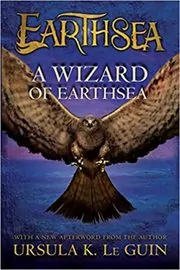
A Wizard of Earthsea
by Ursula K Le Guin
1968
Gifted, proud, and careless, Ged unleashes a shadow he cannot control. To survive, he must cross the archipelago and learn what it means to face his own darkness.
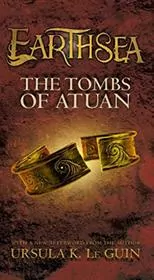
The Tombs of Atuan
by Ursula K Le Guin
1970
Taken as a child to serve nameless powers, Tenar lives in darkness beneath the Tombs of Atuan. Then an intruding wizard forces her to choose between duty, fear, and freedom.
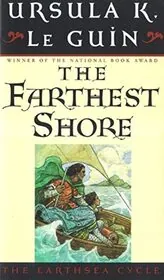
The Farthest Shore
by Ursula K Le Guin
1972
Magic is draining out of Earthsea, and the Archmage Ged sails to the world's edge to learn why. Young Prince Arren goes with him into a journey shadowed by death and despair.
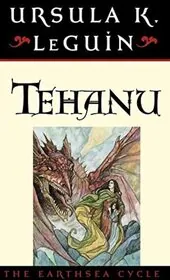
Tehanu
by Ursula K Le Guin
1990
Tenar has made an ordinary life on Gont, until she takes in a terribly injured child and the broken Ged returns. What follows is a quieter, fiercer Earthsea story about care, power, and survival.
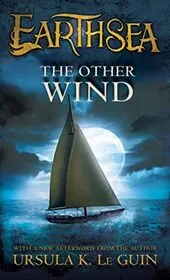
The Other Wind
by Ursula K Le Guin
2001
When a village sorcerer begins dreaming of the dead calling him, a deep imbalance shakes Earthsea. Ged, Tenar, Tehanu, the king, and the dragons are drawn into a final reckoning.

The Daughter of Odren
by Ursula K Le Guin
2014
A late Earthsea novella about a strong-willed young woman, the plans other people make for her, and the stubborn fact of her own life.
Earthsea Cycle books in chronological order
Series background & context
The Earthsea Cycle is set in an archipelago of islands where magic is bound up with language, balance, and the true names of things. Wizards are not simply people who throw power around. In Earthsea, power has weight. Every act changes something else. That gives the series its particular feeling, less noisy than many fantasy sagas, and much more interested in responsibility.
The first book, A Wizard of Earthsea, follows Ged from gifted, reckless boy to mage who must face the shadow he has called into the world. It looks, at first, like a classic coming-of-age fantasy. Then it turns inward. Ged's great enemy is not just out there waiting to be defeated. It is bound up with pride, fear, and the parts of himself he does not want to own.
That inward turn never really goes away.
In The Tombs of Atuan, the center shifts to Tenar, taken as a child to serve the nameless powers beneath a desert temple. Her story opens Earthsea up. The world is no longer only schools of magic and sea journeys. It is also prisons built from belief, the struggle to reclaim a stolen self, and the possibility of freedom. The Farthest Shore brings Ged together with the young prince Arren for a voyage to the edge of death itself, as magic begins to fail across the archipelago.
Then the series changes shape. Tehanu, Tales from Earthsea, and The Other Wind return to the same world years later, but with different questions in view. The later books pay closer attention to women, old age, injury, everyday labor, children, and the people left at the margins of grand heroic stories. They also begin to reexamine the assumptions of the earlier books. Who gets to speak? Who gets taught? What kinds of power have been ignored because they do not look like wizardry?
Earthsea grows older as its readers do. That is one reason people stay with it.
Across the cycle, the setting matters deeply. Earthsea is made of seas, weather, distances, and names. Travel takes time. Islands keep their own customs. Dragons are not just beasts to be slain, and death is not a simple line. The world feels mythic, but never vague. Le Guin gives it enough history, language, and cultural difference to make each island feel like part of a larger lived world.
The tone is often calm, even when the stakes are enormous. These books do not rush. They trust silence, image, and moral complexity. What you get is not flashy fantasy built around endless escalation, but something rarer: a set of stories about power and limits, freedom and duty, and the long work of becoming a whole person. Read in order, the books form one of fantasy's most satisfying arcs, because they keep growing instead of repeating themselves.





Edited by
Software engineer whose passion for tracking book recommendations from podcasts inspired the creation of MRB.
Lead investor at 3one4 Capital whose startup expertise and love for books helped shape MRB and its growth.
Comments
Did we miss something? Have feedback?
Help us improve this page by sharing your thoughts