
Ursula K Le Guin Books in Order
Browse Ursula K Le Guin books in order, from Earthsea and Hainish to poems and essays, with summaries, series guides, and help choosing where to start.
Last updated: 1 new book added
As an Amazon Associate, we earn from qualifying purchases (at no extra cost to you).
Ursula K Le Guin books in publication order
117 books
April in Paris
by Ursula K Le Guin
1962
A lonely scholar unexpectedly slips across time in Paris and meets someone just as displaced as he is. It is brief, romantic, and slyly melancholy.
The Masters
by Ursula K Le Guin
1963
In a closed society that fears dangerous knowledge, a young student begins to question what has been forbidden and why. The result is austere and unsettling.
The Word of Unbinding
by Ursula K Le Guin
1964
A wizard faces a tyrant whose dark powers hold a whole region in fear. Short and sharp, it shows Le Guin's early fantasy finding its stride.
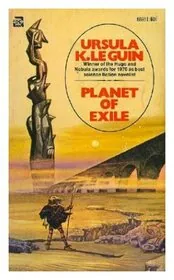
Planet of Exile
by Ursula K Le Guin
1966
A stranded colony on a world of immense seasons struggles to survive its coming long winter. To endure invasion and cold, colonists and natives must learn to trust one another.
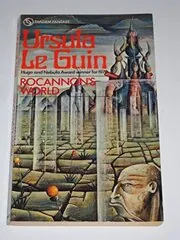
Rocannon's World
by Ursula K Le Guin
1966
After an interstellar attack leaves him stranded, ethnologist Rocannon must rally the peoples of a seemingly primitive world. The result is part quest, part first contact tale, and part legend in the making.
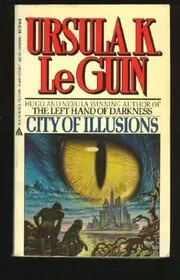
City of Illusions
by Ursula K Le Guin
1967
An amnesiac known as Falk crosses a strange future Earth in search of his identity. The truth he finds about the Shing and about himself is more dangerous than ignorance.
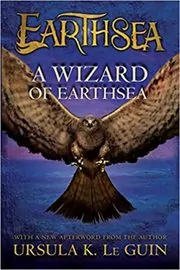
A Wizard of Earthsea
by Ursula K Le Guin
1968
Gifted, proud, and careless, Ged unleashes a shadow he cannot control. To survive, he must cross the archipelago and learn what it means to face his own darkness.
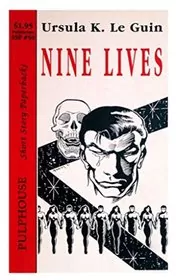
Nine Lives
by Ursula K Le Guin
1968
Two lone workers on a hostile world are joined by a ten-person clone team whose perfect cohesion seems almost inhuman. Then disaster strips that certainty away.
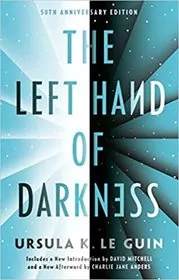
The Left Hand of Darkness
by Ursula K Le Guin
1969
A lone envoy arrives on the icebound world of Gethen to persuade it to join a wider human community. Politics, distrust, and a brutal journey force him to rethink everything he assumes about gender and loyalty.
Recommended by
2 people Adam Savage recommended this book
Adam Savage
"An impressive and powerful experience." - Adam Savage
Adam Savage's recommendation of this book  Brad Feld recommended this book
Brad Feld
"I'm buying [this book] and reading it this weekend in memorium." - Brad Feld
Brad Feld's recommendation of this book
A Trip to the Head
by Ursula K Le Guin
1970
A surreal, brainy story that turns inner experience into a literal journey, and keeps moving just when reality seems ready to settle.
The Good Trip
by Ursula K Le Guin
1970
A compact, unsettling story in which an altered journey strips away everyday certainty and leaves the traveler facing a stranger reality.
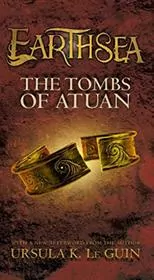
The Tombs of Atuan
by Ursula K Le Guin
1970
Taken as a child to serve nameless powers, Tenar lives in darkness beneath the Tombs of Atuan. Then an intruding wizard forces her to choose between duty, fear, and freedom.
Things
by Ursula K Le Guin
1970
A very short, sly story that looks at human behavior from an outside angle and makes familiar habits feel wonderfully strange.
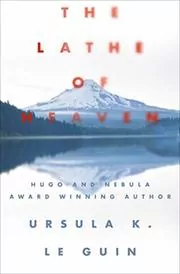
The Lathe of Heaven
by Ursula K Le Guin
1971
George Orr's dreams alter reality, and his psychiatrist quickly sees how that power could be used. The battle that follows is eerie, philosophical, and frighteningly intimate.
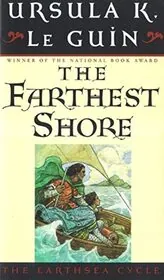
The Farthest Shore
by Ursula K Le Guin
1972
Magic is draining out of Earthsea, and the Archmage Ged sails to the world's edge to learn why. Young Prince Arren goes with him into a journey shadowed by death and despair.
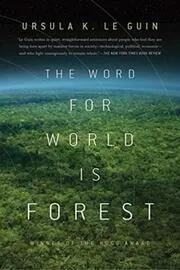
The Word for World is Forest
by Ursula K Le Guin
1972
Terran colonizers strip a forest world and enslave its people. As resistance rises, the cost of fighting back threatens to change the conquered world forever.
From Elfland to Poughkeepsie
by Ursula K Le Guin
1973
A short, influential essay on fantasy prose, especially the difference between language that truly makes a world and language that only imitates one.
The Field of Vision
by Ursula K Le Guin
1973
A brief story about perception itself, and how fear, memory, and desire can shape what people think they see.
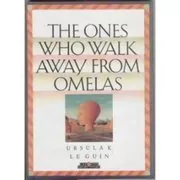
The Ones Who Walk Away from Omelas
by Ursula K Le Guin
1973
A radiant city depends for its happiness on the misery of one child. Le Guin's famous story asks what kind of prosperity anyone can live with.
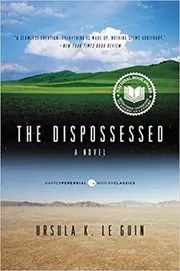
The Dispossessed
by Ursula K Le Guin
1974
Physicist Shevek leaves the anarchist moon Anarres for its wealthy mother world, hoping to reconnect two divided societies. His journey tests every idea he has about freedom, work, and revolution.
The Stars Below
by Ursula K Le Guin
1974
A young outcast is drawn downward toward a hidden wonder, where fear, beauty, and the wish to belong become tangled together.
Dreams Must Explain Themselves
by Ursula K Le Guin
1975
A generous selection of Le Guin's nonfiction, gathering speeches, essays, reviews, and reflections on feminism, justice, imagination, and literary art.

The Wind's Twelve Quarters, Volume 1
by Ursula K Le Guin
1975
The first half of Le Guin's classic early stories, ranging from fantasy to science fiction and showing just how many shapes her imagination could take.

Wild Angels
by Ursula K Le Guin
1975
An early gathering of poems, already full of the myth, music, wit, and alertness to the natural world that run through Le Guin's later work.
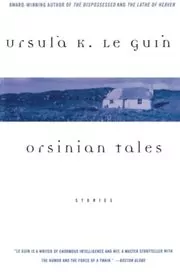
Orsinian Tales
by Ursula K Le Guin
1976
Stories set across the imagined country of Orsinia, where love, youth, music, and dissent keep colliding with history and power.
The Water is Wide
by Ursula K Le Guin
1976
A brief, lyrical story that turns distance and crossing into a meditation on longing, connection, and the spaces people cannot quite bridge.
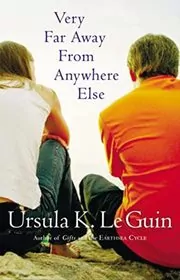
Very Far Away from Anywhere Else / A Very Long Way from Anywhere Else
by Ursula K Le Guin
1976
Seventeen-year-old Owen thinks he has his life mapped out, until meeting Natalie shows him how little he understands about himself and other people.
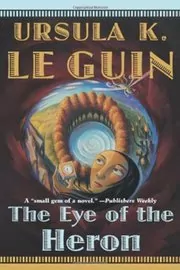
The Eye of the Heron
by Ursula K Le Guin
1978
On a former prison colony, peace-loving settlers try to move beyond the grip of the City Bosses. Luz, the daughter of power, begins to imagine a freer life.

The Wind's Twelve Quarters, Volume 2
by Ursula K Le Guin
1978
The second half of a landmark story collection, continuing Le Guin's mix of fable, thought experiment, quiet sadness, and speculative daring.
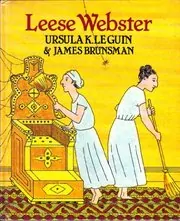
Leese Webster
by Ursula K Le Guin
1979
A palace spider spins webs so fine they resemble works of art. Exiled to the garden, she discovers a different kind of freedom and making.
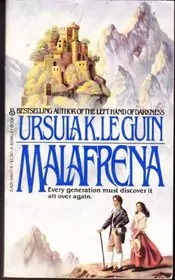
Malafrena
by Ursula K Le Guin
1979
In the imagined country of Orsinia, young Itale Sorde leaves home for the capital and gets pulled into journalism, love, and the dangerous hope of political reform.
The Language of the Night
by Ursula K Le Guin
1979
Le Guin's classic essay collection on fantasy, science fiction, criticism, and writing, full of strong opinions delivered with wit and precision.
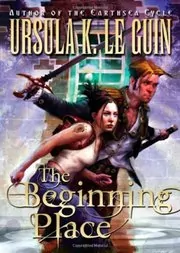
The Beginning Place / Threshold
by Ursula K Le Guin
1980
Two unhappy young people find a hidden way into another world. To return changed, they must face the fearsome thing that rules the borderland.
Gwilan's Harp
by Ursula K Le Guin
1981
An aging harpist, poor and nearly forgotten, sets out with the instrument that still holds her life together. Music becomes both memory and a last chance.

Hard Words and Other Poems
by Ursula K Le Guin
1981
Poems shaped by Cornwall, New York, Oregon, and other cultures of mind and belief. Spare, musical, and often sharper than they first appear.
The Adventure of Cobbler's Rune
by Ursula K Le Guin
1982
In the horse-inhabited land of Kroy, young Cobbler gets swept into resisting invaders who plan to enslave his country. It is funny, brisk, and unexpectedly heroic.

The Compass Rose
by Ursula K Le Guin
1982
A story collection full of experiments in form and feeling, from alternate histories to unsettling futures to some of Le Guin's most memorable shorter pieces.

In the Red Zone
by Ursula K Le Guin
1983
A slim late work in which Le Guin writes close to danger, grief, and public crisis, bringing moral clarity to the ordinary human cost.
Solomon Leviathan's 931st Trip Around the World
by Ursula K Le Guin
1983
A giraffe and a boa constrictor set out by sea and are swallowed by an ancient whale. It is whimsical, talkative, and slyly philosophical.
Solomon Leviathan's Nine-Hundred and Thirty-First Trip Around the World
by Ursula K Le Guin
1983
A giraffe and a boa constrictor set out by sea and are swallowed by an ancient whale. Le Guin turns the absurd premise into a graceful little voyage tale.
The Visionary: The Life Story of Flicker of the Serpentine of Telina-Na
by Ursula K Le Guin
1984
A biographical tale from the world of the Kesh, following a visionary life through story, memory, and the shifting line between history and myth.
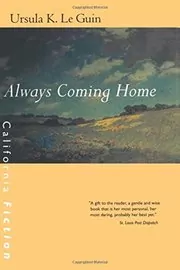
Always Coming Home
by Ursula K Le Guin
1985
Part novel, part songs and stories, part imagined anthropology, this book builds the future people of the Kesh in a post-apocalyptic Napa Valley.

Buffalo Gals and Other Animal Presences
by Ursula K Le Guin
1987
A gathering of stories in which animals, myth, and the nonhuman world step close. The title novella remains the emotional anchor.
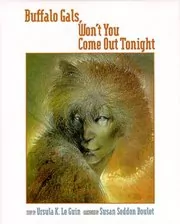
Buffalo Gals, Won't You Come Out Tonight
by Ursula K Le Guin
1987
After surviving a plane crash in the desert, a child wanders into a myth-soaked world of animal presences and Coyote's wary care.
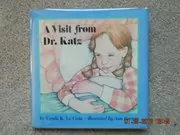
A Visit from Dr. Katz
by Ursula K Le Guin
1988
Home sick with the flu, Marianne is sent a visit from Dr. Katz, who turns out to be two cats and the doorway to a dream.
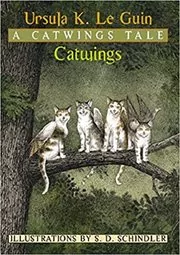
Catwings
by Ursula K Le Guin
1988
Four kittens born with wings escape the dangerous city slums where they were born. Freedom is possible, but finding a safe home turns out to be harder than flying away.

Wild Oats and Fireweed
by Ursula K Le Guin
1988
Poems about farm life, travel, highways, beaches, family, hunger, sex roles, and the natural shocks of the Pacific Northwest.
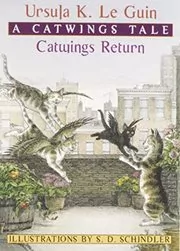
Catwings Return
by Ursula K Le Guin
1989
Back in the city to visit their mother, the Catwings discover another winged kitten in danger. Rescue brings them into familiar streets that look harsher than ever.
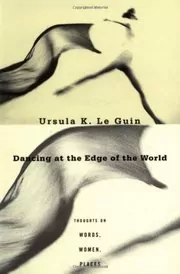
Dancing at the Edge of the World
by Ursula K Le Guin
1989
Essays and talks on words, women, genre, politics, California, family, and the stories we use to make sense of our lives.
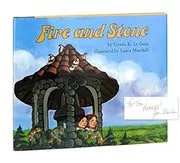
Fire and Stone
by Ursula K Le Guin
1989
A dragon is burning fields and frightening a whole village, until two children learn a secret that changes how fear itself has to be faced.
Way of the Water's Going
by Ursula K Le Guin
1989
A nonfiction collection in which Le Guin ranges across literature, politics, place, and daily life, always returning to the ways language shapes how we live.
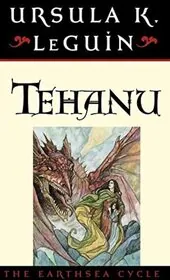
Tehanu
by Ursula K Le Guin
1990
Tenar has made an ordinary life on Gont, until she takes in a terribly injured child and the broken Ged returns. What follows is a quieter, fiercer Earthsea story about care, power, and survival.
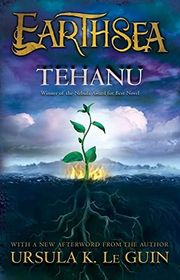
Tehanu
by Ursula K Le Guin
1990
Tenar cares for a severely injured child while confronting life beyond her former role in the tombs. As Ged returns changed, familiar ideas about power and belonging face new questions in the quieter spaces of Earthsea.
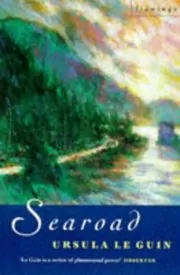
Searoad: Chronicles of Klatsand
by Ursula K Le Guin
1991
Thirteen linked stories trace women, artists, and restless lives in a small town on the Oregon coast. Quiet on the surface, the book keeps opening into deep private weather.
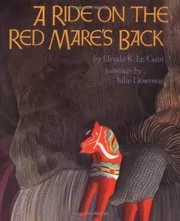
A Ride on the Red Mare's Back
by Ursula K Le Guin
1992
With help from her wooden horse, a brave girl rides into the mountains to rescue her brother from trolls. It reads like an old folktale with a steel spine.
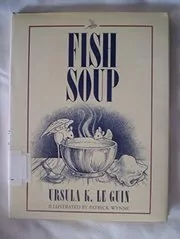
Fish Soup
by Ursula K Le Guin
1992
Two friends conjure magical children to carry messages between them, only to discover that making life convenient is not the same thing as understanding what life wants.
Earthsea Revisioned
by Ursula K Le Guin
1993
A reflective lecture in which Le Guin looks back at Earthsea, gender, and what changed when she returned to the archipelago years later.

A Fisherman of the Inland Sea
by Ursula K Le Guin
1994
Stories about starships, music, exile, disaster, and several Hainish worlds. It is one of Le Guin's richest collections for readers who want range.

Blue Moon Over Thurman Street
by Ursula K Le Guin
1994
Poems, photographs, and observations turn one Portland street into a portrait of a neighborhood, a city, and a way of looking.
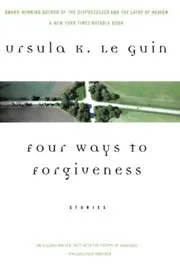
Four Ways to Forgiveness
by Ursula K Le Guin
1994
Four linked Hainish stories explore the aftermath of slavery and revolution on Werel and Yeowe. Le Guin keeps the focus on people trying to build dignity after brutality.

Going Out with Peacocks and Other Poems
by Ursula K Le Guin
1994
A poetry collection moving between myth, travel, marriage, aging, and the natural world in a voice both plainspoken and musical.
Solitude (in F&SF)
by Ursula K Le Guin
1994
A field observer on a remote world finds that childrearing, language, and social distance work in ways she never expected. The story turns cultural bafflement into something haunting.
The Matter of Seggri (in Crank!)
by Ursula K Le Guin
1994
A Hainish tale about a world where gender imbalance has warped sex, labor, and status. Le Guin studies the society from multiple angles instead of giving easy answers.
Unchosen Love (Amazing Stories #591)
by Ursula K Le Guin
1994
A Hainish tale about marriage by custom, and what happens when obligation, desire, and tenderness refuse to line up neatly.
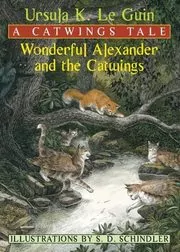
Wonderful Alexander and the Catwings
by Ursula K Le Guin
1994
After a winged cat rescues him, Alexander decides he must do something wonderful in return. It is a sweet, funny story about bravery and gratitude.
A Man of the People (in Asimov's)
by Ursula K Le Guin
1995
A life-spanning Hainish story about an envoy shaped by slavery, liberation, and the hard work of representing his people to the wider universe.
A Woman’s Liberation (in Asimov's)
by Ursula K Le Guin
1995
A woman who has escaped slavery must still reckon with the habits and beliefs that captivity planted in her. Quietly devastating and very clear-eyed.
Mountain Ways (in Asimov's)
by Ursula K Le Guin
1996
A sharp Hainish story about kinship, motherhood, and social custom on a world where intimate relationships follow rules outsiders barely understand.
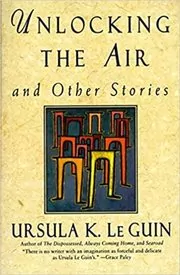
Unlocking the Air and Other Stories
by Ursula K Le Guin
1996
A wide-ranging collection of realist, surreal, and lightly fantastic stories about ordinary pain, memory, time, and the strange angles of daily life.
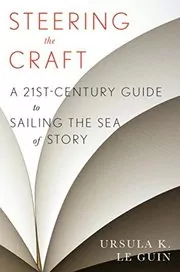
Steering The Craft
by Ursula K Le Guin
1998
A practical guide to fiction writing that breaks craft into usable parts, from sound and syntax to point of view, with exercises all along the way.
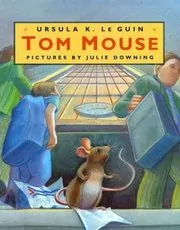
Tom Mouse
by Ursula K Le Guin
1998
A mouse hears tales of travel from a hobo cat and boards a train for Chicago. The journey is scary, big, and unexpectedly kind.
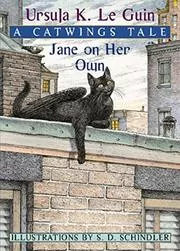
Jane on Her Own
by Ursula K Le Guin
1999
Longing for adventure, Jane flies to the city alone and is captured as a marvelous curiosity. Freedom, she learns, can vanish the moment somebody decides you belong in a cage.

Sixty Odd
by Ursula K Le Guin
1999
A generous selected poems volume that lets decades of Le Guin's poetic work speak to one another across changing forms and moods.
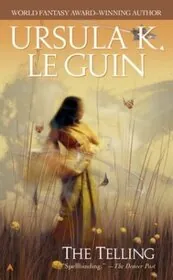
The Telling
by Ursula K Le Guin
2000
Sent to a world where the state has outlawed the past, Sutty uncovers the remnants of an older way of life. Her search becomes both political and deeply personal.
The Bones of the Earth
by Ursula K Le Guin
2001
A proud young mage joins older wizards in a desperate effort to steady the earth itself. The story widens Earthsea's history while asking what mastery really costs.
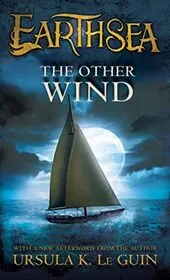
The Other Wind
by Ursula K Le Guin
2001
When a village sorcerer begins dreaming of the dead calling him, a deep imbalance shakes Earthsea. Ged, Tenar, Tehanu, the king, and the dragons are drawn into a final reckoning.

Science Fiction Stories
by Ursula K Le Guin
2002
A selected volume of Le Guin's science fiction, bringing together stories that show her gift for marrying large ideas to very human dilemmas.

The Birthday of the World and Other Stories
by Ursula K Le Guin
2002
A major late story collection, heavy with Hainish pieces about gender, kinship, religion, and cultural difference, plus some of Le Guin's boldest shorter work.
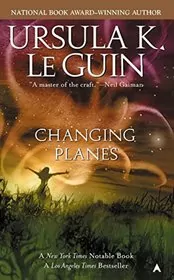
Changing Planes
by Ursula K Le Guin
2003
An airport delay opens onto a method of slipping between planes of existence. From there Le Guin tours strange societies that are funny, eerie, and uncomfortably close to our own.
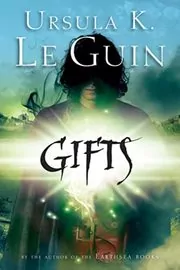
Gifts
by Ursula K Le Guin
2004
In the harsh Uplands, clan families inherit powers that can maim or kill. Two teenagers begin to question a whole society built on fear of those gifts.
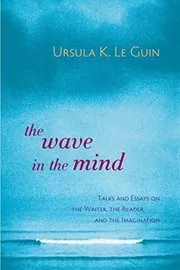
The Wave in the Mind
by Ursula K Le Guin
2004
Talks and essays on writing, reading, imagination, family, beauty, and literary form, written with Le Guin's usual mix of clarity and mischief.

The New Utopian Politics of Ursula K. Le Guin's The Dispossessed
by Ursula K Le Guin
2005
A critical study of The Dispossessed that looks closely at its anarchism, its political imagination, and the harder questions inside its utopian vision.

Incredible Good Fortune
by Ursula K Le Guin
2006
A late poetry collection that finds surprise, gratitude, and rueful humor in ordinary life, aging, and the ongoing work of attention.
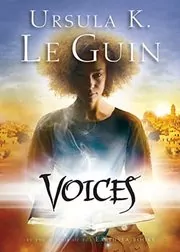
Voices
by Ursula K Le Guin
2006
In an occupied city where books are feared and hidden, young Memer grows into resistance. The fight here is as much about language and memory as it is about power.
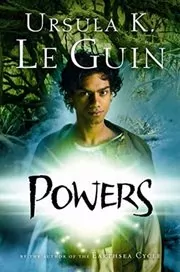
Powers
by Ursula K Le Guin
2007
Gavir, born into slavery and gifted with unsettling visions, is driven into a wandering search for freedom and meaning. It is the most far-ranging of the Western Shore books.
%20-%20Ursula%20K%20Le%20Guin.jpg)
Conversations with Ursula K. Le Guin
by Ursula K Le Guin
2008
An interview collection that lets Le Guin talk across decades about genre, politics, feminism, storytelling, and the worlds she made.
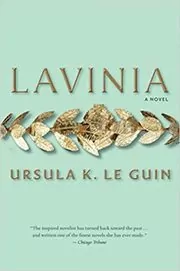
Lavinia
by Ursula K Le Guin
2008
Le Guin gives a voice to the quiet figure from the Aeneid, following Lavinia as prophecy, politics, and war close in around her future.
Walking in Cornwall
by Ursula K Le Guin
2008
A slim, meditative travel book in which Le Guin turns walking through Cornwall into reflections on weather, landscape, memory, and time.
Cat Dreams
by Ursula K Le Guin
2009
A sleepy picture book that curls up inside a cat's dream. Quiet, funny, and full of the odd grandeur cats usually assume is theirs by right.
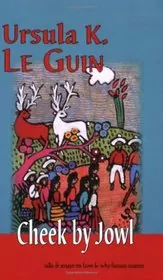
Cheek by Jowl
by Ursula K Le Guin
2009
A brisk essay collection on fantasy, childhood reading, animals, and why imaginative literature matters in a flattened world.

Coyote's Song: The Teaching Stories of Ursula K. Le Guin
by Ursula K Le Guin
2009
A critical examination of the stories by which Le Guin teaches ethics, culture, and imagination, especially through myth, folktale, and speculative fiction.
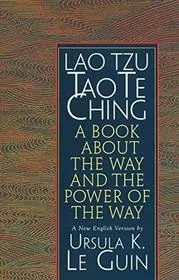
Lao Tzu: Tao Te Ching
by Ursula K Le Guin
2009
Le Guin's clear, personal rendering of the Tao Te Ching pairs the classic text with brief notes from a lifelong reader shaped by Taoist thought.
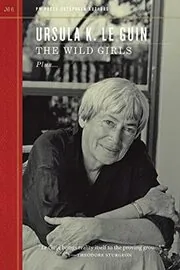
The Wild Girls
by Ursula K Le Guin
2011
Two captive girls grow up in a society of luxury, violence, and ownership. Their fierce bond becomes the center of a dark, compact story about justice and what freedom might cost.

Finding My Elegy
by Ursula K Le Guin
2012
A late collection that looks steadily at aging, grief, and the living world, finding humor and grace without softening what hurts.
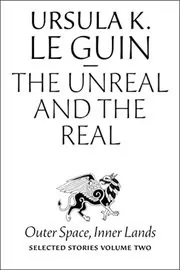
Outer Space, Inner Lands
by Ursula K Le Guin
2012
The second half of Le Guin's selected short stories turns outward into science fiction, fantasy, myth, and moral parable, while keeping human feeling at the center.
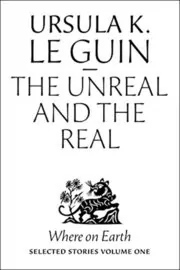
Where on Earth
by Ursula K Le Guin
2012
The first half of Le Guin's selected short stories gathers realist and lightly fantastic work rooted in everyday lives, strange memories, and the pressure of place.

The Daughter of Odren
by Ursula K Le Guin
2014
A late Earthsea novella about a strong-willed young woman, the plans other people make for her, and the stubborn fact of her own life.

Late in the Day: Poems, 2010-2014
by Ursula K Le Guin
2015
Poems about common things, animals, time, weather, and myth, written with the light touch and deep attention of Le Guin's later work.

The Found and the Lost
by Ursula K Le Guin
2016
A sweeping collection of Le Guin's novellas, gathering longer works from across her career into one place. Ideal for readers who want the middle distance between story and novel.
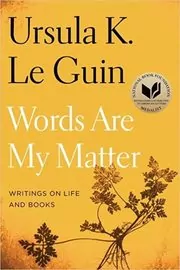
Words Are My Matter
by Ursula K Le Guin
2016
Essays, talks, introductions, and reviews from Le Guin's later years, all circling books, freedom, art, and the uses of language in public life.
Recommended by
1 person Stephen Fry recommended this book
Stephen Fry
"My favourite book on the subject of writing itself." - Stephen Fry
Stephen Fry's recommendation of this book
Where to start with Ursula K Le Guin
Ranked by consensusBest Ursula K Le Guin BooksThe 8 books expert sources name most oftenIf you want classic fantasy: A Wizard of Earthsea → The Tombs of Atuan → The Farthest Shore
If you want big idea science fiction: The Left Hand of Darkness → The Dispossessed → The Telling
If you want a standalone mind-bender: The Lathe of Heaven → The Word for World is Forest
If you want short fiction first: The Wind's Twelve Quarters, Volume 1 → A Fisherman of the Inland Sea → The Found and the Lost
If you want something gentler: Catwings → Catwings Return → Wonderful Alexander and the Catwings → Jane on Her Own
Ursula K Le Guin sub-series and character series
Adventures In Kroy books in order
Explore this series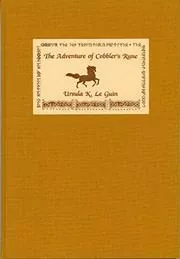
Solomon Leviathan's Nine-Hundred and Thirty-First Trip Around the World
by Ursula K Le Guin
1983Adventures In Kroy, Book 2
Adventures In Kroy books in chronological order
Solomon Leviathan's Nine-Hundred and Thirty-First Trip Around the World
by Ursula K Le Guin
1983Adventures In Kroy, Book 2
Annals Of The Western Shore books in order
Explore this seriesUnreal and The Real books in order
Explore this seriesUnreal and The Real books in chronological order
Ursula K Le Guin collections, short stories, and related book types
Short Stories/Novellas

Solomon Leviathan's Nine-Hundred and Thirty-First Trip Around the World
by Ursula K Le Guin
1983Adventures In Kroy, Book 2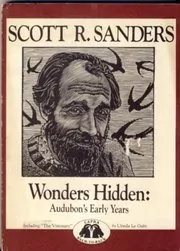


%20-%20Ursula%20K%20Le%20Guin.jpg)


%20-%20Ursula%20K%20Le%20Guin.jpg)


Short Story Collections
Non-Fiction
About Writing Non-Fiction
Picture Books
Standalone Ursula K Le Guin books
Author bio
Ursula K Le Guin was born in Berkeley, California, in 1929, and she grew up in a household where stories, ideas, and argument were part of everyday life. Her father, Alfred Kroeber, was an anthropologist at the University of California, Berkeley. Her mother, Theodora Kroeber, became a writer. During the school year Ursula lived in Berkeley, and in the summers the family went to an old ranch in Napa Valley. She later said those long, quiet summers mattered a great deal to her.
She started writing almost as soon as she learned how.
As a child she read constantly, loved languages, and listened closely. Visitors to the family home included scholars, writers, and Native Californian friends of her father, so she grew up hearing very different kinds of stories and ways of seeing the world. That mix stayed with her. Even when her books went to invented planets or dragon-haunted islands, they kept asking real questions about culture, power, belonging, and how people learn to live with one another.
She studied at Radcliffe College and then did graduate work at Columbia, focusing on French and Italian literature. In 1953, while traveling to France, she met the historian Charles Le Guin. They married in Paris that same year. After a few moves they settled in Portland, Oregon, where they raised three children. For years she wrote while managing family life, and she was open about how hard that balance could be. She was also clear that her husband's support made a real difference.
Portland became home.
Her first professional story, April in Paris, appeared in 1962. Her first published novel, Rocannon's World, followed in 1966. Then came the books that changed her career and, really, the field around her. A Wizard of Earthsea gave fantasy readers a young wizard, Ged, whose greatest struggle was not with a dark lord but with the shadow he had unleashed himself. The Left Hand of Darkness used a mission to an icy planet to ask hard questions about gender and loyalty. The Dispossessed turned a story about two worlds into a searching look at freedom, work, and revolution.
Readers often come to Le Guin for the ideas, but they stay for the feeling of the worlds. The Tombs of Atuan is as much about fear, identity, and freedom as it is about magic. The Lathe of Heaven takes a wild science fiction premise, dreams that change reality, and makes it human and unsettling. Catwings, written for younger readers, shows another side of her altogether, warm, funny, and quietly fierce about safety, kindness, and home.
Across her work, certain things keep returning. Language matters. Names matter. So do balance, responsibility, and the danger of trying to rule other people for their own good. Her science fiction often feels anthropological, which makes sense given her background. Her fantasy is usually less interested in winning battles than in growing up, giving up power, telling the truth, or learning how much you still don't know.
In her later years she published essays, talks, blog posts, translations, and more poetry, and she became an even sharper public voice on art, publishing, and freedom. In 2014 she received the National Book Foundation Medal for Distinguished Contribution to American Letters. She died at her home in Portland in January 2018. By then she had spent decades showing readers that imagined worlds are one of the best ways to think clearly about the real one.

Edited by
Software engineer whose passion for tracking book recommendations from podcasts inspired the creation of MRB.
Lead investor at 3one4 Capital whose startup expertise and love for books helped shape MRB and its growth.
Comments
Did we miss something? Have feedback?
Help us improve this page by sharing your thoughts