
Doris Lessing's Collected African Stories Books in Order
Part ofDoris Lessing Books in OrderExplore Doris Lessing's Collected African Stories in order, with contents for each volume, background on their Rhodesian settings, and help choosing where to start with her powerful, landscape driven short fiction.
Last updated:
As an Amazon Associate, we earn from qualifying purchases (at no extra cost to you).
Doris Lessing's Collected African Stories books in publication order
2 books
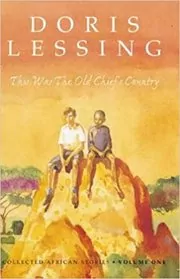
This Was the Old Chief's Country
by Doris Lessing
1952
Lessing's early African stories, collected here, depict white farmers, African chiefs, servants, and drifters in Southern Rhodesia. Through children, lonely wives, and stubborn old men she shows a land of fierce beauty and a society fraying under the pressures of race and power.
Recommended by
1 person Christopher Hitchens recommended this book
Christopher Hitchens
"[Combines] the sad indistinctness of a melancholy memoir with the very exact realization that a huge injustice had been done to the 'native' inhabitants of the land." - Christopher Hitchens
Christopher Hitchens's recommendation of this book

The Sun Between Their Feet
by Doris Lessing
1989
The second volume of Collected African Stories gathers later tales of Rhodesian farms, towns, and villages. From locust swarms and drought to moments of stubborn tenderness, Lessing portrays people marked by the landscape and by the unresolved tensions of colonial rule.
Doris Lessing's Collected African Stories books in chronological order
Series background & context
Doris Lessing's Collected African Stories gathers the short fiction she wrote out of her years in Southern Rhodesia. The two volumes, This Was the Old Chief's Country and The Sun Between Their Feet, can be read separately but together form a wide, unsentimental portrait of white settler life, African communities, and the land both groups share.
Many of the stories are set on small farms carved out of dry bush. Poor white families struggle with debt and failed crops, clinging to a sense of racial superiority even as they are barely managing themselves. Black workers move through these farms and nearby towns with their own loyalties, histories, and angers, often invisible to the settlers until conflict erupts.
In pieces like "The Old Chief Mshlanga" and "No Witchcraft for Sale" Lessing writes about children who gradually see the contradictions in the world around them: a white girl who comes to understand that the African chief she has been taught to dismiss is a figure of dignity, or a boy whose family's servant knows a life saving remedy but refuses to let it be taken and exploited. Other stories follow lonely farmer's wives, drifting visitors from Europe, and young men whose bravado masks fear.
The second volume continues these themes and deepens them. The title story "The Sun Between Their Feet" shows two rock hyraxes determinedly teaching their young to climb a steep cliff, watched by humans who are at once amused and moved. Elsewhere locust storms strip fields bare, ants swarm over carcasses in minutes, and years of drought or sudden floods make clear how small human plans are beside the climate.
What links the African Stories is Lessing's refusal to sentimentalise anyone. She shows racism and cruelty, but also ordinary affection and mutual dependence. She is attentive to gesture and landscape: the glare of the sun on dust, the sound of insects at night, the way a veranda can be both refuge and stage.
For readers interested in where Lessing's writing began, these volumes are a crucial starting point. They contain the seeds of many later concerns, from political power and resistance to the complicated bonds between mothers and children, all set against a vivid, exact sense of place.








Edited by
Software engineer whose passion for tracking book recommendations from podcasts inspired the creation of MRB.
Lead investor at 3one4 Capital whose startup expertise and love for books helped shape MRB and its growth.
Comments
Did we miss something? Have feedback?
Help us improve this page by sharing your thoughts