
Doris Lessing Books in Order
Explore Doris Lessing's books in order with reading lists, series overviews, short summaries, and clear suggestions on the best places to start with her novels, stories, memoirs, and essays.
Last updated:
As an Amazon Associate, we earn from qualifying purchases (at no extra cost to you).
Doris Lessing books in publication order
68 books
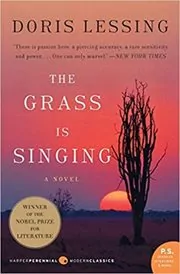
The Grass Is Singing
by Doris Lessing
1950
Set in 1940s Southern Rhodesia, this first novel opens with the murder of a white farmer's wife by her Black houseboy. Lessing then unwinds the story of Mary and Dick Turner, their failing farm, and Mary's mental unravelling in a society built on racial violence.
Recommended by
1 person Christopher Hitchens recommended this book
Christopher Hitchens
"[Combines] the sad indistinctness of a melancholy memoir with the very exact realization that a huge injustice had been done to the 'native' inhabitants of the land." - Christopher Hitchens
Christopher Hitchens's recommendation of this book
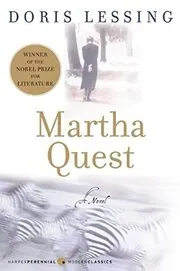
Martha Quest
by Doris Lessing
1952
Fifteen year old Martha lives on a failing farm in colonial Southern Rhodesia, devouring books and despising the narrowness of white society. Her move to town, office work, dances, and first affairs mark the beginning of a long struggle to define freedom for herself.
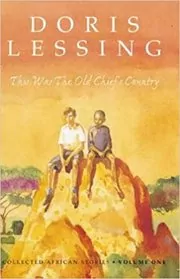
This Was the Old Chief's Country
by Doris Lessing
1952
Lessing's early African stories, collected here, depict white farmers, African chiefs, servants, and drifters in Southern Rhodesia. Through children, lonely wives, and stubborn old men she shows a land of fierce beauty and a society fraying under the pressures of race and power.
Recommended by
1 person- Christopher Hitchens recommended this book
Christopher Hitchens
"[Combines] the sad indistinctness of a melancholy memoir with the very exact realization that a huge injustice had been done to the 'native' inhabitants of the land." - Christopher Hitchens
Christopher Hitchens's recommendation of this book
A Proper Marriage
by Doris Lessing
1954
Martha Quest tumbles into marriage and motherhood just as war and politics are reshaping her world. This second Children of Violence novel charts her resentment at domestic confinement, her uneasy role as a "proper" wife, and the growing sense that her life is being lived for her.

Five
by Doris Lessing
1954
This collection of five short novels ranges across African farms, European cities, and strained marriages. Each piece offers a concentrated portrait of people under pressure, from young idealists to disappointed adults, showing Lessing's early command of structure and moral nuance.

Retreat to Innocence
by Doris Lessing
1956
A young Englishwoman, Julia, falls under the spell of Jan Brod, an older idealistic communist from Eastern Europe. Their affair becomes a clash between political fervour and comfortable apathy, exposing generational divides and the temptations of retreating from difficult truths.
Going Home
by Doris Lessing
1957
In this candid memoir of a return visit to Southern Rhodesia in the 1950s, Lessing revisits the farm where she grew up and the segregated society she left. She records conversations, landscapes, and political currents with a cool eye and complicated affection.

The Habit of Loving
by Doris Lessing
1957
Stories in this volume explore love in many guises: between parents and children, long term partners, casual lovers, and strangers thrown together. Set in both Africa and Europe, they trace the habits, compromises, and small rebellions that shape intimate lives.
A Ripple from the Storm
by Doris Lessing
1958
Back in the Central African town of her youth, Martha joins a small communist group during the Second World War. Meetings, leaflets, and quarrels consume the members as Lessing dissects the hopes, self deceptions, and power struggles inside a tiny revolutionary cell.

To Room Nineteen
by Doris Lessing
1958
In this long story, Susan Rawlings seems to have everything a sensible middle class woman should want: husband, children, house. As a nameless unease deepens, she begins secretly renting a hotel room, Room Nineteen, seeking solitude that slowly edges toward self destruction.

Fourteen Poems
by Doris Lessing
1959
A slim volume of verse that offers another side of Lessing's voice. The poems touch on love, politics, memory, and the African landscapes of her youth, using plain, direct language rather than elaborate lyricism.
In Pursuit Of The English
by Doris Lessing
1960
Subtitled a documentary, this book draws on Lessing's early years in postwar London. Living in boarding houses and shared flats, she observes arguments, class anxieties, and fragile solidarities among people trying to build lives in a bombed, rationed city.
The Golden Notebook
by Doris Lessing
1962
Writer Anna Wulf keeps four coloured notebooks to separate her political work, personal life, memories of Africa, and a fictionalised self. As they fracture and then converge, the novel charts breakdown and reintegration, and questions how a woman can live honestly in a divided world.
A Man and Two Women
by Doris Lessing
1963
This collection gathers stories set in both Africa and England, focusing on marriages, affairs, and uneasy friendships. Lessing writes with cool clarity about desire, resentment, and the small shifts of power that shape relationships between men and women.
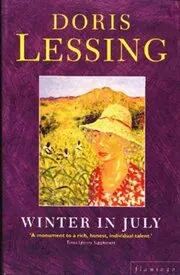
Winter in July
by Doris Lessing
1964
A book of stories, many drawn from African settings, in which characters test the boundaries of conventional marriage, respectability, and belonging. Lessing juxtaposes stark landscapes with emotional restlessness, often tracing how brief encounters leave lasting marks.

African Stories
by Doris Lessing
1965
An earlier omnibus of Lessing's African fiction, this collection gathers many of her best known stories set in Southern Rhodesia. It includes tales of white farmers, Black workers, children growing into awareness, and the fierce, indifferent countryside that surrounds them.

Nine African Stories
by Doris Lessing
1965
Selected from her larger African collections, these nine stories offer a concentrated introduction to Lessing's colonial settings. They show everyday racism, small acts of courage, and the uneasy fascination the land exerts on those who have tried to conquer it.
The Black Madonna
by Doris Lessing
1966
In these stories Lessing examines race, class, and belief in colonial and postwar settings. The title piece, about a controversial painting of a Black Madonna, typifies her interest in collisions between sentimental liberalism, entrenched prejudice, and the stubborn reality of other people's lives.
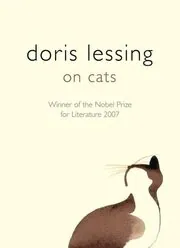
On Cats
by Doris Lessing
1967
Bringing together Particularly Cats, Rufus the Survivor, and The Old Age of El Magnifico, this volume traces a lifetime of living with cats. Lessing writes vividly about semi feral farm cats, London companions, and the strange, intimate communication that grows between species.
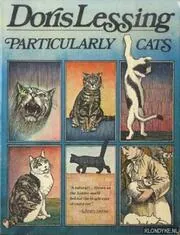
Particularly Cats
by Doris Lessing
1967
Part memoir, part story collection, this small book chronicles the many cats in Lessing's life, from semi feral farm creatures in Africa to demanding London housemates. Her sharp, unsentimental observations capture feline personalities and the odd, deep bond between humans and cats.
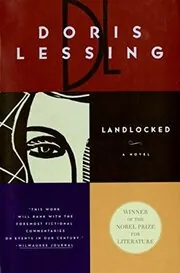
Landlocked
by Doris Lessing
1969
Set in a landlocked Central African colony after the war, this fourth Children of Violence novel finds Martha suspended between political engagement and private disillusion. The changing country, stalled marriage, and uneasy white community mirror her own sense of being trapped.
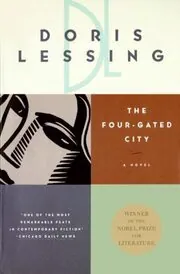
The Four-Gated City
by Doris Lessing
1969
Martha Quest arrives in postwar London and becomes entangled with the Coldridge family, Cold War politics, and the early peace movement. The final Children of Violence volume slowly shifts into a speculative future, blending social history, psychological exploration, and apocalyptic vision.
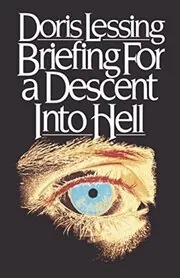
Briefing for a Descent Into Hell
by Doris Lessing
1971
Found wandering London with no memory, classics professor Charles Watkins is confined to a psychiatric hospital. Inside his mind he undertakes vast sea voyages and cosmic journeys, while doctors debate drugs and diagnosis. The novel questions what counts as sanity and who gets to decide.

The Temptation of Jack Orkney
by Doris Lessing
1972
This collection, subtitled and other stories, focuses largely on postwar London lives. The title story follows a long time socialist activist confronting age, disillusion, and a strange, almost mystical experience, while other pieces explore family rifts, illness, and late awakenings.
The Summer Before the Dark
by Doris Lessing
1973
With her children grown and her husband travelling, forty five year old Kate Brown steps out of her carefully managed suburban life. A summer of interpreting work, affairs, and illness forces her to confront aging, desire, and the difference between the woman she is and the roles she performs.
A Small Personal Voice
by Doris Lessing
1974
A collection of essays, lectures, and interviews in which Lessing reflects on writing, politics, and responsibility. She talks about being a "humanist" writer, the pressures of ideology, and why stories still matter in a violent, rapidly changing world.
The Memoirs of a Survivor
by Doris Lessing
1974
In a near future city sliding into collapse, a middle aged woman unexpectedly becomes guardian to a teenage girl, Emily. As gangs roam outside, a mysterious wall in her flat opens onto another reality. The book blends dystopian realism with dreamlike voyages into memory and possibility.

Stories
by Doris Lessing
1978
A substantial selection of Lessing's short fiction drawn from across her career. African tales, London sketches, and experimental pieces sit side by side, offering a broad survey of how her concerns and methods evolved over time.
Re: Colonised Planet 5, Shikasta
by Doris Lessing
1979
Presented as reports and documents from a galactic civil service, this novel recounts Earth's history as a failed Canopean colony called Shikasta. Through cosmic case files and one agent's fieldwork, Lessing reframes war, empire, and spiritual collapse on a planetary scale.

The Story of a Non-Marrying Man
by Doris Lessing
1979
These stories, written in the late 1960s and early 70s, look at changing sexual mores, political activism, and the pull of solitude. The title piece follows a man determined to avoid marriage and the compromises it demands, with results that are at once comic and sad.
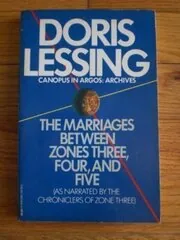
The Marriages Between Zones Three, Four, and Five
by Doris Lessing
1980
In a symbolic landscape of "Zones" encircling Earth, a serene matriarchal realm is ordered to unite with a harsher, warlike neighbour. The enforced marriage between Al Ith and Ben Ata becomes a fable about gender, power, and the painful work of real understanding.
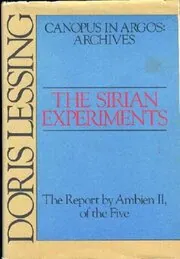
The Sirian Experiments
by Doris Lessing
1980
Told by Ambien II, a high ranking official from the Sirian Empire, this novel revisits Earth's history from a rival power's viewpoint. It examines colonial arrogance, bureaucratic blindness, and the uneasy awakening of conscience when entire worlds are treated as experiments.
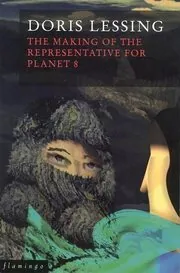
The Making of the Representative for Planet 8
by Doris Lessing
1982
On Planet 8, a peaceful world guided by Canopus, people are ordered to build a vast wall against an oncoming ice age. As temperatures plunge and hope of rescue fades, their leaders struggle to hold the community together and to find meaning in collective extinction.
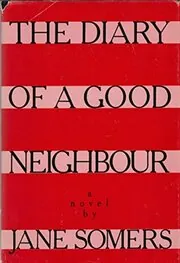
The Diary of Good Neighbour
by Doris Lessing
1983
Written under the name Jane Somers, this diary follows a fashionable magazine editor whose life shifts when she befriends Maudie, a fiercely independent, impoverished nonagenarian. Day by day, visits, errands, and hospital corridors reveal the cost of old age and social invisibility.
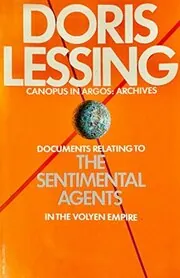
The Sentimental Agents in the Volyen Empire
by Doris Lessing
1983
Set on a minor, unstable empire at the edge of the galaxy, this satirical novel follows Canopean observers watching politics crumble under the sway of overheated rhetoric. Speeches themselves become a kind of disease, warping thought and turning revolution into empty performance.
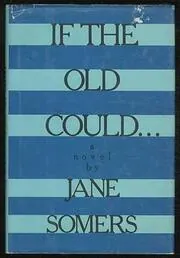
If the Old Could...
by Doris Lessing
1984
In this companion to The Diary of a Good Neighbour, Jane Somers is drawn into the crisis of her troubled teenage niece Kate. Balancing work, grief, and caregiving, she confronts the gulf between generations and the limits of what one person can do for another.
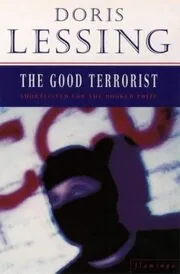
The Good Terrorist
by Doris Lessing
1985
Alice Mellings, an earnest drifter in 1980s London, mothers a shabby squat of would be revolutionaries, coaxing the council and neighbours while others plot. When the group decides to build a bomb, her talent for domestic order collides with the brutal logic of political violence.
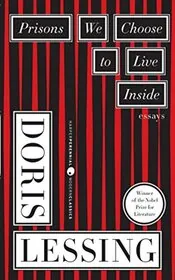
Prisons We Choose to Live Inside
by Doris Lessing
1986
Based on a series of talks, these brief essays explore how group thinking, nationalism, and propaganda shape behaviour. Lessing urges readers to notice the mental "prisons" they enter willingly and to cultivate scepticism about comforting collective myths.
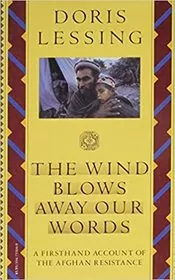
The Wind Blows Away Our Words
by Doris Lessing
1987
This short work of reportage grows out of Lessing's visit to Afghan fighters and refugees based in Pakistan during the Soviet occupation. She weaves interviews, observations, and commentary into a sharp reflection on war, propaganda, and the ease of international indifference.
Recommended by
1 person- Christopher Hitchens recommended this book
Christopher Hitchens
"Somewhat too romantic an account of the rebels fighting the Red Army in Afghanistan." - Christopher Hitchens
Christopher Hitchens's recommendation of this book
The Fifth Child
by Doris Lessing
1988
Harriet and David Lovatt dream of a large, happy family in 1960s England, until the arrival of their fifth child, Ben, shatters the household. Part domestic novel and part modern horror tale, it probes fear, otherness, and the limits of parental love.
The Sun Between Their Feet
by Doris Lessing
1989
The second volume of Collected African Stories gathers later tales of Rhodesian farms, towns, and villages. From locust swarms and drought to moments of stubborn tenderness, Lessing portrays people marked by the landscape and by the unresolved tensions of colonial rule.

Through the Tunnel
by Doris Lessing
1989
In this classic coming of age story, a boy on holiday becomes obsessed with swimming through an underwater tunnel used by older local boys. His secret, dangerous training culminates in a solitary test of endurance that quietly alters his relationship with his mother.

The Doris Lessing Reader
by Doris Lessing
1991
Chosen by Lessing herself, this reader brings together extracts from novels, complete stories, and nonfiction pieces. It is designed to showcase the range of her work, from African fiction and Martha Quest to later speculative writing and autobiographical essays.

The Real Thing / London Observed
by Doris Lessing
1991
Eighteen stories and sketches about London life, from hospital wards and taxi rides to shabby flats and country houses. Lessing captures small, telling moments in the city, revealing how ordinary encounters carry buried loneliness, desire, resentment, and occasional grace.
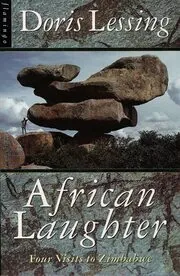
African Laughter
by Doris Lessing
1992
Subtitled Four Visits to Zimbabwe, this memoir records trips Lessing made to the country where she grew up after independence. Moving between city streets, rural villages, and old haunts, she charts hope, corruption, resilience, and her own complicated sense of homecoming.
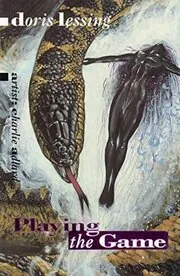
Playing The Game
by Doris Lessing
1994
This speculative tale, told in graphic form in some editions, follows Joe, a young man from a grim estate, whose fierce belief in himself attracts the enigmatic Francesca Bird. Together they enter a mysterious "game" that promises escape from poverty but blurs ambition and illusion.
Under My Skin
by Doris Lessing
1994
The first volume of Lessing's autobiography covers her life from birth in 1919 to her departure for London in 1949. She writes with unsparing detail about her parents, childhood on a Rhodesian farm, early marriages, politics, and the decision to become a writer.
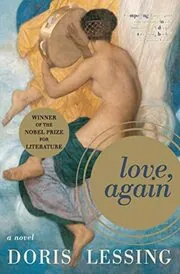
Love, Again
by Doris Lessing
1995
At sixty five, theatre administrator and sometime playwright Sarah Durham expects emotional calm. Working on a musical about a tragic Caribbean composer, she finds herself overwhelmed by renewed desire for a young actor and the production's married director, forcing her to rethink love and age.

Spies I Have Known
by Doris Lessing
1995
A school edition built around the story "Spies I Have Known" and other pieces, this volume introduces younger readers to Lessing's African fiction. The title story quietly exposes the racism and paranoia of white settlers through the eyes of a child.

Play With A Tiger
by Doris Lessing
1996
Set in a London bedsit over the course of one night, this stage play follows Anna Freeman as she sparrs with past and present lovers, would be suitors, and friends. Their talk circles freedom, security, and the price women pay for refusing conventional roles.
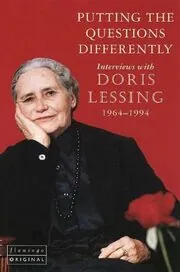
Putting the Questions Differently
by Doris Lessing
1996
This collection of interviews spans several decades of Lessing's career. In conversations with critics and journalists she discusses communism, feminism, Sufism, her major books, and the ways public labels have both helped and distorted readers' sense of her work.
Walking in the Shade
by Doris Lessing
1997
Volume two of Lessing's autobiography follows her from 1949 to 1962. It covers early London years, love affairs, party politics, psychotherapy, and the writing of key novels, offering a brisk, often caustic view of literary and political circles in postwar Britain.
Mara and Dann
by Doris Lessing
1999
Thousands of years in the future, after ice and drought have reshaped Earth, orphaned siblings Mara and Dann trek north across the parched continent of Ifrik in search of water and safety. Their journey becomes a fierce adventure and a parable about survival and memory.

Problems, Myths and Stories
by Doris Lessing
1999
Expanded from a talk for the Institute for Cultural Research, this small book muses on the deep history of storytelling. Lessing considers how myths travel between cultures, how tales once taught the young, and what we lose when stories are treated only as entertainment.
Ben, In the World: The Sequel to the Fifth Child
by Doris Lessing
2000
Now a young man, Ben Lovatt drifts through boarding houses, criminal schemes, film projects, and scientific tests in a world that finds him both fascinating and repellent. This bleak, compulsive sequel follows his search for belonging and the repeated betrayals he endures.
Doris Lessing
by Doris Lessing
2000
A compact reader about Doris Lessing's life and work, this volume surveys her major novels, recurring themes, and critical reception. It serves as an accessible introduction for students and general readers wanting a concise guide to her career.
Old Age of El Magnifico
by Doris Lessing
2000
A companion piece to Particularly Cats, this novella follows El Magnifico, an imperious tomcat growing frail, and the woman who cares for him. Lessing uses his decline to meditate quietly on loyalty, responsibility, and what it means to watch a beloved creature age.
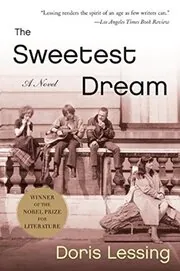
The Sweetest Dream
by Doris Lessing
2001
Centred on Frances Lennox and her chaotic London household in the 1960s, this novel tracks idealistic students, ex husbands, and African revolutionaries over decades. It moves from a North London kitchen table to a struggling fictional African nation, testing the promises of liberation and the weight of compromise.

Adore
by Doris Lessing
2003
Originally published as part of The Grandmothers, this novella follows two lifelong friends in an Australian seaside town who each begin affairs with the other's teenage son. The tangled relationships test ideas of motherhood, desire, and the stories people tell to justify what they do.

The Grandmothers
by Doris Lessing
2003
Four novellas explore desire, power, and memory. The best known, "The Grandmothers," centres on two women who become lovers to each other's sons, while other pieces follow a mixed race girl visiting wealthy relatives, a young man haunted by childhood, and a writer confronting her past.
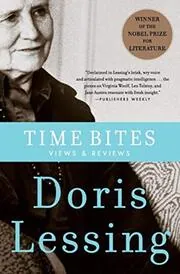
Time Bites
by Doris Lessing
2004
Subtitled Views and Reviews, this book gathers essays, book reviews, and occasional pieces written over three decades. Lessing ranges across literature, politics, history, and ageing, bringing a direct, conversational tone and a lifelong reader's curiosity to each subject.
The Story of General Dann and Mara's Daughter, Griot and the Snow Dog
by Doris Lessing
2005
In a colder, more flooded phase of the future, Dann is a reluctant general haunted by loss. With Mara's daughter, the loyal soldier Griot, and a white "snow dog" at his side, he struggles to lead refugees and salvage knowledge from a crumbling civilisation.
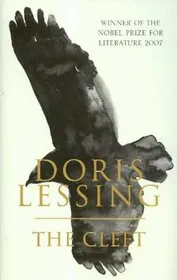
The Cleft
by Doris Lessing
2007
Narrated by a Roman senator, this speculative myth tells of an ancient coastal people made up only of women, the Clefts, who reproduce without men. When "monstrous" male infants begin to appear, fear, violence, and eventually uneasy cooperation reshape the origins of humanity.
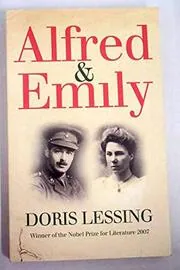
Alfred and Emily
by Doris Lessing
2008
Half invented, half documentary, this book reimagines how Lessing's parents' lives might have unfolded without the First World War, then sets that against the harsher reality they actually lived in Persia and Rhodesia. It is both family portrait and reflection on how war distorts ordinary lives.

An Old Woman and Her Cat
by Doris Lessing
2013
An elderly woman living on the margins of a city takes in a fierce, half wild cat. Their wary companionship, played out against rubbish tips and derelict buildings, becomes a stark little study in loyalty, poverty, and the thin line between survival and collapse.
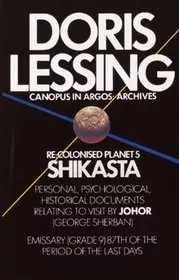
Shikasta
by Doris Lessing
An emissary from Canopus reports on Earth's decline under a rival empire's influence. Through his records, the planet's history becomes an account of war, ecological devastation, and a struggle to save humanity from its own destruction.
Recommended by
1 person Adam Savage recommended this book
Adam Savage
"A field report on Earth." - Adam Savage
Adam Savage's recommendation of this book
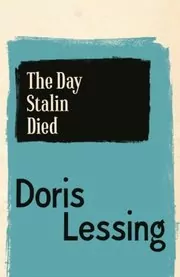
The Day Stalin Died
by Doris Lessing
On the day Stalin dies, a London writer accompanies her cousin to a photography appointment intended to launch a television career. Family ambitions and encounters with politically divided acquaintances reveal how ideology intrudes on ordinary personal relationships.
Recommended by
1 person- Christopher Hitchens recommended this book
Christopher Hitchens
"[Deserves] reprinting in any anthology of the prose of the 20th century." - Christopher Hitchens
Christopher Hitchens's recommendation of this book
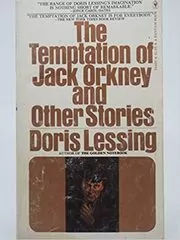
The Temptation of Jack Orkney
by Doris Lessing
This story collection ranges from troubled relationships and urban isolation to imaginative accounts of threatened societies. Its title novella follows a middle-aged man whose father's approaching death unsettles his political convictions and understanding of his own mortality.
Recommended by
1 person- Christopher Hitchens recommended this book
Christopher Hitchens
"[This story] was so good, and [it] seemed so much to know what I might be thinking myself, that I was almost afraid to read on." - Christopher Hitchens
Christopher Hitchens's recommendation of this book
Where to start with Doris Lessing
If you want a classic starting point: The Grass Is Singing → The Golden Notebook.
If you like following one character over time: Martha Quest → A Proper Marriage → A Ripple from the Storm → Landlocked → The Four-Gated City.
If you are curious about her space fiction: Re: Colonised Planet 5, Shikasta → The Marriages Between Zones Three, Four, and Five → The Sirian Experiments.
If you want far future adventures: Mara and Dann → The Story of General Dann and Mara's Daughter, Griot and the Snow Dog.
If you prefer memoirs and essays: Under My Skin → Walking in the Shade → Time Bites.
Doris Lessing sub-series and character series
Children of Violence books in order
Explore this seriesChildren of Violence books in chronological order
Doris Lessing's Collected African Stories books in order
Explore this seriesDoris Lessing's Collected African Stories books in chronological order
Mara and Dann books in order
Explore this series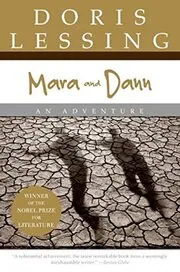
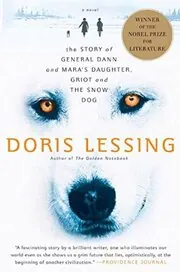
The Story of General Dann and Mara's Daughter, Griot and the Snow Dog
by Doris Lessing
2005Mara and Dann, Book 2
Mara and Dann books in chronological order
The Story of General Dann and Mara's Daughter, Griot and the Snow Dog
by Doris Lessing
2005Mara and Dann, Book 2
The Diaries of Jane Somers books in order
Explore this seriesThe Diaries of Jane Somers books in chronological order
Doris Lessing collections, short stories, and related book types
Short Stories/Novellas
Collections
Non-Fiction
Standalone Doris Lessing books
Author bio
Doris Lessing was born Doris May Tayler in 1919 in Kermanshah, in what was then Persia and is now Iran. Her British parents had survived the First World War with scars that shaped the family for decades, and her early memories mix the smell of horses, desert markets, and her father's wooden leg.
When she was six the family moved to a struggling farm in Southern Rhodesia, now Zimbabwe. The land was beautiful and harsh at the same time. Lessing went to a convent school and then a girls' school in Salisbury, but left formal education in her early teens. She read constantly instead, pulling books from whatever libraries and parcels she could find, and began selling short pieces to magazines while working as a nursemaid, telephonist, and office worker.
She grew up in a deeply segregated colonial society and never forgot it. The gap between white settlers and Black Africans, and the way ordinary people were trapped inside that system, would become one of the main currents in her fiction.
In her twenties Lessing married a civil servant, Frank Wisdom, and had two children. The marriage did not last. She became involved with left wing reading groups and the local Labour Party, then married again, this time to Gottfried Lessing, a refugee and committed communist. They had a son, Peter, and threw themselves into political talk, pamphlets, and meetings even as the farm economy around them faltered.
By 1949 she had decided that if she was going to make a life as a writer she had to leave. She moved to London with her youngest child, leaving her two older children with their father, a decision she later described frankly as both necessary and painful. In London she lived in rented rooms, wrote whenever she could, and within a year published her first novel, The Grass Is Singing, a stark story of a white farmer's wife and the Black houseboy who is accused of killing her.
During the 1950s and 60s she wrote the five Children of Violence novels, following Martha Quest from a Rhodesian farm to a transformed, ruined London. In 1962 she published The Golden Notebook, an experimental novel about a blocked writer, political disillusion, and mental breakdown. The book was seized on by feminist readers, even as Lessing herself pushed back against being turned into a symbol, preferring to talk about people rather than movements.
Her politics ran through everything she did. She joined the British Communist Party in the 1950s and left it after the Soviet invasion of Hungary in 1956. She spoke out against apartheid and minority rule in southern Africa and was banned for many years from both South Africa and Rhodesia. Later she turned her attention to other conflicts and to the way large groups can be swept along by stories and slogans.
From the late 1970s she surprised many readers by moving into what she called "space fiction". The five Canopus in Argos novels, starting with Re: Colonised Planet 5, Shikasta, use galactic empires and long spans of time to think about power, responsibility, and spiritual growth. Other books, such as The Memoirs of a Survivor, Mara and Dann, and its sequel, imagine futures shaped by environmental collapse and social change, while staying close to the inner lives of a few people.
Alongside the novels she kept publishing short stories, essays, and two volumes of autobiography, Under My Skin and Walking in the Shade, as well as several books about cats. In 2007 she received the Nobel Prize in Literature, having already spent more than half a century refusing to sit neatly in any single category.
Lessing died in London in 2013 at the age of 94. The arc of her life runs from a colonial farm with no electricity to a small house in a modern city lined with her own books. Across that distance she kept asking how history shapes private lives, what freedom might look like, and what it costs to see clearly.


Edited by
Software engineer whose passion for tracking book recommendations from podcasts inspired the creation of MRB.
Lead investor at 3one4 Capital whose startup expertise and love for books helped shape MRB and its growth.
Comments
Did we miss something? Have feedback?
Help us improve this page by sharing your thoughts