
Dodo Trilogy Books in Order
Part ofEF Benson Books in OrderThis page lists the Dodo Trilogy by E.F. Benson in order, with short summaries, series background, and a simple guide to where to start.
Last updated:
As an Amazon Associate, we earn from qualifying purchases (at no extra cost to you).
Dodo Trilogy books in publication order
4 books
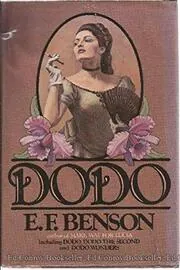
Dodo
by EF Benson
1893
Dodo bursts into late Victorian society with wit, vanity, and unstoppable energy. Benson uses her to satirize fashion, manners, and the thrill of being modern.
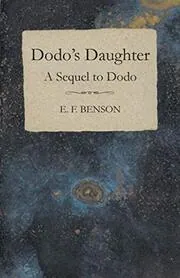
Dodo's Daughter
by EF Benson
1913
Published in Britain as Dodo the Second, this novel returns to Dodo's world through the next generation, where cleverness and self-display flourish again just before war.

Dodo the Second
by EF Benson
1914
A generation after Dodo, Benson returns to the same social world through younger people who inherit its wit, vanity, and restlessness on the eve of war.

Dodo Wonders
by EF Benson
1921
Dodo's world meets the strain of the First World War and its aftermath. Benson keeps the wit alive while showing how history changes even the most glittering circles.
Dodo Trilogy books in chronological order
Series background & context
The Dodo books begin with a heroine who refuses to sit quietly at the edge of the room. Dodo is witty, impulsive, fashionable, and always a little dangerous to the peace of anyone around her. Benson uses her not just as a comic lead, but as a way into late Victorian and early 20th century social life, where conversation is a sport, self-presentation is an art, and every dinner table carries the risk of minor disaster.
The first novel, Dodo, made Benson's name. It is a society book, but it moves with more bite than a simple manners comedy. Dodo dazzles and annoys in equal measure, and the people around her are forever trying to keep up, correct her, fall in love with her, or survive her latest mood. Benson is interested in style, pose, music, taste, and the strange freedoms that clever women could seize, or seem to seize, inside very restrictive worlds.
She is funny, difficult, and hard to ignore.
The trilogy then widens. The middle book was published in the United States as Dodo's Daughter and in Britain as Dodo the Second, which tells you something about Benson's angle. He returns to the same social world after time has passed and shifts the focus toward the next generation, while still keeping Dodo's force in the air. The result is not just more of the same, but a look at what gets inherited, charm, vanity, cleverness, restlessness, and what changes when the age changes.
That matters even more in Dodo Wonders. By then, the First World War and its aftermath have altered the texture of society. Benson still gives you wit, chatter, and absurdity, but history has arrived, and it cannot be laughed off entirely. The trilogy ends up covering more ground than you might expect from books that are often shelved as light social satire.
The settings are a big part of the appeal. London drawing rooms, Mayfair circles, country houses, weekend parties, and smart rural neighborhoods all give Benson space to watch how money, marriage, rank, and public opinion shape people. Under the surface sparkle, he keeps asking how adults reinvent themselves, how performance becomes habit, and what happens when brilliance starts to age.
So the trilogy works on two levels at once. On one level, it is deliciously sharp about fashionable society and the people who treat every interaction as a performance. On another, it is about time passing, generations shifting, and the limits of charm. If you want Benson before Lucia, but already fully alive to vanity, talk, and comic warfare, Dodo is the obvious door in.











Edited by
Software engineer whose passion for tracking book recommendations from podcasts inspired the creation of MRB.
Lead investor at 3one4 Capital whose startup expertise and love for books helped shape MRB and its growth.
Comments
Did we miss something? Have feedback?
Help us improve this page by sharing your thoughts