
The Mapp & Lucia Novels Books in Order
Part ofEF Benson Books in OrderThis page shows the Mapp and Lucia novels by E.F. Benson in order, with quick summaries, series background, and help choosing where to start.
Last updated:
As an Amazon Associate, we earn from qualifying purchases (at no extra cost to you).
The Mapp & Lucia Novels books in publication order
9 books
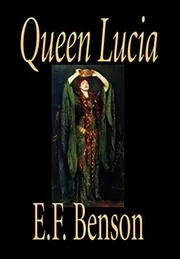
Queen Lucia
by EF Benson
1920
Lucia reigns over Riseholme as its self-appointed queen of culture, taste, and influence. Benson makes her absurd, formidable, and impossible not to watch.
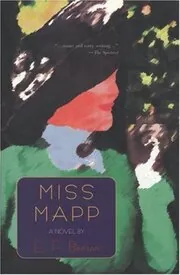
Miss Mapp
by EF Benson
1922
Miss Elizabeth Mapp rules Tilling from her window, her servants, and a thousand tiny calculations. Gossip, spying, and social feints drive this delicious village comedy.
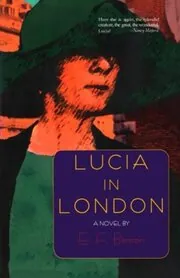
Lucia in London
by EF Benson
1927
A house in London tempts Lucia out of Riseholme and onto a larger stage. Benson enjoys every inch of her ambition and the chaos it creates.
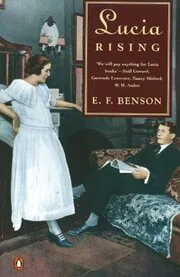
Lucia Rising
by EF Benson
1927
This omnibus collects Queen Lucia, Miss Mapp, and Lucia in London, charting the rise of Lucia before the Tilling wars fully begin.
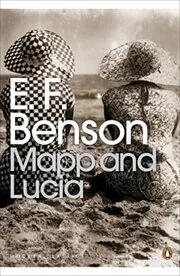
Mapp and Lucia
by EF Benson
1931
Lucia comes to Tilling and immediately collides with Miss Mapp, the town's reigning strategist. Their battle for social control is one of Benson's funniest setups.
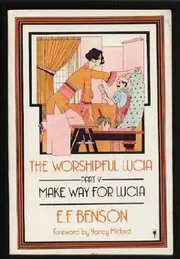
The Worshipful Lucia
by EF Benson
1935
Published in Britain as Lucia's Progress, this novel follows Lucia after her arrival in Tilling as rivalry, vanity, and local politics intensify.
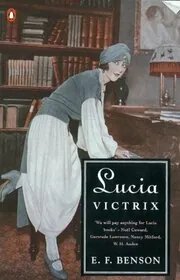
Lucia Victrix
by EF Benson
1939
This omnibus gathers the later Lucia books, where Lucia settles in Tilling and begins her long, glorious war with Miss Mapp.
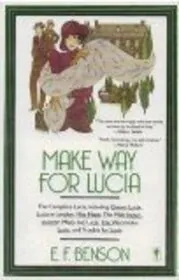
Make Way for Lucia
by EF Benson
1939
This one-volume collection brings together all six Lucia novels, letting readers follow the full run from Riseholme to Tilling in order.
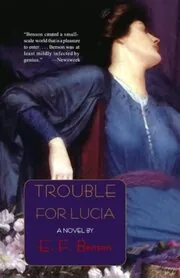
Trouble for Lucia
by EF Benson
1939
In the final Lucia novel, Benson gives Tilling fresh confusion, social danger, and a few real shocks beneath the comedy.
The Mapp & Lucia Novels books in chronological order
Series background & context
The Mapp and Lucia books are comedies of manners, but that phrase can make them sound quieter than they really are. These novels run on gossip, strategy, social panic, wounded pride, and the fierce need to stay on top in a very small world. Benson follows two unforgettable women, Emmeline Lucas, known as Lucia, and Miss Elizabeth Mapp, along with Lucia's loyal friend Georgie and a whole cast of watchful neighbors, rivals, and useful allies.
The series begins with Lucia in Riseholme, where she rules as the local authority on culture, taste, music, and almost anything else she cares to claim. She is absurd, controlling, energetic, and often very funny. Miss Mapp introduces a different queen bee in a different town. Mapp rules Tilling from her windows, her drawing room, and her ability to notice everything. She is less grand than Lucia, but much slyer on the ground.
No one in these books is ever just having a quiet afternoon.
Setting matters a lot here. Riseholme is full of provincial pretension, spiritual fashions, artistic ambitions, and people who half know they are being ridiculous. Tilling, based closely on Rye in East Sussex, is sharper and more enclosed, the perfect place for spying, rumor, tactical hospitality, and tiny acts of revenge. Streets, garden rooms, tea tables, and shopping expeditions become the terrain on which social wars are fought.
The great stroke of the series comes when Benson brings Lucia and Mapp together in Mapp and Lucia. Lucia arrives in Tilling, and the books become a duel. Neither woman can bear to be second. Neither fully understands how dangerous the other is. Georgie, meanwhile, provides wit, loyalty, and a certain soft elegance that keeps the whole thing buoyant even when tempers flare.
What carries the series is the scale of the stakes. Objectively, almost nothing is a catastrophe. Someone gives the wrong lunch. Someone captures a guest. Someone takes over a cultural event. Someone learns a secret first. But to these characters, such things matter as much as military campaigns, and Benson never cheats by pretending otherwise. That seriousness about triviality is what makes the comedy land.
The tone is dry, affectionate, and very exact. Benson knows these people are vain and ridiculous, but he also knows they are lonely, imaginative, frightened of slipping, and desperate to be admired. That is why the books are still so readable. They laugh at snobbery without flattening the characters into cartoons.
The series has been adapted for television more than once, which makes sense, because the books are intensely visual and full of recurring bits, set-piece encounters, and comic timing. But the real pleasure is on the page, where Benson's social observation does the work. If you want wit, village warfare, and some of the best petty rivalry in English fiction, this is the place to start.







Edited by
Software engineer whose passion for tracking book recommendations from podcasts inspired the creation of MRB.
Lead investor at 3one4 Capital whose startup expertise and love for books helped shape MRB and its growth.
Comments
Did we miss something? Have feedback?
Help us improve this page by sharing your thoughts