
District of Columbia Books in Order
Part ofJohn Dos Passos Books in OrderSee the District of Columbia books in order by John Dos Passos, with short summaries, trilogy background, and a quick guide to where this political saga starts.
Last updated:
As an Amazon Associate, we earn from qualifying purchases (at no extra cost to you).
District of Columbia books in publication order
3 books

Adventures of a Young Man
by John Dos Passos
1939
Glenn Spotswood wants justice and meaning, so he drifts toward the Communist Party and then the Spanish Civil War. His idealism collides with dogma, hypocrisy, and the brutal facts of politics.
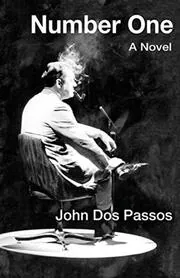
Number One
by John Dos Passos
1943
Tyler Spotswood helps a loud, ruthless Southern politician climb to the Senate, then finds himself trapped inside the machine he helped build. It is a sharp study of demagoguery, loyalty, and political rot.

The Grand Design
by John Dos Passos
1949
Set against the expanding federal bureaucracy of the Depression and World War II years, this novel attacks political theater and administrative power. Its real subject is what happens when public ideals harden into systems.
District of Columbia books in chronological order
Series background & context
District of Columbia is John Dos Passos's second major trilogy, made up of Adventures of a Young Man, Number One, and The Grand Design. If the earlier U.S.A. books try to catch the whole country in motion, this trio narrows the lens to politics, ideology, and the people who get used up by both. The books are connected by family ties, by a shared political climate, and by a deepening sense that American public life is turning into a machine.
The first novel, Adventures of a Young Man, follows Glenn Spotswood, an American idealist who wants a fairer world and is drawn toward the Communist Party. His search takes him into the charged politics of the 1930s and finally to Spain during the Civil War. What matters most here is not battlefield action for its own sake. Dos Passos is watching a decent, hopeful person discover how quickly slogans, party discipline, and revolutionary romance can harden into hypocrisy.
That loss of faith is the pulse of the whole trilogy.
In Number One, the center shifts from the young believer to the political operator. Tyler Spotswood, Glenn's brother, becomes campaign manager to Chuck Crawford, a loud, hungry Southern demagogue who claws his way toward the U.S. Senate. The novel is less about one election than about the habits that make such men possible: hero worship, cynicism, drink, fear, and the seduction of power. Dos Passos had studied Huey Long closely, and the book has the sour, lived-in feel of someone who has seen politics at close range.
By the time you reach The Grand Design, the action has moved deeper into Washington and the age of New Deal bureaucracy. Here the trilogy becomes a novel of offices, committees, public language, and hidden leverage. Dos Passos worries less about one villain than about a whole system that turns ideal talk into paperwork, hierarchy, and self-protection. Washington is not just backdrop. It is the place where decisions drift away from ordinary people and become abstractions with real consequences.
Across all three books, the tone is darker and more openly argumentative than in Dos Passos's earlier fiction. You still get his gift for sharp scenes, the feel of American speech, and his interest in how public events press on private lives. But the emotional center is disillusionment. The trilogy keeps asking what happens when a person wants justice, freedom, or simple decency and runs straight into parties, bosses, bureaucrats, and mass movements.
Read together, these novels form a long argument about the American century as it was being built. They move from Spanish battle lines to Southern backrooms to federal offices, but the question stays much the same: how does power change the people who chase it, and what happens to the people who trust it? If you like political fiction with bite, big historical weather, and no easy comfort, this is the Dos Passos trilogy to pick up after U.S.A..














Edited by
Software engineer whose passion for tracking book recommendations from podcasts inspired the creation of MRB.
Lead investor at 3one4 Capital whose startup expertise and love for books helped shape MRB and its growth.
Comments
Did we miss something? Have feedback?
Help us improve this page by sharing your thoughts