
Sherwood Anderson Books in Order
Browse Sherwood Anderson books in order, with short summaries, a clear biography, and tips on where to start with his stories, novels, and memoirs.
Last updated:
As an Amazon Associate, we earn from qualifying purchases (at no extra cost to you).
Sherwood Anderson books in publication order
47 books
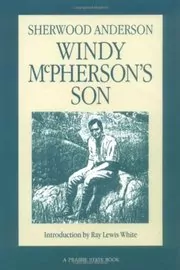
Windy McPherson's Son
by Sherwood Anderson
1916
Sam McPherson rises from ambitious Iowa newsboy, ashamed of his drunken father, to wealthy Chicago businessman. Success leaves him restless, and the novel follows his search for a fuller emotional life.
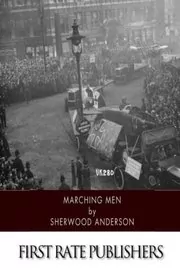
Marching Men
by Sherwood Anderson
1917
Norman McGregor, sick of drift and weakness in a mining town, heads to Chicago and imagines a new kind of worker solidarity. Anderson turns labor, order, and personal ambition into an uneasy social novel.

Mid American Chants
by Sherwood Anderson
1918
Anderson's first and only book of poems tries to sing the Midwest, its fields, towns, labor, and machinery. The long lines and loose rhythms sit somewhere between verse and prose.

Winesburg, Ohio
by Sherwood Anderson
1919
In linked stories centered on young reporter George Willard, Anderson maps the secret lives of a small Ohio town. The book is famous for its lonely dreamers, bottled desires, and plain, piercing language.

Poor White
by Sherwood Anderson
1920
Hugh McVey, a shy inventor from a poor Missouri river town, comes to Bidwell, Ohio and helps transform it into an industrial place. The novel tracks both his rise and the human cost of progress.

The Egg and Other Stories
by Sherwood Anderson
1921
A selection of Anderson's short fiction built around the title story and other sharp studies of longing, failure, and embarrassment. It is a strong place to sample his quieter, stranger side.

The Triumph of the Egg
by Sherwood Anderson
1921
This 1921 collection gathers stories and prose pieces about frustrated ambition, sex, family, and small American defeats. The title story remains one of Anderson's bleakest and funniest looks at failure.
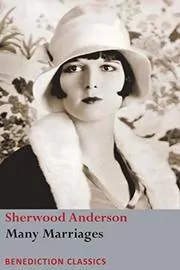
Many Marriages
by Sherwood Anderson
1922
John Webster is a prosperous Wisconsin manufacturer with a life that looks settled from the outside. Then a fierce inner awakening pushes him to question marriage, respectability, and what freedom might really mean.

Horses and Men
by Sherwood Anderson
1923
A 1923 collection of stories, plus a brief piece on Theodore Dreiser, about desire, bravado, and the odd performances people put on for one another. The range is wider and rougher than Winesburg, Ohio.
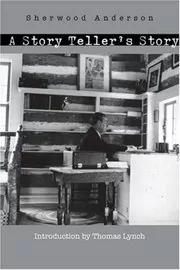
A Story Teller's Story
by Sherwood Anderson
1924
Part memoir, part wandering self-portrait, this book follows Anderson from Midwestern beginnings into the life of a writer. It is less a straight autobiography than a chain of memories, impressions, and arguments with himself.

Death in the Woods and Other Stories
by Sherwood Anderson
1924
Anderson's last major story collection brings together darker, later work about sex, memory, violence, and rural isolation. The best pieces are quiet on the surface and deeply unsettling underneath.
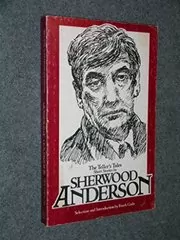
The Teller's Tales
by Sherwood Anderson
1924
A posthumous selection of Anderson's shorter prose, introduced by Frank Gado. It works well as a sampler of his conversational voice and his feel for the odd, private corners of American life.

A Meeting South
by Sherwood Anderson
1925
In New Orleans, a narrator spends time with a young Southern writer modeled on William Faulkner. More mood piece than plot machine, it catches the talk, uncertainty, and literary energy of the French Quarter.
Dark Laughter
by Sherwood Anderson
1926
Tired of his marriage and newspaper life, John Stockton remakes himself as Bruce Dudley and drifts south before landing in Indiana. There he chases freedom and desire, with New Orleans and small-town industry pressing against his dream of escape.
Sherwood Anderson's Notebook
by Sherwood Anderson
1926
A loose, personal mix of memoir, sketches, and reflections on writing and realism. It feels like Anderson thinking on the page, testing ideas as often as telling stories.
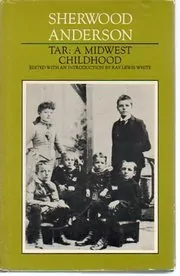
Tar
by Sherwood Anderson
1926
Semi-autobiographical and close to folktale, this book returns to an Ohio childhood shaped by family struggle and small-town life. Anderson keeps the plot light and the feeling close, watching a boy grow into awareness.

Alice and The Lost Novel
by Sherwood Anderson
1929
Two brief autobiographical pieces in which Anderson thinks about love, failure, and the strange work of making fiction. Small in size but intimate in feeling, it shows him turning artistic doubt into prose.

Hello Towns!
by Sherwood Anderson
1929
A collection of newspaper columns and editorials from Anderson's years in Virginia. He writes about small towns, local characters, and public life with curiosity, humor, and the eye of a novelist.

Nearer the Grass Roots
by Sherwood Anderson
1929
A slim book of essays that brings Anderson closer to everyday regional life and working people. It reads like a personal, sometimes political glance at the South he was learning to know.

Perhaps Women
by Sherwood Anderson
1931
In these essays, Anderson argues that modern society has gone wrong under male ideas of power, money, and machinery. The book is provocative, uneven, and revealing of his turn toward social criticism in the 1930s.
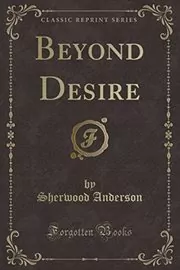
Beyond Desire
by Sherwood Anderson
1932
Set against Southern textile labor unrest, this novel follows Red Oliver as he drifts through mill towns looking for love, purpose, and a cause. Anderson mixes personal hunger with class conflict and the violence of the strike era.
No Swank
by Sherwood Anderson
1934
A collection of essays on writers, artists, boxing, and American manners. The title fits the tone, plainspoken, curious, and skeptical of pose.

Dreiser
by Sherwood Anderson
1936
A short tribute to Theodore Dreiser and the rough honesty Anderson admired in him. It is brief, but it says a lot about Anderson's own ideas of courage and realism.

Plays: Winesburg and Others
by Sherwood Anderson
1937
Anderson's work for the stage includes his dramatization of Winesburg, Ohio and several shorter plays. It is a useful look at how he tried to carry his inward, story-centered writing into theater.
Home Town
by Sherwood Anderson
1940
Paired with Farm Security Administration photographs, these essays celebrate and question small-town America on the eve of war. Anderson writes with affection, but he also notices poverty, habit, and the pressures of change.

San Francisco at Christmas
by Sherwood Anderson
1941
A brief seasonal essay that uses Christmas to think about belief, hardship, and human kindness. It reads more like a public meditation than a conventional story.

Selected Stories
by Sherwood Anderson
1945
A convenient anthology of Anderson's best-known short fiction, including small-town portraits and darker later tales. If you want the essentials without committing to the full collections, this is an easy entry point.

The Portable Sherwood Anderson
by Sherwood Anderson
1949
This large reader brings together fiction, essays, reportage, and letters from across Anderson's career. It is designed as a one-volume introduction to both the artist and the man.
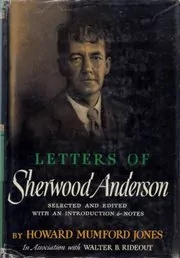
Letters of Sherwood Anderson
by Sherwood Anderson
1953
A broad selection of Anderson's correspondence, covering literary friendships, family life, and the daily business of writing. The letters show a restless, talkative mind at work.

Sherwood Anderson's Winesburg, Ohio
by Sherwood Anderson
1960
An edition centered on Anderson's classic cycle of linked small-town stories. George Willard's coming of age and the town's buried longings still give the book its pull.
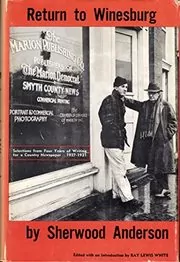
Return to Winesburg
by Sherwood Anderson
1967
This posthumous collection draws from Anderson's years writing for small Virginia newspapers. The pieces return him to local characters, country talk, and the small-town world that fed so much of his fiction.

Memoirs
by Sherwood Anderson
1969
Anderson's late autobiography looks back over his Ohio boyhood, literary fame, and complicated adult life. Less polished than his fiction, it is valuable for the self-portrait and the memories behind the books.
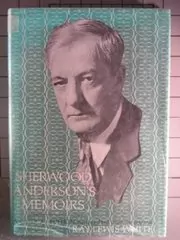
Sherwood Anderson's Memoirs
by Sherwood Anderson
1969
Anderson's long final autobiography, completed from manuscripts after his death. It revisits his childhood, marriages, writing life, and public career in a looser, more reflective late style.

Puzzled America
by Sherwood Anderson
1970
Anderson travels through the Depression-era United States, especially the South and Midwest, recording conversations and quick portraits. It is reportage with a novelist's ear for mood and a citizen's worry about the country.

The Buck Fever Papers
by Sherwood Anderson
1971
A posthumous gathering of Anderson's newspaper pieces from Virginia. The essays and columns catch local politics, rural life, and the sharp, sometimes playful voice he brought to weekly journalism.
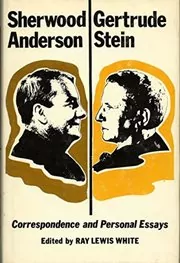
Sherwood Anderson/Gertrude Stein
by Sherwood Anderson
1972
Letters and essays trace one of Anderson's strangest literary friendships. The book shows affection, influence, misunderstanding, and two very different writers thinking about art.

Paul Rosenfeld, Voyager in the Arts
by Sherwood Anderson
1978
A memorial volume on critic Paul Rosenfeld that includes Anderson's tribute alongside other reflections. It is as much about a literary circle and its values as about one man.

Sherwood Anderson
by Sherwood Anderson
1979
This volume gathers Anderson's thoughts on fiction, art, and the writing life. It is best for readers who want the working mind behind the novels and stories.
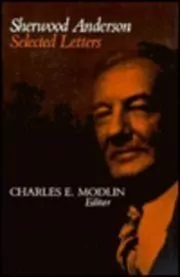
Selected Letters
by Sherwood Anderson
1983
A compact selection of Anderson's correspondence, focused on the years when his career and friendships were taking shape. The letters are lively, candid, and often full of writing talk.
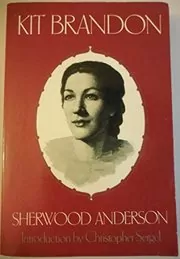
Kit Brandon
by Sherwood Anderson
1985
Kit Brandon grows up in the Southern mountains and moves through mill work, bootlegging, and dangerous relationships. Anderson centers a woman's hard, restless life in one of his darkest late novels.
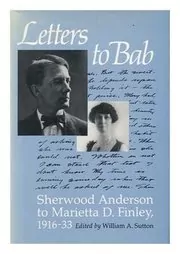
Letters to Bab
by Sherwood Anderson
1985
These letters to Marietta Finley show Anderson thinking aloud across years about love, work, art, and everyday frustration. They feel intimate and improvisational, like a private notebook mailed in installments.
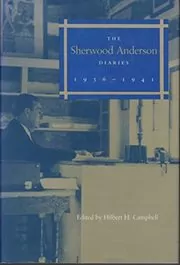
The Sherwood Anderson Diaries, 1936-1941
by Sherwood Anderson
1987
Anderson's late diaries record daily life, health, money worries, reading, and work during his Virginia years. They offer a close, unguarded look at the last stretch of his life.

Early Writings
by Sherwood Anderson
1989
This edited volume collects Anderson's juvenilia and early prose, showing how his voice formed before the famous books. You can watch the future storyteller learning to handle character, place, and feeling.
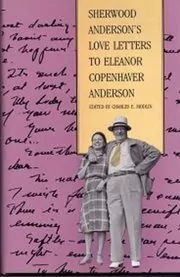
Sherwood Anderson's Love Letters to Eleanor Copenhaver Anderson
by Sherwood Anderson
1989
These letters follow his courtship of Eleanor Copenhaver as his third marriage collapsed and a new life in Virginia opened. Personal and immediate, they show the hopeful side of a turbulent period.
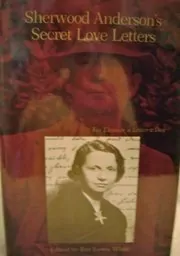
Sherwood Anderson's Secret Love Letters
by Sherwood Anderson
1991
Written one letter a day for Eleanor and hidden for her to find after his death, these pieces record a secret, intense love affair. They are part love story, part self-portrait, and unusually raw for Anderson.

Certain Things Last
by Sherwood Anderson
1992
A posthumous selected stories volume that mixes well-known pieces with later and previously uncollected work. It offers a fuller picture of Anderson beyond the handful of stories most readers already know.
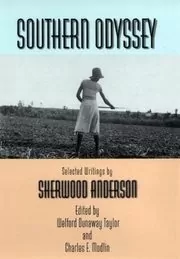
Southern Odyssey
by Sherwood Anderson
1997
A selected volume of Anderson's Southern writing, from essays and reportage to memoir-like pieces. It tracks his deepening engagement with Virginia, mill towns, and the changing South.
Where to start with Sherwood Anderson
For the landmark small-town classic: Winesburg, Ohio
For short stories beyond Winesburg: The Triumph of the Egg → Horses and Men → Death in the Woods and Other Stories
For his sharpest novel of change and industry: Poor White → Dark Laughter
For memoir and the writer behind the fiction: A Story Teller's Story → Sherwood Anderson's Notebook → Memoirs
Sherwood Anderson collections, short stories, and related book types
Collections
Non-Fiction
Standalone Sherwood Anderson books
Author bio
Sherwood Anderson was born in Camden, Ohio, on September 13, 1876, and spent much of his childhood in Clyde, the small Ohio town that later fed directly into Winesburg, Ohio. His family knew money trouble, frequent moves, and the uneasy mix of hope and embarrassment that comes with living in full view of your neighbors. Those early years gave him the voices, settings, and private aches that would stay at the center of his work.
He left school young and worked a long list of jobs, including newsboy, errand boy, stable hand, and factory worker. He also read constantly, borrowing books and educating himself in scraps and stretches rather than in a tidy classroom path. What he learned early was how closely people guard their dreams, and how often they fail to say what they mean.
In 1912, that double life broke apart.
Before that break, Anderson had done what looked like the sensible thing. He built a career in advertising, married Cornelia Lane, had three children, and became a successful business figure in Ohio, including a period managing a paint company in Elyria. He wrote in spare hours, often at night, but business and family life were pulling one way while the wish to write pulled the other. After a nervous breakdown in 1912, he left the business world and returned to Chicago, where he began to take literature as the real work of his life.
His first published novels, Windy McPherson's Son and Marching Men, came out in 1916 and 1917. They matter mostly because you can see him testing subjects that stayed with him, ambition, work, class, longing, escape. Then in 1919 came Winesburg, Ohio, the linked stories that made his name. Its people are shopkeepers, ministers, teachers, dreamers, and lonely young men and women, and the book moves by confession, silence, and the small shocks of recognition rather than by big plot turns.
That became his gift.
Readers still come to Anderson for the plainness of the sentences and the way he can make an ordinary life feel newly exposed. In Poor White, he looks at invention and industrial change in the Midwest through the rise of Hugh McVey. In The Triumph of the Egg and Horses and Men, he keeps returning to humiliation, desire, bravado, and failure. Dark Laughter widens the map to New Orleans and the Mississippi, while Death in the Woods and Other Stories shows how dark and strange his short fiction could be when he pressed deeper into memory and sex and violence.
He kept returning to people who felt out of step with the world around them.
That includes boys leaving town, workers caught by new machines, husbands and wives who can no longer pretend, and small-town figures whose inner lives are larger than anyone around them guesses. Even when he wrote memoir, especially in A Story Teller's Story and Sherwood Anderson's Notebook, he was less interested in giving a neat record than in following feeling, talk, memory, and the odd path by which a writer becomes himself.
In the 1920s he spent time in New Orleans, where he moved among younger writers and helped open doors for William Faulkner and Ernest Hemingway. Later he settled in Marion, Virginia, owned and edited two weekly newspapers, and married Eleanor Copenhaver in 1933. His nonfiction from these years, including Hello Towns! and Puzzled America, shows him turning toward small-town journalism, southern labor conditions, and the larger question of what America was becoming during the Depression.
Anderson died on March 8, 1941, in Colón, Panama, after falling ill during a cruise to South America. He was buried in Marion, Virginia. A lot of writers who came after him learned from his stripped-down prose, but his books still feel alive on their own terms. He had a rare way of making loneliness sound like everyday speech, and of making a small town seem as deep and troubled as anywhere on earth.









Edited by
Software engineer whose passion for tracking book recommendations from podcasts inspired the creation of MRB.
Lead investor at 3one4 Capital whose startup expertise and love for books helped shape MRB and its growth.
Comments
Did we miss something? Have feedback?
Help us improve this page by sharing your thoughts