
David Brin Books in Order
This page lists David Brin books in order, with quick summaries, Uplift series guides, short background notes, and easy suggestions on where to start.
Last updated:
As an Amazon Associate, we earn from qualifying purchases (at no extra cost to you).
David Brin books in publication order
56 books
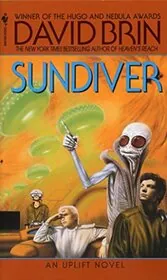
Sundiver
by David Brin
1980
In a galaxy where every species has a patron except humanity, a mission toward the sun becomes a hunt for origins. Brin mixes first-contact politics, scientific risk, and a deep mystery about who uplifted us, if anyone.
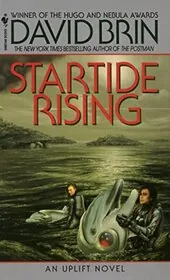
Startide Rising
by David Brin
1983
The dolphin-crewed Earthship Streaker discovers an ancient fleet and immediately becomes the prize in a galactic chase. Stranded on Kithrup, its human and uplifted crew must survive mutiny, siege, and the weight of a secret everyone wants.
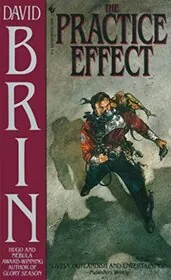
The Practice Effect
by David Brin
1984
On a strange world where repeated use makes objects better instead of wearing them down, a stranded outsider gets caught in local power games. Brin turns the odd rule into a quick, clever adventure.
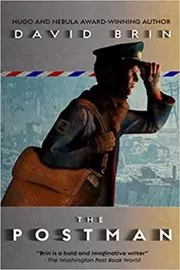
The Postman
by David Brin
1985
After a devastating war, drifter Gordon pulls on a dead mail carrier's jacket and improvises a lie. That small act becomes a symbol of government, memory, and hope for people who have almost forgotten how to believe in a country.
Heart of the Comet
by David Brin
1986
A mission to harness Halley's Comet for wealth and renewal goes wrong in almost every possible way. Disease, alien biology, and conflict between modified and unmodified humans turn a bold expedition into a survival test.

The River of Time
by David Brin
1986
Brin's first story collection gathers time puzzles, alternate history, cosmic mystery, and a few of his best-known shorter works. It is a good sampler if you want his ideas in smaller, sharper bursts.
The Transparent Society
by David Brin
1987
Brin takes privacy, surveillance, and accountability head on, arguing that secrecy alone cannot protect a free society. The book asks what happens when everyone can watch, record, and know more than institutions were built to handle.
The Uplift War
by David Brin
1987
While alien fleets fight over secrets uncovered in space, a brutal race seizes the human colony world Garth. Humans and their uplifted allies must hold out long enough to save far more than one planet.

Dr. Pak's Preschool
by David Brin
1989
A pregnant woman learns that science has found a way to start education before birth. Brin turns that one idea into a creepy, funny, and unsettling look at how far people will push self-improvement.
Extraterrestrial Civilization
by David Brin
1989
This nonfiction collection tackles one of Brin's favorite questions, whether intelligent life exists beyond Earth and what meeting it might mean. It brings science, speculation, and SETI thinking together in a more serious register.
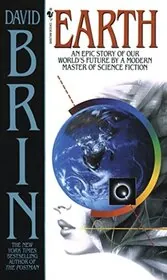
Earth
by David Brin
1990
A microscopic black hole drops into Earth's core, giving humanity a deadline and a reason to panic. Scientists race for a solution while activists, dreamers, and zealots argue over whether the planet would be better off without us.

Piecework
by David Brin
1992
Brin imagines a world where the womb becomes part of the industrial economy. The story is intimate, angry, and pointed about class, bodies, and what happens when technology turns reproduction into hired labor.
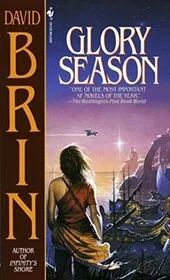
Glory Season
by David Brin
1993
On a world shaped by a carefully managed female society, Maia is pushed out to make her own way. Her sea voyage turns into an adventure of pirates, politics, and a challenge to the order everyone around her treats as natural.

Otherness
by David Brin
1994
This award-winning collection brings together stories and essays about viruses, aliens, reproduction, simulation, and the far edge of the universe. The pieces vary widely, but they all share Brin's taste for big questions and human consequences.
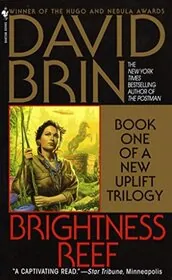
Brightness Reef
by David Brin
1995
On the forbidden world Jijo, human and alien settlers have built a fragile life by staying unnoticed. Then old secrets, new arrivals, and a dangerous curiosity begin to shake the peace from every direction.
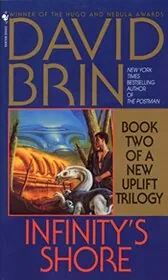
Infinity's Shore
by David Brin
1996
Jijo's hidden settlers lose the safety of secrecy when starships crowd their sky and genocide becomes a real possibility. Humans and aliens alike must choose sides, while a band of youngsters stumbles into mysteries much larger than they expected.
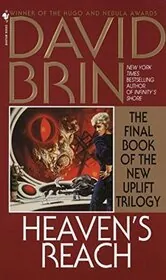
Heaven's Reach
by David Brin
1998
The fugitives of Jijo brace for a last confrontation as ancient enemies close in and Streaker returns to the center of the crisis. What started as a hidden colony story expands into a struggle over the deepest secrets of galactic civilization.

Tribes
by David Brin
1998
This roleplaying game package imagines near-future tribal politics, survival, and social breakdown with Brin's usual interest in how people organize themselves. It is less a novel than a toolkit for playing out conflict, culture, and cooperation.
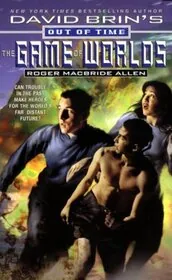
The Game of Worlds
by David Brin
1999
A young outsider is yanked into the future and dropped into a crisis that spans more than one world. The fun comes from watching a teen problem-solver navigate alien politics, danger, and a mission adults cannot finish alone.

Tiger in the Sky
by David Brin
1999
Teens yanked from different times end up on a remote space station with a cabin boy from Drake's era and a rebuilt saber-tooth tiger. Their enemy is alien, collective, and hard to hate, which makes the mission even worse.
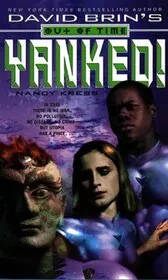
Yanked!
by David Brin
1999
Three teens from wildly different times are pulled into the twenty-fourth century because adults cannot handle a crisis alone. To rescue a lost star colony, they have to trust one another before the future sends them home, or doesn't.

Foundation's Triumph
by David Brin
2000
In Brin's authorized finale to the Second Foundation Trilogy, Hari Seldon risks everything on one last search for knowledge. The novel works to tie Asimov's loose ends together while pushing the fate of the Empire toward a final answer.

Forgiveness
by David Brin
2001
Set in the Star Trek: The Next Generation universe, this graphic story throws the Enterprise into a crisis tied to the inventor of future transport technology. Betrayal, plague memories, and looming war make it more than a routine mission.
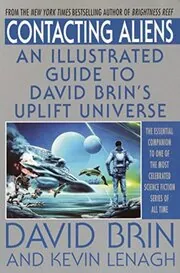
Contacting Aliens
by David Brin
2002
This illustrated guide opens up the Uplift universe, from alien races and customs to Earth's uneasy place in the Five Galaxies. It works as both a reference book and a tour through the background behind the novels.

Kil'n Time
by David Brin
2002
This shorter return to the world of Kiln People plays again with copied minds, temporary bodies, and the mess people make of useful technology. Brin uses a brisk setup to keep asking who really owns a life and a memory.
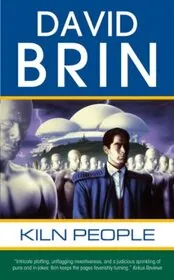
Kiln People / Kil'n People
by David Brin
2002
In a future where people send disposable clay duplicates out to do the dangerous work, detective Albert Morris chases a case that gets very personal. The murder mystery is fast, funny, and full of uneasy questions about memory, identity, and what counts as a self.

The Life Eaters
by David Brin
2003
In this graphic novel, the Nazis get help from the Norse gods and history swerves into nightmare. Brin and Scott Hampton use the wild premise to tell a grim alternate-world war story with real bite.

Tomorrow Happens
by David Brin
2003
This limited collection rounds up shorter Brin pieces that look sideways at the future, including work later folded into larger projects. It is a compact sampler of his restless ideas, from space-age adventure to near-future speculation.
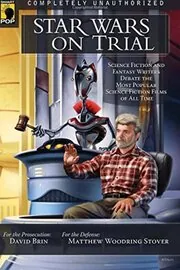
Star Wars on Trial
by David Brin
2006
This playful debate book puts Star Wars in the dock and lets writers argue for the defense and the prosecution. The essays tackle myth, politics, science fiction, and the pleasures and blind spots of a giant pop culture saga.
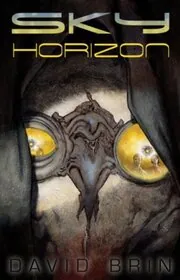
Sky Horizon
by David Brin
2007
This early High Horizon tale starts with a rumor about a live alien hidden in a basement and follows skeptical teen Mark Bamford into trouble. What begins as a local mystery opens the door to a much bigger colony adventure.
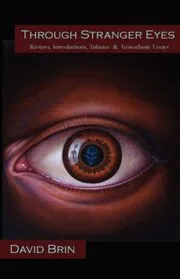
Through Stranger Eyes
by David Brin
2008
This essay collection roams through novels, films, science, and culture with curiosity and a contrarian streak. Brin looks at everyone from Orwell and Tolkien to Star Wars and Buffy, asking how stories shape the future.
George Orwell and the Self-Fulfilling Prophecy
by David Brin
2010
Brin revisits Orwell's 1984 and argues that nightmare futures can sometimes prevent themselves. It is a compact essay about surveillance, openness, and why warnings matter before technology hardens into habit.
The Dark Side
by David Brin
2010
Brin's sharp essay takes Star Wars seriously enough to argue with it. He digs into its myths, politics, and hero worship, asking what stories of empire and destiny teach us without meaning to.
The Lord of the Rings
by David Brin
2010
In this provocative essay, Brin reads Tolkien as more than comfort fantasy. He weighs the beauty and power of The Lord of the Rings against its distrust of modernity, progress, and ordinary institutions.
The Matrix
by David Brin
2010
Brin uses The Matrix as a springboard for bigger questions about reality, technology, and the futures we build. It is part film essay, part argument that tomorrow does not have to follow the bleak script we expect.
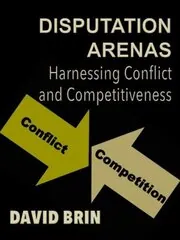
Disputation Arenas
by David Brin
2011
Brin argues that science, democracy, courts, and markets work because they force claims into the open. He imagines a fifth arena online, a better way to test arguments through structured, accountable debate.
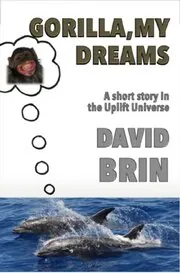
Gorilla, My Dreams
by David Brin
2011
In this comic Uplift Universe story, humans, dolphins, and chimpanzees are debating which species to raise next. Then alien warships arrive with extinction on the schedule, and the argument turns urgent fast.

Reality Check
by David Brin
2011
This short story asks the oldest simulation question in a clever, unnerving way. If the world around you were only an elaborate construct, what clue would finally make you notice?

Stones of Significance
by David Brin
2011
Brin jumps past the singularity to ask what ordinary humanity might still matter once near-godlike minds exist. The story keeps one foot in wonder and the other in the stubborn value of staying human.

Tank Farm Dynamo
by David Brin
2011
Brin takes an old-school hard science fiction approach to the space program and asks what ingenuity might do with the hardware people throw away. It is a brisk tale about nerve, improvisation, and launch energy.

The Crystal Spheres
by David Brin
2011
Why does the universe seem so quiet? Brin offers a melancholy, beautiful answer in a story about explorers, sealed worlds, and the possibility that humanity arrived too early, not too late.

The Giving Plague
by David Brin
2011
A scientist encounters a new virus that does not just threaten lives, it changes the moral landscape of giving and obligation. Brin makes pandemic fear feel personal, social, and weirdly tempting.

The Loom of Thessaly
by David Brin
2011
Classical myth and science fiction meet in a novella about fate, reality, and whether anyone can ever slip the pattern waiting for them. It is playful on the surface and quietly serious underneath.

Thor Meets Captain America
by David Brin
2011
In this alternate-history tale, Hitler finds help from the Norse gods and the war bends in a darker direction. Brin uses pulp energy to explore myth, propaganda, and how horror can wear a heroic mask.
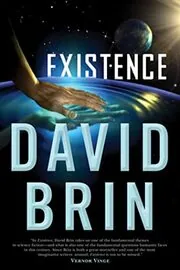
Existence
by David Brin
2012
An orbital junk collector grabs a mysterious crystal, and the whole world erupts over rumors of alien contact. As floods, surveillance, and old arguments about humanity's future collide, one artifact may answer why the universe seems so silent.

Do We Really Want Immortality?
by David Brin
2016
Brin questions the fantasy of living forever instead of simply cheering for it. He looks at what longer lives might do to ambition, fairness, boredom, and the social bargain between generations.

How Will the World End?
by David Brin
2016
Brin surveys the ways civilization, or humanity itself, might fail, then asks which dangers deserve serious attention. The result is part thought experiment, part reality check about risk, resilience, and blind spots.

Singularity and Nightmares
by David Brin
2016
This short nonfiction work looks at the wildest hopes and darkest fears people attach to the future. Brin weighs superintelligence, catastrophe, and self-preventing warnings without pretending any easy answer will save us.

Three Cheers for the Surveillance Society
by David Brin
2016
Brin makes the counterintuitive case that surveillance is not always the enemy, and that who gets to watch whom matters most. It is a brisk argument about privacy, accountability, and power in public life.

Insistence of Vision
by David Brin
2018
This collection gathers Brin's stories of possible tomorrows, from prison asteroids and post-singularity puzzles to uplifted dolphins and reality glitches. The mood is wary but hopeful, always asking how people adapt when the future gets weird.

Polemical Judo
by David Brin
2019
This collection turns Brin's bloggy, argumentative side loose on politics, rhetoric, and public myths. He tries to meet bad ideas with sharper questions, using wit and counterpunches instead of solemn lectures.
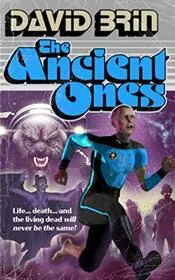
The Ancient Ones
by David Brin
2020
Humanity once led the galaxy, but now younger alien races call us the Ancient Ones and have all the fun. Dr. Alvin Montessori boards a mostly demmie ship and stumbles into a bizarre crisis full of first-contact comedy and undead trouble.

Castaways of New Mojave
by David Brin
2021
An alien "gift" strands a California high school, teachers and all, on a jungle world light-years from home. Mark and his friends have to find water, food, and leadership before fear and old rivalries tear the new colony apart.

Colony High
by David Brin
2021
When rumors of a stranded alien hit Twenty-Nine Palms High, skeptic Mark Bamford and Alexandra start digging. Secretive corporate vans, school politics, and a truth much stranger than any movie cliché pull them into first contact.

The Best of David Brin
by David Brin
2021
This retrospective gathers more than twenty stories from across Brin's career, from award winners to lesser-known experiments. It is the easiest single volume for seeing his mix of wonder, argument, optimism, and unease.

Boondoggle
by David Brin
2025
Project Hourglass pulls a wild team of teens, from 1879 to the late 2020s, onto a sabotaged space station. They have to sort alien rumors from human motives before panic wrecks a fragile interstellar alliance.
Where to start with David Brin
If you want the big galactic saga: Sundiver → Startide Rising → The Uplift War
If you want the later Uplift arc: Brightness Reef → Infinity's Shore → Heaven's Reach
If you prefer near-future science fiction: Earth → Existence
If you want a smart standalone mystery: Kiln People / Kil'n People
If you want post-apocalyptic hope: The Postman
David Brin sub-series and character series
David Brin's High Horizon books in order
Explore this seriesDavid Brin's High Horizon books in chronological order
David Brin collections, short stories, and related book types
Non-Fiction
Short Stories/Novellas
Short Story Collections
Graphic Novels
Game Books
Standalone David Brin books
Author bio
David Brin was born in Glendale, California, in 1950, and he came of age with one foot in science and the other in storytelling. He studied astrophysics at Caltech, earned a master's in optics at UC San Diego, and later completed a Ph.D. in space physics there.
That mix matters.
Before he was known for novels, Brin worked as a research engineer at Hughes Aircraft and later taught physics and writing. He also spent time as a postdoctoral fellow at the California Space Institute. You can feel all of that in his fiction. The science is never just wallpaper. It is usually the thing pushing people into trouble, argument, invention, or survival.
His first novel, Sundiver, opened the door to the Uplift universe, a future where humanity has genetically raised dolphins and chimpanzees into full partners, while the rest of the galaxy wonders who, if anyone, uplifted us. Then Startide Rising and The Uplift War made that setting one of the big space opera playgrounds of the 1980s. Readers tend to come for the scale and the strange aliens, then stay for the mix of diplomacy, danger, and clever problem solving.
He also writes standalones that feel very different from one another. The Postman starts with a drifter in a ruined America and turns a borrowed uniform into an argument about symbols, trust, and civic life. Earth imagines a near future under environmental strain and technological stress, then throws in a black hole for extra pressure. Kiln People takes a noir detective setup and adds temporary clay copies of the self, which lets Brin ask hard questions about memory, identity, and responsibility without losing the pace.
He likes big questions.
That shows up in his nonfiction as much as in his novels. The Transparent Society takes on privacy, secrecy, and accountability in a world where more and more people can see, record, and share. Even when he is writing essays about films, politics, or the future, he tends to circle the same few concerns: who gets to know what, who gets to make decisions, and whether open argument can keep power from hardening into something dangerous.
Across the bibliography, some patterns keep returning. Brin likes ensembles more than lone chosen ones. He likes capable amateurs, uplifted animals, scientists, reporters, drifters, and people who get dropped into systems larger than themselves. His settings can be galactic or very close to home, but the tension is often the same. How do decent people hold onto curiosity and cooperation when fear, hierarchy, or old habits start closing in?
He has also stayed active outside fiction, speaking and consulting on science, technology, privacy, space, and long-range social change. Over the years he has served in advisory roles tied to space and future studies, and he helped establish the Arthur C. Clarke Center for Human Imagination at UC San Diego.
These days Brin lives in San Diego County with his wife, three children, and, by his own account, a demanding number of trees. It feels like the right image for him. Even at his most skeptical, he writes like someone still willing to water the future and see what grows.

Edited by
Software engineer whose passion for tracking book recommendations from podcasts inspired the creation of MRB.
Lead investor at 3one4 Capital whose startup expertise and love for books helped shape MRB and its growth.
Comments
Did we miss something? Have feedback?
Help us improve this page by sharing your thoughts