
City Of The Beasts Books in Order
Part ofIsabel Allende Books in OrderThis page outlines the City of the Beasts adventure trilogy by Isabel Allende, with books in order, story summaries, series background on Alex and Nadia, and advice on where young readers should start.
Last updated:
As an Amazon Associate, we earn from qualifying purchases (at no extra cost to you).
City Of The Beasts books in publication order
3 books
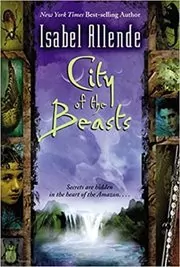
City of the Beasts
by Isabel Allende
2002
City of the Beasts sends fifteen‑year‑old Alexander Cold to the Amazon with his fearless grandmother, where he and local girl Nadia confront dangerous explorers, a legendary creature, and an invisible Indigenous tribe that forces them to rethink what “civilized” really means.
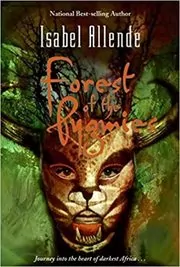
Forest of the Pygmies
by Isabel Allende
2004
Forest of the Pygmies takes Alex, Nadia, and Kate to East Africa on a safari that becomes a rescue mission, as they uncover a brutal regime enslaving villagers and help a hidden Pygmy community reclaim its freedom.
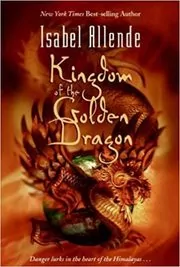
Kingdom of the Golden Dragon
by Isabel Allende
2004
In Kingdom of the Golden Dragon, Alex and Nadia travel with Kate Cold to a remote Himalayan kingdom where a sacred statue coveted by outsiders draws them into palace intrigue, mountain dangers, and another test of their shared animal‑spirit powers.
City Of The Beasts books in chronological order
Series background & context
Isabel Allende’s City of the Beasts trilogy—City of the Beasts, Kingdom of the Golden Dragon, and Forest of the Pygmies—is written for younger readers but works well for adults who like myth‑tinged adventure. At its heart it’s the story of Alexander Cold and Nadia Santos, two teenagers who keep stumbling into dangerous corners of the world alongside Alex’s fearless grandmother, magazine reporter Kate Cold.
In City of the Beasts, Alex is sent to stay with Kate while his mother undergoes cancer treatment. Instead of an ordinary visit, he is swept into an expedition deep into the Amazon to investigate a legendary creature known as the Beast. There he meets Nadia, the daughter of their Indigenous guide, and together they encounter hidden tribes, shamans, unscrupulous outsiders, and a jungle that seems alive with spirit presences.
Their bond is sealed when each receives an animal totem: Alex with the jaguar, Nadia with the eagle. Those spirit guides give the books a gentle layer of magical realism. They don’t turn the kids into superheroes, but they do nudge them toward courage, intuition, and a sense that they are part of something larger than themselves.
In Kingdom of the Golden Dragon, the trio travels to a remote, fictional Himalayan kingdom famed for a sacred statue said to predict the future. As foreign mercenaries scheme to steal the statue and topple the monarchy, Alex and Nadia are again pushed into the middle of a conflict that asks who really has the right to a country’s treasures and traditions.
The final volume, Forest of the Pygmies, shifts to Africa, where a seemingly harmless safari takes the group into a swampy, isolated region ruled by a cruel chieftain and his corrupt allies. Alex and Nadia ally with a hidden Pygmy community and a deposed queen, using both practical bravery and their totem powers to help dismantle a system of slavery and poaching.
Across the series the tone balances page‑turning peril—storms, kidnappings, narrow escapes—with humor and a warm sense of found family. Allende lingers on lush landscapes, local customs, and the clash between traditional ways of life and outside greed, while keeping the focus squarely on her two young protagonists growing into themselves.
Expect cliffhangers, jungle visions, and villains who are recognizably human rather than cartoonish. These books are a good fit for readers who like fantasy grounded in real places, stories about cross‑cultural friendship, and adventures where kids are taken seriously enough to change the world around them.












Edited by
Software engineer whose passion for tracking book recommendations from podcasts inspired the creation of MRB.
Lead investor at 3one4 Capital whose startup expertise and love for books helped shape MRB and its growth.
Comments
Did we miss something? Have feedback?
Help us improve this page by sharing your thoughts