
Chronicle from the 31st Century Books in Order
Part ofJohn Dalmas Books in OrderExplore A Chronicle from the 31st Century by John Dalmas, with the books in order, short summaries, series background, and help choosing where to start.
Last updated:
As an Amazon Associate, we earn from qualifying purchases (at no extra cost to you).
Chronicle from the 31st Century books in publication order
2 books
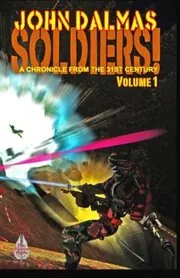
Soldiers! Volume 1
by John Dalmas
2001
The opening half of Dalmas's chronicle drops into a future where military science survived centuries of unrest. It tracks soldiers, commanders, and civilians through a long conflict that is as much about society as battle.
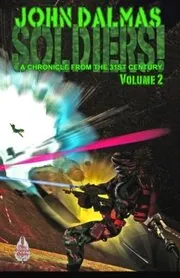
Soldiers! Volume 2
by John Dalmas
2013
The second half of Dalmas's far-future military chronicle follows war, politics, and social strain on a planetary scale. Battles matter here, but so do the ways long conflict reshapes governments, loyalties, and everyday life.
Chronicle from the 31st Century books in chronological order
Series background & context
This sequence reads like future history told from a long distance. Instead of focusing on one dazzling hero, it looks at war the way a chronicler might, across institutions, generations, and the social pressure that builds when conflict lasts too long.
At the center is Soldiers, which also appears in split form as Soldiers! Volume 1 and Soldiers! Volume 2. The framing matters. Dalmas is not only telling a military adventure. He is looking back at a whole era and asking what prolonged conflict does to governments, class systems, training, discipline, and the people who have to carry the burden.
The scale is big.
What makes the series interesting is that the battles are only part of the story. Dalmas pays attention to the machinery around them, command structures, social unrest, public mood, and the way military knowledge survives even when a culture would rather imagine it has moved beyond war. The action has sweep, but the real draw is the sense of a society under long stress.
That same concern with hidden pressure and control carries into The Puppet Master. In that book, the emphasis turns more openly toward influence, manipulation, and the hands behind public events. It still fits the larger project because the series is deeply interested in who shapes history and how ordinary people live inside those decisions.
The tone is sober and thoughtful, more reflective than flashy. Dalmas writes soldiers as workers, professionals, and citizens, not just as action figures. He is interested in morale, competence, institutional memory, and the cost of asking the same people, or their descendants, to keep doing the hard thing.
If you want fast military science fiction, there is plenty here to hold onto. But the real identity of the series is broader than that. It is about the structure around war, the stories later ages tell about it, and the uneasy truth that societies are often remade as much by pressure from within as by enemies without.

Edited by
Software engineer whose passion for tracking book recommendations from podcasts inspired the creation of MRB.
Lead investor at 3one4 Capital whose startup expertise and love for books helped shape MRB and its growth.
Comments
Did we miss something? Have feedback?
Help us improve this page by sharing your thoughts