
Beryl Bainbridge Books in Order
Browse Beryl Bainbridge books in order, with quick summaries, an author biography, and simple advice on where to start with her sharp, dark fiction.
Last updated:
As an Amazon Associate, we earn from qualifying purchases (at no extra cost to you).
Beryl Bainbridge books in publication order
28 books
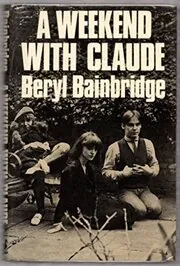
A Weekend with Claude
by Beryl Bainbridge
1967
A group of friends gather for a country weekend to help pregnant Lily find a father for her unborn child. Instead, vanity, desire, and self-deception take over.

Another Part of the Wood
by Beryl Bainbridge
1968
Two urban couples spend a holiday in a remote Welsh cottage with an idealistic host and his protégé. What begins as a country escape slowly exposes cracks in every relationship.

Harriet Said...
by Beryl Bainbridge
1972
A schoolgirl returns home for the holidays and falls back under the spell of her reckless friend Harriet. Their cruel fascination with a married older man drives the summer toward disaster.

The Secret Glass
by Beryl Bainbridge
1973
This is the US title of The Dressmaker. Rita's wartime romance with an American soldier feeds dreams of escape, but Bainbridge turns the love story into something tense, sad, and unsettling.
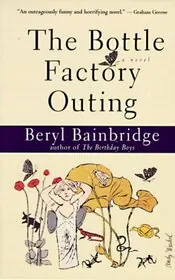
The Bottle Factory Outing
by Beryl Bainbridge
1974
Brenda and Freda share a bed and work in an Italian-run wine bottling factory. A company picnic lets class tension, desire, and private dread build toward a sudden, brutal turn.
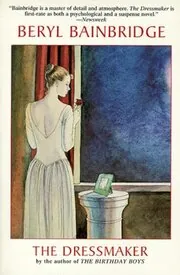
The Dressmaker
by Beryl Bainbridge
1974
In wartime Liverpool, shy Rita falls for an American GI and dreams of escape as a bride bound for a richer life. Her two aunts see more clearly, and Bainbridge lets hope darken into heartbreak.
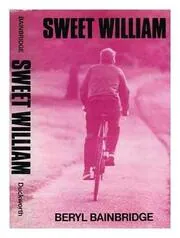
Sweet William
by Beryl Bainbridge
1975
Ann seems set for a tidy, respectable future until she meets the playwright William. His charm and evasiveness draw her into a relationship that is thrilling, messy, and impossible to control.

A Quiet Life
by Beryl Bainbridge
1976
Teenage Alan tries to keep the peace in a strained postwar Liverpool home. As his sister Madge slips out to meet a German POW and the adults unravel, family life grows steadily more fragile.
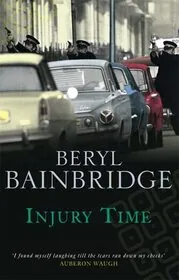
Injury Time
by Beryl Bainbridge
1977
Edward throws a dinner party for his mistress, Binny, hoping to make her feel part of his life at last. Timing, guilt, and unexpected visitors send the evening into one long comic disaster.
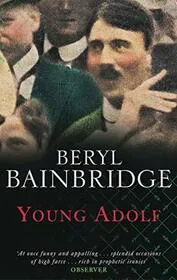
Young Adolf
by Beryl Bainbridge
1978
In 1912 Liverpool, the young Adolf Hitler turns up at his half-brother's house, idle, dirty, and increasingly impossible. Bainbridge makes the visit both absurdly comic and quietly unnerving.

Winter Garden
by Beryl Bainbridge
1980
Douglas lies about a fishing trip and heads to Moscow with his mistress, Nina. Lost luggage, vanished companions, and baffling Soviet misadventures turn his attempted escape into something surreal and deeply uncomfortable.

English Journey
by Beryl Bainbridge
1984
Retracing J. B. Priestley's route, Bainbridge travels through Thatcher-era England and records what industry, decline, place, and memory feel like on the ground. It is part travel book and part portrait of a changing country.

Watson's Apology
by Beryl Bainbridge
1984
Rev John Selby Watson marries Anne Armstrong, but respectability quickly curdles into bitterness. Bainbridge turns their unhappy Victorian marriage into a tense, sad march toward murder.

Mum and Mr. Armitage
by Beryl Bainbridge
1985
A selection of Bainbridge's stories set in familiar territory, boarding houses, holiday spots, family kitchens, and uneasy marriages. They are sharp, funny, and always carrying a faint threat beneath the surface.

Forever England
by Beryl Bainbridge
1987
Based on Bainbridge's BBC series, this book compares North and South through the lives of six families. It is part social portrait, part memoir, and a sharp look at England in the 1980s.

Collected Stories
by Beryl Bainbridge
1988
This volume gathers Bainbridge's short fiction, including *Mum and Mr. Armitage* and *Filthy Lucre*. Across ordinary rooms, family tensions, and small excursions, everyday life keeps tipping into something cruel, funny, or bizarre.

An Awfully Big Adventure
by Beryl Bainbridge
1989
In 1950 Liverpool, sixteen-year-old Stella lands a job with a repertory theatre company and falls hard for the director, Meredith. Then the arrival of actor O'Hara turns backstage longing and confusion into something far darker.

The Birthday Boys
by Beryl Bainbridge
1991
Five members of Scott's expedition tell their own versions of the journey to the South Pole. Bainbridge uses those shifting voices to show courage, vanity, loyalty, and fatal misjudgment in terrible cold.

The Dolphin Connection
by Beryl Bainbridge
1991
A scarce Bainbridge fiction title from 1991, often catalogued apart from her better-known novels. It stands as one of the most elusive books in her body of work, an unusual detour from the titles that made her name.
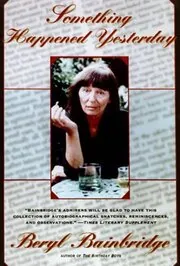
Something Happened Yesterday
by Beryl Bainbridge
1993
These personal essays and columns begin with small daily incidents, then wander into memory, family history, and odd digressions. It is Bainbridge in nonfiction mode, dry, funny, and always alert to the absurd.
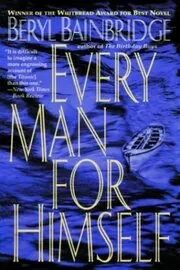
Every Man for Himself
by Beryl Bainbridge
1996
A young man connected to the Morgan family boards the Titanic for its maiden voyage. Among the glitter of first class, Bainbridge tracks gossip, secrecy, and dread as the ship moves toward disaster.
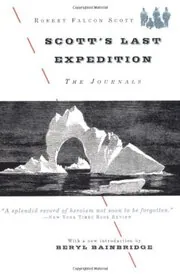
Scott's Last Expedition
by Beryl Bainbridge
1996
Introduced by Bainbridge, Scott's journals follow the Terra Nova expedition from bold preparation to the final camp, just eleven miles from food and fuel. It is both an exploration record and a devastating account of endurance.
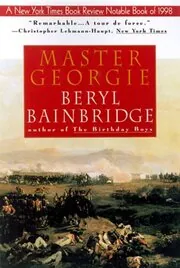
Master Georgie
by Beryl Bainbridge
1998
George Hardy, a surgeon and amateur photographer, is seen through three lives tangled up with his own. The story moves from Victorian Liverpool to the Crimean War, where loyalty, obsession, and violence finally catch up with him.

Scott's Last Journey
by Beryl Bainbridge
1999
With a foreword by Bainbridge, this illustrated volume follows Robert Falcon Scott's doomed Antarctic expedition through journals, letters, and photographs. It brings the race for the South Pole close, human, and grimly immediate.

According to Queeney
by Beryl Bainbridge
2001
Told by Queeney Thrale, this novel revisits the last years of Dr Samuel Johnson. Bainbridge turns wit, aging, jealousy, and the complicated bond between Johnson and Mrs Thrale into something intimate and alive.
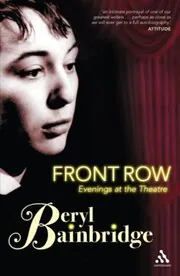
Front Row
by Beryl Bainbridge
2005
This collection gathers Bainbridge's theatre reviews and essays, first written for The Oldie. It mixes quick takes on plays and performers with warm, funny reflections from someone who knew the stage from the inside.
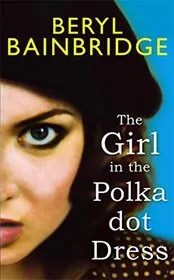
The Girl in the Polka Dot Dress
by Beryl Bainbridge
2007
In 1968, Rose leaves Kentish Town for America with a polka dot dress and a one-way ticket. Traveling with the unsettling Washington Harold, she searches for Dr Wheeler as Robert Kennedy's campaign moves toward its violent end.

Claire with Fair Hair
by Beryl Bainbridge
2013
In postwar Liverpool, a young boy enters the old Neptune Theatre for an elocution lesson. The brief, eerie story turns that small visit into something charged with memory, performance, and hidden secrets.
Where to start with Beryl Bainbridge
If you want the essential Bainbridge: The Bottle Factory Outing → An Awfully Big Adventure → Master Georgie
If you want historical fiction first: The Birthday Boys → Every Man for Himself → Master Georgie → According to Queeney
If you want Liverpool and autobiographical roots: The Dressmaker → A Quiet Life → An Awfully Big Adventure
If you want dark, intimate relationship novels: Sweet William → Injury Time → Winter Garden
Beryl Bainbridge collections, short stories, and related book types
Short Stories/Novellas
Collections
Non-Fiction
Standalone Beryl Bainbridge books
Author bio
Beryl Bainbridge was born in Liverpool on 21 November 1932 and grew up in nearby Formby. By the age of ten she was already keeping a diary, and she would spend much of her writing life returning to the textures of that north-western upbringing, cramped houses, family friction, sharp comedy, and people saying less than they felt.
Liverpool never really left her.
As a child she loved performance as much as books. She had elocution lessons, appeared on the radio on Northern Children's Hour, and was expelled from school in Crosby after a dirty rhyme was found in her pocket. She later studied at Cone-Ripman School in Tring, then went into repertory theatre at the Liverpool Playhouse while still in her teens. That stage training mattered. It helps explain the rhythm of her prose, the exactness of her dialogue, and the feeling that a whole scene can turn on one awkward pause.
In 1954 she married the artist Austin Davies, and the marriage later broke down. She had two children with Davies and, later, a daughter, the actress Rudi Davies, with the screenwriter Alan Sharp. During those years Bainbridge worked various jobs, kept notebooks, and gradually turned lived experience into fiction. Her first written novel, Harriet Said..., sat unpublished for years because publishers found it too disturbing. She kept going anyway, and her first published books, including A Weekend with Claude and Another Part of the Wood, announced a writer who could make everyday life feel unstable.
She made ordinary embarrassment feel dangerous.
A lot of Bainbridge's early fiction is close to the bone. The Bottle Factory Outing, Sweet William, A Quiet Life, and An Awfully Big Adventure all draw power from cramped social worlds, mismatched desire, and the awful comedy of people misreading one another. Readers often come to her for the wit, but stay for the pressure she creates. A boarding house, a factory picnic, a family dinner, a theatre rehearsal, none of them stay ordinary for long.
In the 1990s she turned more fully toward historical fiction, without becoming any more stately or polite on the page. The Birthday Boys retold Scott's Antarctic expedition through several voices. Every Man for Himself went aboard the Titanic. Master Georgie moved between Liverpool and the Crimean War, and According to Queeney looked at Samuel Johnson through the eyes of Hester Thrale's daughter. These books brought broader recognition. Bainbridge was shortlisted for the Booker Prize five times, won the Whitbread Prize twice, and received the James Tait Black Memorial Prize for Master Georgie.
She was never only a novelist. Bainbridge wrote a weekly column for the Evening Standard, reviewed theatre for The Oldie, and presented BBC series that became the books English Journey and Forever England. In 2000 she was made a Dame. Even with the honors, she kept a reputation for being funny, direct, and unimpressed by literary fuss.
She kept writing right to the end.
Bainbridge lived for many years in Camden Town, stayed close to her family, and carried on working across fiction, journalism, and criticism. She died in London on 2 July 2010, aged seventy-seven. Her final novel, The Girl in the Polka Dot Dress, appeared in 2011, a last reminder that she was still experimenting, still restless, and still very much herself.











Edited by
Software engineer whose passion for tracking book recommendations from podcasts inspired the creation of MRB.
Lead investor at 3one4 Capital whose startup expertise and love for books helped shape MRB and its growth.
Comments
Did we miss something? Have feedback?
Help us improve this page by sharing your thoughts