
Arthurian Saga Books in Order
Part ofMary Stewart Books in OrderExplore the Arthurian Saga by Mary Stewart in order, with book summaries, series background, and a reading guide to follow Merlin and Arthur through the cycle.
Last updated:
As an Amazon Associate, we earn from qualifying purchases (at no extra cost to you).
Arthurian Saga books in publication order
5 books
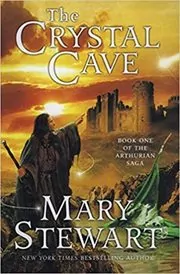
The Crystal Cave
by Mary Stewart
1970
This first Arthurian novel follows Merlin from unwanted child in Wales to seer and strategist in the turbulent years after Rome’s fall, as his visions and hard-earned skills draw him toward Ambrosius, Uther Pendragon and the yet-unborn Arthur.
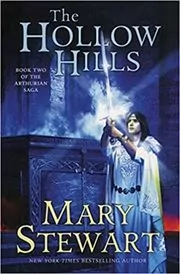
The Hollow Hills
by Mary Stewart
1973
In this second Arthurian volume, Merlin hides the infant Arthur from enemies, then quietly guides the boy’s upbringing across wild Britain and Brittany. As rival kings scheme and Saxons press in, Merlin prepares Arthur to claim a sword, a crown and a country.
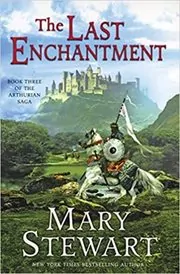
The Last Enchantment
by Mary Stewart
1979
Merlin narrates the height of Arthur’s reign, from the first hard years of unifying Britain to the building of Camelot. As plots coil around the young king, Merlin falls in love, feels his powers ebb and must decide when to step back from the world he shaped.
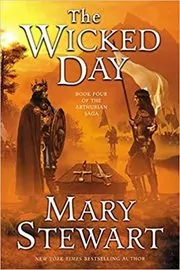
The Wicked Day
by Mary Stewart
1983
Told largely through Mordred’s eyes, this fourth Arthurian novel follows the king’s secret son from a fisherfolk childhood to uneasy power at Camelot. Loyal to Arthur yet shadowed by prophecy, Mordred is swept toward the disastrous final battle on the wicked day.
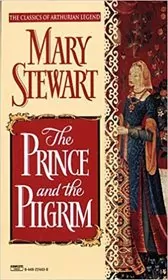
The Prince and the Pilgrim
by Mary Stewart
1995
Young Prince Alexander rides to Camelot to seek justice for his murdered father and vengeance on the king of Cornwall. His path crosses that of Alice, a quiet pilgrim guarding an enchanted silver cup, and together they face Morgan le Fay’s temptations on a wandering quest.
Arthurian Saga books in chronological order
Series background & context
Mary Stewart’s Arthurian Saga begins not with Arthur, but with Merlin, looking back on his life from old age. Across the first three novels he tells how a bastard child from a Welsh hill-fort becomes the king’s most trusted counsellor.
In The Crystal Cave we meet Merlin as a sharp, lonely boy with an unknown father, dismissed as “the devil’s son” and half-feared in his grandfather’s court. Secret lessons with a hermit, the discovery of a hidden crystal-lined cave and a gift for sudden visions pull him into wider politics, from warlords in Wales to exile in Brittany. By the end of the book he has helped Ambrosius and then Uther Pendragon shape a fragile new Britain, and has seen the circumstances that will lead to Arthur’s birth.
The Hollow Hills covers the hidden years. On Uther’s orders Merlin spirits the newborn Arthur away and arranges a quiet upbringing, far from court plots and Saxon raids. The novel lives in the spaces between famous episodes: foster homes, mountain shrines, years of training in weapons and kingship. When Arthur at last rides out to claim a sword and a crown, the moment feels earned rather than fated.
In The Last Enchantment, Arthur is king and Camelot is taking shape. Merlin’s work shifts from stage-managing destiny to holding a fragile peace together. He spies, negotiates, and watches the ambitions of Morgause, Morgan and other rivals circle the new court, all while his own powers begin to wane and his relationship with his apprentice, Niniane, deepens into something more complicated than mentorship.
The Wicked Day turns the story on its head by following Mordred. Raised among fisherfolk and later drawn into his mother Morgause’s schemes, he arrives at Camelot as both threat and heir. Stewart paints him not as a stock villain but as a thoughtful, wary young man trying to serve Arthur while living under a prophecy that names him the king’s doom. Court politics, family tensions and the pull of destiny all tighten toward the final battle.
The later novel The Prince and the Pilgrim is set in the same world but works as a stand-alone tale. It pairs Prince Alexander, out to avenge his father’s murder, with Alice, a quiet pilgrim who carries an enchanted silver cup that may be linked to the Grail. Their criss-crossing journeys bring them into the orbit of Morgan le Fay and the distant court of Arthur, giving a more romantic, quest-driven angle on the age of Camelot.
Across the sequence the emphasis is on landscape, politics and character rather than flashy spell-casting. Fifth-century Britain feels muddy, cold and precarious; visions and “magic” are woven into weather, stone and old religion instead of standing apart from them. Read in order, the Arthurian Saga offers a slow-burn journey from Merlin’s first uncertain visions to the last turning of the wheel at Camlann, with love, loyalty and hard choices at its heart.





Edited by
Software engineer whose passion for tracking book recommendations from podcasts inspired the creation of MRB.
Lead investor at 3one4 Capital whose startup expertise and love for books helped shape MRB and its growth.
Comments
Did we miss something? Have feedback?
Help us improve this page by sharing your thoughts