
Andrew Miller Books in Order
Explore Andrew Miller's novels in order, with short summaries, prize highlights, and clear advice on where to start, from Ingenious Pain to The Land in Winter.
Last updated:
As an Amazon Associate, we earn from qualifying purchases (at no extra cost to you).
Andrew Miller books in publication order
10 books
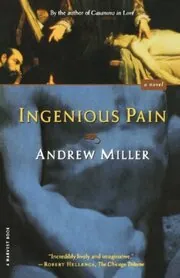
Ingenious Pain
by Andrew Miller
1997
Born unable to feel pain or pleasure, James Dyer rises from curiosity to celebrated surgeon in 18th-century England and beyond. His strange gift opens doors and hardens him at the same time, making this a vivid historical novel about ambition, detachment, and what it means to be fully human.
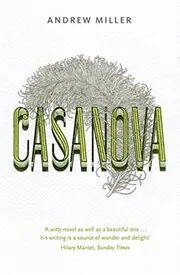
Casanova
by Andrew Miller
1998
Andrew Miller imagines Casanova in 1763, older, exiled, and far less sure of himself than legend suggests. Chasing an elusive woman in England, he is pushed from swagger into humiliation, and forced to confront the gap between seduction, love, and the self he has invented.
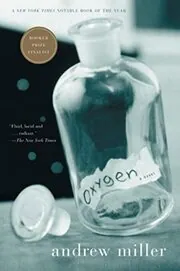
Oxygen
by Andrew Miller
2001
As Alice Valentine lies dying in her West Country home, her two sons are pulled into old resentments, missed chances, and questions about how to live. Miller ties their story to that of Hungarian playwright Laszlo Lazar, whose memories of 1956 still shadow the present.
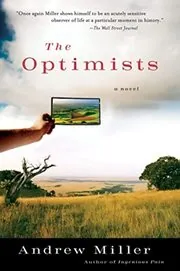
The Optimists
by Andrew Miller
2005
Photojournalist Clem Glass comes back from Africa shattered after witnessing the aftermath of a massacre. In rural Somerset, he tries to care for his fragile sister and himself, but the news that follows him home forces him to face what he saw, and what it did to him.
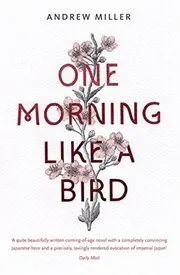
One morning like a bird
by Andrew Miller
2008
In 1940 Tokyo, young poet Yuji Takano clings to books, friendship, and evenings of French conversation while war closes in around him. As conscription, desire, and political pressure tighten their grip, he has to decide what kind of life, and courage, he can claim.
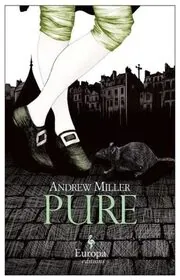
Pure
by Andrew Miller
2011
In 1785 Paris, young engineer Jean-Baptiste Baratte is ordered to clear the overflowing cemetery of Les Innocents, a task that soon turns strange, dangerous, and deeply personal. Around him, a city on the edge of revolution stirs beneath the stink of the dead.
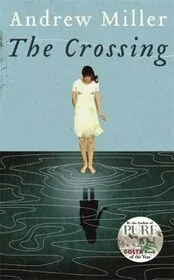
The Crossing
by Andrew Miller
2015
Maud's unhappy marriage is pushed to breaking point by tragedy, and her attempt to escape becomes a hard test of endurance. It's an intimate, tense novel about freedom, desire, and the cost of trying to live on your own terms.
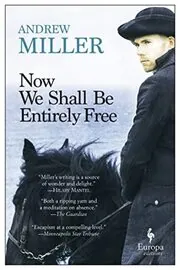
Now We Shall Be Entirely Free
by Andrew Miller
2018
After the retreat from Corunna in 1809, Captain John Lacroix comes home from Spain shattered by what he has seen and done. Hiding in the Scottish islands, he hopes for peace, but two men are hunting him and the past will not stay buried.
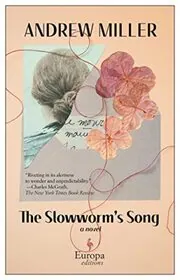
The Slowworm's Song
by Andrew Miller
2022
A summons to a Belfast inquiry drags Stephen Rose back toward the worst event of his army years in Northern Ireland. As he writes a confession for the daughter he has only just begun to know, buried guilt threatens the fragile life he has rebuilt in Somerset.

The Land in Winter
by Andrew Miller
2024
During the Big Freeze of 1962 to 1963, two neighboring couples in the English countryside find their marriages tested by cold, pregnancy, desire, and long-held resentments. As the snow closes in, ordinary domestic life turns sharp, intimate, and quietly perilous.
Where to start with Andrew Miller
If you want the breakthrough novel: Ingenious Pain → Casanova → Oxygen
If you like prize-winning historical fiction: Pure → Now We Shall Be Entirely Free → The Land in Winter
If you prefer modern, intimate drama: The Optimists → The Crossing → The Slowworm's Song
If you want a quieter wartime novel: One Morning Like a Bird
Standalone Andrew Miller books
Author bio
Andrew Miller was born in Bristol in 1960 and grew up in the West Country. After his parents split up when he was small, he moved with his mother and brother to Bath. He has described himself as a dreamy, bookish child, and his father was a doctor, so the human body and the language of medicine were early parts of the world around him.
At 18, after reading D. H. Lawrence's The Rainbow, he had the clear, sudden sense that writing was what he wanted to do.
The path was not neat. He left home young, wrote stories and poems, worked in care jobs with people with learning disabilities, and later studied English at Middlesex Polytechnic, where he graduated with a first in English. After that came years of teaching English abroad, including time in Spain and Japan, then an MA in creative writing at the University of East Anglia and doctoral work at Lancaster.
It wasn't a straight line.
That long apprenticeship shows in the books. They feel carefully made and fully imagined, but never stiff or overworked. His debut, Ingenious Pain, arrived in 1997 with the story of James Dyer, an 18th-century man who cannot feel pain or pleasure. It won major prizes and quickly marked out several things readers still come to Miller for, vivid physical detail, morally complicated characters, and a fascination with the way history presses on private lives.
He followed it with Casanova and then Oxygen, a very different novel, set in the late 20th century, about a dying woman, her sons, and the memories that shape a family. Oxygen was shortlisted for the Booker Prize, and it showed that Miller was not going to stay in one period or one mode. He can write historical fiction, contemporary fiction, war-haunted stories, and intimate domestic dramas, often all with the same steady emotional seriousness.
He doesn't stay in one lane for long.
The Optimists follows a photojournalist shattered by what he has seen in Africa. One Morning Like a Bird moves to wartime Tokyo and a young poet living in the shadow of conscription. Pure, set in pre-revolutionary Paris around the clearing of the cemetery of Les Innocents, became one of his best-known novels and won the Costa Book of the Year. Readers often talk about Miller's atmosphere first, and fairly so, but what really gives the books their pull is the way he shows conscience at work, people thinking, failing, trying again, and being changed by what they cannot quite outrun.
Later novels kept widening the map. The Crossing is intimate and contemporary, centered on a woman trying to take control of her life. Now We Shall Be Entirely Free turns to the aftermath of the Napoleonic wars. The Slowworm's Song brings the Troubles and family reckoning into contemporary Somerset, while The Land in Winter looks at two marriages during the brutal winter of 1962 to 1963. Again and again, Miller writes about people under pressure, at the edge of change, trying to live honestly after fear, grief, or self-deception.
He has lived in Spain, Japan, France, and Ireland, and he now lives in Somerset. Place matters in his fiction, whether it is Paris before the Revolution, wartime Tokyo, rural Scotland, Belfast in memory, or a snowbound English village. So do memory, the body, and the strange way the past lingers in ordinary days. That mix of clarity, emotional risk, and historical texture is what makes his novels especially rewarding to read in order.




Edited by
Software engineer whose passion for tracking book recommendations from podcasts inspired the creation of MRB.
Lead investor at 3one4 Capital whose startup expertise and love for books helped shape MRB and its growth.
Comments
Did we miss something? Have feedback?
Help us improve this page by sharing your thoughts