
22 Best Whiskey Books
The best whiskey books, ranked by how many expert sources recommend each one, with notes for beginners, tasting enthusiasts, cocktail makers, and history fans.
Our take
Whiskey books cover several different interests: how the spirit is made, how to taste it, where regional styles come from, and how distilling became an industry. A bottle directory helps with comparisons, while a history or a guided course answers different questions. Most readers will get more from choosing one of those purposes than from looking for a single book that does everything.
Tasting Whiskey offers a broad introduction, and The Complete Whiskey Course gives the subject a more structured sequence. Whiskey Master Class looks closely at production decisions and flavor. For geographical context, try The World Atlas of Whisky, preferably in a recent edition. Whisky: The Manual and Hacking Whiskey turn toward serving and experimentation. The historical books range from the business perspective of Bourbon Empire to the biographies in Dead Distillers and the overlooked contributions explored in Whiskey Women. Bottle availability and prices move faster than books, so use older guides for context. Start with a general introduction, then follow the region or question that interests you.
22 books · 9 sources · Last updated
As an Amazon Associate, we earn from qualifying purchases (at no extra cost to you).
How to choose from this list
Skip to the full rankingIf you're starting with the basics: Tasting Whiskey → The Complete Whiskey Course
If you want to understand production and flavor: Whiskey Master Class → The World Atlas of Whisky
If you want guided tasting practice: Whiskey: A Tasting Course
If you want serving ideas and experiments: Whisky: The Manual → Hacking Whiskey
If you want American whiskey history: Bourbon Empire → Bourbon → Whiskey Women
If you want short explanations to browse: The Whisky Dictionary → The Philosophy of Whisky
The 22 books, ranked
Ranked by how many expert sources name each book. Ties go to the book more people recommend.

Tasting Whiskey
An Insider's Guide to the Unique Pleasures of the World's Finest Spirits
For beginners who want tasting connected with production and regional traditions. Its balance of practical guidance and background is more rounded than a bottle checklist, though detailed regional enthusiasts may eventually want a more specialized reference.
What it's about
Lew Bryson explains whiskey’s ingredients, production, and regional traditions, including bourbon, Scotch, Irish, and Japanese styles. Guidance on tasting, serving, collecting, and pairing whiskey with food helps readers connect what happens in the distillery with what they experience in the glass.
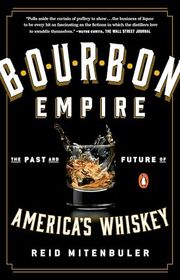
Bourbon Empire: The Past and Future of America's Whiskey
For readers curious about the gap between bourbon’s branding and its business history. It places producers and legends in a wider American context than a tasting guide, though it offers fewer practical pointers for choosing bottles.
What it's about
Reid Mitenbuler traces bourbon’s development through American politics, commerce, and culture. The book examines the people, companies, production practices, and origin stories behind the industry, exploring how economic pressures and marketing helped shape its public identity.

For beginners who prefer lessons with a clear sequence. The classroom structure connects regional knowledge with tasting practice more deliberately than a browsing reference, though completing the exercises takes more effort than reading a short introduction.
What it's about
Robin Robinson organizes whiskey education into ten classes covering history, production, regional styles, and tasting. Lessons explain aging and finishing, choosing glassware, reading labels, pairing food, and leading tastings, helping readers build knowledge through a structured course.

For readers who want to understand why whiskies taste different. Its interviews and production focus connect ingredients, stills, and casks more closely than a bottle directory, though it offers less depth on any single regional tradition.
What it's about
Lew Bryson explores the choices that shape whiskey, from ingredients and distillation to barrel treatment and maturation. Interviews with distillers and other specialists accompany explanations of Scotch, bourbon, rye, and related styles, connecting production decisions with distinctive aromas and flavors.

A Field Guide to Whisky
An Expert Compendium to Take Your Passion and Knowledge to the Next Level
For enthusiasts who want quick answers to varied whisky questions. The question-led format makes it easier to dip into than a full course, though its breadth leaves less room for sustained historical or technical argument.
What it's about
Hans Offringa answers hundreds of questions about whisky’s ingredients, production, flavors, history, and traditions. Organized as a field guide, it combines practical tasting information with maps and travel ideas, including distillery trails, bars, and festivals for further exploration.
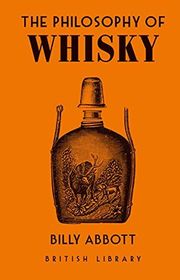
The Philosophy of Whisky
For readers who want a compact cultural introduction rather than a bottle directory. Its mix of history, explanation, and illustrations makes the subject approachable, though it has less space for technical detail or extensive regional comparisons.
What it's about
Billy Abbott explores whisky’s history, production, and cultural significance in a compact illustrated book. Discussions of different styles and drinking traditions sit alongside archival images, offering an introduction to the ideas and practices surrounding the spirit.

For enthusiasts who want to connect flavor with place and distillery practice. Its maps and regional profiles provide a broader geographical reference than the introductory courses, though the scale can overwhelm beginners and editions differ substantially.
What it's about
Dave Broom maps the whisky world through regional histories, distillery profiles, and tasting notes. This revised edition covers Scotland, Ireland, Japan, North America, and other producing regions, grouping whiskies by flavor to help readers connect geography, production, and style.

For readers who learn best by comparing aromas and flavors through guided exercises. Its practical sequence puts tasting ahead of collecting facts, though getting the full benefit requires arranging suitable samples rather than reading alone.
What it's about
Eddie Ludlow teaches whiskey appreciation through guided tastings that readers can conduct at home. The book explores malts, grains, and blends from different regions, explaining aromas and flavors alongside production, storage, serving, food pairings, and cocktail ideas.

101 Whiskies to Try Before You Die
For drinkers looking for a manageable set of bottles to explore. Its conversational selections are easier to browse than a large atlas, but availability and prices change, so treat the edition as a starting point.
What it's about
Ian Buxton selects 101 whiskies intended to broaden an enthusiast’s experience across countries and styles. This revised fourth edition combines familiar bottles with less widely known choices, offering straightforward guidance that focuses on accessible tasting exploration rather than rarity or luxury.

For readers concentrating on American styles who want bottle comparisons alongside background. Its alphabetical entries make targeted browsing straightforward, though bottlings and prices change, limiting the value of older editions as current shopping references.
What it's about
Clay Risen combines an introduction to American whiskey with an alphabetical guide to hundreds of bottlings. Distillery histories, tasting notes, and details such as age and proof help readers compare bourbon and rye, understand production, and navigate the range of available styles.

For readers interested in how bourbon became an American industry and cultural symbol. Its historical sweep provides context that tasting manuals lack, though it is more useful for understanding the category than choosing a specific bottle.
What it's about
Fred Minnick traces bourbon’s development from early American distilling through Prohibition, decline, and renewed popularity. The history explores disputed origins, influential producers, changing laws, and political pressures, showing how an American whiskey became a distinctive industry and cultural tradition.

For readers who prefer individual lives and historical oddities to a formal tasting course. The biographical approach gives American distilling a human scale, though it covers spirits history more broadly and offers little help comparing present-day bottles.
What it's about
Colin Spoelman recounts the lives of fifty figures connected to American distilling, from farmers and inventors to outlaws and presidents. Historical images, maps, and newspaper material place their stories within the Whiskey Rebellion, Prohibition, and the development of American spirits.

For newcomers who want an informal introduction with some cocktail ideas. Its accessible overview makes an easier first read than a detailed atlas, but readers wanting a structured tasting education will need a more systematic companion.
What it's about
Daniel Yaffe introduces whiskey’s origins, styles, production, and flavors for readers developing an interest in the spirit. Practical explanations help with choosing and enjoying bottles, while cocktail recipes show how whiskey can become the foundation for a range of drinks.

For curious home bartenders who want to experiment with flavors. Its playful blending and infusion ideas go beyond conventional tasting guides, though readers seeking an orderly introduction to whiskey styles should start with a broader course.
What it's about
Aaron Goldfarb explores unconventional ways to experiment with whiskey, including blending, smoking, infusion, and fat washing. The book encourages curious drinkers to alter familiar spirits, try small-scale finishing techniques, and investigate how different ingredients and treatments change flavor.

Imbibe!
For readers interested in the historical roots of whiskey cocktails. Its research gives classic drinks a richer setting than a recipe collection, though it ranges across spirits and is less useful for learning whiskey production or regions.
What it's about
David Wondrich investigates the emergence of American cocktail culture through the life and influence of bartender Jerry Thomas. Historical research, anecdotes, and reconstructed recipes connect nineteenth-century drinking practices with the classic cocktails that followed in their wake.

Jim Murray's Whiskey Bible
For readers who want to browse one critic’s extensive tasting notes. The compact ratings reference offers more individual assessments than most introductions, but scores express personal preference and the annual edition determines which releases it covers.
What it's about
Jim Murray’s annual guide presents tasting notes and ratings for thousands of whiskies from around the world. The North American edition organizes American whiskey by state before covering other regions, helping readers explore styles, compare bottles, and consider Murray’s assessments.

For readers interested in the people overlooked by conventional whiskey histories. Its focus on women in production and business offers a different historical lens, though it is a narrative history rather than a tasting or buying guide.
What it's about
Fred Minnick examines women’s contributions to whiskey as brewers, distillers, business owners, and bootleggers. Stories from the industry’s history, including Prohibition and Scotch production, show how women shaped spirits businesses while navigating restrictions and assumptions about their roles.
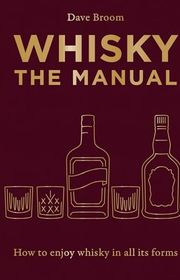
Whisky: The Manual
For readers who want to explore whisky through serving choices and mixed drinks. Its attention to how different whiskies behave with mixers complements the regional guides, though it is less comprehensive as a distillery or production reference.
What it's about
Dave Broom introduces whisky styles through flavor and practical ways of drinking them. Tasting notes, serving suggestions, food pairings, and cocktail ideas explore how whiskies change with different mixers and how readers can compare those combinations.

For readers who want a short, approachable explanation before opening a larger reference. Its coverage of basic styles and serving makes the subject less intimidating, though experienced enthusiasts will find less technical detail than in Whiskey Master Class.
What it's about
Sam Green introduces whiskey styles, history, and production for readers starting to explore the spirit. Explanations of grain, aging, and blending accompany guidance on nosing and tasting, selecting bottles, serving whiskey, pairing food, and preparing cocktails.

The North American Whiskey Guide from Behind the Bar
Real Bartenders' Reviews of More Than 250 Whiskeys - Includes 30 Standout Cocktail Recipes
For home bartenders choosing American and Canadian whiskies for mixed drinks. The bartender perspective connects bottle reviews with cocktails more directly than a history book, though its selection reflects the market when it was published.
What it's about
Chad Berkey and Jeremy LeBlanc guide readers through North American whiskey with reviews of 250 bottles and thirty cocktail recipes. Background on whiskey history and flavor accompanies practical comparisons, helping drinkers choose bottles and use them in mixed drinks.

The Whisky Dictionary
An A–Z of Whisky, from History & Heritage to Distilling & Drinking
For readers who keep encountering unfamiliar terms while reading labels or distillery descriptions. The alphabetical format makes individual concepts easy to check, though it is less suited to learning the whole subject in a planned sequence.
What it's about
Ian Wisniewski explains whisky terminology through an alphabetical reference covering ingredients, production, history, and drinking culture. Entries range from fermentation and casks to regional styles, flavor, and cocktails, helping readers understand the language used by distillers and enthusiasts.

For enthusiasts who want short anecdotes and amusing cultural observations. The browsing format makes a lighter companion to technical manuals, though it provides less sustained explanation of production, tasting, or the development of the industry.
What it's about
Gavin D. Smith gathers whisky-related stories, quotations, jokes, and anecdotes from industry figures and literary sources. The collection explores the spirit’s place in everyday life and culture, combining historical oddities and amusing observations with cartoons and tales from the whisky world.
Sources
- 1
The 11 Best Books For Whiskey Lovers
gearmoose.com
- 2
13 Best Whiskey Books In 2023: Reviews & Buying Guide
advancedmixology.com
- 3
Best whiskey books
thedramdesk.com
- 4
Whisky Books
goodreads.com
- 5
Books to understand whisky
reddit.com
- 6
What's the best book you've read about whiskey/bourbon?
reddit.com
- 7
5 Of The Best Whisky Books To Broaden Your Whisky Knowledge
thewhiskeywash.com
- 8
The 12 Best Whiskey Books of 2023
liquor.com
- 9
10 Whisky Books That Whisky Lovers Will Actually Read
thewhiskeywash.com






Edited by
Software engineer whose passion for tracking book recommendations from podcasts inspired the creation of MRB.
Lead investor at 3one4 Capital whose startup expertise and love for books helped shape MRB and its growth.
Comments
Spotted a missing book, a wrong order or a mistake? Tell us and we'll fix this page.
We're a reading guide, not the author or publisher, so we can't send books or pass on messages.