
22 Best Aromatherapy Books
The best aromatherapy books, ranked by how many expert sources recommend each one, with notes on who they suit, from beginners to professional students.
Our take
Aromatherapy books range from collections of fragrant household recipes to technical references on oil chemistry and hazards. Some explore botanical ingredients and blending. Others interpret scent through emotional, spiritual, or traditional medical frameworks. Choosing between them starts with knowing whether you want to make something, study the materials, or understand the ideas behind the practice. Therapeutic claims across these books do not all have the same evidential support.
The Heart of Aromatherapy offers an approachable introduction, while The Complete Book of Essential Oils and Aromatherapy provides a much larger recipe collection. Essential Oil Safety is a detailed companion for investigating risks, rather than a casual first read. For deeper study, Aromatherapeutic Blending examines formulation and Power of the Seed concentrates on fixed plant oils. Historical works and spiritual guides serve different purposes from current safety references. Start with the accessible introduction, then choose a specialist book that matches the questions you actually have.
22 books · 6 sources · Last updated
As an Amazon Associate, we earn from qualifying purchases (at no extra cost to you).
How to choose from this list
Skip to the full rankingIf you're new to the subject: The Heart of Aromatherapy → Essential Oil Safety
If you want to study formulation: Aromatherapeutic Blending → Essential Oil Safety
If you want to understand carrier ingredients: Power of the Seed → Carrier Oils for Aromatherapy & Massage
If you're interested in the history: Gattefossé's Aromatherapy → The Art of Aromatherapy
If you want spiritual perspectives: Aromatherapy for Healing the Spirit → Aromatherapy for the Soul
The 22 books, ranked
Ranked by how many expert sources name each book. Ties go to the book more people recommend.

For serious students and professionals who need to investigate hazards and exposure limits. Its detailed risk discussion complements the recipe books here, though the technical material makes it a demanding first introduction to essential oils.
What it's about
Robert Tisserand and Rodney Young examine essential-oil hazards using human, animal, and constituent data. Hundreds of oil profiles accompany discussions of drug interactions, exposure limits, and regulation, providing a reference for evaluating risks in professional practice.

For students moving beyond recipes who want to examine why ingredients are combined. Rhind connects sensory choices with chemistry and blending theory, though the technical discussion asks more concentration than a beginner's practical guide.
What it's about
Jennifer Peace Rhind examines how essential oils interact in blends, comparing molecular, sensory, and holistic approaches. Oil profiles, tables, and methods for reviewing client outcomes help practitioners assess the rationale and limitations of synergistic formulations.

The Complete Book of Essential Oils and Aromatherapy
For readers who want a large collection of household and personal-care blends to browse. Worwood offers more recipe variety than the focused references here, though natural ingredients and the title's reassuring language do not guarantee safety.
What it's about
This revised guide gathers more than eight hundred essential-oil recipes for personal care, household tasks, and everyday routines. Worwood discusses blending and applications across different ages and settings, including travel, workplaces, gardens, and animal care.

375 Essential Oils and Hydrosols
For readers who want botanical context across oils, hydrosols, and related aromatics. Rose's broad profiles invite comparison beyond familiar ingredients, though the older therapeutic interpretations and safety information need checking against more recent specialist references.
What it's about
Jeanne Rose profiles essential oils by botanical family, plant growth, chemical components, and the uses she attributes to them. Historical notes, botanical illustrations, essays on selected plants, and a section on hydrosols extend the reference.
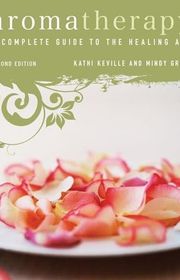
Aromatherapy: A Complete Guide to the Healing Art
For beginners who want a structured introduction before tackling specialist references. Keville and Green bring background, practical applications, and formulation together, though the broad therapeutic scope requires more critical reading than a book devoted solely to safety.
What it's about
Kathi Keville and Mindy Green introduce aromatherapy's history, essential-oil properties, extraction, and practical applications. The guide combines ingredient information with instructions and formulas for personal care, inviting readers to understand the materials as well as follow recipes.

The Encyclopedia of Essential Oils
The Complete Guide to the Use of Aromatic Oils In Aromatherapy, Herbalism, Health, and Well Being
For readers who want to look up botanical origins, extraction methods, and traditional uses. Lawless is more convenient for checking individual oils than reading continuously, though historical applications should not be mistaken for proven treatment indications.
What it's about
Julia Lawless provides an alphabetical reference to more than 190 essential oils, covering plant origins, related species, extraction, and traditional uses. Safety information and a botanical index help readers distinguish oils and understand the background to their applications.

Aromatherapy for Healing the Spirit
A Guide to Restoring Emotional and Mental Balance Through Essential Oils
For readers interested in fragrance through traditional Chinese and emotional frameworks. Mojay explains a distinctive way of selecting oils, though the spiritual and energetic interpretations should be distinguished from established evidence for treating mental health conditions.
What it's about
Gabriel Mojay interprets essential oils through traditional Chinese concepts of qi and emotional balance. Profiles of forty oils accompany his approaches to blending, massage, and acupressure, explaining the ideas behind their proposed psychological and spiritual uses.

For readers who want fragrance as part of meditation and personal ritual. Worwood gives spiritual reflection more space than the practical household guides, though its interpretations are not a substitute for evidence about psychological treatment.
What it's about
Valerie Ann Worwood explores fragrance as part of spiritual practice, drawing on traditions involving prayer and meditation. Profiles of seventy essential oils, charts, and exercises present her approaches to incorporating scent into personal reflection and ritual.

For practitioners comparing detailed oil profiles across chemical, psychological, and traditional frameworks. Holmes offers more interpretive depth than a recipe collection, though the clinical language does not mean every proposed application has equally strong supporting evidence.
What it's about
The first volume of Peter Holmes's clinical guide profiles thirty essential oils. It combines discussions of constituents and administration with his physiological, psychological, and traditional Chinese interpretations of the oils and their proposed therapeutic applications.

Carrier Oils for Aromatherapy & Massage
For readers choosing the base oils used in massage and skin-care blends. Its focus helps separate carrier selection from essential-oil selection, though it is a narrower and older reference than a general introduction to aromatherapy.
What it's about
Leonard Price examines the fixed and infused plant oils used as bases in aromatherapy and massage. Discussions of chemistry and processing accompany oil profiles, explaining how practitioners can compare carriers and choose ingredients for their blends.

For healthcare readers examining aromatherapy within nursing and other care settings. Buckle addresses practical integration and contraindications more directly than home guides, though this older edition needs supplementing with current evidence and local clinical policies.
What it's about
Jane Buckle examines aromatherapy in nursing and clinical settings, including hospitals, hospices, and community care. The guide discusses essential-oil use across specialties, with attention to toxicity, contraindications, and the practical demands of integrating complementary approaches into care.

For readers studying how modern aromatherapy developed. The historical cases and editorial context reveal early arguments behind the practice, though the book records an earlier stage of knowledge rather than providing a current clinical standard.
What it's about
This English edition presents René-Maurice Gattefossé's pioneering aromatherapy text with Robert Tisserand's editorial notes. Discussions of oil constituents, properties, and toxicity accompany historical case accounts, documenting the author's early arguments for the medicinal use of aromatic substances.

For readers curious about aromatic waters rather than concentrated essential oils. Catty gives this often-overlooked material its own extended treatment, though proposed therapeutic uses need more scrutiny than the practical discussion of production, quality, and storage.
What it's about
Suzanne Catty explores the aromatic waters produced through steam distillation, profiling sixty-seven hydrosols. Formulas and recipes illustrate their proposed uses in cosmetics, cooking, and aromatherapy, with discussion of their characteristics and relationship to essential oils.

For readers making skin-care products who want to understand fixed plant oils. Parker gives carrier ingredients more attention than essential-oil recipe collections, though this specialized focus is less useful if your main interest is scent or diffusion.
What it's about
Susan M. Parker profiles more than ninety plant oils used in skin care, cosmetics, and massage. The guide explains how to select and blend these fixed oils, then incorporates them into recipes for lotions, salves, and other preparations.
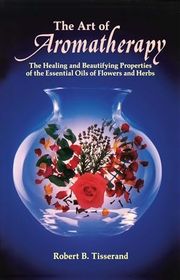
The Art of Aromatherapy
For readers interested in a foundational English-language account of aromatherapy. Tisserand connects the practice's history with plant oils and their proposed uses, though this early work should be read alongside later safety research rather than followed uncritically.
What it's about
Robert Tisserand surveys aromatherapy's background, aromatic plants, and the proposed applications of their essential oils. This early English-language work combines historical discussion with oil profiles and accounts of how fragrance and plant extracts entered therapeutic practice.

For readers who like an alphabetical reference paired with many everyday formulations. The handbook makes it easy to move from an ingredient to a possible blend, though its breadth offers less depth on individual safety questions.
What it's about
Nerys Purchon and Lora Cantele combine an alphabetical reference to essential oils with hundreds of recipes for everyday applications. Profiles discuss botanical identities, extraction, and traditional uses, while formulas illustrate approaches to blending and personal care.

The Complete Guide to Aromatherapy
For committed students who want chemistry, botany, oil profiles, and professional context in one reference. Battaglia offers a broader study companion than the introductory guides, though its scale and terminology can overwhelm casual readers.
What it's about
This aromatherapy reference covers essential-oil chemistry, botany, pharmacology, quality control, and safety. Profiles of individual oils accompany discussions of body systems and professional practice, bringing technical background together with the author's approaches to selecting and using oils.

Aromatherapy and Chakras
For readers combining scent with yoga, meditation, or chakra traditions. Battaglia offers a coherent spiritual framework for that interest, though energy-center concepts should be read as part of the tradition rather than established medical anatomy.
What it's about
Salvatore Battaglia connects aromatherapy with the seven chakras, drawing on Eastern and Western ideas about energy and consciousness. He presents essential-oil applications alongside yoga and meditation within his proposed framework for spiritual practice.

For visual learners who want an accessible overview of oils, storage, and everyday blending. The illustrated format makes browsing easier than a technical manual, though its therapeutic suggestions still need separating from the strength of available evidence.
What it's about
This illustrated guide profiles eighty-eight essential oils and explains how to select, blend, store, and apply them. Recipes for personal and household use accompany safety guidance and an alphabetical reference to the oils' characteristics and proposed applications.

For readers exploring the author's associations between fragrance, personality, and mood. The emotional focus distinguishes it from household recipe books, though the personality categories and proposed effects are interpretive rather than validated tools for mental health care.
What it's about
Valerie Ann Worwood proposes ways to select essential oils according to mood, emotional concerns, and personality. An alphabetical guide to emotional issues and suggested blends explains her approach to using fragrance in psychological and personal care.

For beginners who enjoy learning through approachable oil profiles and sourcing stories. Butje gives a friendlier entry than a technical handbook, though its selected oils and recipes offer less depth than a comprehensive professional reference.
What it's about
Andrea Butje introduces forty essential oils through profiles and accounts of sourcing them from distillers. More than a hundred recipes illustrate applications in skin care, relaxation routines, meditation, and cleaning, alongside guidance on selection and safety.

The Practice of Aromatherapy
A Classic Compendium of Plant Medicines and Their Healing Properties
For readers studying the medicinal traditions that shaped aromatherapy. Valnet gives historical context for later clinical writing, though its therapeutic claims and suggested applications need assessment against current evidence rather than adoption as modern treatment advice.
What it's about
Jean Valnet argues for the medicinal use of plant essences, bringing traditional herbal practice together with his interpretation of scientific research. Profiles of fifty plants and their oils document the principles and applications of his aromatherapy approach.
Sources






Edited by
Software engineer whose passion for tracking book recommendations from podcasts inspired the creation of MRB.
Lead investor at 3one4 Capital whose startup expertise and love for books helped shape MRB and its growth.
Comments
Did we miss something? Have feedback?
Help us improve this page by sharing your thoughts