
13 Best Triathlon Books
The best triathlon books, ranked by how many expert sources recommend each, with notes on training plans, racing skills, memoirs, and who each book suits.
Our take
Triathlon books serve different needs even when they share a finish line. Training references help organize swimming, cycling, running, and recovery across a season. More focused guides examine strength, cycling data, or the mental demands of racing. Memoirs and race histories offer another kind of value: they show the ambitions, setbacks, and everyday commitments behind the results.
The Triathlete's Training Bible suits readers who want to understand and build their own training structure. Be IronFit offers a more schedule-led route for long-course preparation, while Fast-Track Triathlete considers demanding work and family lives. 80/20 Triathlon centers on intensity balance; Going Long gives iron-distance racing sustained attention. For a specific obstacle, consider Strength Training for Triathletes, The Power Meter Handbook, or The Brave Athlete. If motivation matters more than another plan, try A Life Without Limits or Dare to Tri. Start with your race distance and current experience, then choose a guide or a personal story to match.
13 books · 7 sources · Last updated
As an Amazon Associate, we earn from qualifying purchases (at no extra cost to you).
How to choose from this list
Skip to the full rankingIf you want to plan your own training: The Triathlete's Training Bible
If you're preparing for a long-course race: Be IronFit → Going Long
If you're balancing training with a busy life: Fast-Track Triathlete
If you want a defined intensity framework: 80/20 Triathlon
If race nerves get in your way: The Brave Athlete
If you want motivation and perspective: Dare to Tri → A Life Without Limits → Iron War
The 13 books, ranked
Ranked by how many expert sources name each book. Ties go to the book more people recommend.

For self-coached triathletes who want to understand how a season fits together. Its planning framework supports adaptation across races and abilities, though the substantial detail takes more effort to apply than following a ready-made weekly schedule.
What it's about
Joe Friel presents a framework for planning and managing triathlon training across a season. The guide addresses weekly workouts and race preparation, helping athletes consider the details involved in organizing their preparation and competition.

Fast-Track Triathlete
Balancing a Big Life with Big Performance in Long-Course Triathlon
For athletes balancing long-course goals with work and family commitments. Its integrated approach considers recovery and scheduling alongside workouts, though the time-efficient framing still assumes a meaningful weekly commitment and an existing fitness base.
What it's about
Matt Dixon presents long-course triathlon training designed around demanding work and family schedules. Seasonal plans, strength work, travel strategies, and race preparation help readers organize training while accounting for limited time, fatigue, and recovery.
Also recommended by
1 person Max Levchin recommended this book
Max Levchin
"A smart pragmatic guide for time-starved triathletes." - Max Levchin
Max Levchin's recommendation of this book
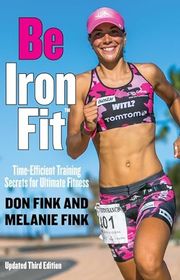
Be IronFit: Time-Efficient Training Secrets for Ultimate Fitness
For busy athletes who want a concrete structure for preparing for an iron-distance race. Its schedules make planning more immediately usable than a theory-led reference, though a published plan still requires adjustment when recovery, commitments, or experience differ.
What it's about
Don and Melanie Fink present an approach to iron-distance triathlon preparation built around time management and structured training plans. The book connects swim, bike, and run sessions with strength work, nutrition, mental preparation, and race-day organization.
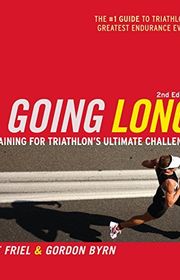
Going Long: Training for Ironman-Distance Triathlons
For triathletes who want to study long-course preparation in greater depth. Its concentration on iron-distance demands gives pacing, endurance, and race execution more room, though the technical discussion is a heavier starting point than a simple first-race plan.
What it's about
Joe Friel and Gordon Byrn examine preparation for iron-distance triathlon, connecting swimming, cycling, and running with season planning, recovery, nutrition, and race execution. The discussion helps athletes consider the demands of combining three disciplines over a long event.

80/20 Triathlon
For athletes who want a defined approach to balancing easier and harder training across three disciplines. Its distance-specific plans make the framework concrete, though the method requires honest intensity control and more structured tracking than a casual routine.
What it's about
Written for triathletes at every level, this book applies the 80/20 method to swimming, biking, and running. It combines the science of intensity balance with detailed plans from sprint races to Ironman.

For readers who want to understand a champion's motivations and life beyond race results. Its candid personal perspective broadens the picture of elite sport, though it is a memoir and offers less structured instruction than a training manual.
What it's about
Chrissie Wellington recounts the path from her English childhood and international travels to success in Ironman triathlon. Personal challenges, training experiences, and reflections on motivation accompany her account of discovering the sport and becoming a world champion.

Finding Ultra
Rejecting Middle Age, Becoming One of the World's Fittest Men, and Discovering Myself
For readers interested in personal change through endurance sport in middle age. Its connection between recovery and athletic ambition gives the story emotional context, though the author's exceptional experience and dietary choices do not establish a training prescription for others.
What it's about
Rich Roll recounts rebuilding his life and fitness in middle age after struggles with alcoholism and inactivity. His transition toward plant-based eating and endurance competition connects demanding athletic experiences with reflections on recovery, determination, and changing long-established habits.

For readers who want the history and psychology of elite triathlon through a focused sporting rivalry. The race-centered narrative gives competition immediacy, though its interpretation of the athletes is an outside reconstruction rather than an agreed firsthand account.
What it's about
Fitzgerald retells the legendary 1989 Ironman World Championship duel between Dave Scott and Mark Allen. It's both a gripping race story and a close look at rivalry, obsession, and what top endurance athletes will endure.

Strength Training for Triathletes
The Complete Program to Build Triathlon Power, Speed, and Muscular Endurance
For triathletes who want resistance work organized around the demands of swimming, cycling, and running. Its sport-specific focus helps connect gym exercises with a training schedule, though it covers one component of preparation rather than a complete race plan.
What it's about
Patrick Hagerman presents a progressive strength training program tailored to triathlon. The book focuses on developing power, speed, and muscular endurance through exercises intended to complement the demands of swimming, cycling, and running.

For athletes whose nerves, confidence, or intrusive thoughts interfere with training and racing. Its exercises address specific mental obstacles more directly than a champion's memoir, though the informal language and simplified psychological framework will not suit every reader.
What it's about
Simon Marshall and Lesley Paterson examine common mental challenges in athletic training and competition. Practical exercises address nerves, confidence, unwanted thoughts, and pressure, combining sports psychology with experiences from endurance racing and coaching.

For cyclists and triathletes who have power data but need help using it purposefully. The focused introduction connects measurements with pacing and planning, though it assumes access to the equipment and does not cover the swimming or running portions of preparation.
What it's about
Joe Friel explains how cyclists and triathletes can interpret power meter data and apply it to training. He discusses pacing, tracking fitness, organizing a race season, and preparing for key events through a structured approach.

For readers who want a visual account of elite training and family life. The photographs make the daily environment of a champion tangible, though the personal snapshots and reflections provide less systematic guidance than a dedicated coaching book.
What it's about
Craig Alexander reflects on elite triathlon training, racing, and family life, with photographs by Paul K. Robbins. The book considers influential career experiences and pivotal workouts during his 2011 and early 2012 seasons.

For adults who want an approachable account of entering competitive triathlon alongside an established career. The attention to nerves and setbacks makes the transition relatable, though the personal journey is more motivational than a detailed program to follow.
What it's about
Louise Minchin recounts returning to competitive sport after decades away and taking her first steps in triathlon. Her memoir follows the training, nerves, self-doubt, and setbacks involved in pursuing international competition alongside her television career.
Sources
- 1
20 Best Triathlon Books for Training, Inspiration, and Enjoyment
bettertriathlete.com
- 2
Best Triathlon Books: Our Expert Picks
triathlete.com
- 3
Best Ironman Triathlon Training Books: A Coach’s Honest Picks for 2026
sportcoaching.com.au
- 4
10 Best Triathlon Books for training and motivation
trigearlab.com
- 5
Triathlon Books
goodreads.com
- 6
Any must have books for triathletes?
reddit.com
- 7
Favorite triathlon training books?
reddit.com






Edited by
Software engineer whose passion for tracking book recommendations from podcasts inspired the creation of MRB.
Lead investor at 3one4 Capital whose startup expertise and love for books helped shape MRB and its growth.
Comments
Spotted a missing book, a wrong order or a mistake? Tell us and we'll fix this page.
We're a reading guide, not the author or publisher, so we can't send books or pass on messages.