
17 Best Translation Books
The best translation books, ranked by how many expert sources recommend each one, with notes for curious readers, working translators, and students of the field.
Our take
Translation involves choices about meaning, voice, audience, and form. A translator may need to preserve a joke, recreate a poetic constraint, or decide how unfamiliar a text should feel to its new readers. Books about the subject range from personal accounts of literary work to structured coursebooks and debates about the cultural power of translation. They offer different ways to understand those choices, whether you read translated literature or hope to translate it yourself.
Is That a Fish in Your Ear? is an approachable introduction for curious readers, while Why Translation Matters makes a literary translator’s case for the work’s importance. Students can begin with Introducing Translation Studies or use In Other Words to examine practical problems. The Translation Studies Reader opens a wider range of theoretical arguments. For a closer look at poetic tradeoffs, Le Ton beau de Marot follows the possibilities of a single short poem. Start with a general account, then choose between professional practice, literary craft, and academic study.
17 books · 8 sources · Last updated
As an Amazon Associate, we earn from qualifying purchases (at no extra cost to you).
How to choose from this list
Skip to the full rankingIf you're curious about how translation works: Is That a Fish in Your Ear? → Why Translation Matters
If you're beginning translation studies: Introducing Translation Studies → The Translation Studies Reader
If you want to analyze practical translation problems: In Other Words → Becoming a Translator
If you want literary translators’ perspectives: If This Be Treason → In Translation → Experiences in Translation
If you want to examine poetry and linguistic constraints: Le Ton beau de Marot
If you want cultural and ethical debates: The Translator's Invisibility → Translation Changes Everything
The 17 books, ranked
Ranked by how many expert sources name each book. Ties go to the book more people recommend.

For curious readers who want translation explained without beginning with academic theory. Its varied examples connect literary work with everyday communication, but the breadth makes it an introduction to the questions rather than a systematic course in translating.
What it's about
David Bellos explores how translation works across literature, speech, film, humor, and international affairs. Historical examples and practical questions reveal the choices translators make and show how exchanging meaning between languages shapes culture and everyday communication.
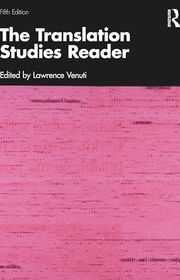
The Translation Studies Reader
For students ready to read major arguments in translation studies directly. The fifth edition places varied readings in historical and thematic context, but its academic range and competing positions make it more demanding than a single-author introductory textbook.
What it's about
Edited by Venuti, the fifth edition collects writings on translation theory and research across historical periods. Section introductions frame competing approaches, while revised selections address newer debates involving culture, migration, and world literature alongside earlier discussions of language and interpretation.
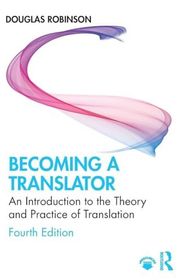
Becoming a Translator
For aspiring translators who want theory connected to the working life of the profession. The fourth edition considers technology, learning, and practical pressures, but its broad scope cannot replace language-specific training or current information about an individual market.
What it's about
Robinson connects translation theory with the practical demands of learning and working as a translator. The fourth edition addresses professional development, technology, multimedia work, and cognitive approaches, while considering accuracy, speed, stress, and participation in communities of practice.
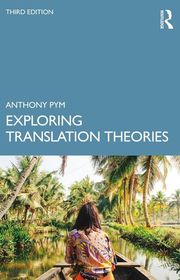
Exploring Translation Theories
For students who want to compare approaches rather than memorize a single model. The third edition organizes theories around their underlying problems and implications, but the concise presentation can be dense and assumes sustained attention to conceptual distinctions.
What it's about
Pym surveys contemporary translation theories through questions about equivalence, purpose, uncertainty, automation, and culture. The third edition expands its geographical and technological coverage, asking readers to compare the strengths and limitations of approaches and their implications for translation practice.
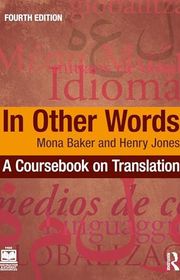
In Other Words
For students who want to analyze practical translation problems through language and meaning. The fourth edition connects concepts with authentic examples and ethical questions, but it remains a coursebook requiring active work rather than a quick collection of tips.
What it's about
Baker and Jones examine translation challenges involving vocabulary, grammar, pragmatics, semiotics, and ethics in the fourth edition. Concepts and authentic examples support discussion of possible strategies, helping students analyze how meaning operates across texts, languages, and communicative situations.
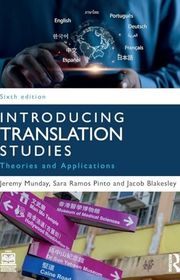
Introducing Translation Studies
For students who want a structured map of translation theories and their applications. The sixth edition combines concepts with examples across languages and text types, but its survey format still requires close study and practice beyond the explanations.
What it's about
The sixth edition surveys major approaches to translation studies and applies them to texts across languages and genres. Chapters combine explanations of theory with examples, discussion, and further work, helping students relate abstract concepts to choices in translation.
Why Translation Matters
For general readers who want a translator’s argument for the value of translated literature. Its direct, personal voice makes the cultural stakes accessible, but it is an essayistic defense of the craft rather than a practical training course.
What it's about
Grossman reflects on literary translation, drawing on her work with Spanish-language fiction and poetry. She examines the translator’s creative responsibilities, the relationship with the original author, and the cultural consequences of how translated books are read, published, and valued.
After Babel
For readers prepared for a broad philosophical exploration of language and interpretation. Its reach connects translation with how people understand one another, but the dense prose, literary references, and historical theories make it a demanding starting point.
What it's about
Steiner examines translation as part of the larger problem of understanding language across people, periods, and cultures. Literary examples inform his exploration of interpretation, linguistic difference, and the relationship between meaning and expression, extending translation beyond the exchange between national languages.
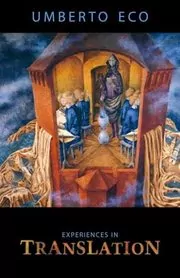
Experiences in Translation
For readers interested in how an author and translator reasons through concrete textual problems. Eco’s examples make interpretation and cultural context tangible, but the theoretical vocabulary and literary references can challenge readers seeking a straightforward practical handbook.
What it's about
Based on lectures, this slim volume mixes theory and anecdote as Eco examines how meaning shifts in translation, drawing on his experience as both translator and translated author to show translation as a creative, interpretive act.
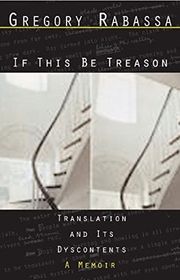
If This Be Treason
For readers who want to follow literary translation through one practitioner’s career. The memories connect decisions with particular writers and books, but the anecdotal organization offers a personal perspective rather than a general account of translation theory.
What it's about
Rabassa recounts his life and work translating Latin American literature into English. Reflections on authors, languages, and individual books accompany his account of the translator’s choices, offering a personal view of how literary works travel between cultures.
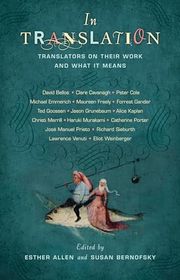
In Translation
For readers who want several translators’ perspectives on literary craft and responsibility. The variety prevents one approach from becoming the only model, but the essays differ in focus and depth and do not form a step-by-step curriculum.
What it's about
Allen and Bernofsky gather essays by literary translators working across many languages. Contributors discuss technique, style, cultural exchange, and the pressures surrounding publication, connecting practical decisions about words and voices with the wider significance of bringing literature to new readers.
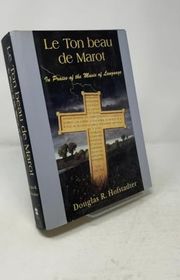
Le Ton beau de Marot
For readers who enjoy sustained puzzles about poetic form, meaning, and linguistic invention. Its many versions of one poem make tradeoffs unusually visible, but the long, digressive treatment demands much more time than a compact introduction to translation.
What it's about
Hofstadter uses translations of a short poem by Clément Marot to investigate meaning, sound, form, and creativity. His own attempts and those of others open into wider reflections on language, poetry, and the challenges of recreating constraints in another tongue.
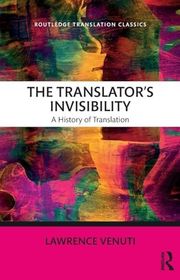
The Translator's Invisibility
For readers examining the politics behind fluent literary translation into English. Its historical argument makes the translator’s apparent disappearance a cultural question, but the polemical emphasis and specialist vocabulary reward preparation in translation studies rather than casual browsing.
What it's about
Venuti traces the preference for fluent translation in English-language literary culture and examines its effects on foreign writing. Historical examples support his argument about the translator’s visibility, the values embedded in translation, and alternatives to making a text appear domestically familiar.
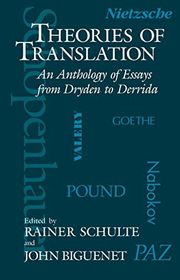
Theories of Translation
For students who want historical arguments about literary translation in the writers’ own voices. The anthology allows comparison across periods and positions, but the philosophical essays vary in difficulty and offer less guidance than a contemporary introductory coursebook.
What it's about
Schulte and Biguenet collect essays on literary translation from Dryden to Derrida, tracing changing arguments about its aims and possibilities. Writers from different periods and cultures address language, interpretation, and fidelity, providing primary texts for studying the history of translation thought.
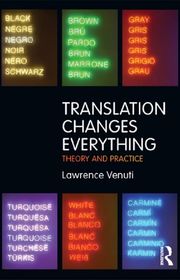
Translation Changes Everything
For readers already familiar with translation studies who want Venuti’s later critical arguments. The case studies connect ethical and cultural questions with textual choices, but the collection assumes theoretical background and is less accessible than a general introduction.
What it's about
Venuti gathers fourteen essays examining translation concepts, cultural institutions, and ethical questions. Discussions of equivalence, retranslation, reception, and the translator’s role draw on case studies, including his own projects, to connect theoretical claims with decisions made in translating texts.
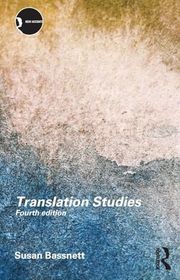
Translation Studies
For students who want an introduction grounded in literary and cultural questions. Its historical perspective helps place translation within wider debates, but the fourth edition’s treatment of technology needs supplementing with more recent work on contemporary tools and practices.
What it's about
Bassnett introduces translation as a field connecting language, literature, history, and culture. The fourth edition traces changing approaches and examines the place of translation across disciplines, including discussion of newer media and technologies within a broader account of textual exchange.

Lost in Translation
An Illustrated Compendium of Untranslatable Words from Around the World
For readers who want an illustrated invitation to notice differences between languages. The short entries make enjoyable browsing and a compact gift, but the lack of direct English equivalents does not mean the ideas cannot be translated or explained.
What it's about
Ella Frances Sanders illustrates more than fifty words that have no direct English equivalent. Brief definitions and drawings explore feelings, situations, and everyday experiences named by other languages, offering glimpses of the cultures and subtleties behind them.
Sources
- 1
100 Best Translation Books of All Time
shortform.com
- 2
Books on Translation
reddit.com
- 3
Books on the process of translating classic literature into English
reddit.com
- 4
Bibliography on Books on Translation/Translation Studies
ntm.org.in
- 5
Links and recommended reading
emergingtranslatorsnetwork.wordpress.com
- 6
Translation Studies Books
goodreads.com
- 7
Introduction to Translation Studies
libraryguides.mcgill.ca
- 8
6 Great Introductions to the Art of Translation
catranslation.org









Edited by
Software engineer whose passion for tracking book recommendations from podcasts inspired the creation of MRB.
Lead investor at 3one4 Capital whose startup expertise and love for books helped shape MRB and its growth.
Comments
Spotted a missing book, a wrong order or a mistake? Tell us and we'll fix this page.
We're a reading guide, not the author or publisher, so we can't send books or pass on messages.