
Toni Morrison Books in Order
Browse Toni Morrison books in order, with summaries, reading guides, and background on her novels and essays, plus tips on where to start reading her work.
Last updated:
As an Amazon Associate, we earn from qualifying purchases (at no extra cost to you).
This series has 1 recommender.

Toni Morrison books in publication order
45 books
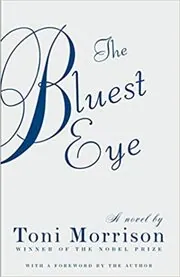
The Bluest Eye
by Toni Morrison
1970
In 1940s Ohio, eleven-year-old Pecola Breedlove prays for blue eyes, believing they will make her lovable. Through her story and the neighborhood girls who watch her, the novel reveals how racism twists beauty, family, and self-worth.
Recommended by
2 people Oprah Winfrey recommended this book
Oprah Winfrey
"One of the things [the author is] able to do in this book is [to let] people know that they are not alone." - Oprah Winfrey
Oprah Winfrey's recommendation of this book  Diane Rehm recommended this book
Diane Rehm
"The story of a young girl growing up in the years following the Great Depression and who is convinced that her blackness makes her ugly and worthless." - Diane Rehm
Diane Rehm's recommendation of this book
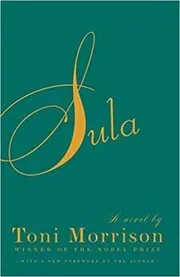
Sula
by Toni Morrison
1973
Sula Peace and Nel Wright grow up as inseparable friends in a Black community called the Bottom. As they age, betrayal, desire, and tragedy test their bond, exposing how personal choices collide with a town’s unforgiving moral code.
Recommended by
2 people- Oprah Winfrey recommended this book
Oprah Winfrey
"There would have been no Oprah's Book Club if this woman had chosen not to share her love of words with the world." - Oprah Winfrey
Oprah Winfrey's recommendation of this book  John Green recommended this book
John Green
"[Gets] better every time I read [it]." - John Green
John Green's recommendation of this book
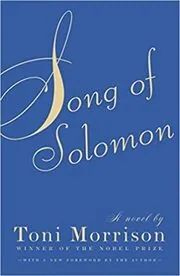
Song of Solomon
by Toni Morrison
1977
Macon Dead, nicknamed Milkman, grows up cushioned by his family’s wealth but haunted by a feeling of weightlessness. When he sets out to trace his ancestors, the journey pulls him into buried histories, dangerous secrets, and a hard-won sense of flight.
Recommended by
5 people Michelle Obama recommended this book
Michelle Obama
"I’ve now read [this book] three times." - Michelle Obama
Michelle Obama's recommendation of this book - Oprah Winfrey recommended this book
Oprah Winfrey
"Fills me with admiration and awe." - Oprah Winfrey
Oprah Winfrey's recommendation of this book  Barack Obama recommended this book
Barack Obama
On the "favorite books" section of Barack Obama's Facebook profile.
Barack Obama's recommendation of this book  Bozoma Saint John recommended this book
Bozoma Saint John
"I love [this book]. Her writing style is incredibly poetic and complex." - Bozoma Saint John
Bozoma Saint John's recommendation of this book  Jesse Williams recommended this book
Jesse Williams
"The characters’ dilemmas just rocked my world in high school." - Jesse Williams
Jesse Williams's recommendation of this book
Tar Baby
by Toni Morrison
1981
On a lush Caribbean island, Jadine, a fashion model educated in Europe, and Son, a drifter from the American South, are pulled into an intense affair. Their clash over race, class, and belonging exposes deep fractures in every world they share.
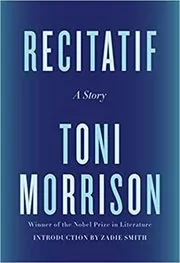
Recitatif
by Toni Morrison
1983
Twyla and Roberta meet as girls in a shelter and encounter one another again and again over the years. The story never states which woman is Black or white, unsettling how readers use race to fill in the gaps of memory.
Beloved
by Toni Morrison
1987
Sethe, once enslaved and now living in post–Civil War Ohio, is haunted by the child she lost and the past she cannot outrun. When a mysterious young woman called Beloved appears, memory, grief, and haunting take on devastating new forms.
Recommended by
2 people Shonda Rhimes recommended this book
Shonda Rhimes
"The God of all writing." - Shonda Rhimes
Shonda Rhimes's recommendation of this book  Tavi Gevinson recommended this book
Tavi Gevinson
"[I recommend this book] because everything." - Tavi Gevinson
Tavi Gevinson's recommendation of this book
Jazz
by Toni Morrison
1992
In 1920s Harlem, salesperson Joe Trace shoots his teenage lover, and his wife Violet later attacks the dead girl’s body at the funeral. The story circles through shifting voices, echoing jazz music as it explores love, jealousy, and reinvention.
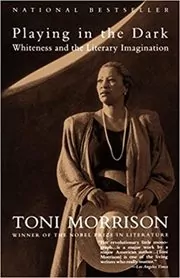
Playing in the Dark
by Toni Morrison
1992
This slim work of criticism looks at how major white American writers imagined Blackness in their fiction. Morrison traces an Africanist presence on the page, asking what it reveals about power, fear, and national storytelling.

Race-Ing Justice, En-Gendering Power
by Toni Morrison
1992
Written in response to the Anita Hill–Clarence Thomas hearings, this collection of essays and commentary probes how race, gender, and power intersect in law and media. Morrison dissects the public narrative to reveal what it hides and whom it protects.

Conversations with Toni Morrison
by Toni Morrison
1994
Gathering interviews from across several decades, this book lets Morrison speak about her childhood, writing process, politics, and the reception of her work. Readers hear her thinking develop in real time as she revisits characters, themes, and turning points.

The Nobel Lecture In Literature, 1993
by Toni Morrison
1994
Morrison’s Nobel lecture blends fable, history, and argument to insist on the power and responsibility of language. She warns against dead, violent speech and celebrates the kind that keeps communities, and individual souls, alive and in motion.
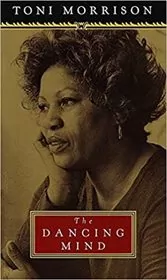
The Dancing Mind
by Toni Morrison
1996
Adapted from a brief lecture, this meditation celebrates the quiet, electric space shared by writer and reader. Morrison reflects on what it means to be fully absorbed in a book and why that experience matters in a distracted world.
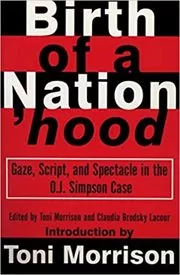
Birth of a Nation'hood
by Toni Morrison
1997
Edited by Morrison, this collection brings together essays and commentary on race, media, and citizenship in the United States. Many pieces respond to high-profile court cases, probing how public stories about crime and justice shape a fragile national identity.
Paradise
by Toni Morrison
1997
In the all-Black town of Ruby, Oklahoma, a group of men storm a nearby former convent where several troubled women live. The novel unravels how history, color, faith, and fear collide in a community determined to protect itself at any cost.
Recommended by
1 person- Oprah Winfrey recommended this book
Oprah Winfrey
"Worth waiting for." - Oprah Winfrey
Oprah Winfrey's recommendation of this book

Memoirs
by Toni Morrison
1999
This volume offers a first-person account of a life shaped by books, family, and social change, weaving scenes from childhood with reflections on later work. It gives readers an intimate look at how memory and imagination feed each other.
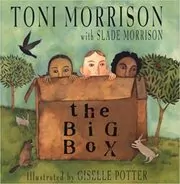
The Big Box
by Toni Morrison
1999
Three lively children are judged too unruly for the grown-ups around them and locked away in a big, comfortable box where they are expected to behave. The story gently questions who gets to define freedom, happiness, and so-called good behavior.
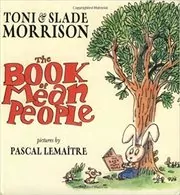
The Book of Mean People
by Toni Morrison
2002
Seen through a child’s eyes, ordinary scoldings and adult impatience seem to add up to a whole world of meanness. With rhythmic, comic language, the book invites kids to name their feelings and remember that moods, like storms, eventually pass.
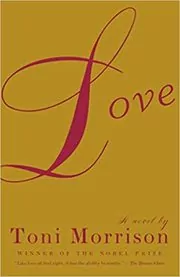
Love
by Toni Morrison
2003
Years after charismatic hotel owner Bill Cosey’s death, the women tied to him circle one another in a decaying seaside town. As old resentments surface, the story pieces together how love, friendship, and betrayal shaped their lives around one powerful absence.
The Ant or the Grasshopper?
by Toni Morrison
2003
This retelling of the classic fable pits hardworking Ant against carefree Grasshopper as the seasons turn. Instead of handing down a simple lesson, the story asks readers to think about risk, generosity, and what it really means to succeed.
The Lion or the Mouse?
by Toni Morrison
2003
Here the familiar lion-and-mouse tale is reimagined for modern readers, with both animals boasting about who truly has game. Their showdown highlights how strength, size, cleverness, and empathy can all change the balance of power.

Who's Got Game? Three Fables
by Toni Morrison
2003
Collecting The Ant or the Grasshopper?, The Lion or the Mouse?, and Poppy or the Snake?, this volume presents three sharp, funny fables. Each one asks who truly has game while nudging readers to rethink fairness, power, and rules.
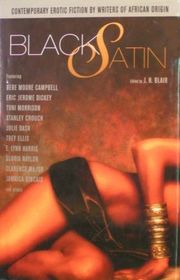
Black Satin
by Bebe Moore Campbell, Eric Jerome Dickey, Toni Morrison, Stanley Crouch, Julie Dash, Trey Ellis, E. Lynn Harris, Gloria Naylor & Clarence Major
2004
Black Satin gathers erotic passages and excerpts from more than forty works by writers of African origin. The anthology approaches love, desire, sex, and relationships through a broad range of voices and perspectives, including contributions from Eric Jerome Dickey and E. Lynn Harris.
Poppy or the Snake?
by Toni Morrison
2004
In this edgy fable, nervous Poppy and smooth-talking Snake test the limits of trust and self-protection. The story plays with danger and charm, raising questions about who is really in control and what friendship costs.
Remember
by Toni Morrison
2004
Combining archival photographs with spare, powerful text, this book looks at school desegregation during the civil rights era. Morrison asks young readers to imagine the courage it took to walk into hostile classrooms in order to claim an education.

The Mirror Or The Glass?
by Toni Morrison
2005
This introspective fable turns its gaze toward self-image, following characters who struggle to decide whether to trust how they see themselves or how others see them. The spare text invites readers to ask which reflection really holds their truth.
A Mercy
by Toni Morrison
2008
In late seventeenth-century North America, a young enslaved girl named Florens is given away by her mother to a trader. Through intersecting voices, the book reveals a world where slavery, indenture, and land hunger are still taking shape, yet already scarring lives.
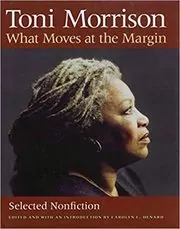
What Moves at the Margin
by Toni Morrison
2008
Spanning decades, this collection gathers Morrison’s essays, speeches, and reviews on literature, politics, and culture. It offers a behind-the-scenes look at her reading life and the questions that fueled her fiction and criticism.

Burn This Book
by Toni Morrison
2009
Featuring essays by Morrison and other writers, this anthology considers censorship, fear, and the importance of free expression. The pieces argue for the risks and rewards of writing honestly in the face of political and personal pressure.
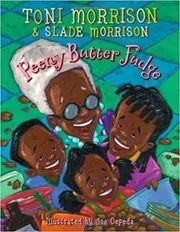
Peeny Butter Fudge
by Toni Morrison
2009
A grandmother swoops in for a day of babysitting and quickly tosses the schedule aside. Instead, she and the children cook, play, and chant their way through games and peeny butter fudge, celebrating imagination and intergenerational love.

To Die for the People
by Toni Morrison
2009
Collecting speeches and writings by Black Panther leader Huey P. Newton, this edition, prepared under Morrison’s editorship, presents his thoughts on revolution, community programs, and state violence, framed by contextual material that situates the struggle historically.
Little Cloud and Lady Wind
by Toni Morrison
2010
Little Cloud longs to drift lower and join the shapes it sees on the ground, but keeps being pulled back into line. With help from wise Lady Wind, it learns to shift, stretch, and finally claim its own changing form.
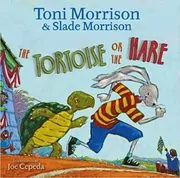
The Tortoise or the Hare
by Toni Morrison
2010
This version of the famous race lets both Tortoise and Hare argue for their way of moving through the world. The lively narration asks readers to look beyond winning or losing and think about patience, pride, and pressure.
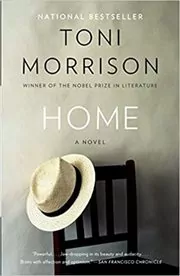
Home
by Toni Morrison
2011
Frank Money, a Korean War veteran, comes back to a segregated America and a Georgia hometown that no longer feels safe. When he learns his sister is in danger, the trip to rescue her forces him to confront both trauma and shame.
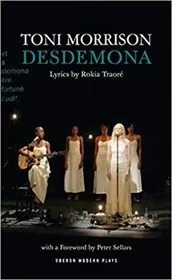
Desdemona
by Toni Morrison
2012
Written for the stage, this work imagines Shakespeare’s Desdemona speaking from beyond death to the women around her. Through their conversations, Morrison revisits Othello’s story to explore race, gender, loyalty, and the cost of being silenced.

Please, Louise
by Toni Morrison
2013
A frightened girl named Louise ducks into a neighborhood library to escape a gray, stormy day. Inside, books and art slowly turn fear into curiosity, showing how stories can offer shelter, surprise, and a new way of seeing the world.
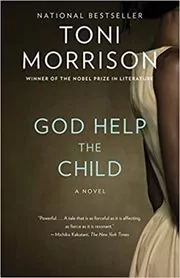
God Help the Child
by Toni Morrison
2014
Bride, a successful cosmetics executive with striking blue-black skin, seems to have left her painful childhood behind. As her relationship collapses and buried memories resurface, she must face what was done to her and what she did to others.
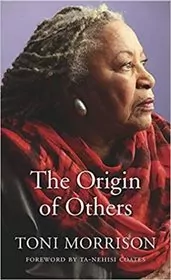
The Origin of Others
by Toni Morrison
2016
Based on a series of lectures, this book examines how stories create ideas of stranger and kin, insider and outsider. Morrison connects literature, history, and personal memory to show how race and otherness are imagined and enforced.
Race
by Toni Morrison
2017
In this brief volume, Morrison reflects on how race is manufactured, feared, and exploited in American life. Her essays move between history and personal observation, inviting readers to question the stories that make racism seem natural or inevitable.

Goodness and the Literary Imagination
by Toni Morrison
2019
Drawing on lectures and essays, this book asks what goodness looks like in life and on the page. Morrison and other contributors explore mercy, justice, and responsibility through close readings of stories that refuse easy moral answers.
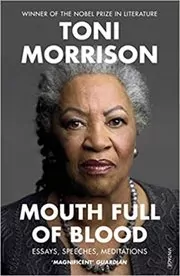
Mouth Full of Blood
by Toni Morrison
2019
This volume collects essays, lectures, and speeches on subjects from Black life and feminism to global politics and the environment. Morrison’s voice moves between fierce and tender as she considers how language can wound, witness, and sometimes heal.

The Measure of Our Lives
by Toni Morrison
2019
Arranged as short quotations from across Morrison’s work, this small book reads like a portable companion. Its lines on love, history, language, and hope invite readers to underline, memorize, and return whenever they need a steadying voice.
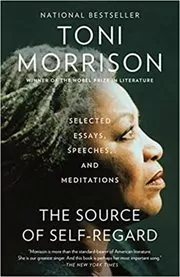
The Source of Self-Regard
by Toni Morrison
2019
Gathering speeches, essays, and meditations from across her career, this collection ranges from literary criticism to reflections on race, politics, and art. It shows Morrison thinking aloud about language, memory, and the responsibilities that come with telling stories.
Recommended by
1 person- Barack Obama recommended this book
Barack Obama
Barack Obama's favorite books of 2019 list.
Barack Obama's recommendation of this book

The Writer Before the Page
by Toni Morrison
2019
In this brief reflection on craft, Morrison considers the moments before writing begins, when ideas are still formless. She talks about listening for voice, resisting cliché, and trusting uncertainty as part of the creative process.

Toni Morrison
by Toni Morrison
2020
Part of a series introducing major writers, this biography traces Morrison’s journey from Ohio childhood to editorial work and international recognition. It highlights her key novels and ideas, giving new readers a concise overview of her life and legacy.

Language as Liberation
by Toni Morrison
2026
This later collection centers on Morrison’s belief that choosing words carefully is a radical act. Through essays and speeches, she links language to freedom, showing how storytelling can resist domination and open up new ways of imagining community.
Where to start with Toni Morrison
If you're new to her fiction: Beloved → Song of Solomon → Sula
If you want to follow the loose trilogy: Beloved → Jazz → Paradise
If you prefer a short, recent novel: Home → A Mercy → God Help the Child
If you're curious about her essays and speeches: Playing in the Dark → The Source of Self-Regard → The Origin of Others
For reading with children: The Big Box → The Book of Mean People → Peeny Butter Fudge → Little Cloud and Lady Wind
Toni Morrison sub-series and character series
Toni Morrison collections, short stories, and related book types
Chapbooks
Picture Books
Plays
Non-Fiction
Standalone Toni Morrison books
by Bebe Moore Campbell, Eric Jerome Dickey, Toni Morrison, Stanley Crouch, Julie Dash, Trey Ellis, E. Lynn Harris, Gloria Naylor & Clarence Major
2004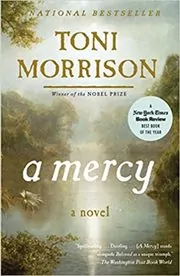
Author bio
Toni Morrison was born Chloe Ardelia Wofford in 1931 in Lorain, Ohio, an industrial town on Lake Erie. Her parents had migrated from the American South, bringing with them work songs, folktales, and a fierce sense of dignity. Growing up in a family that prized storytelling, she heard ghost stories and Bible stories alongside sharp commentary on the daily humiliations of racism. Those voices, and the cadences of Black speech around her, would later echo through her fiction.
As a child she was an avid reader, moving quickly from fairy tales to Austen, Tolstoy, and the modernists she would one day teach. She left Ohio to study English at Howard University in Washington, DC, then completed a master’s degree at Cornell, writing about the work of Virginia Woolf and William Faulkner. Teaching posts followed, first at Texas Southern University and later back at Howard, where she juggled life as a young mother, a professor, and, eventually, a writer.
In the late 1960s Morrison joined a major publishing house as an editor, one of the few Black women in that role. She championed the work of Black writers, activists, and thinkers, helping to bring a wide range of voices into print. Editing during the day and writing at night, she carved out time for her own first novel, often at the kitchen table before her children woke up.
Her debut novel, The Bluest Eye (1970), grew out of a question she could not shake: why would a Black child pray for blue eyes? Set in a working-class Ohio neighborhood, the book examines beauty, shame, and self-hatred under racism. She followed it with Sula (1973), an intense portrait of female friendship and betrayal, and Song of Solomon (1977), a multigenerational family saga that brought her a broader national audience.
Through the 1980s and 1990s Morrison kept pushing herself formally and thematically. Beloved (1987), inspired by a historical newspaper clipping, explores the haunting legacy of slavery in one Ohio household and went on to win the Pulitzer Prize for Fiction. Along with Jazz (1992) and Paradise (1997), it is often read as an informal trilogy that moves from Reconstruction to the Harlem Renaissance to a later Black community searching for safety and purity. In 1993 she received the Nobel Prize in Literature, the first African American woman to be so honored.
Later novels such as Love, A Mercy, Home, and God Help the Child continued to experiment with time, voice, and structure while circling themes of memory, kinship, and the body. At the same time she wrote books for children with her son Slade, including imaginative fables and picture books that treat young readers with the same seriousness she brought to her adult fiction. Whether she was writing about seventeenth-century America or contemporary streets, she returned again and again to the question of how people survive what history does to them.
Outside of fiction, Morrison was a sharp literary and cultural critic. In Playing in the Dark she examined how classic American literature relies on an often-unseen Black presence. Essay and lecture collections like The Source of Self-Regard and The Origin of Others gather her thinking on topics ranging from language and censorship to migration, borders, and the making of the stranger figure. She moved easily between close readings of novels and blunt observations about politics and everyday life.
For many years Morrison taught at Princeton University, mentoring generations of students and young writers. She was a visible public figure, speaking about books, race, and democracy in interviews, commencement addresses, and roundtables. Honors accumulated — among them the Presidential Medal of Freedom — but she often described herself in simple terms: a working writer who took sentences very seriously.
On the page her work is known for layered voices, nonlinear time, and scenes that can feel both mythical and sharply specific. She wove folklore, biblical echoes, and the textures of everyday Black life into narratives that insist the interior lives of Black girls, women, and men belong at the center of literature. Morrison died in 2019, but readers continue to find in her books a demanding, generous invitation: to remember more fully, to look harder at the stories a country tells, and to imagine what freedom could mean.





Edited by
Software engineer whose passion for tracking book recommendations from podcasts inspired the creation of MRB.
Lead investor at 3one4 Capital whose startup expertise and love for books helped shape MRB and its growth.
Comments
Did we miss something? Have feedback?
Help us improve this page by sharing your thoughts