
43 Best Feminist Books
The best feminist books, ranked by how many expert sources recommend each one, with notes for newcomers and readers of theory, history, memoir, and fiction.
Our take
Feminist books ask how gender shapes freedom, work, family, culture, and the authority to describe one’s own life. They do not all give the same answers. Different writers place race, class, sexuality, disability, colonial power, or material needs at the center of the discussion. Some offer a direct political argument; others let a reader examine those pressures through a life story, a poem, or a fictional character.
For a short introduction, Feminism Is for Everybody and We Should All Be Feminists use accessible language and everyday examples. Women, Race & Class provides a historical perspective, while Hood Feminism questions which needs receive attention. The longer theoretical works, including The Second Sex and Gender Trouble, require more patience and background. Fiction such as The Color Purple explores lived conflicts without serving as a guide to a movement’s history. Start with a form you enjoy, then read a contrasting perspective; the differences between these books are part of understanding the subject.
43 books · 10 sources · Last updated
As an Amazon Associate, we earn from qualifying purchases (at no extra cost to you).
How to choose from this list
Skip to the full rankingIf you're new to feminist ideas: We Should All Be Feminists → Feminism Is for Everybody
If you want race and class in the discussion: Women, Race & Class → Hood Feminism
If you want historical foundations: A Vindication of the Rights of Woman → A Room of One's Own → The Second Sex
If you prefer fiction: The Color Purple → The Handmaid's Tale
If you're ready for demanding theory: Feminist Theory → Gender Trouble
If you want a personal account of gender and identity: Redefining Realness
The 43 books, ranked
Ranked by how many expert sources name each book. Ties go to the book more people recommend.

For readers who want essays and speeches connecting difference with the practical demands of solidarity. The variety of occasions gives the ideas personal and political force, but the historical references and shifting forms benefit from some context.
What it's about
These essays and speeches examine racism, sexism, homophobia, age, and class through Audre Lorde's perspective as a Black lesbian poet and feminist. She explores how acknowledging differences can become a basis for solidarity and political action.

The Second Sex
For readers ready for an extensive philosophical investigation of women’s social position. Its range connects institutions, representation, and lived experience, but the scale, period assumptions, and philosophical vocabulary make it a demanding first encounter with feminist thought.
What it's about
Simone de Beauvoir examines women's position through history, biology, psychology, literature and everyday experience. She investigates how social institutions and cultural expectations define women in relation to men and considers the possibilities for greater freedom and independence.
Also recommended by
2 people Laura R Walker recommended this book
Laura R Walker
"For young women, I get [this book], which I read when I was studying in Paris." - Laura R Walker
Laura R Walker's recommendation of this book  Brad Delong recommended this book
Brad Delong
Brad Delong recommended this book in his website.
Brad Delong's recommendation of this book

For readers who want feminism discussed through culture, personal experience, and imperfect choices. The essay format offers several approachable entry points, but its topical examples and shifts of subject provide less systematic theory than a sustained introduction.
What it's about
In these sharp, funny essays, Gay moves from pop culture to politics to her own life, asking what feminism looks like in the real world. It is a book about contradiction, pleasure, anger, and trying to live your values imperfectly.
Also recommended by
1 person Emma Watson recommended this book
Emma Watson
"We put such high expectations on ourselves as feminists, on other feminists, and the movement as a whole." - Emma Watson
Emma Watson's recommendation of this book
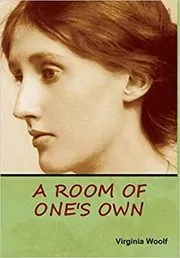
A Room of One's Own
For readers who want to connect literary opportunity with money, privacy, and education. The imaginative essay makes material barriers concrete, but its historical setting and class perspective need supplementing with accounts of women whose circumstances differ.
What it's about
Based on lectures about women and fiction, this extended essay asks what material conditions a woman needs in order to write. Its argument about money, privacy, and literary history still lands with force.

A Vindication of the Rights of Woman
For readers interested in the historical argument for women’s education and intellectual equality. Its sustained reasoning gives later debates a foundation, but the eighteenth-century prose and assumptions about virtue, family, and society require historical interpretation.
What it's about
Mary Wollstonecraft argues that women’s apparent limitations arise from restricted education and social expectations rather than a lack of reason. This foundational feminist work connects intellectual equality with changes in women’s social position, relationships, and participation in society.
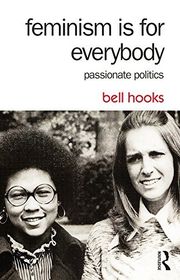
For newcomers who want feminist politics connected to ordinary life and accessible language. The short chapters introduce several related concerns, but the brevity leaves historical detail and disagreements between schools of thought for further reading.
What it's about
bell hooks offers an introduction to feminist politics grounded in everyday experience. She discusses race, class, work, reproductive rights, and sexual violence, arguing for a movement that challenges sexist oppression and welcomes participation from women and men.

For readers who want several women-of-color perspectives brought into conversation rather than one universal account. The combination of essays, poems, and testimony makes difference visible, but the varied forms and historical context require attentive, selective reading.
What it's about
This anthology brings together essays, poetry, testimony, criticism, and visual art by women of color. Its contributors explore the intersections of race, class, gender, and sexuality while examining solidarity, difference, and feminist political struggle.

Women, Race, & Class
For readers who want women’s rights movements examined alongside race and economic power. The historical argument challenges a single account of shared progress, but its focus on the United States needs complementing with other geographical perspectives.
What it's about
Angela Davis examines American struggles for women’s rights alongside histories of slavery, abolition, labor, and racial inequality. She argues that feminism’s development must be understood through the interconnected experiences of race, class, and gender rather than gender alone.
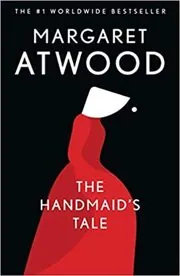
For readers who want questions about reproductive control and political power explored through fiction. Its restricted viewpoint makes institutional pressure intimate, but the violence and uncertainty offer a disturbing experience rather than a direct explanation of feminist theory.
What it's about
In the theocratic Republic of Gilead, Offred is forced into servitude as a Handmaid, valued only for her fertility. Under constant surveillance, she clings to memories of her old life and tests the limits of quiet resistance.
Also recommended by
3 people- Emma Watson recommended this book
Emma Watson
On the "books read" section of Emma Watson's GoodReads profile.
Emma Watson's recommendation of this book  Daniel Pink recommended this book
Daniel Pink
"I loved [this book]." - Daniel Pink
Daniel Pink's recommendation of this book  Jenn Im recommended this book
Jenn Im
"I'll like you five times more if you have read this book." - Jenn Im
Jenn Im's recommendation of this book

For readers seeking an account of Black women’s position within both feminist and racial politics. Its direct argument connects historical treatment with movement exclusions, but the broad interpretation and period examples invite further historical reading.
What it's about
bell hooks examines how racism and sexism have shaped Black women's lives, from slavery to their participation in feminism. She explores the devaluation of Black womanhood, patriarchal attitudes, and racism within the feminist movement.
Also recommended by
1 person- Emma Watson recommended this book
Emma Watson
On the "books read" section of Emma Watson's GoodReads profile.
Emma Watson's recommendation of this book
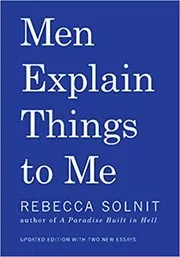
Men Explain Things to Me
For readers interested in credibility, authority, and the consequences of being dismissed. The short essays connect everyday encounters with larger patterns of power, but their argumentative range offers a series of interventions rather than a complete history of feminism.
What it's about
Solnit's influential essay collection on gendered silencing, violence against women, and the cultural habits that keep women from being believed. Witty and unsparing, it helped frame global conversations about mansplaining, credibility, and power in everyday life.
Also recommended by
1 person Chelsea Handler recommended this book
Chelsea Handler
"Goes deep with statistics, personal stories, and others’ accounts of how brutal this world can be for women." - Chelsea Handler
Chelsea Handler's recommendation of this book

The Feminine Mystique
For readers studying a major argument in the history of American second-wave feminism. Its account of restricted domestic expectations explains a particular social moment, but its emphasis on white middle-class women sharply limits its claim to represent women generally.
What it's about
Betty Friedan examines the frustrations of American women whose ambitions were constrained by expectations of marriage and domestic fulfillment. Drawing on interviews and cultural analysis, she challenges the assumption that homemaking alone should satisfy women’s aspirations.
Also recommended by
1 person Patrick Collison recommended this book
Patrick Collison
Patrick Collison labeled this book "substantially above average."
Patrick Collison's recommendation of this book

For readers interested in how younger women of color question the priorities of feminist movements. Its individual essays make differences of race, migration, class, and sexuality tangible, but the collection offers situated perspectives rather than a single explanatory framework.
What it's about
This anthology gathers young women of color's perspectives on feminism, identity, and political action. Essays explore how race, sexuality, immigration, reproductive rights, and other experiences challenge assumptions about whose lives feminist movements represent.

For readers ready to question the categories feminist theory uses to describe identity. Its sustained analysis gives later debates substantial conceptual context, but the dense prose and engagement with philosophy and psychoanalysis make background reading helpful.
What it's about
Judith Butler questions the idea that feminism rests on a stable, universal category of women. Examining sex, desire, and power, the book argues that repeated social practices help produce the gender identities commonly treated as natural.

For readers who want feminist priorities tested against housing, hunger, safety, and other material needs. The essay-based critique gives overlooked daily conditions prominence, but the US focus and argumentative format provide less of a comparative movement history.
What it's about
In this essay collection, Kendall argues that feminism must confront basic needs, not just professional advancement. Drawing on personal experience and cultural criticism, she examines how race, class, disability, sexuality, poverty, violence, and public policy shape women's lives.
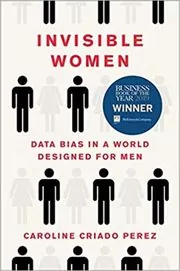
For readers interested in how data collection and design decisions can overlook women. Its examples connect abstract bias with ordinary systems, but its broad focus on women and men leaves less room for differences within those categories.
What it's about
Criado Perez shows how data built around male defaults shapes medicine, work, transport, and public life. The result is a clear, unsettling look at the hidden costs women pay when half the population is treated as an afterthought.

The Yellow Wallpaper
For readers who want a short story about the authority to define another person’s experience. The confined perspective makes enforced passivity disturbing, but its ambiguity and psychological intensity offer little distance from the narrator’s distress.
What it's about
Confined to a room by a physician husband who prescribes rest, a woman secretly records her thoughts. Her growing fixation on the room's yellow wallpaper exposes the psychological consequences of isolation, enforced passivity, and the dismissal of her own perceptions.
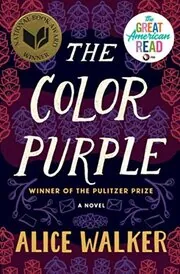
For readers who want fiction about finding a voice through relationships and self-understanding. The letter form gives the experience intimacy, but the sexual violence, abuse, and demanding emotional material make it a difficult rather than comforting starting point.
What it's about
Through letters written by Celie, Walker tells a story of abuse, separation, friendship, and hard-won selfhood in the rural South. The novel is painful, funny, and deeply humane, building toward voice, love, and a life reclaimed.
Also recommended by
4 people Hillary Clinton recommended this book
Hillary Clinton
"A brutally honest assessment of human nature at its best and worst." - Hillary Clinton
Hillary Clinton's recommendation of this book - Emma Watson recommended this book
Emma Watson
"I've heard amazing things about this book from a person that I trust." - Emma Watson
Emma Watson's recommendation of this book  Chimamanda Ngozi Adichie recommended this book
Chimamanda Ngozi Adichie
"I admired the fierce honesty in the single-mindedly feminist world-view of this book." - Chimamanda Ngozi Adichie
Chimamanda Ngozi Adichie's recommendation of this book  Shonda Rhimes recommended this book
Shonda Rhimes
"Brilliant." - Shonda Rhimes
Shonda Rhimes's recommendation of this book
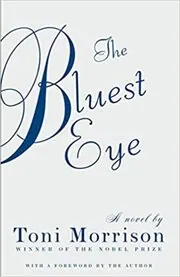
The Bluest Eye
For readers interested in how racialized beauty standards shape a girl’s sense of worth. Its layered voices connect private suffering with a wider community, but the child abuse and narrative fragmentation make it an emotionally demanding choice.
What it's about
In 1940s Ohio, eleven-year-old Pecola Breedlove prays for blue eyes, believing they will make her lovable. Through her story and the neighborhood girls who watch her, the novel reveals how racism twists beauty, family, and self-worth.
Also recommended by
2 people Oprah Winfrey recommended this book
Oprah Winfrey
"One of the things [the author is] able to do in this book is [to let] people know that they are not alone." - Oprah Winfrey
Oprah Winfrey's recommendation of this book  Diane Rehm recommended this book
Diane Rehm
"The story of a young girl growing up in the years following the Great Depression and who is convinced that her blackness makes her ugly and worthless." - Diane Rehm
Diane Rehm's recommendation of this book

For readers who want a precise philosophical account of how misogyny operates. Its distinction between sexist beliefs and the policing of women clarifies a particular argument, but the conceptual detail and contested examples require slow, critical reading.
What it's about
Kate Manne argues that misogyny functions as a system for enforcing patriarchal expectations rather than simply hatred of women. Philosophical analysis and examples examine punishment, entitlement, and the distinction between sexist beliefs and the policing of women’s behavior.

The Awakening
For readers who want literary fiction about desire, motherhood, and the limits placed on independence. Its compact narrative makes social conventions visible through one woman’s experience, but the restrained style and difficult choices offer little reassurance.
What it's about
Edna Pontellier begins questioning her marriage and the expectations surrounding motherhood during a Louisiana seaside holiday. Her awakening desires and growing need for independence bring her into conflict with the social conventions governing her life.

We Should All Be Feminists
For readers who want a brief, personal entry into everyday gender expectations. The direct examples are easy to discuss, but the essay’s small scale offers an opening argument rather than a full history or account of competing feminist approaches.
What it's about
Adapted from Adichie's talk, this concise essay argues for a more inclusive everyday feminism. Drawing on personal experiences in Nigeria and abroad, it examines the habits and assumptions that keep gender inequality in place.

For readers interested in the tension between outward opportunity and restrictive expectations for a young woman’s future. Its close, ironic voice makes that conflict immediate, but the depression and distressing experiences give the novel a heavy emotional burden.
What it's about
Esther Greenwood wins a magazine internship in New York, yet finds herself increasingly alienated from the future expected of her. Sylvia Plath's novel follows her psychological crisis amid restrictive social conventions and strained personal relationships.
Also recommended by
2 people Chloë Grace Moretz recommended this book
Chloë Grace Moretz
"Can be really interesting [as a movie] — if it's done the right way" - Chloë Grace Moretz
Chloë Grace Moretz's recommendation of this book  Christopher Hitchens recommended this book
Christopher Hitchens
"When I myself first read [this book], the phrase of hers that most arrested me was the one with which she described her father's hometown." - Christopher Hitchens
Christopher Hitchens's recommendation of this book

For readers who want to move from an introduction toward debates about the direction of feminist politics. Its accessible argument puts marginalization at the center of movement strategy, but it offers a particular political vision rather than a neutral survey.
What it's about
bell hooks argues that mainstream feminism has overlooked poor women and women of color by relying on privileged white spokeswomen. She proposes a broader feminist movement capable of confronting intersecting forms of oppression and creating social change.
Also recommended by
1 person- Emma Watson recommended this book
Emma Watson
On the "books read" section of Emma Watson's GoodReads profile.
Emma Watson's recommendation of this book
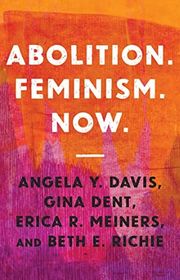
Abolition. Feminism. Now.
For readers interested in the relationship between feminist organizing and prison abolition. Its collaborative account links present arguments with movement histories, but the book assumes interest in a specific political framework rather than surveying the full range of feminist positions.
What it's about
The authors connect feminist and abolitionist movements through histories of organizing, political analysis, and illustrations of collective work. They examine how struggles led by women of color and queer communities have shaped arguments about institutions, safety, and freedom.
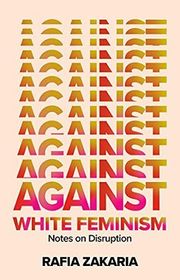
Against White Feminism
For readers who want feminist organizations and priorities examined through race, class, and colonial power. Its transnational perspective challenges assumptions behind familiar agendas, but the polemical approach advances a particular critique rather than a balanced institutional history.
What it's about
Zakaria examines how privilege and colonial assumptions can shape the agendas and authority of feminist movements. Personal experience and political criticism support her argument for an approach that listens to women whose lives are marginalized within dominant accounts of liberation.

Asking For It
For readers who want fiction about sexual violence and a community’s response to it. The uncomfortable central perspective complicates easy ideas about a deserving victim, but the assault and public humiliation make this emotionally difficult young-adult fiction.
What it's about
After a party, eighteen-year-old Emma O’Donovan wakes injured with no memory of the night. When photographs reveal she was assaulted, her close-knit Irish town protects its golden boys and turns its judgment on Emma.

Dialectic of the Flesh
For readers who want queer and transgender experience expressed through poetry. Its movement among desire, friendship, memory, and elegy offers an intimate alternative to theory, but the formal variety asks readers to linger rather than expect a continuous argument.
What it's about
Roz Kaveney's poems combine formal verse and freer structures to explore queer and transgender experience. The collection moves among desire, friendship, memory, and loss, including elegies and reflections on relationships across generations.

Fat Is A Feminist Issue
For readers interested in the history of feminist arguments about eating and body image. Its connection between feelings and social expectations differs from a political history, but the psychological framework and examples reflect the period in which it was written.
What it's about
Susie Orbach examines compulsive eating and body image through a feminist lens. She connects women's relationships with food and weight to social expectations, sexuality, and emotional needs, questioning conventional assumptions about dieting and self-control.

Furious Thing
For readers who want young-adult fiction about anger, family control, and learning to trust a perception of events. Its close emotional perspective makes those pressures concrete, but the manipulative domestic relationships create a painful rather than light coming-of-age story.
What it's about
Lexi tries to suppress her growing anger to win approval from her mother and stepfather. As their expectations erode her confidence, she begins questioning the family dynamics that make her feel defective and the consequences of speaking out.

For readers interested in questioning gender categories through personal narrative and performance as well as argument. The mixed form makes the inquiry experiential, but its theatrical and nonlinear structure differs from a straightforward introduction or history.
What it's about
Kate Bornstein combines personal narrative with an examination of gender categories. Drawing on experiences across work, performance, and transition, the book questions binary definitions and explores possibilities for living beyond conventional ideas of men and women.
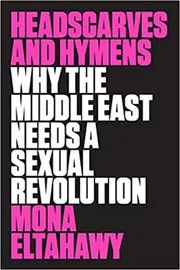
For readers interested in a confrontational feminist account of power in the Middle East and North Africa. Its mixture of reporting and personal experience makes the stakes immediate, but the regional breadth and polemical voice require critical contextual reading.
What it's about
Eltahawy blends reporting, personal experience, and feminist argument to examine how women across the Middle East and North Africa are controlled by political, cultural, and religious power. It is a direct, unsparing call for a sexual revolution.
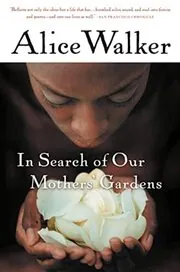
For readers interested in how literary creativity connects with political and personal experience. The essays place Black women’s artistic lives at the center, but their varied occasions and historical references make the collection more exploratory than systematic.
What it's about
Alice Walker's essays, reviews, and speeches explore Black women's creativity, literary inheritance, and the meaning of womanism. Drawing on personal experience, she considers motherhood, the civil rights movement, and the writers who helped shape her work.
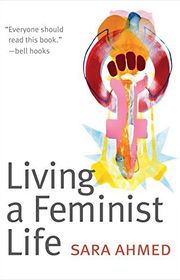
Living a Feminist Life
For readers who want theory connected to the everyday consequences of naming a problem. Its personal and institutional examples make the feminist killjoy an organizing idea, but the recursive style and conceptual density require patient reading.
What it's about
Ahmed explores how feminist theory develops through ordinary experiences at home, at work, and within institutions. Personal reflection and conceptual analysis consider the difficulties of naming problems, building support, and living with the consequences of challenging familiar arrangements.
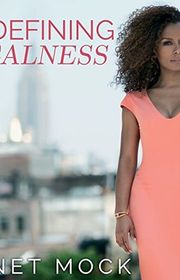
Redefining Realness
For readers who want one trans woman’s life understood through race, poverty, family, and identity. The memoir’s personal detail offers a different entry from theoretical debate, but its account includes difficult experiences and does not represent every trans life.
What it's about
Mock recounts growing up multiracial, poor, and trans in America while seeking a language for her own identity. The memoir connects family, relationships, and material circumstances with the choices involved in becoming visible on her own terms.
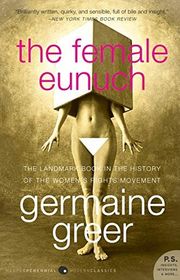
The Female Eunuch
For readers interested in the confrontational sexual politics of second-wave feminism. Its polemical style makes historical disagreements vivid, but broad claims about women’s bodies and desires require critical reading rather than being treated as universal experience.
What it's about
Greer challenges the social roles, sexual expectations, and ideals of femininity she sees as restricting women’s autonomy. Her polemical discussion connects bodies, family life, desire, and culture in an argument for changes that extend beyond formal legal equality.
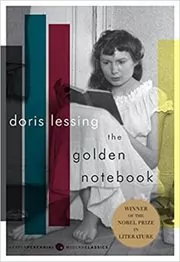
For readers who want fiction to examine the difficulty of separating political commitments from private life. The notebook structure makes division part of the reading experience, but its length, repetition, and fragmentation demand considerable patience.
What it's about
Writer Anna Wulf keeps four coloured notebooks to separate her political work, personal life, memories of Africa, and a fictionalised self. As they fracture and then converge, the novel charts breakdown and reintegration, and questions how a woman can live honestly in a divided world.

The Madwoman in the Attic
The Woman Writer and the Nineteenth-Century Literary Imagination
For readers studying nineteenth-century women’s writing through feminist literary criticism. Its sustained interpretations reveal patterns across several authors, but the scale and dependence on familiarity with the novels make it less accessible than a general reading introduction.
What it's about
Sandra Gilbert and Susan Gubar examine nineteenth-century women's writing through feminist literary criticism. Their study considers the woman writer's literary imagination and the challenges of interpreting women's work within the traditions and assumptions surrounding it.
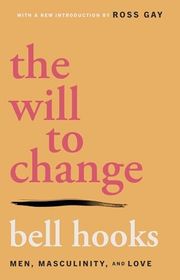
The Will to Change
For readers who want feminist thinking to address men’s emotional lives and relationships. Its accessible discussion broadens the entry points into gender politics, but its general account of masculinity should be read as an argument rather than every man’s experience.
What it's about
hooks examines the relationship between masculinity, emotional restriction, and the desire for love. The book considers how patriarchal expectations shape men’s understanding of themselves and others, and argues for changes in the ways feelings and relationships are learned.

For readers who enjoy familiar myths and historical figures reconsidered through women’s voices. The dramatic monologues combine wit with arguments about power, but allusions reward prior knowledge and the shifts in tone can be sharply unsettling.
What it's about
Carol Ann Duffy's poems give imagined voices to women associated with famous men from history and myth. Wives, lovers, and other figures revisit familiar stories from their own perspectives, combining humor with questions about power and identity.

Things a Bright Girl Can Do
For younger readers interested in suffrage through friendship, class, and personal aspirations. Its different protagonists connect political activity with daily restrictions, but the historical setting and overlapping stories ask for more context than a single-character adventure.
What it's about
Three young women encounter the suffrage movement as they struggle with education, class, and expectations of marriage. Evelyn, May, and Nell pursue different hopes for freedom while political conflict and the approach of war reshape their lives.

Women, Culture & Politics
For readers interested in how an activist connects cultural life with struggles over race, class, and gender. The speeches and essays provide an international political perspective, but their occasions and 1980s context require more background than an introductory overview.
What it's about
Angela Davis gathers speeches and writings about struggles for racial, sexual, and economic equality. Reflecting on political developments of the 1980s, the collection connects cultural expression, women’s lives, international movements, and organizing against overlapping forms of oppression.
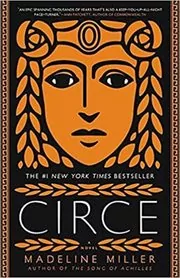
Circe
For readers who prefer mythology retold through an overlooked woman’s perspective. The long narrative gives independence and isolation room to develop, but it is an imaginative interpretation rather than an introduction to feminist movements or classical scholarship.
What it's about
Circe gives voice to the witch from the Odyssey, following her from an overlooked daughter in a god's palace to an exiled sorceress on a lonely island. As she learns her craft and raises a mortal son, she must choose between gods and mortals.
Also recommended by
2 people Kathryn Minshew recommended this book
Kathryn Minshew
Most Recommended Books reached out to Kathryn Minshew directly.
Kathryn Minshew's recommendation of this book  Shauna Niequist recommended this book
Shauna Niequist
Shauna Niequist recommended this book on Twitter.
Shauna Niequist's recommendation of this book
Sources
- 1
50 Best Feminist Books to Dismantle the Patriarchy
reedsy.com
- 2
40 Of The Best Feminist Books
bookriot.com
- 3
Best Feminist Books
goodreads.com
- 4
The ultimate feminist books reading list
penguin.co.uk
- 5
The Feminist Reading List
feminists.co
- 6
50 FEMINIST BOOKS THAT CHANGED OUR LIVES
exhibitions.lib.udel.edu
- 7
What do you think are the best feminist texts?
reddit.com
- 8
50 best feminist books you should be reading
panmacmillan.com
- 9
Are these 3 books good for starting to study feminism? Which books would you recommend?
reddit.com
- 10
13 Feminist Books That Deserve a Place on Your Nightstand
vogue.com




Edited by
Software engineer whose passion for tracking book recommendations from podcasts inspired the creation of MRB.
Lead investor at 3one4 Capital whose startup expertise and love for books helped shape MRB and its growth.
Comments
Spotted a missing book, a wrong order or a mistake? Tell us and we'll fix this page.
We're a reading guide, not the author or publisher, so we can't send books or pass on messages.