
21 Best CS Lewis Books
The best C. S. Lewis books, ranked by how many expert sources recommend each one, with guidance for Narnia, adult fiction, Christian thought, and reflection.
Our take
C. S. Lewis wrote children’s fantasy, adult speculative fiction, Christian apologetics, literary criticism, and deeply personal reflections. Across those forms, he returned to longing, moral choice, belief, and the stories people use to understand themselves. The best starting point depends on whether you want imaginative adventure, a connected argument, or a more intimate voice.
The Lion, the Witch and the Wardrobe opens a natural route into Narnia, with Prince Caspian and The Voyage of the Dawn Treader continuing the early publication sequence. For adult fiction, begin the Space Trilogy with Out of the Silent Planet, or choose the standalone myth retelling Till We Have Faces. Mere Christianity sets out Lewis’s religious arguments directly, while The Screwtape Letters approaches moral questions through satire. The Problem of Pain and A Grief Observed offer markedly different responses to suffering.
Start with one of those distinct voices rather than treating every Lewis book as an introduction to the same subject.
21 books · 7 sources · Last updated
As an Amazon Associate, we earn from qualifying purchases (at no extra cost to you).
Reading CS Lewis in order? See all CS Lewis books in order
How to choose from this list
Skip to the full rankingIf you're beginning Narnia: The Lion, the Witch and the Wardrobe → Prince Caspian → The Voyage of the Dawn Treader
If you want adult speculative fiction: Out of the Silent Planet → Perelandra → That Hideous Strength
If you want his case for Christianity: Mere Christianity → Miracles
If you want moral reflection through satire: The Screwtape Letters → The Great Divorce
If you want to compare approaches to suffering: The Problem of Pain → A Grief Observed
If you want a standalone myth retelling: Till We Have Faces
The 21 books, ranked
Ranked by how many expert sources name each book. Ties go to the book more people recommend.

For readers beginning Narnia who want its wonder and Christian symbolism introduced through a compact adventure. Its clear invitation into another world makes it a strong starting point, though the moral framing and older narrative voice remain distinctly Lewis’s.
What it's about
Four siblings evacuated from wartime London discover a wardrobe that opens into Narnia, a land frozen in endless winter by the White Witch. There they meet Aslan the lion, face betrayal and courage, and are drawn into a battle to free the country.
Also recommended by
3 people Chris Anderson recommended this book
Chris Anderson
"As a child, they exploded my imagination." - Chris Anderson
Chris Anderson's recommendation of this book  Gretchen Rubin recommended this book
Gretchen Rubin
"How many times have I read [this book]? Easily could be 40. Could be more." - Gretchen Rubin
Gretchen Rubin's recommendation of this book  Russell Moore recommended this book
Russell Moore
Russell Moore recommended this book on Twitter.
Russell Moore's recommendation of this book
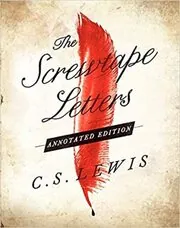
The Screwtape Letters
For readers who want Lewis’s Christian reflections delivered through satire rather than direct instruction. Its inverted advice makes ordinary self deception easier to notice, though keeping track of the demonic viewpoint requires attention to the irony.
What it's about
An experienced tempter, Screwtape, advises his nephew Wormwood on how to sabotage the faith of an ordinary Englishman. Through their darkly funny letters, Lewis exposes everyday spiritual struggles and the subtle ways self-centeredness, boredom, and fear can erode belief.
Also recommended by
2 people Dominic D'Agostino recommended this book
Dominic D'Agostino
"Really good." - Dominic D'Agostino
Dominic D'Agostino's recommendation of this book  Patrick Bet-David recommended this book
Patrick Bet-David
Patrick Bet-David recommended this book on his website.
Patrick Bet-David's recommendation of this book
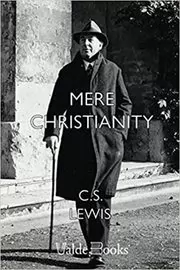
Mere Christianity
For readers who want a connected introduction to Lewis’s case for Christian belief and ethics. Its accessible analogies make abstract questions approachable, though the argument starts from assumptions that skeptical readers may want to examine separately.
What it's about
Based on Lewis’s wartime BBC talks, this book lays out a plainspoken case for historic Christian belief. He moves from moral law and the existence of God to Christian doctrine and ethics, inviting readers to examine faith with both reason and imagination.
Also recommended by
1 person- Russell Moore recommended this book
Russell Moore
Russell Moore recommended this book on Twitter.
Russell Moore's recommendation of this book
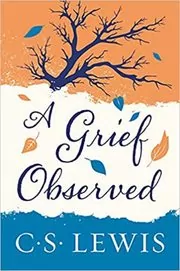
A Grief Observed
For readers who want Lewis’s thinking exposed to the pressure of personal loss. Its unsettled voice differs sharply from his confident apologetics, though the intimate grief and questions of faith offer companionship more than orderly reassurance.
What it's about
Written after the death of his wife Joy Davidman, this short book collects Lewis’s raw, private reflections on loss. He questions God, traces the swings of doubt and hope, and slowly discovers how bereavement can reshape rather than erase love.
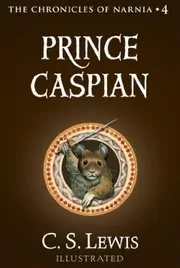
For readers continuing Narnia who enjoy a return that feels less familiar than expected. Its concern with memory and belief adds weight to the adventure, though the restoration story and military conflict make it more reflective than a simple reunion.
What it's about
The Pevensie children return to Narnia to find centuries have passed and the land is ruled by the tyrant Miraz. Joining forces with Prince Caspian and the Old Narnians, they must rouse a country that has half forgotten its own stories and Aslan’s presence.
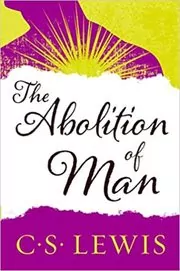
The Abolition of Man
For readers interested in Lewis’s arguments about education, value, and the use of human power. Its compact form connects cultural criticism with moral philosophy, though the compressed reasoning and historical targets benefit from slow, contextual reading.
What it's about
Based on Lewis’s lectures on education, this slim volume warns against treating values as purely subjective. He argues that denying objective right and wrong ultimately undermines our humanity and opens the door to manipulation in the name of “progress.”
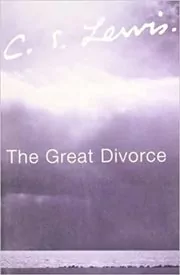
The Great Divorce
For readers who prefer theological questions explored through imaginative encounters. Its compact fantasy gives competing attachments a dramatic form, though it is a speculative moral vision rather than a systematic explanation of Christian beliefs about the afterlife.
What it's about
In this theological fantasy, a busload of souls ride from a dreary "grey town" toward the outskirts of heaven. Offered a chance to stay, each traveler must decide whether to cling to old loves and grudges or surrender to a joy that demands change.
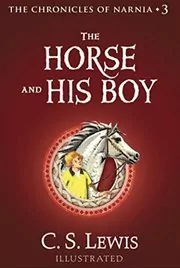
For Narnia readers who want an adventure alongside the main sequence rather than another journey from England. Its traveling companions give the story a different rhythm, though the portrayal of Calormen reflects troubling cultural stereotypes.
What it's about
In a standalone Narnian tale, Shasta, a boy raised as a fisherman's son, escapes a life of slavery with Bree, a talking warhorse. With Aravis and Hwin, they race across the desert to warn of invasion and slowly discover Shasta’s true identity and home.
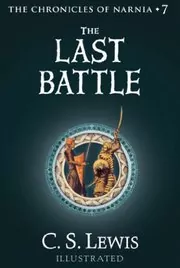
For readers ready to complete Narnia and consider its strongest claims about faith and final things. Its concluding scale gives the series a clear destination, though the religious exclusivity and cultural portrayals can make it more divisive than earlier adventures.
What it's about
In Narnia’s final age, a scheming ape dresses a donkey in a lion’s skin and claims Aslan has returned, throwing the kingdom into confusion. King Tirian and a few loyal friends fight deception and despair as the story of Narnia comes to its startling close.
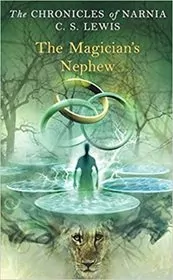
For Narnia readers curious about the imaginative beginnings behind the familiar world. Its creation imagery gives the series a different sense of scale, though reading it after the earlier published stories preserves more of their initial mystery.
What it's about
Young Digory and Polly stumble into the Wood between the Worlds using Uncle Andrew's magic rings and witness both the ruin of one world and the creation of Narnia. Their choices bring the witch Jadis into Aslan's new land and set the stage for all later stories.
The Problem of Pain
For readers ready to examine Lewis’s intellectual response to suffering within Christian belief. Its organized argument gives difficult questions a framework, though its theoretical distance can feel less helpful during immediate bereavement than his later personal reflections.
What it's about
Here Lewis tackles the question of how a good and powerful God can allow suffering. He distinguishes different kinds of pain, explores human freedom and the fall, and offers a thoughtful, if demanding, framework for understanding hurt in a Christian perspective.
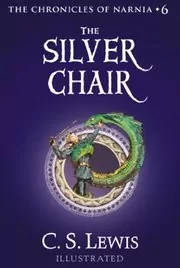
For readers who enjoy a quest shaped by uncertainty, memory, and resisting deception. Its darker settings and distinctive companions broaden Narnia’s emotional range, though the sustained menace makes it less reassuring than some earlier installments.
What it's about
Eustace Scrubb and his schoolmate Jill Pole are sent by Aslan to rescue Prince Rilian, missing for ten years. Guided by the gloomy but loyal Puddleglum, they journey through marshes, giant country, and the dark Underland to confront an enchanting and deadly queen.
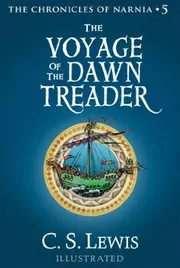
For readers who enjoy a sequence of distinct adventures linked by a larger spiritual journey. Its changing islands give Narnia variety and imaginative reach, though the episodic structure offers less of a single tightly developed conflict.
What it's about
Lucy, Edmund, and their prickly cousin Eustace sail with King Caspian aboard the Dawn Treader in search of seven lost lords. Their island-hopping voyage tests pride, greed, courage, and faith as they sail toward the very edge of the world.
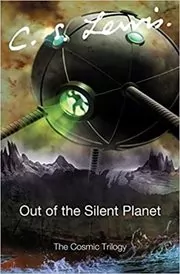
For readers beginning Lewis’s adult speculative fiction who enjoy unfamiliar worlds and questions about human motives. Its exploratory approach opens the Space Trilogy gradually, though the period science and theological cosmology differ from modern scientific fiction.
What it's about
Cambridge scholar Elwin Ransom is kidnapped and taken to Mars, where he escapes his captors and slowly learns the language and ways of the planet’s unfallen inhabitants. His experiences reveal a larger spiritual cosmos and raise hard questions about humanity’s motives and destiny.
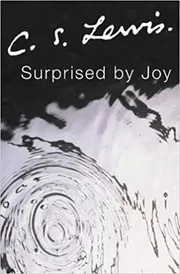
For readers interested in how Lewis understood the experiences behind his changing beliefs. Its focus on longing connects autobiography with his wider writing, though the selective account is an intellectual and spiritual memoir rather than a complete life story.
What it's about
Lewis looks back on his childhood in Belfast, schooldays, war service, and early academic life to trace how a recurring sense of longing—what he calls joy—eventually led him from atheism to Christian faith. The memoir is candid, reflective, and more about a journey than its destination.
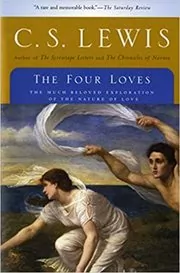
The Four Loves
For readers who want Lewis’s reflections on affection, friendship, romantic love, and charity. Its distinctions give ordinary relationships a thoughtful vocabulary, though its Christian moral framework and period assumptions about gender may invite disagreement.
What it's about
Here Lewis explores four kinds of human love—affection, friendship, eros, and charity—showing both their beauty and their dangers. He writes in a conversational style, mixing examples from ordinary life with theological insight about how love can either turn inward or be opened up to God.
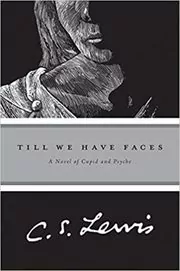
For readers who want Lewis’s moral imagination developed through an adult novel rather than direct apologetics. Its reinterpretation of Cupid and Psyche gives love and self knowledge considerable complexity, though the reflective structure rewards patient reading.
What it's about
Retelling the myth of Cupid and Psyche, this novel gives the story to Psyche’s fiercely intelligent, embittered sister Orual. Writing a complaint against the gods, she uncovers how jealousy, possessiveness, and true love can all hide behind the same fierce devotion.
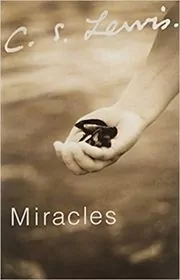
Miracles
For readers who want Lewis’s philosophical defense of the possibility of miracles. Its sustained argument gives more room to questions of nature and explanation than his shorter essays, though abstract reasoning and Christian premises make it demanding.
What it's about
In this philosophical study, Lewis asks first whether miracles are even possible before considering specific claims from the New Testament. He challenges strict naturalism and argues that if a Creator exists, occasional “interferences” in nature are not irrational but deeply meaningful.
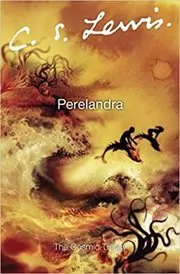
For readers continuing the Space Trilogy who want Lewis’s ideas about temptation explored through imaginative fiction. Its sustained moral argument gives the setting purpose, though long theological exchanges make it less brisk than the opening novel.
What it's about
Sent to a newly created world modeled on Venus, Ransom finds an unfallen King and Queen—and a tempter determined to repeat Earth’s first rebellion. Much of the story turns on long, tense conversations about freedom, obedience, and the possibility of a second Fall.
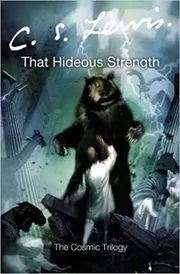
For readers completing the Space Trilogy who enjoy institutional satire mixed with supernatural conflict. Its move into a recognizable English setting broadens the argument, though the large cast and competing plot threads make it the most demanding installment.
What it's about
The third Cosmic Trilogy novel shifts to postwar England, where a scientific institute called N.I.C.E. quietly seizes power. As a young academic couple is drawn into its schemes, Ransom and a small community at St Anne’s resist a plan that threatens both souls and society.
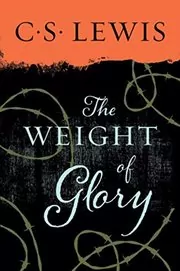
The Weight of Glory
For readers who want Lewis’s Christian thought in concentrated essays and addresses. Its attention to longing, ordinary responsibilities, and moral imagination makes selective reading rewarding, though the changing occasions and rhetorical intensity differ from a single continuous argument.
What it's about
This collection of addresses includes Lewis’s famous sermon The Weight of Glory along with talks on learning, pacifism, forgiveness, and Christian community. The pieces blend vivid images with careful argument, asking what it means to pursue holiness and glory in ordinary life.
Sources
- 1
5 Best C.S. Lewis Books that Everyone Should Read | Crosswalk.com
crosswalk.com
- 2
10 of the Best Books by C. S. Lewis – Interesting Literature
interestingliterature.com
- 3
Books - CS Lewis Society of California
lewissociety.org
- 4
My Top 5 Books by C. S. Lewis - Christianity Today
christianitytoday.com
- 5
My C. S. Lewis Complete Works Reading Plan (The Best Reading Order) - The Peasant's Daughter
thepeasantsdaughter.net
- 6
The Best C.S. Lewis Books of All Time
hookedtobooks.com
- 7
Best C.S Lewis Books (18 books)
goodreads.com








Edited by
Software engineer whose passion for tracking book recommendations from podcasts inspired the creation of MRB.
Lead investor at 3one4 Capital whose startup expertise and love for books helped shape MRB and its growth.
Comments
Spotted a missing book, a wrong order or a mistake? Tell us and we'll fix this page.
We're a reading guide, not the author or publisher, so we can't send books or pass on messages.