
15 Best Singing Books
The best singing books, ranked by expert-source recommendations, with notes for beginners and teachers choosing exercises, repertoire and references.
Our take
Singing involves physical coordination, listening, musical understanding and the confidence to communicate. Books can explain unfamiliar ideas, organize practice and provide repertoire, but they offer different kinds of help. A beginner method, an anatomy reference and a collection of opera arias serve distinct purposes, and none can listen to your individual technique.
Singing For Dummies provides a broad introduction, while Singing Exercises For Dummies emphasizes drills. The Contemporary Singer: Elements of Vocal Technique connects technical work with contemporary performance. For more detailed classical study, The Structure of Singing explores the mechanisms behind technique, and On the Art of Singing discusses training and performance through shorter essays. The Art of Singing: Discovering And Developing Your True Voice gives fear and learning habits more attention. The soprano anthologies and diction companion supply material to work on rather than a complete course.
Begin with Singing For Dummies for orientation, or choose The Contemporary Singer: Elements of Vocal Technique for a contemporary course to discuss with a teacher.
15 books · 8 sources · Last updated
As an Amazon Associate, we earn from qualifying purchases (at no extra cost to you).
How to choose from this list
Skip to the full rankingIf you are beginning and want orientation: Singing For Dummies → Singing Exercises For Dummies
If you want contemporary performance skills: FastTrack Lead Singer Method: Book 1 → The Contemporary Singer: Elements of Vocal Technique
If you want to understand classical technique: The Structure of Singing → On the Art of Singing
If you want to study vocal physiology: Discover Your Voice: How to Develop Healthy Voice Habits → The Functional Unity of the Singing Voice
If you want to explore confidence and expression: The Art of Singing: Discovering And Developing Your True Voice → The Naked Voice
If you want soprano opera pronunciation support: Diction Coach Arias For Soprano: G. Schirmer Opera Anthology
The 15 books, ranked
Ranked by how many expert sources name each book. Ties go to the book more people recommend.
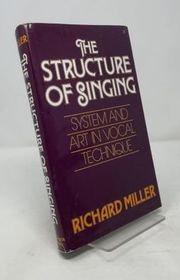
The Structure of Singing
For serious classical singers and teachers who want a detailed technical reference. Miller connects vocal practice with anatomy, acoustics and language beyond the beginner guides, but the dense material is best studied alongside teaching.
What it's about
Richard Miller explains vocal technique through the physical and acoustic processes of singing. Discussions of breath, resonance, registration and articulation connect scientific understanding with the practical training of classical singers and the work of voice teachers.

Singing For Dummies
For beginners who want a broad, approachable introduction before choosing a specialist method. Its exercises and performance guidance help organize early practice, but written explanations and recordings cannot give the individual feedback of a singing teacher.
What it's about
Pamelia S. Phillips introduces singing through exercises, practice songs, and guidance on vocal technique. Lessons connect breathing, posture, and tone with preparing performances, while discussion of recording technology helps readers listen back to their work and develop a practice routine.
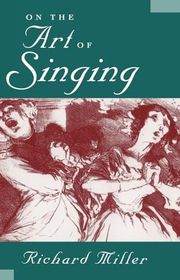
On the Art of Singing
For singers and teachers who want focused discussions of training and performance. Its essays offer a flexible route into Miller’s ideas, but the classical emphasis and structure provide no beginner practice sequence.
What it's about
Richard Miller considers vocal training, interpretation and performance through a collection of essays. The book addresses practical and artistic questions faced by singers and teachers, connecting technical concerns with musical communication and the demands of a performing career.

For singers working in contemporary styles who want an organized technical foundation. Its practice songs and guidance on microphones and auditions connect technique with performance, but the broad curriculum offers less depth on classical repertoire and individual vocal problems.
What it's about
Anne Peckham's guide draws on Berklee's vocal curriculum to explain posture, breathing, resonance, registers, diction, and vocal health. Exercises and practice songs accompany advice on microphones, performance anxiety, auditions, and developing technique for contemporary singing.

For singers interested in Seth Riggs’s speech-level approach to register coordination. Its recorded exercises give a focused alternative to general surveys, but one teaching framework will not suit every singer and recordings cannot diagnose individual difficulties.
What it's about
Seth Riggs introduces speech-level singing through explanations and exercises aimed at coordinating the voice without unnecessary strain. The program addresses breath, tone production, vocal registers, and transitions, with recorded examples supporting a structured practice routine.

For singers whose main obstacles include fear, tension and self-consciousness. Its attention to learning habits and performance psychology adds something the technical manuals treat less directly, but reflection needs to be paired with practical vocal work.
What it's about
Jennifer Hamady explores singing through both vocal technique and the psychology of performance. Discussion and exercises examine fear, learning habits, physical tension, and confidence, encouraging singers to understand how emotional responses and assumptions can influence their use of the voice.
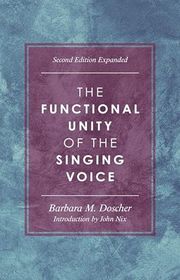
The Functional Unity of the Singing Voice
For voice teachers and advanced students studying how vocal systems work together. Its physiological and acoustic detail goes beyond general singing guides, but the textbook approach assumes comfort with technical terminology and is not a self-study exercise course.
What it's about
Barbara Doscher examines the physiology and acoustics of singing, showing how the components of vocal production interact. This expanded second edition includes a new introduction by John Nix and provides a technical foundation for studying and teaching voice.

The Naked Voice
For singers who want technical work connected with confidence and personal expression. Its whole-person approach gives psychological barriers more attention than the anatomy texts, but readers seeking a strictly scientific reference may find its spiritual framing less useful.
What it's about
W. Stephen Smith, with Michael Chipman, presents a whole-person approach to developing the singing voice. Exercises and teaching reflections connect physical coordination with psychological and spiritual aspects of performance, encouraging singers to communicate with less interference from habitual barriers.

For singers and teachers interested in habits that support vocal development. Its exercises connect practical work with physiology and acoustics more closely than the beginner overviews, but the older presentation and technical discussion reward careful study.
What it's about
Oren L. Brown explains habits for developing and protecting the singing and speaking voice. Expanded from his teaching syllabus, the book combines concepts, exercises, and discussion of acoustics and physiology for independent study, private lessons, or classroom instruction.

For beginners who want singing basics alongside music reading and microphone use. Its recorded examples give early practice a practical lead-singer focus, but the compact first-book format leaves less room for detailed explanations or individual troubleshooting.
What it's about
Blake Neely introduces basic singing through music reading, scales, keys, warm-ups, and breathing exercises. The method also discusses microphone handling, with recorded songs and examples supporting practice as beginners learn to develop their vocal technique.

Singing Exercises For Dummies
For singers who want drills to organize regular practice. Its progression through breathing, articulation, rhythm and registers provides more exercise material than a broad introductory discussion, but choosing suitable exercises still benefits from a teacher’s feedback.
What it's about
Pamelia S. Phillips provides vocal drills covering posture, breathing, articulation, rhythm, intervals, and register transitions. Book and online examples support a practice routine, with exercises progressing toward tone development, agility, harmony, and greater control of the voice.

For singers who prefer a practical course with recorded exercises and varied popular styles. Its warm-ups and phrasing work make it more activity-focused than the reflective books, but it offers less anatomy and theory than the teaching references.
What it's about
Penny Nichols presents a vocal course built around relaxation, warm-ups, and practical exercises. Lessons address breath control, articulation, projection, vibrato, scales, and phrasing, helping singers explore techniques applicable to folk, pop, bluegrass, and other musical styles.

The Complete Idiot's Guide to Singing
For beginners who want an accessible overview of technique and preparing to sing publicly. Its troubleshooting and pronunciation material gives broad orientation, but the older edition and general coverage offer less depth than a style-specific course.
What it's about
Phyllis Fulford and Michael Miller introduce singing through practice guidance and explanations of vocal technique. The guide addresses finding a suitable range and preparing to sing in public, with exercises, pronunciation references, and troubleshooting material to support developing singers.

For sopranos preparing the matching opera anthology who need pronunciation support. Its phonetic transcriptions, translations and recorded coaching focus on language more directly than the general methods, but it is a companion resource rather than a complete singing course.
What it's about
This diction companion supports the soprano arias in the G. Schirmer Opera Anthology. Phonetic transcriptions and word-for-word translations accompany recorded coaching, which presents each text naturally and then slowly, helping singers study pronunciation, language flow, and meaning.

For sopranos who need musical theatre repertoire to develop with a teacher or accompanist. Its original-score selections offer performance material beyond technical drills, but this is a song anthology and does not teach vocal technique by itself.
What it's about
Richard Walters collects thirty-five musical theatre selections for sopranos, excerpted from their original vocal scores. This volume includes songs from classic and contemporary shows, providing repertoire for singers studying musical interpretation, preparing auditions, and developing material for performance.
Sources
- 1
100 Best Singing Books of All Time
shortform.com
- 2
Singing books
wholeselfsinger.co.uk
- 3
Singing Books
goodreads.com
- 4
Good books for learning singing?
reddit.com
- 5
Best Books on Singing Technique
singingcommunity.com
- 6
Vocal Instruction Books for Singers
vocalist.org.uk
- 7
Singing Books That Provide The Answers….
your-personal-singing-guide.com
- 8
NATS Books
nats.org







Edited by
Software engineer whose passion for tracking book recommendations from podcasts inspired the creation of MRB.
Lead investor at 3one4 Capital whose startup expertise and love for books helped shape MRB and its growth.
Comments
Spotted a missing book, a wrong order or a mistake? Tell us and we'll fix this page.
We're a reading guide, not the author or publisher, so we can't send books or pass on messages.