
34 Best Sailing Books
The best sailing books, ranked by how many expert sources recommend each one, with reading notes for new sailors, offshore cruisers, and sea-story lovers.
Our take
Sailing books can help you understand a boat, prepare for an ocean passage, or imagine a life spent moving between distant ports. Those are different reading goals. A beginner needs clear explanations of wind and boat handling, while an owner may need a repair reference and an experienced cruiser may be comparing routes.
The Complete Sailor offers an illustrated introduction, and The Annapolis Book of Seamanship provides broader reference material. The Voyager's Handbook considers the practical choices behind extended cruising. The voyage accounts ask different questions: Maiden Voyage brings a young sailor’s perspective, The Long Way explores solitude, and A Voyage for Madmen follows contrasting responses to the same race. Survival accounts and sea fiction broaden the picture, although they teach less about everyday boat handling.
Start with The Complete Sailor if you want to learn the skills, or A Voyage for Madmen if you want a story that opens the door to sailing literature.
34 books · 9 sources · Last updated
As an Amazon Associate, we earn from qualifying purchases (at no extra cost to you).
How to choose from this list
Skip to the full rankingIf you’re learning to sail: The Complete Sailor → The Annapolis Book of Seamanship
If you’re planning extended cruising: The Voyager's Handbook → World Cruising Routes
If you want firsthand ocean voyages: Maiden Voyage → Sailing Alone Around the World → The Long Way
If you want to understand offshore disasters: A Voyage for Madmen → Fastnet, Force 10 → Left for Dead
If you want sailing fiction: The Riddle of the Sands → Master and Commander
The 34 books, ranked
Ranked by how many expert sources name each book. Ties go to the book more people recommend.

Sailing Alone Around the World
For readers wanting the foundational solo cruising memoir, with a dry voice and close observation of life afloat. Its nineteenth-century nautical language takes adjustment, and its equipment belongs to another era.
What it's about
Joshua Slocum recounts his solo circumnavigation aboard the sloop Spray, beginning in 1895. The memoir combines accounts of navigation, storms, unusual encounters, and distant ports with observations of life during his three-year voyage.

The Long Way
For readers drawn to solitude and the reasons people keep sailing. Moitessier offers more inward reflection than A Voyage for Madmen, though readers wanting a straightforward race narrative may find his digressions slow.
What it's about
Bernard Moitessier recounts his solo voyage in the first Golden Globe round-the-world race. Battling storms, exhaustion, and isolation, he reflects on life at sea and the choice to continue sailing rather than return to competition.
Also recommended by
1 person Patrick Collison recommended this book
Patrick Collison
Patrick Collison labeled this book "substantially above average."
Patrick Collison's recommendation of this book
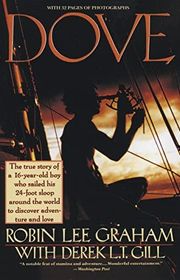
Dove
For readers who prefer a coming-of-age journey to a technical sailing account. Graham’s youthful perspective gives the voyage an immediacy adults’ memoirs often lack, though relationships share the foreground with seamanship.
What it's about
Teenager Robin Lee Graham sets out from California in a small sloop to sail around the world. His account follows ocean passages, equipment problems, loneliness, and encounters that reshape his understanding of freedom and companionship.

Gipsy Moth Circles The World
For readers interested in a solo sailor’s decisions under pressure, told with a practical focus. Chichester gives equipment and navigation substantial attention, though the historical gear makes this a memoir rather than current guidance.
What it's about
Francis Chichester recounts his solo circumnavigation aboard Gipsy Moth IV at age sixty-five. The memoir follows his nine-month voyage, describing hostile seas, equipment failures, navigational challenges, and the determination required to complete the journey.

Two Years Before The Mast
For readers wanting working life under sail from an ordinary seaman’s viewpoint. Dana makes labor and discipline central, though the older language and cultural assumptions require more adjustment than a modern cruising memoir.
What it's about
Richard Henry Dana describes two years working as a common sailor on a voyage from Boston around Cape Horn to California. His account portrays shipboard labor, harsh discipline, storms, and coastal life before the gold rush.

A Voyage for Madmen
For newcomers to sailing literature who want several contrasting sailors in one account. Nichols makes the first nonstop solo race approachable through its people, though its tragic episodes can be difficult reading.
What it's about
Peter Nichols recounts the first race to sail alone around the world without stopping. Following the competing sailors, he examines their preparations, isolation, hazardous conditions, and contrasting responses to an undertaking that tested both seamanship and psychological endurance.

For readers curious about the pressures of solo ocean racing rather than leisurely cruising. Lundy combines sailors’ experiences with weather and boat design, though the sustained danger makes this an intense introduction.
What it's about
Derek Lundy recounts the 1996-1997 Vendée Globe, a solo yacht race around the world through the Southern Ocean. Sailors' experiences are interwoven with explanations of storms, boat design, and the motives behind risking everything at sea.

Maiden Voyage
For readers who want a young sailor’s developing independence alongside the ocean passages. Family relationships make this more personal than a sailing log, though it offers inspiration and experience rather than systematic instruction.
What it's about
At eighteen, Tania Aebi accepts her father's challenge to sail around the world in a small sloop. Her memoir follows dangerous passages and personal discoveries as the adventure reshapes her understanding of family, love, and independence.

The Annapolis Book of Seamanship
For sailors ready to move beyond a short introduction and keep a broad reference aboard. Weather, navigation, and seamanship receive substantial treatment, though its breadth makes selective reading easier than a quick cover-to-cover start.
What it's about
John Rousmaniere surveys the skills, equipment, and judgment involved in safe sailing. Illustrated guidance covers sail handling, weather, navigation, electronics, anchoring, heavy seas, emergencies, and boat maintenance, with practical sections for applying the techniques.
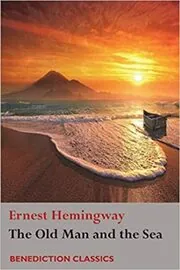
The Old Man and the Sea
For readers wanting a short literary encounter with endurance and the sea. Its spare style offers a different experience from the voyage memoirs, though fishing takes center stage rather than sailing technique.
What it's about
Aging Cuban fisherman Santiago hooks a giant marlin far out in the Gulf Stream and refuses to quit. It is a spare, powerful story about endurance, pride, and what a hard-won victory can cost.
Also recommended by
8 people Jordan Peterson recommended this book
Jordan Peterson
Recommended on Jordan Peterson's website.
Jordan Peterson's recommendation of this book  Jack Dorsey recommended this book
Jack Dorsey
One of Jack Dorsey's answers to "what are the books that had a major influence on you?"
Jack Dorsey's recommendation of this book  Josh Waitzkin recommended this book
Josh Waitzkin
Josh Waitzkin recommended this book in the "Tools of Titans" book.
Josh Waitzkin's recommendation of this book  Phil Keoghan recommended this book
Phil Keoghan
"Every year, I read [this book]. It’s so easy to read, and it has such a strong message." - Phil Keoghan
Phil Keoghan's recommendation of this book  PewDiePie recommended this book
PewDiePie
"I thought it was fun to read." - PewDiePie
PewDiePie's recommendation of this book  Lex Fridman recommended this book
Lex Fridman
Lex Fridman mentioned this book on Instagram.
Lex Fridman's recommendation of this book +2
More recommendations
- Mark Manson
Mark Manson recommended this book on his website.
- Jack Edwards
"Very fishy option." - Jack Edwards
- Mark Manson
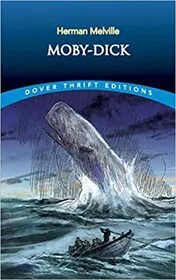
Moby Dick
For readers willing to spend time with working sail, obsession, and philosophical questions. Its range goes far beyond an adventure story, though long discussions of whales and whaling interrupt the action.
What it's about
Sailor Ishmael ships aboard the whaling vessel Pequod and watches Captain Ahab drive his crew on a relentless hunt for the white whale that maimed him. Part sea adventure, part meditation on fate and obsession, this novel rewards slow, immersive reading.
Also recommended by
6 people Steve Jobs recommended this book
Steve Jobs
Walter Isaacson said this was one of Steve Jobs' favorite books growing up.
Steve Jobs's recommendation of this book  Barack Obama recommended this book
Barack Obama
On the "favorite books" section of Barack Obama's Facebook profile.
Barack Obama's recommendation of this book - PewDiePie recommended this book
PewDiePie
"I'm probably not really ready for it yet, but I'm really glad I read it." - PewDiePie
PewDiePie's recommendation of this book  Chimamanda Ngozi Adichie recommended this book
Chimamanda Ngozi Adichie
"The classic I am supposed to have read but have had difficulty getting past the first page." - Chimamanda Ngozi Adichie
Chimamanda Ngozi Adichie's recommendation of this book  Penn Jillette recommended this book
Penn Jillette
"My favorite book." - Penn Jillette
Penn Jillette's recommendation of this book  Jack Edwards recommended this book
Jack Edwards
"Classic." - Jack Edwards
Jack Edwards's recommendation of this book
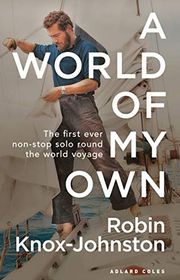
A World of My Own
For readers wanting the winning sailor’s firsthand perspective on the Golden Globe voyage. The practical troubles and daily persistence complement The Long Way, though its older equipment limits its use as a modern guide.
What it's about
Robin Knox-Johnston recounts his nonstop solo circumnavigation aboard Suhaili. The voyage tests his boat, supplies, and determination through equipment failures and difficult seas, offering a personal account of an undertaking also described in broader race histories.

For readers interested in the practical and psychological demands of survival after a yacht is lost. Callahan’s firsthand detail distinguishes it from reported disasters, but prolonged suffering makes it a demanding read.
What it's about
Steven Callahan recounts being stranded alone in an inflatable life raft after his yacht sinks during an Atlantic crossing. His account of 76 days at sea follows the physical and psychological demands of enduring hunger, dehydration, storms, and isolation.
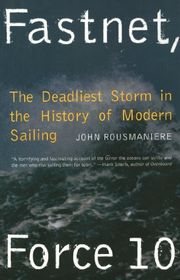
Fastnet, Force 10
For readers wanting the Fastnet disaster placed in a fleet-wide context. Rousmaniere combines personal experience with a broader account of the storm and rescue, though multiple boats make it less intimate than Left for Dead.
What it's about
John Rousmaniere describes the storm that struck the 1979 Fastnet Race and overwhelmed many competing yachts. Drawing on his own participation and other sailors’ experiences, he examines the conditions, rescues, and decisions surrounding the disaster.

For readers drawn to an expedition undertaken in an unusual craft. The raft journey offers a different kind of ocean adventure, though its success does not establish the migration theory behind it.
What it's about
Thor Heyerdahl recounts crossing the Pacific on a balsa-wood raft with five companions. The expedition was intended to test whether ancient South Americans could have reached Polynesia by similar means, combining the crew's ocean experiences with the reasoning behind the voyage.

For readers wanting naval fiction built around friendship, professional skill, and life aboard a sailing warship. It begins a long series, though the nautical vocabulary and period detail require patience at first.
What it's about
Jack Aubrey receives his first command, the small warship Sophie, and recruits physician Stephen Maturin as surgeon. Their emerging friendship accompanies the challenges of leading a crew and seeking prizes in the Mediterranean during war with France.
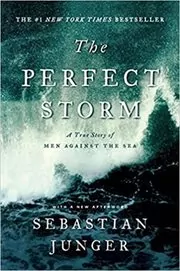
For readers wanting reported nonfiction about dangerous work, weather, and the people ashore. Junger gives a wider community context than a solo survival memoir, though the fishing setting differs from recreational sailing.
What it's about
Junger reconstructs the 1991 storm that swallowed the Andrea Gail and the six men aboard her. He follows the fishermen, their families, and the rescue crews, building a tense account of work, weather, and disaster at sea.

The Proving Ground
For readers interested in how competitive pressure and judgment interact during an offshore emergency. Following several crews offers useful contrasts, though the concentrated account of deaths and rescues can be emotionally taxing.
What it's about
G. Bruce Knecht reconstructs the 1998 Sydney to Hobart yacht race, when a massive storm devastated the fleet. Focusing on three boats and their crews, he follows decisions, rescue efforts, and the lasting effects on survivors.
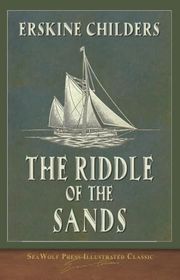
The Riddle of the Sands
For readers who want small-boat sailing woven into an espionage story. Tides, shoals, and navigation drive the suspense more directly than in naval battle fiction, though its patient setup and period politics can slow modern readers.
What it's about
Two Englishmen sailing among the Frisian Islands encounter signs of a secret military plan. Erskine Childers builds their investigation around shallow waters, tides, charts, and the practical challenges of navigating a small boat along an unfamiliar coast.
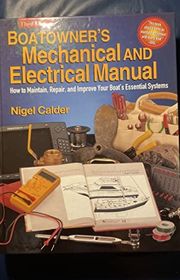
Boatowner's Mechanical and Electrical Manual
For owners who want to understand and troubleshoot onboard systems themselves. Calder offers greater mechanical and electrical depth than general seamanship books, though the technical detail and edition-specific equipment can slow a beginner down.
What it's about
Nigel Calder explains the systems that keep a cruising boat operating, from batteries and wiring to diesel engines, refrigeration, steering, and plumbing. The manual connects how equipment works with maintenance procedures and ways to investigate faults.
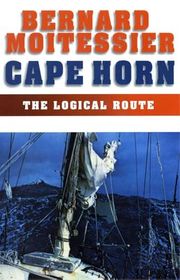
Cape Horn: The Logical Route
For readers wanting more of Moitessier after The Long Way, especially his relationship with a boat and another sailor. The earlier voyage offers a different partnership, though its nautical detail assumes some comfort with sailing language.
What it's about
Bernard Moitessier recounts sailing Joshua with his wife Françoise from Europe to the Pacific and home by Cape Horn. The account describes preparing the boat, managing demanding conditions, and the couple’s experience of a long ocean passage.
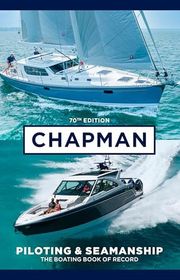
Chapman Piloting & Seamanship
For boaters wanting a broad reference that covers navigation and general seamanship across sail and power. Its scope extends beyond sailing manuals, though the US focus and extensive powerboating material may make selective reading preferable.
What it's about
This general boating reference covers piloting, navigation, weather, communications, boat handling, equipment, and maintenance. The seventieth edition, edited by John Wooldridge, combines updated technology discussions with illustrated guidance intended for sailors and powerboaters on inland and coastal waters.
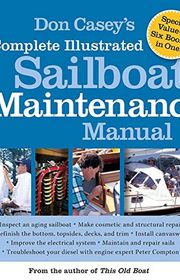
For owners facing hands-on repairs to an aging sailboat. Casey’s step-by-step illustrations make a useful companion to Calder’s systems explanations, though the large manual works better beside a specific project than as introductory sailing instruction.
What it's about
Don Casey brings together guides to evaluating older sailboats, repairing fiberglass, refinishing surfaces, working on electrical systems, and making or repairing sails. The illustrated collection also includes diesel-engine material by Peter Compton for maintenance and troubleshooting.
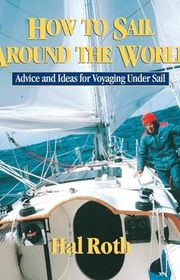
How to Sail Around the World
For sailors planning a modest cruising boat and wanting one experienced voyager’s practical judgment. Roth emphasizes simplicity more than elaborate onboard systems, though the technology discussion reflects an earlier generation of offshore equipment.
What it's about
Hal Roth draws on long-distance voyages to discuss choosing and equipping a cruising sailboat, planning passages, navigating, anchoring, and living aboard. Heavy-weather advice sits alongside practical choices about budgets, equipment, and preparations for extended travel.

For readers who want one sailor’s intimate account of the Fastnet disaster. Ward gives the emotional aftermath more space than a fleet history, though the trauma and loss make this a heavy read.
What it's about
Nick Ward recounts surviving the catastrophic storm during the 1979 Fastnet Race. Repeated capsizes and the loss of his skipper leave his yacht in crisis, turning a sailing ambition into a desperate struggle to stay alive.
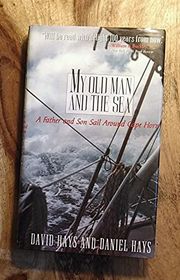
My Old Man and the Sea
For readers who want a sailing journey shaped by a family relationship. Alternating voices let father and son challenge each other’s account, though the changing viewpoints interrupt the flow of a conventional voyage narrative.
What it's about
David and Daniel Hays take a small boat around Cape Horn, sharing the account in alternating father-and-son sections. Their voyage combines demanding seamanship with questions of authority, trust, and how their relationship changes far from shore.
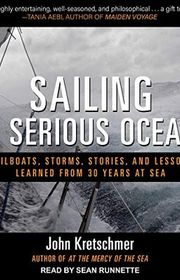
Sailing a Serious Ocean
For sailors who learn through experience-based stories rather than diagrams alone. Kretschmer connects offshore judgment with encounters at sea, though the narrative format makes it less convenient for looking up an individual procedure.
What it's about
John Kretschmer draws lessons from offshore passages and storms, explaining choices about boats, equipment, routes, and life aboard. His accounts connect difficult situations at sea with the preparation and judgment needed for long-distance sailing.
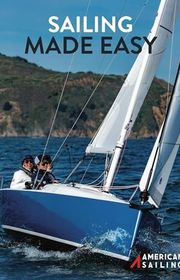
Sailing Made Easy
For first-time keelboat sailors who want a structured companion to practical lessons. Its course-based sequence gives a clearer beginner path than a large reference, though experienced sailors will soon want more detailed navigation and offshore material.
What it's about
American Sailing’s introductory textbook explains boat parts, wind, sail trim, basic maneuvers, docking, and seamanship. The second edition supports the ASA 101 keelboat course while giving new sailors a structured introduction to the tasks involved in a daysail.
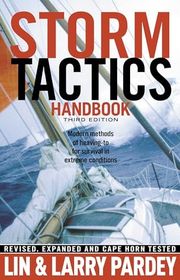
Storm Tactics Handbook
For offshore sailors wanting a focused discussion of heaving-to and sea anchors. The Pardeys develop these tactics in more depth than broad manuals, though their approach reflects particular boats and should not become a universal prescription.
What it's about
Lin and Larry Pardey describe heavy-weather preparation and methods for slowing or steadying a boat in rough seas. Diagrams, checklists, and voyage accounts explain heaving-to, sea anchors, and the practical considerations behind their preferred storm tactics.

The Complete Sailor
For beginners who learn best through drawings and explanations of how boats and wind work together. Its visual approach makes a friendly starting point, though advanced offshore preparation calls for a fuller reference.
What it's about
David Seidman introduces sailing through illustrated explanations of wind, boat handling, rigging, navigation, and seamanship. The guide progresses from getting underway to topics such as anchoring, ropework, emergencies, and racing, helping readers develop an understanding of boats and the sea.
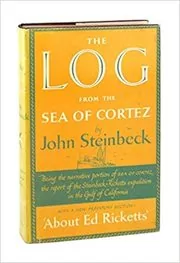
The Log from the Sea of Cortez
For readers who enjoy natural history and reflective conversation alongside coastal travel. Steinbeck gives marine life and ideas more attention than seamanship, so it suits curiosity about the sea better than learning to sail.
What it's about
The Log from the Sea of Cortez presents the narrative portion of that collecting voyage, trimmed free of scientific lists and framed by a moving portrait of Ricketts, giving readers both a lively boat trip and insight into a friendship that shaped Steinbeck’s work.
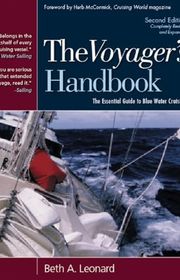
The Voyager's Handbook
For sailors considering extended cruising as a way of life. Leonard connects boats, budgets, crew, and daily routines more fully than a basic sailing text, though equipment and financial examples need checking against current conditions.
What it's about
Beth Leonard examines how to plan, finance, and manage a long-distance sailing life. Using contrasting cruising approaches, she discusses choosing a boat and crew, preparing equipment, handling passages, and keeping a floating home workable at sea.
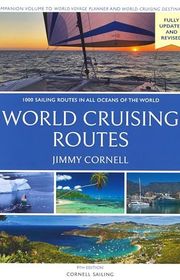
World Cruising Routes
For experienced sailors comparing ocean passages and seasonal departure windows. Cornell organizes route planning more directly than narrative cruising books, though this reference assumes sailing knowledge and still requires current local information and forecasts.
What it's about
Jimmy Cornell surveys ocean sailing routes with information about winds, currents, seasons, and passage planning. The ninth edition updates its guidance for changing weather patterns and provides waypoints to help navigators compare possible routes around the world.

The Curve of Time
For readers drawn to family cruising and close observation of British Columbia’s coast. Blanchet favors remembered encounters over a continuous voyage log, though the episodic structure and historical attitudes may need some adjustment.
What it's about
Muriel Wylie Blanchet recalls summer voyages along British Columbia's coast with her five children after becoming a widow. Navigating a small boat through fog, tides, and storms, the family encounters wildlife and explores remote coastal places.
Sources
- 1
The Best Sailing Books: 21 Top Picks
yachtworld.com
- 2
8 Great Sailing Books – Adventure Style!
americansailing.com
- 3
10 Best Sailing and Boating Books for Your Reading List
discoverboating.com
- 4
25 sailing books every sailor should read
waterbornemag.com
- 5
Sailing Books
goodreads.com
- 6
Any good book recommendations for sailing?
reddit.com
- 7
Looking for a nonfiction book about sailing. I know nothing about sailing but I’m fascinated about what it takes to cross large bodies of water in small boats.
reddit.com
- 8
Best Learn to Sail Books
cruisingworld.com
- 9
Best Sailing Books Every Sailor Should Read: Our Editor’s Ultimate Boating Novel List
sailingtoday.co.uk











Edited by
Software engineer whose passion for tracking book recommendations from podcasts inspired the creation of MRB.
Lead investor at 3one4 Capital whose startup expertise and love for books helped shape MRB and its growth.
Comments
Spotted a missing book, a wrong order or a mistake? Tell us and we'll fix this page.
We're a reading guide, not the author or publisher, so we can't send books or pass on messages.