
19 Best Rock Climbing Books
The best rock climbing books, ranked by how many expert sources recommend each one, with notes on reader fit, training guides, memoirs, and where to start.
Our take
Rock climbing books serve two different kinds of curiosity: how to climb more effectively, and why people devote so much of their lives to it. Practical guides cover movement, training, attention, and technical systems. Memoirs and histories show what those skills and ambitions mean within partnerships, families, and climbing communities. A compelling adventure story can inspire a new climber without answering the questions that arise during a first outdoor course.
For practical reading, choose your main obstacle first. The Self-Coached Climber concentrates on movement, while Training for Climbing takes a broader view of performance. The Rock Warrior's Way addresses attention and fear. Readers interested in the human side can follow a single career in The Push or explore Yosemite's earlier community in Camp 4. Some selections venture into mountaineering, so their appeal extends beyond rock. Start with a focused skills book if you're climbing yourself, or The Push if you want a personal way into the sport.
19 books · 8 sources · Last updated
As an Amazon Associate, we earn from qualifying purchases (at no extra cost to you).
How to choose from this list
Skip to the full rankingIf you're learning outdoor rock skills: Rock Climbing → Mountaineering
If you want to improve movement and training: The Self-Coached Climber → Training for Climbing
If fear interrupts your climbing: The Rock Warrior's Way → Vertical Mind
If you want climbing lives and history: The Push → Camp 4 → Climbing Free
If you want to specialize in cracks: Crack Climbing
The 19 books, ranked
Ranked by how many expert sources name each book. Ties go to the book more people recommend.

For climbers who want to understand how attention and fear shape their decisions. Its process-focused exercises complement physical training, though the warrior imagery and reflective language may feel indirect to readers wanting straightforward drills.
What it's about
Arno Ilgner presents mental training for climbers through exercises in motivation, information gathering, risk assessment, and attention. Drawing on climbing experience, sports psychology, and warrior literature, he examines the transition from thinking through a challenge to deliberate action.

Alone on the Wall
For readers curious about free soloing and the concentration behind it. Honnold's perspective makes extraordinary climbs more intelligible, though accounts of elite risk offer little instruction for someone learning ordinary roped climbing.
What it's about
Alex Honnold recounts major achievements in his climbing career with coauthor David Roberts. Accounts of demanding climbs, including ascents without ropes, explore his preparation, concentration, and approach to fear and risk in situations where mistakes can be fatal.

For motivated climbers ready to organize their improvement beyond unplanned sessions. Hörst connects physical preparation, technique, and recovery in one reference, though the breadth requires readers to select priorities rather than follow every suggestion.
What it's about
Eric Hörst combines climbing experience with sports science in a guide to training for performance. Instruction addresses strength, endurance, technique, and mental preparation, alongside nutrition, recovery, and injury prevention, helping readers think about how to organize their climbing development.

For outdoor climbers who want a broad reference connecting technical skills with mountain preparation. Its range makes it useful beyond the crag, though alpine and glacier material adds substantial reading for rock-only interests.
What it's about
This mountaineering reference covers equipment, planning, rope work, belaying, rappelling, and travel on glaciers. Written by experienced climbers and instructors, it connects technical skills with preparation and safety considerations for climbing and wilderness expeditions.

For readers who want a sustained personal story behind a major climbing achievement. Caldwell connects long-term ambition with relationships and setbacks, though readers seeking a practical training program will need a separate guide.
What it's about
Tommy Caldwell traces his climbing life from childhood training through competition and big-wall ambitions. His memoir explores captivity, injury, and relationship upheaval alongside his long pursuit of Yosemite's Dawn Wall, connecting athletic commitment with family and personal change.
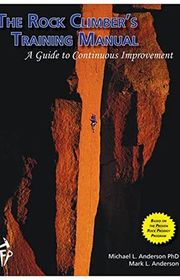
The Rock Climber's Training Manual
For experienced recreational climbers ready to commit to planned training cycles. Its structured approach makes goals and progress easier to track, though the scheduling and equipment demands can feel restrictive for casual climbing.
What it's about
Michael and Mark Anderson present a structured approach to improving climbing performance. The manual addresses goal setting, skill development, strength, power, and endurance, organizing training activities into cycles that connect preparation with climbing objectives and recovery.

Touching the Void
For readers who want to examine partnership and judgment under extreme pressure. Its close account of survival gives decisions unusual emotional weight, though this is a mountaineering ordeal rather than a rock technique guide.
What it's about
Joe Simpson recounts climbing Siula Grande in the Peruvian Andes with Simon Yates and the disastrous descent that followed. A broken leg turns their expedition into a struggle for survival, testing endurance, judgment, and the bonds between climbing partners.
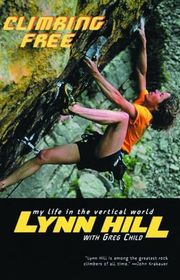
Climbing Free
For readers who want a woman's firsthand account of breaking climbing barriers. Hill connects athletic achievement with the surrounding culture, though the personal chronology gives less space to training detail than performance-focused books.
What it's about
Lynn Hill, writing with Greg Child, recounts her development as a climber and her experiences within the sport. Personal stories and major ascents, including free climbing the Nose on El Capitan, trace a career shaped by persistence, relationships, and changing expectations.
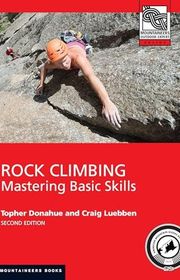
Rock Climbing: Mastering Basic Skills
For newer outdoor climbers who want a structured technical reference. Its focus on core rock skills is more direct than the mountain-wide manuals here, though reading needs to accompany hands-on instruction and supervised practice.
What it's about
Craig Luebben and Topher Donahue explain foundational rock-climbing skills through instructions, photographs, and diagrams. Topics include equipment, movement, rope handling, protection, anchors, and route management, connecting technical systems with the decisions climbers make outdoors.

For readers interested in Yosemite's climbing culture and how big-wall ambitions developed. Roper's firsthand community portrait gives historical climbs social context, though its local personalities and technical references reward some prior climbing knowledge.
What it's about
Steve Roper recounts Yosemite's climbing community during the 1960s, drawing on years living in the valley. Stories of major climbers, significant ascents, equipment changes, and controversies portray the culture surrounding Camp 4 and the development of big-wall climbing.

For readers drawn to climbing's expedition history and the motivations behind it. Terray offers an insider's view of a formative era, though the emphasis on alpine mountaineering extends well beyond rock climbing.
What it's about
Lionel Terray recounts his development as a mountaineer and experiences on major expeditions. His autobiography follows climbing from the Alps to Annapurna and beyond, reflecting on the risks, ambitions, and relationships that shaped his pursuit of difficult mountains.
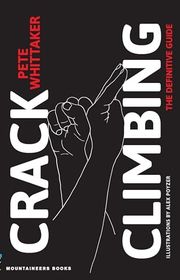
Crack Climbing: The Definitive Guide
For climbers who want focused help with cracks rather than another general manual. Whittaker's detailed treatment distinguishes different crack sizes and movements, though the narrow specialty has limited use for readers concentrating on face climbing.
What it's about
Pete Whittaker explains crack-climbing techniques for a range of sizes, from finger cracks to chimneys. Photographs, illustrations, and contributions from experienced climbers show how body positions and movement choices change with the rock's shape.

For readers who prefer climbing stories in short, varied doses. Krakauer's essays bring personalities and absurdities into focus alongside danger, though the collection ranges across mountain pursuits rather than building one continuous rock-climbing narrative.
What it's about
A collection of essays about climbers, mountains, and the risks people accept in pursuit of difficult routes. Krakauer visits places from Alaska to K2, exploring accidents, rivalries, endurance, and the strange pull of high places.

For young children discovering climbing or learning to persist with a challenge. Shiraishi turns bouldering into an accessible visual lesson in observation, though its picture-book format offers little depth for older readers seeking technique.
What it's about
Ashima Shiraishi describes working through a difficult bouldering problem in this illustrated picture book. As she studies the rock and learns from each fall, her climbing experience becomes a story about persistence, observation, and approaching obstacles in new ways.
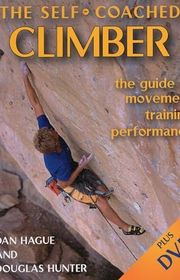
The Self-Coached Climber: The Guide to Movement, Training, Performance
For climbers who want to improve how they move rather than simply get stronger. Its balance and movement exercises give practice a clear purpose, though the analytical explanations require patience and repeated experimentation.
What it's about
Dan Hague and Douglas Hunter examine climbing movement through balance, force, time, and space. Explanations and practical exercises lead into physical training and the development of a personalized improvement plan for climbers working on their own progress.

For climbers whose progress stalls through fear, self-talk, or unhelpful habits. Its exercises connect psychological ideas with climbing situations, though the benefit depends on sustained practice rather than simply reading through the concepts.
What it's about
Don McGrath and Jeff Elison explore climbing's psychological demands through research, interviews, and practical exercises. Their mental training framework examines fear, habitual thought patterns, motivation, and ways climbing partners can support one another's development.

For visually minded readers who want climbing expressed through art as well as words. Collins's sketchbook approach offers a more intimate browsing experience than conventional memoirs, though it provides little systematic climbing instruction.
What it's about
Jeremy Collins combines sketchbook pages, photographs, and handwritten accounts of climbing journeys in four directions from home. His visual memoir follows first ascents in several countries while exploring the relationship between adventure, artistic work, and family life.

Psychovertical
For climbers who want a candid account of obsession rather than polished athletic triumph. Kirkpatrick connects big-wall ambition with personal vulnerability, though his dark humor and demanding solo ascents make an intense introduction.
What it's about
Andy Kirkpatrick frames his autobiography around a thirteen-day solo ascent of El Capitan's Reticent Wall. The narrative moves between a childhood in Hull and extreme climbing experiences, exploring the tension between dangerous ambitions and family responsibilities.

For readers seeking a range of women's experiences rather than one climber's career. Profiles and photographs make different approaches to ambition visible, though the collection offers less narrative depth than a full-length individual memoir.
What it's about
Chris Noble profiles twenty women climbers through their own accounts and color photographs. The collection explores personal challenges, accomplishments, and approaches to climbing, with practical reflections from figures including Lynn Hill, Steph Davis, and Sasha DiGiulian.
Sources
- 1
9 Rock Climbing Books Every Climber Should Read (2026)
climbinghouse.com
- 2
12 Best Climbing Books in 2024 | LydiaScapes
lydiascapes.com
- 3
Rock Climbing Books
goodreads.com
- 4
Climbing book recommendation
reddit.com
- 5
Rock Climbing: How to / Training
campusguides.lib.utah.edu
- 6
11 Best Rock Climbing Books of All Time
sportsfoundation.org
- 7
The Best Books on Climbing
outdoorrackbuilder.com
- 8
Best Climbing Books to Binge Read
everlastclimbing.com





Edited by
Software engineer whose passion for tracking book recommendations from podcasts inspired the creation of MRB.
Lead investor at 3one4 Capital whose startup expertise and love for books helped shape MRB and its growth.
Comments
Spotted a missing book, a wrong order or a mistake? Tell us and we'll fix this page.
We're a reading guide, not the author or publisher, so we can't send books or pass on messages.