
28 Best Origami Books
The best origami books, ranked by how many expert sources recommend each one, with notes for beginners, animal folders, and makers exploring geometric designs.
Our take
Origami books can teach your first folds, provide models to practice, or explain how new designs are created. The best starting point depends on whether you can already read diagrams and whether you prefer animals, useful objects, moving toys, or geometric forms. A collection labeled for enthusiasts can require much more patience and precision than a short beginner guide.
Easy Origami and Origami for Beginners offer accessible first projects, while Teach Yourself Origami gives learning a more deliberate sequence. Origami Zoo and Animal Origami for the Enthusiast focus on creatures. Marvelous Modular Origami and Unit Origami build larger structures from repeated pieces, whereas Origami Tessellations explores patterned surfaces. For readers interested in invention, Genuine Origami connects models with geometric ideas and Origami Design Secrets goes deeper into design methods.
Start with a book whose diagrams and difficulty match your current skills, then choose a subject that makes you want to keep folding.
28 books · 8 sources · Last updated
As an Amazon Associate, we earn from qualifying purchases (at no extra cost to you).
How to choose from this list
Skip to the full rankingIf you are learning your first folds: Easy Origami → Teach Yourself Origami
If you want animal models: Origami Zoo → Animal Origami for the Enthusiast → Origami Insects and Their Kin
If you want modular geometric structures: Unit Origami → Marvelous Modular Origami → Ornamental Origami
If you want repeating patterns: Origami Tessellations
If you want models that move: Origami in Action → Origami to Astonish and Amuse → Origami Ooh La La!
If you want to understand original design: Genuine Origami → Origami Design Secrets
The 28 books, ranked
Ranked by how many expert sources name each book. Ties go to the book more people recommend.

For experienced folders who want to create original models rather than only reproduce them. Its mathematical tools explain design decisions in unusual depth, though the dense theory makes it a poor substitute for a first project book.
What it's about
Robert Lang explains how origami designs are created, combining foundational folding concepts with advanced mathematical methods. Instructions for twenty-six models illustrate techniques such as tree theory and circle packing, helping readers build the intuition and tools needed to develop original designs.

For readers who want a varied reference spanning familiar figures and geometric experiments. Its breadth rewards browsing as skills grow, though the mixture of approaches and difficulty levels offers less guidance than a carefully graded beginner course.
What it's about
Kunihiko Kasahara combines traditional and contemporary paper folding in a collection spanning animals, flowers, faces, and geometric forms. Projects use both single sheets and multiple units, offering a range of challenges while exploring the possibilities of origami design.

Origami from Angelfish to Zen
For readers who want projects alongside reflection on folding as art and mathematics. Its broader discussion gives the models conceptual context, though readers seeking only a compact set of instructions may find the essays a detour.
What it's about
Peter Engel combines origami instruction with explorations of its history and connections to mathematics, art, philosophy, and nature. Twenty-four original projects range from accessible fish and birds to more challenging creatures, accompanied by explanations of folding techniques and completed-model photographs.

For readers ready for a broad collection that increases in complexity. Its detailed diagrams support sustained practice, though some projects use paper shapes beyond a square, which matters if you prefer strict single-square folding.
What it's about
Robert Lang presents thirty-seven origami models through detailed instructions, diagrams, and photographs. Projects progress from simpler figures to challenging animals and moving designs, with introductory guidance on history, materials, tools, and folding symbols supporting readers as their skills develop.
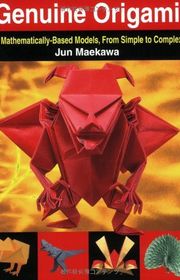
Genuine Origami
For folders who want mathematical ideas explained through a progression of actual models. Its movement from simple to complex projects makes theory tangible, though the later designs require more confidence than the introductory section might suggest.
What it's about
Maekawa presents forty-three models arranged from foundational folds to complex figures, explaining geometric ideas alongside the instructions. A further section considers different papers and techniques, connecting practical projects with the mathematical approach underlying his designs.

For experienced folders who want natural subjects shaped as display pieces. Its attention to paper preparation and finishing goes beyond basic diagrams, though the complex designs and material choices make it a demanding step up from introductory books.
What it's about
Michael LaFosse and Richard Alexander present fifteen complex origami designs from the Origamido Studio. Folding instructions for lifelike animals and plants accompany guidance on selecting and preparing paper, wetfolding, and constructing compound plant models for experienced paper artists.

Origami Essence
For folders who value expressive animals and thoughtfully developed folding sequences. The varied designs offer room to refine shaping as well as technique, though the range of difficulty means beginners should select projects carefully rather than expect uniform accessibility.
What it's about
Roman Diaz presents a collection of origami designs with illustrated folding instructions for varied skill levels. Animal subjects include a fox, bullfrog, and unicorn, alongside inflatable models, giving paper folders several approaches to creating expressive three-dimensional forms.
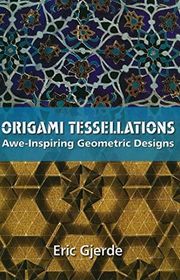
Origami Tessellations
For folders interested in repeating geometric surfaces rather than representational figures or assembled polyhedra. Crease patterns and photographs introduce a different kind of paper structure, though accurate grids and repeated folds can demand considerable preparation.
What it's about
Gjerde introduces origami tessellations through background explanations, basic techniques, and twenty-five projects. Step-by-step instructions, crease patterns, and photographs guide repeated geometric folding, while a gallery shows how artists develop the approach into varied patterned surfaces.

For folders who prefer a collection built around animals rather than mixed subjects. Its range of creatures offers several levels of challenge, though readers still learning diagram conventions may need an easier introduction before tackling the intricate models.
What it's about
Robert Lang and Stephen Weiss provide instructions for thirty-seven folded paper animals, from familiar birds to mythical creatures. Step-by-step diagrams and photographs guide projects of varying difficulty, each formed from a single sheet without cutting or gluing.
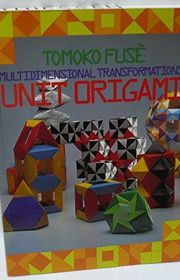
Unit Origami
For readers who want to understand how folded units combine into larger three-dimensional structures. Its emphasis on insertion and variation supports experimentation, though assembling many pieces can be more demanding than mastering the individual module.
What it's about
Fuse explains how separate folded-paper units can be inserted together to build multidimensional forms. Projects range in difficulty and demonstrate structural variations, including ways to assemble additional components around an existing folded form or central axis.
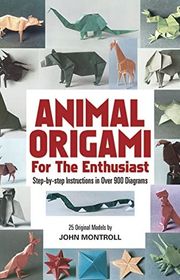
Animal Origami for the Enthusiast
For folders who want a focused progression through single-square animal designs. The detailed diagrams reward careful practice and preserve a consistent material constraint, though later models require substantially more patience than the simplest creatures at the beginning.
What it's about
Montroll provides twenty-five animal models made from single square sheets without cutting or joining. Illustrated instructions introduce symbols and basic folds before moving from simpler creatures to more elaborate designs, including birds, sea life, and land animals.

For first-time folders who want short projects and a manageable introduction to diagrams. The simple models make it easier to practice basic folds, though experienced readers will find less challenge than in Montroll’s more demanding animal collections.
What it's about
John Montroll introduces origami through thirty-two projects designed for beginners. Clear diagrams guide readers from simple hats, cups, and pinwheels toward animals, birds, and a piano, offering manageable steps for developing familiarity with paper folding.
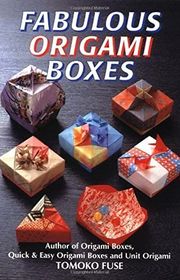
Fabulous Origami Boxes
For folders who want practical containers with decorative possibilities. Its concentration on boxes offers more variety within one useful form than a general collection, though some designs require assembling units rather than folding a single sheet.
What it's about
Fuse presents boxes in triangular, square, hexagonal, and octagonal forms, including nesting designs and decorative lids. Illustrated instructions cover both single-sheet and modular constructions, connecting paper folding with containers suited to gifts, storage, or display.

Marvelous Modular Origami
For folders who enjoy combining repeated units into ornamental structures. Its modular focus offers a clear alternative to single-sheet animals, though preparing many identical pieces and assembling them can take more patience than the individual folds suggest.
What it's about
Meenakshi Mukerji explains how simple folded modules combine into more than thirty ornamental origami structures. Step-by-step diagrams and photographs guide assembly, while additional tips encourage readers to experiment with variations and develop their own modular creations.
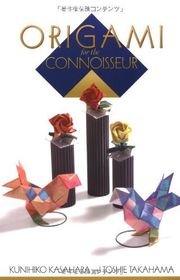
Origami for the Connoisseur
For confident folders who want varied challenges from several designers. Its combination of representational and geometric work broadens technique beyond one author’s style, though the intricate projects make it a poor choice for learning the basic notation.
What it's about
Kasahara and Takahama gather sixty-five projects by origami designers working across geometric and representational forms. The collection includes animals, flowers, objects, and structural puzzles, presenting techniques intended to challenge folders with an established command of the basics.
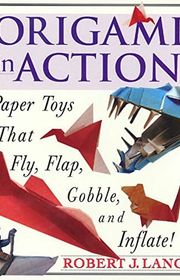
Origami in Action
For folders who want models that flap, inflate, or respond to handling. Its focus on movement adds a mechanical challenge beyond appearance, though successful folding must also produce a working action, which can take extra adjustment.
What it's about
Lang presents thirty-nine paper models designed to move or interact, including flapping creatures, inflatable forms, and animated figures. Diagrams, instructions, and photographs explain projects across several difficulty levels, combining decorative folding with simple paper mechanisms and toys.
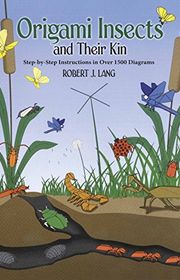
Origami Insects and Their Kin
For intermediate and advanced folders drawn to intricate natural subjects. Its specialized creatures offer challenges beyond a general animal collection, though the many small details and lengthy folding sequences can make suitable paper and precision especially important.
What it's about
Lang presents twenty models of insects, spiders, and related creatures through step-by-step diagrams. General folding guidance and explanations of symbols accompany projects including beetles, a praying mantis, a dragonfly, and other small creatures with intricate forms.
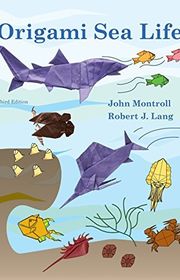
Origami Sea Life
For folders who want a specialized collection of aquatic subjects beyond familiar fish. Its range of sea creatures encourages variety within one theme, though the models span enough difficulty that beginners should choose their starting projects carefully.
What it's about
Montroll and Lang present thirty-eight marine creatures with step-by-step instructions and brief biological sketches. The collection includes fish, shellfish, and other sea life, alongside background on the subject’s origami history, paper choices, and wet-folding techniques.
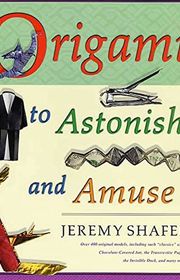
Origami to Astonish and Amuse
For readers who want inventive models with interactive or comic possibilities. Its playful designs give folding a different purpose from realistic display animals, though difficulty varies widely and some of the elaborate mechanisms require substantial experience.
What it's about
Shafer presents paper models and folding ideas designed to surprise, move, or invite interaction. Projects range from simple constructions to elaborate mechanisms, with examples including functional-looking objects, animated scenes, and playful figures that extend beyond static display.

For modular folders interested in geometric structure as well as decorative results. Its connection between units, symmetry, and polyhedra gives assembly a clear framework, though repeating components can be time-consuming even when each fold is straightforward.
What it's about
Meenakshi Mukerji presents modular paper folding through geometric designs assembled from individual units. Diagrams and photographs guide readers through more than forty models, connecting decorative forms with polyhedra and symmetry while introducing projects of increasing complexity.

World's Best Origami
For readers who want one varied project collection to return to as their skills develop. Its mixture of traditional and contemporary designs supports exploration, though the breadth leaves less room for a specialized subject or detailed design theory.
What it's about
Nick Robinson gathers more than one hundred origami projects, combining traditional designs with contemporary creations. Illustrated instructions move from straightforward folds to more demanding models, including animals, flowers, containers, figures, and abstract shapes for folders with varied experience.
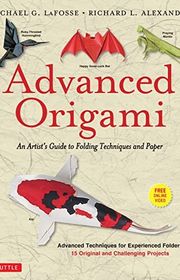
Advanced Origami
For experienced folders who want better control over paper, shaping, and final presentation. Its discussion of preparation and wet folding develops skills beyond following diagrams, though readers wanting quick projects may find the artistic process more involved.
What it's about
LaFosse and Alexander combine fifteen nature-inspired projects with guidance on paper selection, preparation, wet folding, and papermaking. Photographs and diagrams support the models while emphasizing the materials and techniques involved in shaping more elaborate three-dimensional paper works.

For readers who want folding projects that become useful or decorative objects. Its mix of subjects encourages applications beyond animal models, though the varied designs make it less systematic than a course organized around successive techniques.
What it's about
Sok Song introduces origami fundamentals through imaginative designs inspired by traditional folding techniques. Projects range from animals and flowers to useful objects, showing how ordinary paper can become decorative creations for cards, jewelry, and everyday use.
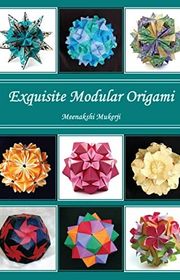
Exquisite Modular Origami
For modular folders who want more polyhedral designs after learning basic unit assembly. Its emphasis on symmetry connects decorative results with geometric structure, though the repeated folding and careful construction favor patient makers over quick-project browsing.
What it's about
Mukerji provides step-by-step diagrams for more than a dozen modular models based on polyhedra. The projects use repeated folded-paper components to explore symmetry and geometric structure, connecting decorative forms with the principles governing their assembly.
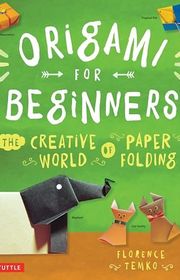
Origami for Beginners
For new folders of different ages who want approachable projects and familiar subjects. The short, illustrated format makes an accessible introduction, though it offers less sustained progression and explanation than a longer course-style book.
What it's about
Temko introduces paper folding through a collection of straightforward projects for beginners. Animals, ornaments, and cards show how simple folds can produce recognizable or useful objects, offering a starting point for readers learning to work from instructions.
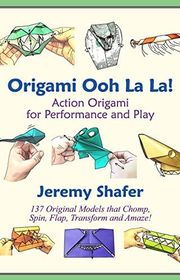
Origami Ooh La La!
For folders who want to perform with their models rather than simply display them. Its combination of folding instructions and presentation routines gives action origami a social purpose, though the performance material may interest casual makers less.
What it's about
Shafer combines instructions for folding action models with routines for presenting them to an audience. The book approaches origami as performance as well as construction, emphasizing how folded objects can move, create surprises, and support playful demonstrations.
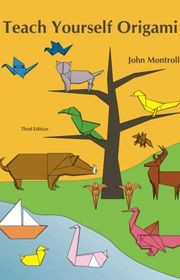
Teach Yourself Origami
For beginners who want a course-like sequence rather than a collection to browse. New folds appear with models that practice them before the difficulty rises, though readers seeking a specialized subject may prefer a themed book afterward.
What it's about
Montroll introduces diagram reading and basic folds through progressively more demanding projects. Traditional and original models illustrate each new technique, beginning with simple figures and continuing into intermediate and advanced designs for readers developing their folding skills.

For readers who want to fold with paper already available around the house. Its material-conscious projects encourage playful experimentation and useful objects, though variable paper thickness and dimensions can make results less predictable than with dedicated origami sheets.
What it's about
Michael LaFosse and Richard Alexander show how spare paper can become playful and useful origami. Twenty-five illustrated projects draw on designs from their studio and other paper artists, offering an accessible introduction to folding while reusing everyday materials.
Sources
- 1
Our Favourite Origami Books
origami.me
- 2
Origami Books
origamispirit.com
- 3
Resources
origamitoronto.org
- 4
Learn Origami
sdorigami.org
- 5
Origami Books
goodreads.com
- 6
Folding Paper: The Infinite Possibilities of Origami: Resource List for Venues
janm.org
- 7
What's your favourite origami book?
reddit.com
- 8
Trying to get into origami. Which guide is best for absolute beginners?
reddit.com







Edited by
Software engineer whose passion for tracking book recommendations from podcasts inspired the creation of MRB.
Lead investor at 3one4 Capital whose startup expertise and love for books helped shape MRB and its growth.
Comments
Spotted a missing book, a wrong order or a mistake? Tell us and we'll fix this page.
We're a reading guide, not the author or publisher, so we can't send books or pass on messages.