
31 Best Nursing Books
The best nursing books, ranked by how many expert sources recommend each one, with notes for students, new nurses, and readers exploring the profession.
Our take
Nursing books serve several different purposes. Memoirs show the emotional and practical experience of caring for people, while reporting examines hospitals, professional relationships, and the organization of healthcare. Study books and clinical references have another job: they help students work through a curriculum or review a particular subject. A personal account can illuminate the profession without teaching its clinical procedures.
For several perspectives on starting out, try I Wasn't Strong Like This When I Started Out. The Shift follows one working day, and The Language of Kindness looks across a longer career. Nursing Against the Odds turns toward institutions, while We Band of Angels offers a wartime historical account. Being Mortal and The Spirit Catches You and You Fall Down raise questions about priorities, communication, and understanding another person’s experience. For study references, check the edition, country, course requirements, and any online access before buying; some listed editions are older. Start with a memoir to explore the work, or an assigned review text for a specific learning goal.
31 books · 8 sources · Last updated
As an Amazon Associate, we earn from qualifying purchases (at no extra cost to you).
How to choose from this list
Skip to the full rankingIf you're exploring what nursing feels like: I Wasn't Strong Like This When I Started Out → The Shift
If you're starting your nursing career: Your First Year As a Nurse → Becoming Nursey
If you want to understand professional development: From Novice to Expert
If you want nursing history: Call the Midwife → We Band of Angels
If you want to reflect on communication and priorities: The Spirit Catches You and You Fall Down → Being Mortal
If you're preparing for the RN licensing exam: Saunders Comprehensive Review for the NCLEX-RN Examination
The 31 books, ranked
Ranked by how many expert sources name each book. Ties go to the book more people recommend.

For students who want several honest perspectives on learning to nurse. The personal essays show uncertainty and emotional development beyond a course syllabus, but the different voices and settings provide experience rather than one consistent practical framework.
What it's about
Lee Gutkind collects nurses' personal accounts of learning their profession, from early clinical encounters to confronting death. These essays explore compassion, mistakes, demanding workplaces and the experiences that shape caregivers at different stages of their careers.

For readers who want to understand the interruptions, decisions, and relationships within one working day. The close timeframe makes competing demands tangible, but one oncology shift cannot represent every nursing specialty or hospital environment.
What it's about
Theresa Brown follows a twelve-hour shift on a cancer ward, tracing the care of four patients. Her account explores clinical decisions, interruptions, hospital routines and the personal relationships that shape a nurse's working day.

The Immortal Life of Henrietta Lacks
For readers interested in consent, trust, and the people behind medical research. Its reporting connects scientific institutions with one family’s experience, but the historical investigation is broader than a nursing memoir or introduction to clinical practice.
What it's about
Rebecca Skloot investigates the life of Henrietta Lacks, whose cells were taken without her knowledge and became important tools in medical research. Her reporting connects scientific advances with the experiences of Lacks's family and questions of consent, race, and justice.
Also recommended by
1 person A.J. Jacobs recommended this book
A.J. Jacobs
"Great writer." - A.J. Jacobs
A.J. Jacobs's recommendation of this book

For readers interested in the history of nursing’s attention to surroundings and observation. Its concise argument reveals an early professional vision, but the nineteenth-century assumptions make it historical reading rather than a current clinical manual.
What it's about
Florence Nightingale explains her principles for caring for sick people, emphasizing their surroundings and daily needs. Ventilation, warmth, cleanliness, quiet, food and attentive observation form the practical foundation of this influential nineteenth-century account of nursing.

For readers interested in the relationships and emotional work of a long nursing career. Its movement across different wards gives a wider perspective than a single-shift account, but the personal reflections can be emotionally demanding rather than instructional.
What it's about
Christie Watson looks back on twenty years in nursing, from neonatal wards to cancer care and emergency medicine. Her memoir follows patients and colleagues while exploring compassion, vulnerability and the relationships formed through caring for others.

For readers who want a new nurse’s first-year perspective on an oncology ward. The close account makes uncertainty and responsibility tangible, but its emotional focus and narrow timeframe offer a personal experience rather than broad professional guidance.
What it's about
Former English professor Theresa Brown recounts her first year as a nurse on a medical oncology ward. Patient encounters reveal the physical demands, emotional uncertainty and responsibilities of a profession lived close to illness and death.

When Breath Becomes Air
For readers who want to consider illness from the perspective of a clinician who becomes a patient. The personal account gives professional identity and uncertainty emotional weight, but it centers a physician’s life rather than nursing practice.
What it's about
Near the end of his neurosurgery training, Paul Kalanithi is diagnosed with terminal lung cancer and begins asking what makes a life meaningful. His memoir is clear-eyed, intimate, and deeply humane.
Also recommended by
8 people Bill Gates recommended this book
Bill Gates
"This book left me in tears." - Bill Gates
Bill Gates's recommendation of this book  Melinda Gates recommended this book
Melinda Gates
Melinda Gates recommended this book on Likewise.com.
Melinda Gates's recommendation of this book  Anthony Pompliano recommended this book
Anthony Pompliano
"[One of the] best books I read in 2017." - Anthony Pompliano
Anthony Pompliano's recommendation of this book  Patrick O'Shaughnessy recommended this book
Patrick O'Shaughnessy
"The memoir of a successful neurosurgeon who is diagnosed with lung cancer." - Patrick O'Shaughnessy
Patrick O'Shaughnessy's recommendation of this book  Tim Cook recommended this book
Tim Cook
"Best book on re-examining life and values." - Tim Cook
Tim Cook's recommendation of this book  Peter King recommended this book
Peter King
"One of the best books I've read in years." - Peter King
Peter King's recommendation of this book +2
More recommendations
- Shauna Niequist
Shauna Niequist recommended this book on Twitter.
- James Clear
"[One of] the 10 best nonfiction books of all-time." - James Clear
- Shauna Niequist

For readers interested in the relationship between medical goals and the life a person wants to live. Its stories encourage reflection on aging and care priorities, but the physician’s perspective and US settings limit its scope as a nursing-specific account.
What it's about
Atul Gawande examines how medicine responds to aging and terminal illness, drawing on patient stories and his own experience. He considers the tension between extending life, preserving independence, and understanding what matters most to people approaching death.
Also recommended by
1 person Steve Kerr recommended this book
Steve Kerr
Steve Kerr recommended this book on Twitter.
Steve Kerr's recommendation of this book

For readers who want an experienced nurse’s recollection of emergency and intensive-care work. Its humor and difficult encounters make the professional demands vivid, but the earlier hospital setting provides historical perspective rather than current procedural instruction.
What it's about
Echo Heron recounts her journey from idealistic nursing student to the realities of emergency and intensive care. Her memoir combines humor with candid accounts of patients, hospital pressures and the emotional demands of caring for critically ill people.

For students practicing the structure of nursing diagnoses and care plans. Its organized entries connect assessment with planning, but the listed eighth edition is from 2007 and should not be treated as a current clinical reference.
What it's about
Betty Ackley and Gail Ladwig provide a reference for developing nursing diagnoses and planning patient care. The handbook links the nursing process with evidence-based practice, organizing guidance around identifying diagnoses and constructing individualized care plans.

For students who want a compact guide to frequently encountered clinical topics. Its portable layout supports quick lookup, but the listed fifth edition dates to 2018, so check the current edition required by your course.
What it's about
Ehren Myers provides a compact clinical reference organized around procedures, assessment, emergencies, medications, laboratory values and patient education. Designed for nursing students and practicing nurses, it brings frequently needed information together with examination preparation tips.
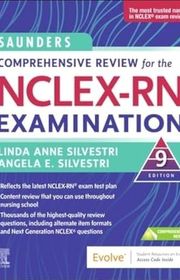
Saunders Comprehensive Review for the NCLEX-RN Examination
For nursing students who want broad review material with practice questions and answer explanations. The scale supports organized revision, but check the available edition against your exam’s current test plan and any required access to online resources.
What it's about
This review organizes nursing content for the NCLEX-RN examination and pairs it with practice questions and rationales. The available ninth edition includes different question formats and online material, supporting revision and work on the reasoning used in exam responses.

The Spirit Catches You and You Fall Down
A Hmong Child, Her American Doctors, and the Collision of Two Cultures
For readers interested in communication, cultural understanding, and power within healthcare. Its detailed reporting shows how different interpretations can collide around one child’s care, but a single family’s experience should not be generalized to an entire community.
What it's about
Anne Fadiman investigates the care of Lia Lee, a Hmong child with epilepsy in California. Her account explores how her family's beliefs and American medical practice collide, placing their experience within Hmong history and refugee life.
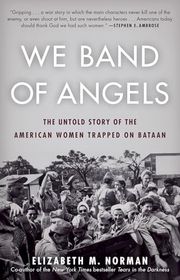
We Band of Angels
For readers interested in nursing history under wartime conditions. The group narrative gives professional work a setting beyond ordinary hospital life, but battle, deprivation, and captivity make the account demanding and distant from a contemporary career guide.
What it's about
Norman recounts the experiences of American Army and Navy nurses in the Philippines during the Second World War. Their work in field hospitals and their later captivity become the center of a history about service, endurance, and professional identity.

For readers interested in the ethical and organizational pressures of a hospital disaster. The reconstructed events connect care with institutions and accountability, but the long investigation concerns exceptional circumstances rather than providing a practical model for routine nursing work.
What it's about
Sheri Fink investigates patient deaths at New Orleans's Memorial Medical Center after Hurricane Katrina. Reconstructing the crisis and subsequent accusations against medical staff, she examines rescue priorities, disaster preparedness, and the difficult moral decisions surrounding care under extreme conditions.
Also recommended by
1 person Sarah Jessica Parker recommended this book
Sarah Jessica Parker
"This brilliant, non-fiction book is brutal and minutely-researched." - Sarah Jessica Parker
Sarah Jessica Parker's recommendation of this book
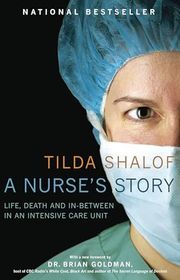
A Nurse's Story
For readers who want an intensive-care nurse’s view of teamwork and difficult encounters. Its attention to colleagues gives the unit a social life beyond clinical decisions, but the distressing cases and personal viewpoint make it an emotionally intense memoir.
What it's about
Shalof recounts work within a close team of intensive-care nurses in a large Canadian hospital. Stories of patients and colleagues explore dependence, humor, conflict, and responsibility, showing the emotional and practical demands surrounding care for seriously ill people.
Becoming Nursey
For new graduates who prefer informal mentoring about work habits and professional adjustment. The conversational approach makes practical concerns approachable, but the older personal perspective should be distinguished from current institutional policies or clinical reference guidance.
What it's about
Kleber discusses the transition from nursing school to working at the bedside, using humor and personal experience. Topics include time management, communication with colleagues, mistakes, and maintaining a life outside work, with an emphasis on professional adjustment.
For readers who want nursing and midwifery history told through a community rather than a modern ward. The East End setting gives care a social context, but the period practices and recollections should be read as historical experience.
What it's about
At twenty-two, Jennifer Lee leaves home for London's East End and trains with an order of Anglican nuns. Her memoir mixes vivid home births, hard poverty, sharp social observation, and plenty of humor.
Call the Nurse
For readers who want community nursing beyond the hospital ward. Its remote Scottish setting makes relationships and local circumstances central to care, but the personal recollections belong to a particular place and earlier period rather than present-day practice.
What it's about
MacLeod recalls moving with her family to a remote Scottish island and working as a community nurse. Visits and encounters introduce the people around her, connecting everyday care with the challenges and pleasures of life in a small rural community.

For readers interested in diagnostic reasoning and the importance of listening to patients. The medical mysteries make uncertainty and mistaken assumptions visible, but the physician-centered cases emphasize unusual puzzles rather than the routines of nursing work.
What it's about
Physician Lisa Sanders explores puzzling medical cases and the process of reaching a diagnosis. Patient histories, physical examinations and tests reveal how listening, uncertainty, communication and mistaken assumptions influence doctors' attempts to explain illness.

First Year Nurse
Wisdom, Warnings, and What I Wish I'd Known My First 100 Days on the Job
For new graduates who want concise advice from experienced nurses about the transition into work. The collected lessons provide several practical perspectives, but broad tips and older workplace examples need adapting to the expectations of a particular employer.
What it's about
Barbara Arnoldussen gathers practical advice from experienced nurses for those beginning their careers. The guide addresses priorities, patient communication, stress, burnout and professional growth, sharing warnings and lessons about the transition from training to practice.
From Novice to Expert
For students and mentors interested in how nursing judgment develops through experience. The practice narratives give the skill-development framework concrete context, but the model is an interpretive account rather than a fixed timetable that every nurse follows.
What it's about
Benner examines clinical judgment, caring, and learning through accounts of nursing practice. The book presents stages of skill development and explores how experience changes what practitioners notice and understand, highlighting knowledge that can be difficult to capture through formal rules.
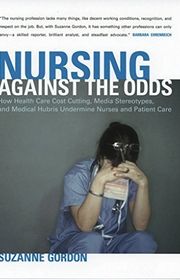
Nursing Against the Odds
For readers interested in how institutions and public images shape nursing work. The interviews and reporting broaden the discussion beyond individual resilience, but the historical setting and advocacy perspective require contextual reading rather than treating it as a current survey.
What it's about
Gordon investigates pressures on nurses through interviews, research, and firsthand reporting. The book examines staffing, cost cutting, professional relationships, and media portrayals, asking how the organization of healthcare affects the recognition and conditions of nursing work.
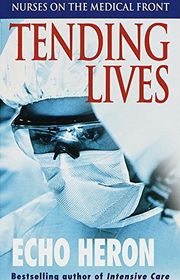
Tending Lives
For readers who want several nurses’ voices rather than a single continuous autobiography. The collected accounts reveal different emotional and workplace pressures, but the earlier healthcare context and selected testimony do not provide a balanced current workforce study.
What it's about
Heron gathers accounts from fellow nurses about patients, colleagues, and the demands of their work. The stories move among humor, grief, and frustration, allowing practitioners to describe experiences that are often difficult to communicate outside the profession.
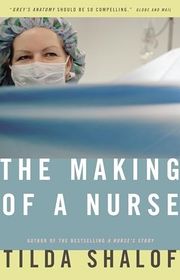
The Making of a Nurse
For readers interested in how a nursing identity develops across family responsibilities, training, and work. Its longer personal arc complements the unit-centered A Nurse’s Story, but the memoir provides one path rather than a general model for career development.
What it's about
Shalof traces a life of caregiving from childhood responsibilities for ill parents to professional nursing. The memoir follows the experiences and challenges that shaped her skills and identity, connecting private family roles with a career in intensive care.
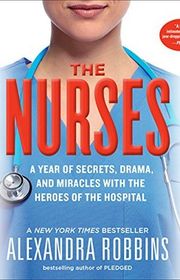
The Nurses
For readers who want reporting on nursing work rather than one practitioner’s memoir. Following several hospital settings gives the workplace pressures broader context, but the narrative remains a selected investigation rather than a representative survey of the profession.
What it's about
Robbins follows nurses working in several hospitals and draws on wider interviews to examine their daily lives. The reporting connects patient care, colleagues, institutional pressures, and personal commitments, bringing work that often happens out of public view into focus.

For nurses who want short comic pieces rather than another emotionally heavy memoir. The mixture of cartoons and writing offers variety, but workplace humor is personal and some jokes may feel dated or miss their audience.
What it's about
Amy Young gathers humorous writing and cartoons about nursing from professional journals, books, online sources and personal contributions. The collection finds comedy in the demands, mishaps and everyday situations encountered by nurses at work.

For readers curious about the transition from sheltered student life to a demanding urban hospital. Its training stories place nursing within poverty and institutional conditions, but the retrospective account reflects one person and an earlier period of practice.
What it's about
Carol Karels recalls entering nursing training at Chicago's Cook County Hospital as a suburban teenager in 1971. Her memoir follows student nurses confronting poverty, difficult hospital conditions and the sometimes startling realities of caring for patients.

How to Survive and Maybe Even Love Your Life as a Nurse
For readers who want a mentoring voice during the move from student to working nurse. Its attention to career development complements the personal memoirs, but the older examples and general advice need adapting to contemporary workplaces.
What it's about
Kelli Dunham and Staci Smith guide new nurses from graduation into their first jobs and developing careers. Acting as mentors, they address the transition from student to professional and the challenge of finding fulfillment in nursing.

For students who want anatomy and physiology connected with illness in a clear introductory text. Its illustrated approach suits nursing study, but the listed twelfth edition is from 2014, so confirm your course’s required version.
What it's about
Anne Waugh and Allison Grant introduce human body structure and function, then explain how illness alters normal processes. This twelfth edition uses straightforward text and color illustrations for students preparing for nursing and other health related professions.

Your First Year As a Nurse
For new nurses who want career guidance beyond the tasks learned in training. Its attention to workplace relationships and professional growth gives the transition a broader frame, but general advice still needs adapting to local roles and employment conditions.
What it's about
Donna Cardillo guides new nurses through the transition into professional practice. Her advice addresses finding a job, patient care, workplace relationships, conflict, burnout and career development, encouraging confidence and resilience during a demanding first year.
Sources
- 1
15 Books That Every Nurse Should Read
nursejournal.org
- 2
14 Must-Read Nursing Books
scijournal.org
- 3
5 Great Books for Nursing Students
bestmasterofscienceinnursing.com
- 4
13 Best Books for Nursing Students (2026): Reviewed
thecollegeapplication.com
- 5
Nursing Books
goodreads.com
- 6
Book recommendations
reddit.com
- 7
Are there any books that you would recommend to a nurse going into the field?
reddit.com
- 8
100 Best Nursing Books of All Time
shortform.com




Edited by
Software engineer whose passion for tracking book recommendations from podcasts inspired the creation of MRB.
Lead investor at 3one4 Capital whose startup expertise and love for books helped shape MRB and its growth.
Comments
Spotted a missing book, a wrong order or a mistake? Tell us and we'll fix this page.
We're a reading guide, not the author or publisher, so we can't send books or pass on messages.