
17 Best Goal Setting Books
The best goal-setting books, ranked by how many expert sources recommend each one, with notes to help you choose personal plans, daily habits, or team goals.
Our take
Goal setting involves choosing what matters, defining progress, and making room for the work that follows. These books approach those tasks from different directions. Some help you explore personal priorities; others turn an agreed objective into deadlines, measures, or routines. The right starting point depends on whether you need a clearer destination or a better way to keep moving toward it.
Creating Your Best Life and The Desire Map give more space to reflection, while Hard Goals concentrates on commitment and challenge. Your Best Year Ever offers a personal planning sequence, and The 12 Week Year shortens the planning horizon. For shared work, Measure What Matters and The 4 Disciplines of Execution put greater emphasis on accountability. Atomic Habits addresses the daily behaviors behind progress. Start with Your Best Year Ever for a general framework, or Atomic Habits if your destination is clear but follow-through keeps slipping.
17 books · 10 sources · Last updated
As an Amazon Associate, we earn from qualifying purchases (at no extra cost to you).
How to choose from this list
Skip to the full rankingIf you want a personal planning framework: Your Best Year Ever → The 12 Week Year
If you need to clarify what matters: Creating Your Best Life → The Desire Map
If you struggle with daily follow-through: Atomic Habits
If you need fewer competing priorities: The ONE Thing
If you're setting goals for a team: Measure What Matters → The 4 Disciplines of Execution
If your goals lack personal commitment: Hard Goals
The 17 books, ranked
Ranked by how many expert sources name each book. Ties go to the book more people recommend.

For readers who know their goal but struggle with daily follow-through. Clear gives practical attention to cues, environment, and repetition, though the emphasis on systems offers less help with deciding which long-term ambitions are worth pursuing.
What it's about
James Clear explores why habits persist and how everyday systems influence behavior. He draws on behavioral research and illustrative stories to offer practical methods for establishing constructive routines, reducing unwanted habits, and making gradual improvements more sustainable.
Also recommended by
8 people Tim Urban recommended this book
Tim Urban
"I'd attribute about 60% of my good habits to [the author's] blog and this book is rapidly filling in the other 40%." - Tim Urban
Tim Urban's recommendation of this book  Vinod Khosla recommended this book
Vinod Khosla
"A decent book on self-help tools, not a category I am generally a fan of." - Vinod Khosla
Vinod Khosla's recommendation of this book  Biz Stone recommended this book
Biz Stone
"Great book." - Biz Stone
Biz Stone's recommendation of this book  Anthony Pompliano recommended this book
Anthony Pompliano
"Highly recommend." - Anthony Pompliano
Anthony Pompliano's recommendation of this book  Jodie Cook recommended this book
Jodie Cook
"I love the simplicity of this book." - Jodie Cook
Jodie Cook's recommendation of this book  Blake Randall recommended this book
Blake Randall
"" - Blake Randall
Blake Randall's recommendation of this book +2
More recommendations
- Ali Abdaal
"Helped me understand how habits are formed and what we can do." - Ali Abdaal
- Ben Greenfield
Most Recommended Books reached out to Ben Greenfield directly.
- Ali Abdaal

For beginners who want direct prompts for clarifying ambitions and taking action. Tracy covers many stages of personal goal pursuit in one place, though the confident success language and familiar advice can feel repetitive to experienced readers.
What it's about
Brian Tracy presents a process for identifying, clarifying, and pursuing personal and professional goals. Principles and exercises address values, obstacles, decisions, and consistent action, connecting longer term aspirations with practical plans and an ongoing commitment to development.
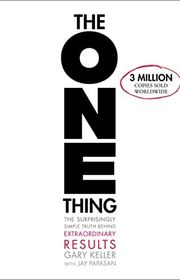
The ONE Thing: The Surprisingly Simple Truth About Extraordinary Results
For readers who scatter effort across too many competing priorities. Its focusing question and protected work time make choosing the next important action straightforward, though the single-priority emphasis needs adaptation when several responsibilities genuinely cannot wait.
What it's about
Gary Keller and Jay Papasan argue for identifying the activity that makes other work easier or less necessary. They connect prioritization with goal setting, time blocking, and daily choices, exploring how focused effort can serve larger personal and professional aims.

For readers who want a structured personal planning reset. Its sequence connects reflection, motivation, and action across life areas, though the annual framing and inspirational style may suit you less than a shorter, more tightly measured cycle.
What it's about
Michael Hyatt offers a five-step approach to setting and pursuing meaningful goals. Reflections and exercises address past setbacks, motivation, obstacles, and follow-through, helping readers translate aspirations in different areas of life into purposeful action.

Measure What Matters
How Google, Bono, and the Gates Foundation Rock the World with OKRs
For managers who need shared goals and visible measures of progress. The organizational examples make coordination and accountability concrete, though a solo reader will need to adapt the framework and avoid measuring only what is easiest to count.
What it's about
John Doerr explains the objectives and key results framework through accounts from companies and nonprofit organizations. He examines how clear priorities and measurable goals can help teams coordinate effort, track progress, and reconsider activities that are not working.
Also recommended by
8 people Larry Page recommended this book
Larry Page
"I wish I had had this book nineteen years ago, when we founded Google. Or even before that, when I was only managing myself!" - Larry Page
Larry Page's recommendation of this book  Bill Gates recommended this book
Bill Gates
"I’d recommend [John Doerr]’s book for anyone interested in becoming a better manager." - Bill Gates
Bill Gates's recommendation of this book  Walter Isaacson recommended this book
Walter Isaacson
"The most important venture capitalist of our era reveals a key to business innovation and success." - Walter Isaacson
Walter Isaacson's recommendation of this book  Dustin Moskovitz recommended this book
Dustin Moskovitz
Dustin Moskovitz recommended this book on Twitter.
Dustin Moskovitz's recommendation of this book  Reid Hoffman recommended this book
Reid Hoffman
"Whether you're a seasoned CEO or a first-time entrepreneur, you'll find valuable lessons, tools, and inspiration in the pages of [this book]. I'm glad [the author] invested the time to share these ideas with the world." - Reid Hoffman
Reid Hoffman's recommendation of this book  Jim Collins recommended this book
Jim Collins
"Deserves to be fully embraced by every person responsible for performance, in any walk of life. [The author] makes Andy Grove a mentor to us all." - Jim Collins
Jim Collins's recommendation of this book +2
More recommendations
- Sheryl Sandberg
"Shows how any organization or team can aim high, move fast, and excel." - Sheryl Sandberg
- Marty Cagan
"Does a good job overall - worth reading." - Marty Cagan
- Sheryl Sandberg

For readers whose sensible goals never feel compelling enough to pursue. Murphy emphasizes emotional commitment and stretch more than routine planning, though the motivational intensity may fit poorly when the real obstacle is limited time or resources.
What it's about
Murphy proposes setting goals that stretch ability and create personal commitment. His framework combines emotional connection, vivid imagination, urgency and difficulty, using research and examples to examine why some objectives motivate action while others stall.

For readers who want to explore several areas of life before choosing goals. Its exercises connect priorities with wellbeing more broadly than a business execution manual, though the reflective work takes time before producing a focused plan.
What it's about
Frisch and Caroline Adams Miller connect goal-setting with positive psychology through exercises and quizzes. Their life-list approach helps readers explore priorities across sixteen areas, including relationships, work, health and creativity, before developing goals around those needs.

For leaders whose strategic priorities keep losing to daily demands. Its scoreboards and regular accountability give teams a concrete execution rhythm, though adopting the process requires participation and meeting discipline rather than individual motivation alone.
What it's about
McChesney and his coauthors present four practices for carrying out strategic priorities amid everyday demands. Focusing goals, tracking influential actions, maintaining a scoreboard and establishing regular accountability form a framework illustrated through organizational experience and examples.

For readers who achieve things yet feel disconnected from their goals. LaPorte's emphasis on desired feelings creates space for reflection before planning, though the spiritual language and introspective exercises offer less precision for measurable project delivery.
What it's about
LaPorte proposes beginning with desired feelings rather than a list of achievements. Reflections, quizzes and worksheets help readers explore different areas of life, identify emotional priorities and use those discoveries to develop personally meaningful goals.

For readers who resist formal goal-setting language but respond to personal wishes. Ellis offers an approachable route from desire to action, though the metaphor-driven presentation provides less rigorous measurement than the organizational frameworks on this list.
What it's about
Ellis presents goal-setting through the language of wishes, using their emotional appeal as a starting point for action. His process addresses focus and follow-through in personal and professional life, supported by techniques and success stories.

The Power of Positive Thinking
For readers who want encouragement grounded in Christian faith. Its prayers and confidence-building exercises address discouragement more directly than a planning manual, though the religious outlook and optimistic assertions will not suit readers seeking a secular, evidence-focused method.
What it's about
Norman Vincent Peale combines Christian faith, prayer, and practical exercises in a guide to approaching everyday difficulties with confidence. Personal stories support his advice on discouragement, worry, and cultivating a more optimistic outlook on life.
Also recommended by
1 person Steve Harvey recommended this book
Steve Harvey
"Powerful." - Steve Harvey
Steve Harvey's recommendation of this book
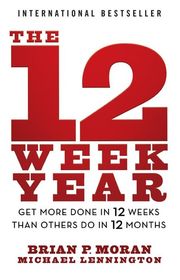
The 12 Week Year: Get More Done in 12 Weeks than Others Do in 12 Months
For readers who lose urgency when a deadline is months away. Its short planning cycles and weekly scorekeeping make execution visible, though the repeated reviews require discipline and cannot remove the uncertainty of work with unpredictable outcomes.
What it's about
Brian P. Moran and Michael Lennington replace annual planning with twelve-week cycles. Their system connects a longer-term vision to weekly actions, scorecards, and regular reviews, aiming to make execution easier to monitor and adjust before a distant deadline arrives.

The Art Of Setting Smart Goals
Set Winning Goals and Live a Life of Abundance, Success and Achievement
For beginners who want a straightforward introduction to defining an objective. Its SMART structure helps turn vague intentions into tasks and deadlines, though readers already comfortable with that framework may find less new material here.
What it's about
Marku introduces a process for deciding what to achieve and why it matters. She explains specific, measurable, achievable, relevant and timely goals, then discusses dividing work into tasks, setting deadlines, finding accountability and recognizing progress.
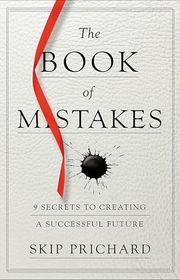
The Book of Mistakes: 9 Secrets to Creating a Successful Future
For readers who absorb ideas more easily through a story than through worksheets. Prichard turns common obstacles to achievement into a short fable, though the lessons offer less procedural detail than the planning and execution books here.
What it's about
A young man dissatisfied with his life encounters people who challenge the assumptions behind his choices. Through their conversations, Skip Prichard presents nine recurring mistakes and considers how purpose, responsibility, and perspective influence the pursuit of a different future.

Big Potential
How Transforming the Pursuit of Success Raises Our Achievement, Happiness, and Well-Being
For readers whose goals depend on colleagues, friends, or a wider community. Achor shifts attention toward shared achievement and supportive relationships, though the broad argument gives less detail on setting deadlines or tracking individual milestones.
What it's about
Shawn Achor argues that achievement depends on the people around us as well as individual effort. Drawing on research and organizational examples, he explores how helping others develop their abilities can expand shared opportunities, performance and well-being.

The Third Door
The Wild Quest to Uncover How the World's Most Successful People Launched Their Careers
For readers who need encouragement to pursue unconventional opportunities. Banayan's interview quest makes persistence feel personal and concrete, though the stories of prominent achievers offer inspiration more than a repeatable system for setting and reviewing goals.
What it's about
As an eighteen-year-old college student, Alex Banayan sets out to discover how prominent people launched their careers. His pursuit of interviews with figures such as Bill Gates and Maya Angelou becomes an account of persistence and unconventional routes to opportunity.

Nine Things Successful People Do Differently
For readers who prefer a brief set of research-informed strategies to a large planning system. Its focus on specific behaviors makes individual ideas easy to try, though the compact treatment offers less room for examples and sustained practice.
What it's about
Grant examines behaviors associated with reaching goals, emphasizing actions rather than innate talent. Nine strategies include making objectives specific, recognizing opportunities to act, monitoring progress and maintaining realistic optimism, with research informing the book's practical approach.
Sources
- 1
My Top Five Goal Setting Books - Five Books Reader List
fivebooks.com
- 2
Best Books for Goal Setting: 8 Practical Guides
nnlist.com
- 3
94 Best Goal Setting Books of All Time (Updated for 2026)
shortform.com
- 4
Best Goal Setting Books: How to Set and Achieve Your Goals
readingandthinking.com
- 5
12 Best Books on Goals and Habits | GoalGo
goalgo.app
- 6
What's the best goal-setting book you've ever read? : r/Entrepreneur
reddit.com
- 7
14 Great Setting Goals Books To Read This Year - LifeHack
lifehack.org
- 8
Top 100 Books on Goal Setting (16 books)
goodreads.com
- 9
7 of the Best Goal Setting Books I've Read
theexceptionalskills.com
- 10
15 Best Books on Goal-Setting
positivepsychology.com


Edited by
Software engineer whose passion for tracking book recommendations from podcasts inspired the creation of MRB.
Lead investor at 3one4 Capital whose startup expertise and love for books helped shape MRB and its growth.
Comments
Spotted a missing book, a wrong order or a mistake? Tell us and we'll fix this page.
We're a reading guide, not the author or publisher, so we can't send books or pass on messages.