
16 Best Norse Mythology Books
The best Norse mythology books, ranked by how many expert sources recommend them, with notes on retellings, medieval texts, illustrated books, and references.
Our take
Norse mythology survives through poems, medieval prose, archaeology, and later retellings rather than one complete account. That makes the choice of book important. A modern storyteller can introduce Odin, Thor, and Loki, while a translated source or scholarly reference shows how the surviving traditions fit together and where interpretation remains uncertain.
Neil Gaiman's Norse Mythology offers a straightforward narrative introduction, and D'Aulaires' Book of Norse Myths provides an illustrated route for families. The Poetic Edda and The Prose Edda bring you closer to medieval texts, though their purposes and forms differ. For wider context, Carolyne Larrington's The Norse Myths explains the stories and the evidence behind them.
Translations also differ in readability, commentary, and the versions of a text they include. Modern novels such as The Gospel of Loki take greater imaginative freedom. Start with Gaiman's Norse Mythology for storytelling, then try The Poetic Edda or a reference when you want to look beyond the retellings.
16 books · 7 sources · Last updated
As an Amazon Associate, we earn from qualifying purchases (at no extra cost to you).
How to choose from this list
Skip to the full rankingIf you're starting with the stories: Norse Mythology
If you're reading with children: D'Aulaires' Book of Norse Myths → Norse Gods
If you want medieval source texts: The Poetic Edda → The Prose Edda
If you want religious and historical context: Gods and Myths of Northern Europe → Myth and Religion of the North
If you need a detailed reference: A Dictionary of Northern Mythology
If you want fiction inspired by the myths: The Sea of Trolls → The Gospel of Loki
The 16 books, ranked
Ranked by how many expert sources name each book. Ties go to the book more people recommend.

Norse Mythology
For newcomers who want familiar myths told as a flowing sequence of stories. Gaiman makes the characters and conflicts approachable, though the accessible retelling offers less historical context and source comparison than a scholarly introduction.
What it's about
Norse tales follow Odin, Thor, Loki and their fellow gods through bargains, rivalry and dangerous adventures. From the creation of the worlds towards Ragnarok, the retellings show how courage, cunning and pride shape their fortunes.

D'Aulaires' Book of Norse Myths
For children and families who want the gods introduced through illustrations and lively storytelling. The visual world makes the myths memorable, though the retelling adapts complex traditions for a younger audience rather than offering detailed source discussion.
What it's about
An illustrated introduction for children retells Norse legends of gods and giants. Ingri and Edgar Parin d'Aulaire include Odin, Thor's stolen hammer, Loki's mischief, and Ragnarok, combining their storytelling with depictions of the mythological world.

Gods and Myths of Northern Europe
For readers who want myths connected with the wider beliefs of northern Europe. Davidson gives an accessible scholarly overview, though the book's age means some interpretations and archaeological discussions need comparison with more recent work.
What it's about
H. R. Ellis Davidson introduces the pre-Christian beliefs of Scandinavian and Germanic peoples through their myths and sagas. Her survey outlines stories and examines the characteristics of familiar and lesser-known deities, connecting the narratives with the religious traditions they preserve.

For readers ready to encounter a medieval account behind many modern retellings. Byock's notes help explain poetic references and unfamiliar figures, though Snorri's later Christian-era framework should not be mistaken for an unfiltered record of earlier belief.
What it's about
Snorri Sturluson's medieval Icelandic work preserves Norse myths alongside explanations of poetic language. Stories of gods and their world provide context for traditional allusions, with Jesse L. Byock's translation, introduction, and notes guiding readers through this source of Scandinavian mythology.

For beginners who want retold myths alongside an introduction to religious ideas. McCoy combines narrative and explanation accessibly, though the broad popular synthesis should be distinguished from a specialist study of the surviving evidence.
What it's about
Daniel McCoy combines retellings of thirty-four Norse myths with an introduction to Viking religious beliefs and practices. He explores the gods, fate, the afterlife, morality, cosmology, and magic, placing the stories within the religion of ancient Scandinavia.

For readers who want historical orientation followed by entries they can consult while reading myths. Lindow connects names and concepts clearly, though the reference structure is less suited to someone seeking one continuous narrative.
What it's about
John Lindow places Norse mythology in historical context before examining the idea of mythic time. Detailed entries explain gods, heroes, rituals, and other terms, giving readers a reference for exploring the stories and beliefs of the Scandinavian world.

The Sagas of Icelanders
For readers who want the social and literary world around Norse myth through family sagas. The anthology offers feuds, voyages, and complex relationships, though much of its material concerns human history and storytelling rather than the gods themselves.
What it's about
This hefty anthology gathers many of the classic medieval Icelandic family sagas in modern translation, tracing settlers, feuds, voyages, and everyday life in the North Atlantic world that later inspired Smiley’s own fiction about Greenland and Iceland.
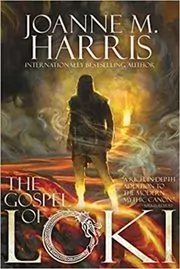
For readers who know the main myths and want a mischievous fictional reinterpretation. Harris makes Loki's partial, self-serving voice the attraction, though this inventive viewpoint should not be confused with a translation or neutral account of the traditions.
What it's about
Loki tells his own version of Norse myth, from Odin’s bargain with him to the betrayals that end in Ragnarok. Funny, bitter, and sly, it turns the trickster god into a brilliantly unreliable guide to Asgard’s rise and fall.
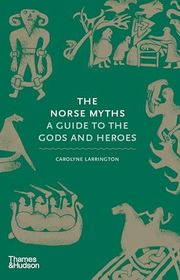
The Norse Myths: A Guide to the Gods and Heroes
For readers who want a modern scholarly introduction without beginning with difficult medieval texts. Larrington connects the stories with their surviving evidence, though the concise survey necessarily leaves detailed disputes and individual source readings for other books.
What it's about
Carolyne Larrington introduces Norse gods, heroes, and mythic stories while explaining the evidence through which they survive. Literary texts and archaeological material provide context for creation, divine relationships, heroic adventures, and the destruction and renewal associated with Ragnarök.

For readers who want mythological and heroic poems in clear modern English. Crawford prioritizes readability and forward movement, though the relatively light commentary makes another reference useful when you want detailed discussion of contested meanings.
What it's about
Jackson Crawford translates the Old Norse poems about gods and legendary heroes into modern English verse. An introduction and individual headnotes provide context for tales of creation, divine encounters, heroic struggles, and the world's fate in pre-Christian Scandinavian tradition.

For readers drawn to dragons, family feuds, and tragic heroic storytelling. Crawford makes two legendary sagas accessible in one volume, though the violence, changing generations, and unfamiliar names require more attention than a modern adventure novel.
What it's about
Two Old Norse sagas follow seven generations of a legendary family through battles, betrayals, and magic. Jackson Crawford's translation brings together the stories of Sigurd the dragon-slayer, Brynhild, and Ragnar Lothbrok, supported by notes and introductory material.

For younger readers who want an adventure shaped by Norse mythology rather than a direct retelling. Farmer makes the mythic world part of a personal quest, though the fictional additions and mixed traditions need distinguishing from medieval source material.
What it's about
In A.D. 793, Jack and his sister Lucy are taken by Vikings and swept into a dangerous quest shaped by Norse myth. To save Lucy, Jack must face trolls, magic, and enemies far older than raiders.
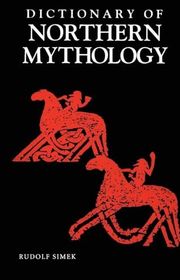
A Dictionary of Northern Mythology
For readers who need a detailed reference while working through Norse and Germanic texts. Simek's entries provide concentrated context and cross-references, though the dictionary format and scholarly density make it a companion rather than a first narrative introduction.
What it's about
Rudolf Simek's reference work surveys figures, places, objects, and concepts from Germanic and Norse mythology. Translated by Angela Hall, its entries connect literary and archaeological evidence with scholarly interpretations, helping readers navigate the traditions and their surviving records.

For readers seeking a substantial historical study of pre-Christian Scandinavian religion. Turville-Petre examines several kinds of surviving evidence, though the older scholarship and detailed argument make it better after an introductory survey.
What it's about
Turville-Petre examines pre-Christian Scandinavian religion using Old Norse literature, missionary reports, and archaeological evidence. Discussions of Odin, Thor, Baldr, and other figures connect the surviving myths with questions about religious beliefs and the sources through which they are known.
The Norse Myths
For readers who want literary retellings supported by substantial background notes. Crossley-Holland balances narrative pleasure with attention to the traditions, though readers seeking direct access to medieval language and form will still want an Edda translation.
What it's about
Kevin Crossley-Holland retells Norse myths from the creation of the world to Ragnarök. An introduction and explanatory notes accompany stories drawn from medieval sources, presenting gods, giants, and heroes within a connected narrative of the mythological world.

Norse Gods
For readers who want visual interpretations as much as retold stories. Egerkrans gives gods and creatures a strong illustrated presence, though the artwork-led approach supplies less detailed historical analysis than a specialist reference.
What it's about
Johan Egerkrans retells Scandinavian myths from the creation of the world through Ragnarök. His illustrations depict the gods, giants, dwarves, monsters, and heroes who inhabit these stories, combining a narrative introduction with visual interpretations of Norse mythology.
Sources
- 1
Best Norse Mythology Books: 12 Picks From the Eddas to Modern Retellings (2026)
skriuwer.com
- 2
The 10 Best Norse Mythology Books
norse-mythology.org
- 3
Top 10 Best Norse Mythology Books
dreamsandmythology.com
- 4
15 Best Books on Norse Mythology
symbolsage.com
- 5
Norse Mythology Books
goodreads.com
- 6
Book recommendations?
reddit.com
- 7
The 10 Best Advanced Norse Mythology Books
norse-mythology.org








Edited by
Software engineer whose passion for tracking book recommendations from podcasts inspired the creation of MRB.
Lead investor at 3one4 Capital whose startup expertise and love for books helped shape MRB and its growth.
Comments
Spotted a missing book, a wrong order or a mistake? Tell us and we'll fix this page.
We're a reading guide, not the author or publisher, so we can't send books or pass on messages.