
18 Best Microbiology Books
The best microbiology books, ranked by how many expert sources recommend each one, with notes for biology students, medical learners, and laboratory professionals.
Our take
Microbiology covers organisms too small to see unaided, their biology, and their effects on people and the wider world. Choosing a book starts with the kind of course or question you have. A biology student needs microbial metabolism, evolution, and ecology; a medical student needs infection and immunity; a laboratory professional needs reliable diagnostic methods.
Brock Biology of Microorganisms and Prescott's Microbiology offer broad biological foundations. Microbiology by Tortora and ISE Nester's Microbiology take accessible introductory routes with practical and human connections. For medical study, Sherris Medical Microbiology explains disease mechanisms, while Clinical Microbiology Made Ridiculously Simple helps with recall. Bailey & Scott's Diagnostic Microbiology shifts the emphasis to laboratory work, and Manual of Clinical Microbiology supplies a deeper reference. Start with the main textbook that matches your course, then add a review aid or specialist reference when you need it.
18 books · 9 sources · Last updated
As an Amazon Associate, we earn from qualifying purchases (at no extra cost to you).
How to choose from this list
Skip to the full rankingIf you're beginning a biology course: Microbiology by Gerard Tortora → Brock Biology of Microorganisms
If you're studying allied health: ISE Nester's Microbiology → Microbiology by Marjorie Kelly Cowan
If you want to understand human infection: Sherris Medical Microbiology → Review of Medical Microbiology and Immunology
If you need a memorable review aid: Clinical Microbiology Made Ridiculously Simple → BRS Microbiology and Immunology
If you're training for diagnostic laboratory work: Bailey & Scott's Diagnostic Microbiology → Manual of Clinical Microbiology
The 18 books, ranked
Ranked by how many expert sources name each book. Ties go to the book more people recommend.

Brock Biology of Microorganisms
For biology students who want microbes understood as living organisms, beyond their role in disease. Its coverage of metabolism, evolution, and diversity offers breadth, though the detail can overwhelm readers seeking a short clinical review.
What it's about
This microbiology textbook connects the structure and function of microorganisms with their evolution, metabolism, and wider biological roles. Illustrations support explanations of core concepts, giving science students a foundation for understanding microbial life and research in the field.

Bailey & Scott's Diagnostic Microbiology
For clinical laboratory students and professionals who need diagnostic procedures connected with interpretation. Its photographs and step-by-step methods support bench work, though general readers will find less emphasis on microbial ecology and evolution.
What it's about
Patricia Tille presents diagnostic microbiology as a combination of laboratory procedures and clinical interpretation. Step-by-step methods, photographs, expected results, and case studies support coverage of bacterial identification, parasitology, mycology, and virology for students and practicing laboratory professionals.

Clinical Microbiology Made Ridiculously Simple
For medical students who remember concepts through pictures, jokes, and mnemonics. Its memorable shortcuts make revision less tiring than a full textbook, though it works better as a supplement than a complete first course.
What it's about
Mark Gladwin, Bill Trattler, and C. Scott Mahan review clinical microbiology using mnemonics, humor, illustrations, and summary charts. Discussions of infectious diseases and antimicrobial resistance connect the organisms with clinical concepts, providing material for coursework and medical board review.

Prescott's Microbiology
For students who want an introductory text organized around evolution and microbial diversity. Its integrated themes help connect separate topics, though the broad biological scope includes material beyond what a medical review course requires.
What it's about
Joanne Willey, Kathleen Sandman, and Dorothy Wood introduce microbiology with evolution as an organizing framework. The textbook connects the diversity and biology of microorganisms with broader areas of the field, using illustrations and integrated themes to support study.

Jawetz Melnick & Adelbergs Medical Microbiology
For medical students who want a compact reference linking organisms with clinical findings and laboratory tests. Cases and review questions help connect facts, though the concentrated presentation can be dense during a first encounter.
What it's about
This medical microbiology textbook links the biology of microorganisms with the diagnosis and treatment of infection. Organism descriptions accompany explanations of pathogenesis, laboratory tests, clinical findings, and epidemiology, with cases and review questions connecting principles to medical study.

For students taking a first microbiology course who want biological principles linked to practical applications. Its wide introductory coverage supports several study paths, though readers focused solely on clinical diagnosis may prefer a medical text.
What it's about
Gerard Tortora, Berdell Funke, and Christine Case introduce microorganisms through basic biological principles and practical applications. Their textbook connects microbial structures and processes with human health, including discussions of the microbiome, infectious disease, and the role of vaccination.

For allied health students who want basic microbiology tied to human life. The body-systems organization makes infectious disease easier to connect with coursework, though students specializing in microbial research may want a broader biological textbook.
What it's about
Denise Anderson and fellow authors present microbiology through its relationship with human life and health. Explanations and instructional illustrations develop foundational concepts, while a body-systems approach organizes infectious diseases for students in allied health and introductory microbiology courses.

Review of Medical Microbiology and Immunology
For medical students consolidating microbiology and immunology before examinations. Tables, questions, and clinical vignettes make gaps in recall easier to find, though its compressed review format assumes some prior teaching.
What it's about
Warren Levinson and fellow authors review the basic and clinical aspects of bacteriology, virology, mycology, parasitology, and immunology. Organ-system discussions of infectious disease accompany tables, illustrations, questions, and clinical vignettes intended to support coursework and medical examination preparation.

Sherris Medical Microbiology
For medical students who want to understand how organisms produce disease. Its links between microbial biology, immunity, and clinical features support a connected first reading, though its depth makes rapid exam revision less convenient.
What it's about
Kenneth Ryan and fellow contributors explain how microorganisms produce human disease. Coverage connects microbial biology with immune responses, epidemiology, prevention, diagnosis, and the basis of treatment, organized around major viral, bacterial, fungal, and parasitic infections.
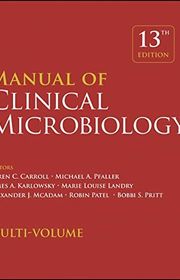
Manual of Clinical Microbiology
For experienced laboratory readers who need a detailed clinical reference beyond an introductory text. Its extensive coverage supports investigation of diagnostic questions, though the multi-volume scale makes it cumbersome for beginners or quick course revision.
What it's about
This multi-volume reference examines infectious agents, diagnostic methods, and clinical laboratory practice. Contributions from specialists connect organism identification with current approaches in genomics, proteomics, and diagnostic stewardship, providing detailed coverage for readers working in clinical microbiology.

Medical Microbiology
For students who want microbial biology and immunology connected to human infection. Murray's clinical focus helps organize the major pathogen groups, though it gives less space to environmental microbiology than the general biology textbooks.
What it's about
Patrick Murray, Ken Rosenthal, and Michael Pfaller connect microbial biology with immunology and the organisms responsible for human disease. Their textbook covers bacteria, viruses, fungi, and parasites alongside laboratory diagnosis, relating foundational concepts to the study of infection.

For introductory students interested in microbiology across health, agriculture, and food science. Its applications give basic principles several practical settings, though readers pursuing advanced microbial mechanisms will need more specialized study afterward.
What it's about
Jacquelyn G. Black and Laura J. Black introduce microbiology through its basic principles, developments, and applications. Written for introductory courses, the textbook connects the field with allied health, agriculture, and food science while preparing students for further study.

For nursing and allied health students who prefer diseases organized by body system. That structure links basic concepts with clinical coursework, though readers wanting a sustained account of microbial diversity may prefer Brock.
What it's about
Marjorie Kelly Cowan and Heidi Smith introduce microbiology for students in nursing and allied health. Foundational concepts accompany clinical applications, while disease chapters use body systems to organize the relationship between microorganisms, infection, and their effects on people.

For students using a laboratory manual alongside introductory lectures. Photographs and explanations connect procedures with their underlying theory, though this abbreviated edition contains fewer experiments than a full laboratory course manual.
What it's about
Michael J. Leboffe and Burton E. Pierce combine introductory microbiology experiments with explanations of their underlying theory. This abbreviated laboratory manual uses photographs and diagrams to support procedures, including microscopy and staining, for courses requiring a smaller selection of experiments.
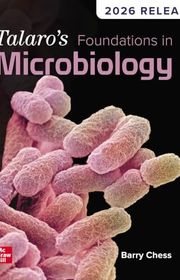
Talaro's Foundations in Microbiology
For allied health students who prefer infectious diseases organized by organism group. Analogies and case studies help explain difficult concepts, though its taxonomic structure may fit less naturally with courses taught by body system.
What it's about
This introductory microbiology textbook develops basic principles for allied health students and organizes infectious diseases by organism group. Case studies and analogies connect microbial structures and processes with human disease and help explain concepts encountered in coursework.

BRS Microbiology and Immunology
For students who learn by testing themselves after reading concise outlines. The questions and explanations emphasize distinctions useful in medical examinations, though the abbreviated format provides less context than a full medical microbiology textbook.
What it's about
Louise Hawley, Richard Ziegler, and Benjamin Clarke review microbiology and immunology in an outline format. Organism-based and systems-based coverage accompanies practice questions, answers, and explanations, connecting infectious agents with immune function and the distinctions relevant to medical examinations.

For visual learners reviewing medical microbiology alongside a course. Color illustrations and concise outlines make relationships easier to revisit, though the compressed coverage may need a fuller textbook when an unfamiliar concept needs explanation.
What it's about
Cynthia Nau Cornelissen and Marcia Metzgar Hobbs review microbiology through concise outlines and color illustrations. Clinical cases connect microorganisms with medical scenarios, while chapter overviews and board-style questions help students revisit concepts and assess their understanding.

For medical students who want infection, immunity, and individual pathogens treated together. Its clinical organization connects biological mechanisms with disease, though readers should match the edition to their course because diagnostic and treatment practice changes.
What it's about
David Greenwood and fellow contributors connect microbial biology with infection, immunity, and disease. Sections on bacterial, viral, fungal, and parasitic pathogens accompany coverage of diagnosis, treatment, and control, examining organisms through their clinical features, pathogenesis, and epidemiology.
Sources
- 1
Top 10 Best Microbiology Books For Medical Students
themdjourney.com
- 2
Microbiology Textbooks | 15 Best Medical Microbiology Books | BioExplorer
bioexplorer.net
- 3
Best microbiology textbooks?
reddit.com
- 4
Can anyone reccomend any good podcasts/papers/books?
reddit.com
- 5
12 Best Microbiology Books (2026): Expert-Reviewed
thecollegeapplication.com
- 6
Microbiology Books
goodreads.com
- 7
Books — Microbe Online
microbeonline.com
- 8
M/SM
ascp.org
- 9
Textbooks - Microbiology and Infectious Disease - Research Guides at Harvard Library
guides.library.harvard.edu


Edited by
Software engineer whose passion for tracking book recommendations from podcasts inspired the creation of MRB.
Lead investor at 3one4 Capital whose startup expertise and love for books helped shape MRB and its growth.
Comments
Did we miss something? Have feedback?
Help us improve this page by sharing your thoughts