
18 Best Mark Twain Books
The best Mark Twain books, ranked by how many expert sources recommend each one, with notes on where to start with his novels, travel writing, and satire.
Our take
Mark Twain's books range from childhood adventures along the Mississippi to comic travel accounts and increasingly skeptical examinations of human behavior. His conversational voice can make a tall tale feel like something heard on a porch, then turn an apparently simple episode into a question about freedom, money, or hypocrisy. Readers who know only Tom Sawyer and Huck Finn will find a much wider range here.
The Adventures of Tom Sawyer offers a lively introduction, while The Adventures of Huckleberry Finn asks harder questions about conscience and slavery. The travel books take different routes: Roughing It follows western misadventures, The Innocents Abroad mocks tourist expectations, and Life on the Mississippi explores the river through work and memory. For a shorter, darker encounter, try The Man That Corrupted Hadleyburg or Letters from the Earth. Expect period prejudices and language alongside the satire. Start with the adventures for fiction, or Roughing It for the comic nonfiction voice.
18 books · 9 sources · Last updated
As an Amazon Associate, we earn from qualifying purchases (at no extra cost to you).
Reading Mark Twain in order? See all Mark Twain books in order
How to choose from this list
Skip to the full rankingIf you're new to his fiction: The Adventures of Tom Sawyer → The Adventures of Huckleberry Finn
If you want comic travel writing: Roughing It → The Innocents Abroad → Life on the Mississippi
If you want shorter satire: The Celebrated Jumping Frog of Calaveras County → The Man That Corrupted Hadleyburg
If you want his darker philosophy: Letters from the Earth → The Mysterious Stranger
If you prefer historical adventure: The Prince and the Pauper → A Connecticut Yankee in King Arthur's Court
The 18 books, ranked
Ranked by how many expert sources name each book. Ties go to the book more people recommend.
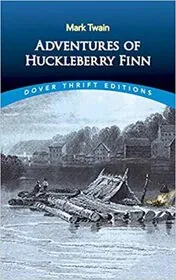
For readers who want Twain's sharpest exploration of conscience, freedom, and the society surrounding them. Its first-person voice gives the moral questions immediacy, though the dialect, racist language, and disputed ending require patient, attentive reading.
What it's about
Huck Finn fakes his own death and heads down the Mississippi on a raft with Jim, a man escaping slavery. Their trip turns into a chain of close calls, scams, and moral tests as Huck decides what kind of person he wants to be.
Also recommended by
4 people Daniel Pink recommended this book
Daniel Pink
Daniel Pink mentioned this book on "The Tim Ferriss Show" podcast.
Daniel Pink's recommendation of this book  Richard Branson recommended this book
Richard Branson
Richard Branson recommended this book on his "70 must-read books" blog post.
Richard Branson's recommendation of this book  Walter Isaacson recommended this book
Walter Isaacson
"Read [this book]." - Walter Isaacson
Walter Isaacson's recommendation of this book 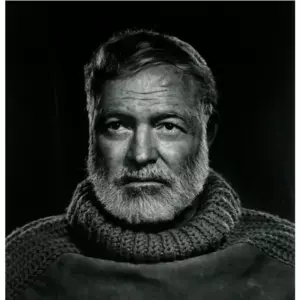 Ernest Hemingway recommended this book
Ernest Hemingway
Ernest Hemingway recommended this book in the "Ernest Hemingway on Writing" book.
Ernest Hemingway's recommendation of this book
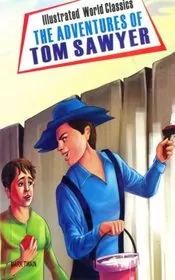
For readers who want an accessible introduction through childhood mischief and adventure. Its episodic humor is lighter than Huckleberry Finn's moral conflicts, though the nostalgic tone sits alongside racial stereotypes and some darker dangers.
What it's about
In a sleepy Mississippi River town, Tom Sawyer dodges school and chores, schemes with friends, and chases adventure at every turn. Mischief leads to real danger, and Tom has to grow up fast without losing his taste for fun.
Also recommended by
1 person- Richard Branson recommended this book
Richard Branson
Richard Branson recommended this book on his "70 must-read books" blog post.
Richard Branson's recommendation of this book
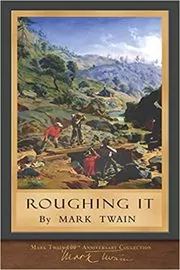
Roughing It
For readers drawn to frontier travel, unsuccessful schemes, and Twain's comic persona. Its tall tales offer a lively alternative to the novels, though the wandering structure and embellished memories make it an unreliable straightforward history.
What it's about
Twain tells the story of heading west in the early 1860s, chasing mining dreams in Nevada and ending up in journalism. It is a fast mix of memoir and tall tale, full of scams, bad luck, and sudden comedy.
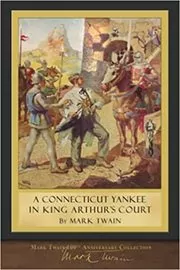
A Connecticut Yankee in King Arthur's Court
For readers who enjoy speculative premises used to question authority and progress. Its collision of modern confidence with medieval institutions gives the satire unusual range, though the shifting tone becomes much darker than the opening suggests.
What it's about
A practical American engineer is knocked unconscious and wakes up in King Arthur’s England, where superstition and feudal power rule the day. He tries to modernize the kingdom with science and showmanship, and the experiment turns darker than he expects.
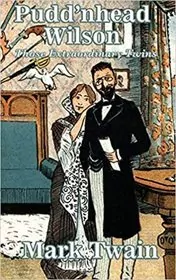
The Tragedy of Pudd'nhead Wilson
For readers who prefer a shorter novel about race, identity, and social assumptions. Its mystery gives those questions a tighter frame than the river adventures, though the compressed structure and treatment of slavery can be unsettling.
What it's about
In a Missouri river town, a baby swap upends two lives and exposes the brutal logic of slavery and social rank. Years later a murder trial forces hidden histories into daylight, and a seemingly dull lawyer proves sharper than anyone expected.
A Tramp Abroad
For readers who enjoy comic travel writing with room for digressions and invented incidents. Its European observations show Twain in a leisurely mood, though the detours can frustrate anyone expecting a tightly organized journey.
What it's about
Traveling through Germany, Switzerland, and nearby regions, Twain describes student life, sightseeing, and the chaos of trying to be a respectable tourist. The book mixes straight travel narrative with tall tales and side stories that take delightful detours.
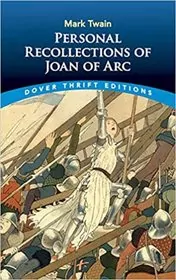
Personal Recollections of Joan of Arc
For readers curious about Twain's earnest side and historical fiction centered on conviction. Its sustained admiration distinguishes it from his skeptical satires, though the reverent tone and length make it less representative of his usual humor.
What it's about
Twain retells the story of Joan of Arc through the voice of a lifelong companion who claims to have witnessed her rise. It is a surprisingly earnest historical novel, focused on faith, courage, and the machinery of war and politics.

The Gilded Age
For readers interested in speculation, political influence, and the pursuit of easy wealth. Its broad social canvas offers more institutional satire than the childhood novels, though the coauthored narrative is uneven and takes time to gather momentum.
What it's about
Co-written with Charles Dudley Warner, this novel follows families and fortune-hunters chasing easy wealth in post-Civil War America. Land speculation and Washington politics collide, and Twain skewers the optimism, greed, and corruption that drive the hustle.
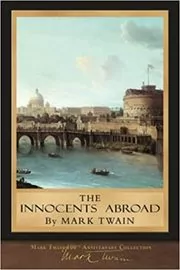
The Innocents Abroad
For readers who enjoy a skeptical tourist questioning cultural prestige and his fellow travelers. Its comic encounters offer an approachable route into Twain's nonfiction, though the long itinerary and period stereotypes can make sections feel repetitive.
What it's about
Twain joins an organized cruise of American tourists through Europe and the Holy Land and reports back with jokes, side-eye, and surprising warmth. The result is a travel classic that punctures pretension while admiring what is genuinely moving.
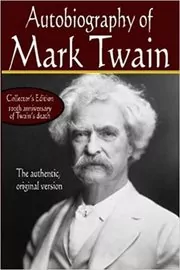
Autobiography
For readers already curious about the person behind the fiction and travel writing. The recollections reveal his conversational range and strong opinions, though the loose chronology takes patience and editions differ substantially in their contents.
What it's about
Twain looks back on his life through recollections, anecdotes, and reflections rather than a straightforward timeline. Personal memories sit alongside observations about other people and public affairs, revealing the experiences and opinions behind his familiar comic voice.
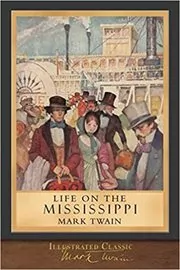
Life on the Mississippi
For readers who want the river world behind the novels through a pilot's working knowledge. Its blend of craft, memory, and observation offers distinctive nonfiction, though the later travel sections feel looser than the apprenticeship chapters.
What it's about
Part memoir, part travel book, Twain returns to the Mississippi River that shaped him as a steamboat pilot. He blends history, river lore, and sharp observations about people and places along the banks, past and present.
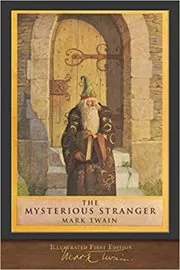
The Mysterious Stranger
For readers who want Twain's darker questions about belief, cruelty, and human importance. Its philosophical unease goes further than the familiar comic novels, though the posthumous text has a complicated editorial history and an abrupt feel.
What it's about
In a small European village, a mysterious newcomer with unsettling powers and ideas befriends local boys and starts asking dangerous questions. The story drifts from pranks to philosophy, testing what matters when life feels random and unfair.
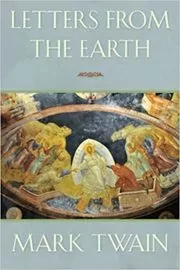
Letters from the Earth
For readers who want Twain at his most skeptical about religion and human behavior. Its satirical distance is sharper than the gentler travel comedy, though the bitterness and attacks on belief make it a demanding first introduction.
What it's about
Presented as letters from Satan observing humanity, this posthumous collection aims its humor at religion, morality, and human self-importance. Twain’s tone swings between comic and furious, offering some of his most outspoken skepticism.
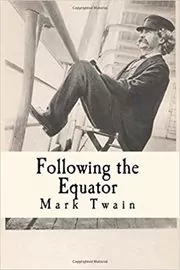
Following the Equator
For readers interested in Twain's later travel writing and criticism of imperial power. Its wider geographical scope adds a different perspective to his earlier journeys, though the long digressions and period prejudices call for careful reading.
What it's about
Based on Twain’s late-1890s lecture tour, this travelogue ranges across the globe, mixing comedy with sharp commentary. He describes ships, crowds, and everyday life, then turns to big questions about power and race.
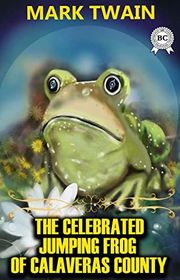
The Celebrated Jumping Frog of Calaveras County
For readers who want a quick taste of Twain's comic storytelling before a novel. Its spoken rhythms and elaborate digression show his early humor clearly, though the very short length gives little sense of his later range.
What it's about
A visitor's inquiry leads him into Simon Wheeler's rambling account of a compulsive bettor and an unusual frog. Twain's early short story uses a spoken storytelling style, regional language, and comic timing to explore gullibility and competition.
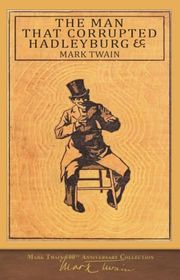
The Man That Corrupted Hadleyburg
For readers who prefer a compact satire of respectability, greed, and public virtue. Its concentrated attack on communal self-satisfaction offers a darker alternative to the adventures, though the deliberately exaggerated setup can feel more schematic than lifelike.
What it's about
A town famous for its honesty faces a test when a stranger leaves money with a claim that invites its citizens to reveal themselves. Twain's short satire examines pride, temptation, and the gap between reputation and conduct.
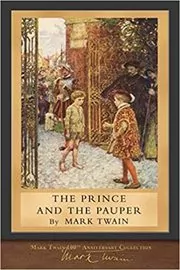
The Prince and the Pauper
For readers seeking a clear adventure with questions about privilege and unequal treatment. Its recognizable premise makes it an easier historical introduction than Joan of Arc, though the period speech and coincidences can feel artificial.
What it's about
In Tudor England, a poor boy and a young prince who look alike swap places by accident. Each has to survive the other’s world, learning how power works on the street and inside a palace.
For readers seeking a brief, unexpectedly tender side of Twain. Its imagined voice combines observation and affection more gently than his late satires, though the biblical framing and gender assumptions remain rooted in their period.
What it's about
Eve writes her own diary of life in Eden, curious about everything and determined to make friends, even with the grumpy man nearby. Twain uses her voice for gentle comedy, wonder, and a clear-eyed take on love and loss.
Sources
- 1
The Best Mark Twain Books By (and About) the Great Humorist
penguinrandomhouse.com
- 2
The 10 Best Mark Twain Books
publishersweekly.com
- 3
10 Must-Read Mark Twain Books
tckpublishing.com
- 4
14 Mark Twain Books That Everyone Should Read
reedsy.com
- 5
Best of Mark Twain
goodreads.com
- 6
Mark Twain Books That Everyone Should Read
earlybirdbooks.com
- 7
Complete List of Mark Twain Books
hookedtobooks.com
- 8
Mark Twain - where to start?
reddit.com
- 9
Please suggest me a book by Mark Twain.
reddit.com






Edited by
Software engineer whose passion for tracking book recommendations from podcasts inspired the creation of MRB.
Lead investor at 3one4 Capital whose startup expertise and love for books helped shape MRB and its growth.
Comments
Spotted a missing book, a wrong order or a mistake? Tell us and we'll fix this page.
We're a reading guide, not the author or publisher, so we can't send books or pass on messages.