
Mark Twain Books in Order
Explore Mark Twain's books in order with quick summaries, reading paths, and where to start, from river adventures to travel writing and satire.
Last updated:
As an Amazon Associate, we earn from qualifying purchases (at no extra cost to you).
Mark Twain books in publication order
76 books

The Jumping Frog
by Mark Twain
1865
Twain’s best-known short tall tale pits a smooth talker against a local legend in a frog-jumping contest. Told with deadpan control, it shows how a simple story becomes funnier when the narrator insists it is perfectly true.
Mark Twain's Letters From Hawaii
by Mark Twain
1866
In 1866 Twain reported from the Hawaiian Islands in a series of newspaper letters. He writes about landscapes, politics, and daily life with the eye of a working journalist and the timing of a comedian learning his voice on the road.

Advice to Little Girls and Other Stories
by Mark Twain
1867
Short, sharp pieces that show Twain’s taste for flipping moral lessons upside down. The title story is a deadpan send-up of polite advice, and the rest mix pranks, irony, and quick turns that land like miniature lectures.
The Celebrated Jumping Frog of Calaveras County and Other Stories
by Mark Twain
1867
This collection showcases Twain’s early short fiction and sketches, including his famous tall tale about a rigged frog-jumping contest. The pieces are quick, comic, and built on deadpan narration, regional voices, and absurd confidence.
The Innocents Abroad
by Mark Twain
1869
Twain joins an organized cruise of American tourists through Europe and the Holy Land and reports back with jokes, side-eye, and surprising warmth. The result is a travel classic that punctures pretension while admiring what is genuinely moving.

The Innocents at Home
by Mark Twain
1869
This volume gathers Twain’s travel and observation writing around the idea of the wide-eyed American encountering the world and, sometimes, his own country. It’s built from short scenes and commentary, with humor aimed at pretension and misplaced confidence.
Eye Openers
by Mark Twain
1871
A scrapbook-style collection of Twain’s humorous bits, sayings, and short pieces meant to be dipped into. Expect quick punch lines, absurd scenarios, and the kind of mischief that works best in small doses.
Mark Twain's Burlesque Autobiography; and, First Romance
by Mark Twain
1871
Despite the title, this slim book is not a real autobiography. It pairs two comic pieces, one pretending to trace a ridiculous family history, and one spinning an odd romance with sudden turns and an intentionally abrupt ending.
Screamers
by Mark Twain
1871
A gathering of short humorous scraps, sketches, and stories, stitched together for quick reading. Twain leans on tall tales, verbal misdirection, and the comic exaggeration that made his early work popular with lecture audiences.

Mark Twain's Sketches
by Mark Twain
1872
A sampler of Twain’s shorter writing, from newspaper humor to brief stories and observations. These sketches are built for quick reading, and they show his knack for turning everyday events into satire with a single surprising detail.
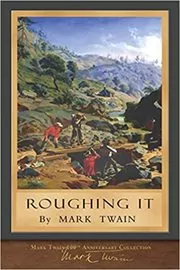
Roughing It
by Mark Twain
1872
Twain tells the story of heading west in the early 1860s, chasing mining dreams in Nevada and ending up in journalism. It is a fast mix of memoir and tall tale, full of scams, bad luck, and sudden comedy.
The Gilded Age
by Mark Twain
1873
Co-written with Charles Dudley Warner, this novel follows families and fortune-hunters chasing easy wealth in post-Civil War America. Land speculation and Washington politics collide, and Twain skewers the optimism, greed, and corruption that drive the hustle.
Sketches New and Old
by Mark Twain
1875
A wide-ranging collection of Twain’s short work, pulling together newspaper sketches, comic stories, and reflective pieces. The subjects jump from everyday annoyances to frontier absurdity, but the through line is the voice, casual, skeptical, and funny.
A Murder, a Mystery and a Marriage
by Mark Twain
1876
A farmer plans a sensible marriage for his daughter, then a stranger is found unconscious in the snow and everything spirals. Twain plays it straight for once, building a compact mystery around a killing, hidden identity, and a rushed investigation.
Old Times on the Mississippi
by Mark Twain
1876
These early sketches capture Twain’s memories of learning the river and watching steamboat life up close. Short, vivid chapters mix nostalgia, technical river know-how, and humor, and they later fed into the larger book Life on the Mississippi.
The Adventures of Tom Sawyer
by Mark Twain
1876
In a sleepy Mississippi River town, Tom Sawyer dodges school and chores, schemes with friends, and chases adventure at every turn. Mischief leads to real danger, and Tom has to grow up fast without losing his taste for fun.
Recommended by
1 person Richard Branson recommended this book
Richard Branson
Richard Branson recommended this book on his "70 must-read books" blog post.
Richard Branson's recommendation of this book
Some Rambling Notes of an Idle Excursion
by Mark Twain
1877
Twain turns a pleasure trip to Bermuda into a string of quick scenes: weather, fellow travelers, awkward moments, and local color. It’s light, chatty travel writing that lets the jokes do the work without a big plot.
A Tramp Abroad
by Mark Twain
1880
Traveling through Germany, Switzerland, and nearby regions, Twain describes student life, sightseeing, and the chaos of trying to be a respectable tourist. The book mixes straight travel narrative with tall tales and side stories that take delightful detours.

On the Decay of the Art of Lying
by Mark Twain
1880
A witty essay that argues people lie all the time, but often do it badly. Twain treats dishonesty as a social skill that should be practiced with tact, then uses the joke to expose hypocrisy and polite cruelty.

The Awful German Language / Die schreckliche deutsche Sprache
by Mark Twain
1880
Twain’s famous rant about learning German turns grammar into slapstick. He complains about cases, word order, and compound nouns, then uses the struggle to make a broader point about how language can feel like a rigged game.
The Prince and the Pauper
by Mark Twain
1881
In Tudor England, a poor boy and a young prince who look alike swap places by accident. Each has to survive the other’s world, learning how power works on the street and inside a palace.
The Stolen White Elephant
by Mark Twain
1882
A prized elephant disappears, and a confident investigation turns into farce. This story is classic Twain, a straight-faced narrator, inflated official language, and a mystery that grows more ridiculous the harder everyone tries to solve it.
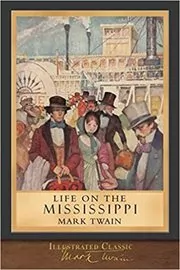
Life on the Mississippi
by Mark Twain
1883
Part memoir, part travel book, Twain returns to the Mississippi River that shaped him as a steamboat pilot. He blends history, river lore, and sharp observations about people and places along the banks, past and present.
The Annotated Huckleberry Finn
by Mark Twain
1884
This edition wraps Huck Finn in rich commentary, explaining dialect, river life, historical references, and the novel’s tangled publication history. Notes and illustrations help you follow the journey while seeing how Twain built the book and why it still provokes debate.
The Adventures of Huckleberry Finn
by Mark Twain
1885
Huck Finn fakes his own death and heads down the Mississippi on a raft with Jim, a man escaping slavery. Their trip turns into a chain of close calls, scams, and moral tests as Huck decides what kind of person he wants to be.
Recommended by
4 people Daniel Pink recommended this book
Daniel Pink
Daniel Pink mentioned this book on "The Tim Ferriss Show" podcast.
Daniel Pink's recommendation of this book - Richard Branson recommended this book
Richard Branson
Richard Branson recommended this book on his "70 must-read books" blog post.
Richard Branson's recommendation of this book  Walter Isaacson recommended this book
Walter Isaacson
"Read [this book]." - Walter Isaacson
Walter Isaacson's recommendation of this book 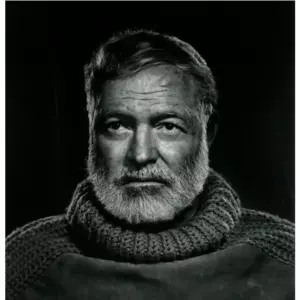 Ernest Hemingway recommended this book
Ernest Hemingway
Ernest Hemingway recommended this book in the "Ernest Hemingway on Writing" book.
Ernest Hemingway's recommendation of this book
A Connecticut Yankee in King Arthur's Court
by Mark Twain
1889
A practical American engineer is knocked unconscious and wakes up in King Arthur’s England, where superstition and feudal power rule the day. He tries to modernize the kingdom with science and showmanship, and the experiment turns darker than he expects.
Merry Tales
by Mark Twain
1892
A collection of short, funny pieces that range from tall tales to comic misunderstandings. Twain’s narrators often act calm while the situation gets stranger, and the humor comes from timing, voice, and the slow reveal of absurdity.
The American Claimant
by Mark Twain
1892
An American man is convinced he is the rightful heir to an English title, setting off a comic clash of manners and ambitions. Twain uses the chase for status and inheritance to poke fun at class, technology, and get-rich schemes.
The 1,000,000 Pound Bank-Note, and Other New Stories
by Mark Twain
1893
Centered on the famous tale of a man given an enormous bank note he cannot break, this collection explores money, bluff, and social performance. The accompanying stories add more twists on pride, luck, and the games people play for respect.
The Tragedy of Pudd'nhead Wilson
by Mark Twain
1893
In a Missouri river town, a baby swap upends two lives and exposes the brutal logic of slavery and social rank. Years later a murder trial forces hidden histories into daylight, and a seemingly dull lawyer proves sharper than anyone expected.
Tom Sawyer Abroad
by Mark Twain
1894
Tom, Huck, and Jim get swept into an over-the-top journey that trades the river for faraway landscapes and tall-tale physics. It is a shorter, sillier spin on adventure fiction, with Tom narrating and showing off as the resident expert.
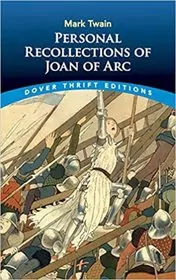
Personal Recollections of Joan of Arc
by Mark Twain
1896
Twain retells the story of Joan of Arc through the voice of a lifelong companion who claims to have witnessed her rise. It is a surprisingly earnest historical novel, focused on faith, courage, and the machinery of war and politics.
Tom Sawyer, Detective
by Mark Twain
1896
Tom and Huck stumble into a murder mystery in a rural setting and try to untangle a case full of mistaken assumptions. It is a brisk, puzzle-driven novella that lets Tom test his cleverness in a new genre.
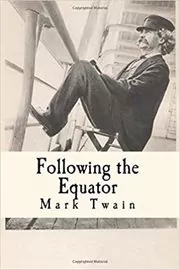
Following the Equator
by Mark Twain
1897
Based on Twain’s late-1890s lecture tour, this travelogue ranges across the globe, mixing comedy with sharp commentary. He describes ships, crowds, and everyday life, then turns to big questions about power and race.
How to Tell a Story and Other Essays
by Mark Twain
1897
Twain breaks down what makes a joke work, how pacing matters, and why delivery can be everything. Alongside craft talk, the book includes essays and sketches that show him practicing what he preaches, sharp, specific, and very readable.
English as She is Taught
by Mark Twain
1900
Built from real student answers and classroom howlers, this short work turns schooling into comedy. Twain’s comments and framing highlight how language goes wrong in predictable ways, and how adults often mistake rote learning for understanding.
The Man That Corrupted Hadleyburg and Other Stories
by Mark Twain
1900
A self-satisfied town is tested when a stranger sets up a trap that turns honesty into a public contest. Twain uses the central story and the accompanying pieces to probe hypocrisy, temptation, and the thin line between virtue and reputation.
A Double Barrelled Detective Story
by Mark Twain
1902
Twain mashes together a detective plot, a parody of sleuthing tropes, and a dose of Western absurdity. The result is a strange, playful mystery that keeps changing rules, mixing serious clues with deliberate nonsense.
A Dog's Tale
by Mark Twain
1904
Narrated by a devoted dog, this story starts as a gentle portrait of loyalty and family life. Twain then turns the knife, using the dog’s innocence to expose human cruelty and the casual way suffering can be justified in the name of science.
Alonzo Fitz and Other Stories
by Mark Twain
1904
A collection of short stories that highlights Twain’s range, from comic setups to darker punch lines. The title piece is a quick tale of misunderstanding and misfortune, and the surrounding stories keep shifting tone while staying sharply observed.
Extracts from Adam's Diary
by Mark Twain
1904
The biblical first man keeps a diary and reports, with dry irritation, on naming animals, figuring out Eden, and dealing with the arrival of Eve. Twain’s jokes come from Adam’s practicality and his slow, grudging discovery of affection.
King Leopold's Soliloquy
by Mark Twain
1905
A short, biting piece that imagines King Leopold II of Belgium trying to defend his record in the Congo. Twain uses satire and sarcasm to spotlight propaganda, hypocrisy, and the human cost hidden behind polite official language.
Eve's Diary
by Mark Twain
1906
Eve writes her own diary of life in Eden, curious about everything and determined to make friends, even with the grumpy man nearby. Twain uses her voice for gentle comedy, wonder, and a clear-eyed take on love and loss.
My Debut as a Literary Person
by Mark Twain
1906
Twain tells a self-mocking story about trying to break into respectable writing and learning how fragile literary fame can be. The volume is often paired with other short pieces, giving you both a personal anecdote and a grab bag of Twain’s satire.
The $30,000 Bequest and Other Stories
by Mark Twain
1906
A sudden offer of money throws an ordinary couple into fantasies, arguments, and moral bargains they didn’t know they had. Paired with other late stories, the collection shows Twain turning domestic life into sharp satire about greed and self-deception.
What is Man? and Other Essays
by Mark Twain
1906
In these dialogues and essays, Twain digs into uncomfortable questions about free will, motive, and self-interest. The arguments are blunt but readable, mixing dark humor with a steady insistence that people are not as rational or noble as they claim.
A Horse's Tale
by Mark Twain
1907
Told from a horse’s point of view, this short story follows an animal bound to human plans, pride, and cruelty. Twain uses the horse’s clear-eyed narration to mix humor with a pointed critique of how people excuse suffering.

Christian Science
by Mark Twain
1907
Twain takes a skeptical look at the Christian Science movement and its culture, mixing reportage, personal reflection, and blunt argument. He writes with curiosity but little patience for claims he sees as evasive, turning religious controversy into pointed social commentary.

Is Shakespeare Dead?
by Mark Twain
1909
In this late essay, Twain takes on the authorship debate around Shakespeare with more mischief than scholarship. He skewers shaky arguments, name-drops rival candidates, and uses the whole controversy to show how people talk themselves into certainty.
Mark Twain's Speeches
by Mark Twain
1910
Twain built much of his career on stage, and these speeches show why. The collection gathers talks, after-dinner remarks, and set pieces that mix storytelling with sharp timing, revealing how he shaped a room as well as a page.
The Mysterious Stranger
by Mark Twain
1916
In a small European village, a mysterious newcomer with unsettling powers and ideas befriends local boys and starts asking dangerous questions. The story drifts from pranks to philosophy, testing what matters when life feels random and unfair.

The Mysterious Stranger and Other Stories
by Mark Twain
1916
A mix of Twain’s late, unsettling fiction and shorter pieces that lean into moral puzzles and dark humor. The title work questions what is real and what is worth caring about, while the companion stories add more strange, sharp angles.
Moments with Mark Twain
by Mark Twain
1920
A curated sampler of Twain’s writing, arranged to capture his humor, storytelling, and sharper observations. It works like a highlights reel, pulling brief passages and short pieces that show how his voice changed over time.

Autobiography of Mark Twain, Volume 1
by Mark Twain
1925
Volume 1 opens Twain’s dictated autobiography as he wanted it read, conversational, digressive, and candid. Extensive notes help unpack names and events, while Twain moves from childhood memories to later-life opinions without sticking to a strict timeline.

Autobiography of Mark Twain, Volume 2
by Mark Twain
1925
The second volume continues Twain’s dictated life story, jumping between personal memories, public controversies, and behind-the-scenes views of publishing and lecturing. The annotations do heavy lifting, turning offhand references into a readable map of his world.

Autobiography of Mark Twain, Volume 3
by Mark Twain
1925
The final volume carries Twain’s autobiographical dictations forward, with more late-life reflections, arguments, and stories he wanted preserved. It’s full of the familiar voice, funny, sharp, and sometimes bleak, supported by detailed editorial context.
The Adventures of Thomas Jefferson Snodgrass
by Mark Twain
1928
Before the name Mark Twain stuck, Clemens wrote a handful of humorous letters under the pseudonym Thomas Jefferson Snodgrass. They read like early experiments in voice and vernacular, with a young writer testing how far a joke can stretch.
The Private Life of Adam and Eve
by Mark Twain
1931
This volume brings Twain’s Adam and Eve writings together, framing the creation story as a pair of personal diaries. The comedy is domestic and human, built from misunderstandings, small discoveries, and the slow move from annoyance to devotion.
The Adventures of Colonel Sellers
by Mark Twain
1965
Colonel Sellers, the loud dreamer from The Gilded Age, returns in a comic novel built on grand plans and nonstop self-confidence. Twain pushes the character into new schemes, showing how optimism can tip into delusion and chaos.

Mark Twain on Religion
by Mark Twain
1970
A collected look at Twain’s religious skepticism, drawing together essays, letters, and sharp fragments that question doctrine and human certainty. The pieces range from funny to angry, but they keep circling the same target: hypocrisy dressed up as virtue.

Bakers Bluejay Yarn
by Mark Twain
1986
A storyteller insists he watched a blue jay try to fill a knothole with acorns, then escalate into chaos. Twain builds the humor from the speaker’s straight-faced confidence and the escalating, almost scientific absurdity of the bird’s determination.
A glimpse into Twain’s notebook and drafting desk, this collection gathers unfinished stories and abandoned starts. It includes attempts to send Huck and Tom into new adventures, plus fragments that show how Twain tried, stalled, and tried again.

Punch, Brothers, Punch
by Mark Twain
1989
A collection built around Twain’s comic obsession with an annoyingly catchy jingle and the way it hijacks his attention. The book pairs that famous sketch with other humorous pieces, showing his love of storytelling that feels like conversation.

Helpful Hints for Good Living
by Mark Twain
1991
A tongue-in-cheek handbook of advice drawn from Twain’s writings, mixing aphorisms, anecdotes, and darkly funny rules for surviving people. It reads like the anti-self-help book, practical on the surface and skeptical underneath.

The Bible According to Mark Twain
by Mark Twain
1995
This anthology gathers Twain’s comments on biblical stories and the way people use scripture in everyday arguments. It mixes humor, critique, and close reading, showing how he could treat a sacred text as both literature and social weapon.

The Humor of Twain
by Mark Twain
1999
A reader-friendly selection of Twain’s funniest short pieces, meant to showcase his range beyond the famous novels. Expect tall tales, clever essays, and quick scenes where ordinary situations tilt into absurdity through a perfectly timed voice.

The Devil's Race-Track
by Mark Twain
2005
A curated selection of Twain’s darker later writings, the pieces where the jokes thin out and the skepticism takes over. The collection gathers fables, dreamlike stories, and essays that wrestle with history, suffering, and the limits of human control.

Mark Twain: The Complete Interviews
by Mark Twain
2006
A collection of Twain’s interviews and reported conversations, capturing how he sounded in public and how he handled fame. It’s part biography, part voice record, full of quick opinions, jokes, and sudden seriousness.
Captain Stormfield's Visit to Heaven
by Mark Twain
2008
A sea captain dies and arrives in heaven, only to discover it is nothing like the tidy pictures he was sold on earth. Twain uses the captain’s plainspoken questions to satirize religious clichés and the human need for comforting myths.
Letters from the Earth
by Mark Twain
2009
Presented as letters from Satan observing humanity, this posthumous collection aims its humor at religion, morality, and human self-importance. Twain’s tone swings between comic and furious, offering some of his most outspoken skepticism.

Who Is Mark Twain?
by Mark Twain
2009
An introductory volume that pulls together short biographical material and selected writings to explain Twain’s life and voice. It’s a quick way to get bearings, then sample the humor, travel writing, and satire that made him famous.

The Invalid's Story
by Mark Twain
2019
On a winter train trip, two men become convinced they are transporting a corpse and struggle to handle the stench and their own nerves. The reveal is grotesquely funny, and Twain turns the whole mess into a lesson about imagination overruling sense.
Mark Twain and the Mississippi River
by Mark Twain
2020
A themed collection that centers Twain’s writing about the Mississippi, from steamboat lore to travel scenes and reflections on changing America. It is ideal if you want the river as setting, character, and lifelong obsession all in one place.
Autobiography
by Mark Twain
Twain looks back on his life through recollections, anecdotes, and reflections rather than a straightforward timeline. Personal memories sit alongside observations about other people and public affairs, revealing the experiences and opinions behind his familiar comic voice.
Mark Twain's Weapons of Satire
by Mark Twain
This collection gathers Twain's essays, stories, and commentaries opposing American imperialism and the Philippine-American War. Satire challenges the language used to justify conquest, exposing the gap between claims of national virtue and the violence of occupation.
Recommended by
1 person Noam Chomsky recommended this book
Noam Chomsky
On the "Top 100 Books Referenced by Noam Chomsky" list.
Noam Chomsky's recommendation of this book
The Diaries of Adam & Eve
by Mark Twain
Adam and Eve describe their first experiences of the world in separate diaries, often misunderstanding both their surroundings and each other. Their contrasting voices turn the Garden of Eden story into a comic account of companionship and growing affection.
Where to start with Mark Twain
If you want classic river-town adventure: The Adventures of Tom Sawyer → The Adventures of Huckleberry Finn → Tom Sawyer Abroad → Tom Sawyer, Detective
If you want travel writing with jokes and sharp observations: The Innocents Abroad → Roughing It → Life on the Mississippi → A Tramp Abroad
If you like satire about money, status, and hypocrisy: The Gilded Age → The American Claimant → The Man That Corrupted Hadleyburg and Other Stories
If you want a one-off high-concept classic: A Connecticut Yankee in King Arthur's Court → The Prince and the Pauper
Mark Twain sub-series and character series
Autobiography of Mark Twain books in order
Explore this seriesAutobiography of Mark Twain books in chronological order
Diaries of Adam and Eve books in order
Explore this seriesDiaries of Adam and Eve books in chronological order
Tom Sawyer and Huck Finn books in order
Explore this series


Huck Finn and Tom Sawyer Among the Indians and Other Unfinished Stories
by Mark Twain
1989Tom Sawyer and Huck Finn, Book 6
Tom Sawyer and Huck Finn books in chronological order
Huck Finn and Tom Sawyer Among the Indians and Other Unfinished Stories
by Mark Twain
1989Tom Sawyer and Huck Finn, Book 6
Mark Twain collections, short stories, and related book types
Short Stories/Novellas
Short Story Collections
Collections
Non-Fiction
Standalone Mark Twain books






Mark Twain's Weapons of Satire
by Mark Twain
Publication date unknownAnti-Imperialist Writings on the Philippine-American War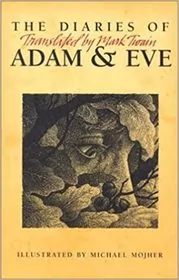
Author bio
Mark Twain was the pen name of Samuel Langhorne Clemens, born on November 30, 1835, in Florida, Missouri. Raised in Hannibal, a river town on the Mississippi, he grew up around steamboats, storefronts, and local gossip, the stuff that later became his raw material.
When his father died, Clemens left school and apprenticed as a printer. By his late teens he was setting type, writing small pieces, and roaming as an itinerant printer in cities like St. Louis, New York, and Philadelphia, picking up the rhythm of newspapers and street talk.
In 1857 he chased a new kind of education on the river, training as a Mississippi steamboat pilot and eventually earning a license. The work ended abruptly when the Civil War disrupted river traffic, and Clemens headed west with his brother Orion to the Nevada Territory, hoping to strike it rich.
Mining did not make him wealthy, but writing did.
In Nevada he joined a newspaper and began signing his work "Mark Twain," a phrase from riverboat sounding that marks a safe depth. He liked the irony that the name came from measurement and routine, then became a banner for jokes, storytelling, and opinion. The sketches and dispatches he wrote for papers in Nevada and California turned him into a sought-after lecturer. In 1865 a tall tale about a jumping frog made his name travel far beyond the West.
Twain learned early that a good story works even better when you say it out loud.
Travel became both subject matter and survival plan. He reported from Hawaii in 1866 and soon after sailed on an organized cruise through Europe and the Middle East, material that became The Innocents Abroad. Books like Roughing It and Life on the Mississippi kept mixing memoir, history, and comedy, the voice of a curious observer who is never fully impressed. He treats famous sights and everyday strangers with the same skeptical attention.
In 1870 he married Olivia "Livy" Langdon and, after a period in New York, built a home base in Hartford, Connecticut, for years. That is where he wrote the boyhood adventures that most people meet first, The Adventures of Tom Sawyer and The Adventures of Huckleberry Finn. He also took swings at historical and speculative fiction, from The Prince and the Pauper to the time-bending satire A Connecticut Yankee in King Arthur's Court.
Twain loved gadgets and business schemes almost as much as he loved a punch line, and that mix brought trouble. Bad investments and a failed publishing venture left him deep in debt, so he toured and wrote at a punishing pace to pay what he owed, and eventually made good on those obligations. The later years carried heavy family losses, and his writing sometimes turned darker and more openly skeptical, even when the jokes kept landing.
He spent long stretches abroad in the 1890s, then returned to the United States and lived his last years in Connecticut. Twain died on April 21, 1910, in Redding. A century later, the talkative, argumentative, funny voice is still the point: he wrote about ordinary people, big pretenses, and the strange things we tell ourselves to get through the day.

Edited by
Software engineer whose passion for tracking book recommendations from podcasts inspired the creation of MRB.
Lead investor at 3one4 Capital whose startup expertise and love for books helped shape MRB and its growth.
Comments
Did we miss something? Have feedback?
Help us improve this page by sharing your thoughts