
11 Best John C Maxwell Books
The best John C. Maxwell books, ranked by expert-source recommendations, with notes for new managers, developing leaders, and readers pursuing personal growth.
Our take
John C. Maxwell writes about leadership as influence built through personal habits, relationships, and the development of other people. His books use stories, numbered principles, and reflection to make those ideas easy to revisit. Some focus on managing teams, while others address growth, thinking, daily discipline, and responding to setbacks in everyday life.
The 21 Irrefutable Laws of Leadership introduces his wider philosophy. The 5 Levels of Leadership gives managers a framework for moving beyond authority based on a title, while The 360 Degree Leader addresses influence from the middle of an organization. Developing the Leaders Around You turns toward mentoring others. For personal development, The 15 Invaluable Laws of Growth, Today Matters, and Failing Forward each offer a different emphasis. Expect motivational guidance and examples rather than a detailed account of every workplace situation. Start with the broad leadership overview, or choose the book whose central problem most closely matches your own.
11 books · 8 sources · Last updated
As an Amazon Associate, we earn from qualifying purchases (at no extra cost to you).
Reading John C Maxwell in order? See all John C Maxwell books in order
How to choose from this list
Skip to the full rankingIf you want his leadership overview: The 21 Irrefutable Laws of Leadership
If you're learning to manage a team: The 5 Levels of Leadership
If you want a personal growth routine: The 15 Invaluable Laws of Growth → Today Matters
If setbacks are holding you back: Failing Forward
If you lead from the middle: The 360 Degree Leader
If you want to develop other leaders: Developing the Leaders Around You
The 11 books, ranked
Ranked by how many expert sources name each book. Ties go to the book more people recommend.

For managers wondering how to move beyond positional authority, this presents leadership as a progression through relationships, results, and developing others. The staged framework supports reflection, though real teams rarely advance in such a tidy sequence.
What it's about
Maxwell describes leadership as a progression from authority based on a position to influence grounded in relationships, results, and developing others. Five stages provide a framework for assessing current strengths and learning how to move beyond relying on a title.
Also recommended by
1 person Michael Hyatt recommended this book
Michael Hyatt
Michael Hyatt recommended this book on his website.
Michael Hyatt's recommendation of this book

For readers wanting an overview of Maxwell's leadership philosophy, the twenty-one principles provide a memorable framework with illustrative stories. Its range makes it a useful introduction, though the language of laws can imply more certainty than workplace situations allow.
What it's about
Maxwell organizes leadership advice around twenty-one principles, including influence, ongoing development, and planning a course for others. Examples from experience illustrate his ideas about leading people, helping readers examine how their decisions and habits affect those who follow them.
Also recommended by
2 people Dave Ramsey recommended this book
Dave Ramsey
Recommended on Dave Ramsey's website.
Dave Ramsey's recommendation of this book  Patrick Bet-David recommended this book
Patrick Bet-David
Patrick Bet-David recommended this book on his website.
Patrick Bet-David's recommendation of this book

For readers who want a deliberate approach to personal development, Maxwell organizes growth around fifteen memorable principles. Its reflective prompts connect ambition with ongoing practice, though the motivational examples offer less detail on measuring progress in a specific skill.
What it's about
Maxwell outlines fifteen principles for intentional personal growth, emphasizing self-awareness and the need to keep stretching beyond current abilities. The book uses examples and practical guidance to help readers consider how they can develop their potential over time.
Also recommended by
1 person- Patrick Bet-David recommended this book
Patrick Bet-David
Patrick Bet-David recommended this book on his website.
Patrick Bet-David's recommendation of this book

For readers discouraged by setbacks, Maxwell concentrates on how people interpret mistakes and respond to them. Its focused encouragement offers a different entry point from the leadership frameworks, though stories and attitude shifts cannot resolve every practical obstacle.
What it's about
Maxwell examines how people respond to mistakes and argues that failure can become a source of learning rather than a permanent setback. Stories and practical suggestions address fear, attitude, and the decisions involved in moving forward after disappointment.
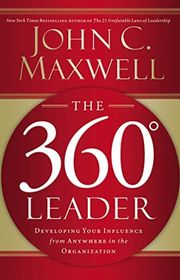
The 360 Degree Leader: Developing Your Influence from Anywhere in the Organization
For people leading from the middle of an organization, this addresses relationships with bosses, peers, and direct reports. Its attention to influence without top authority makes it distinctive, though applying the advice depends on the organization's culture.
What it's about
John Maxwell explores leadership from positions below the top of an organization. He discusses influencing supervisors, working with peers, developing direct reports, and managing the pressures of middle leadership through relationships, personal credibility, and consistent contribution.

Today Matters: 12 Daily Practices to Guarantee Tomorrow's Success
For readers who want to turn intentions into daily commitments, Maxwell organizes advice around recurring decisions and disciplines. Its everyday focus gives growth a practical rhythm, though the title's promise of guaranteed success exceeds what habits can assure.
What it's about
A habit-focused book built around 12 daily practices. Maxwell argues that the small choices you make today compound over time, and he offers a simple framework for building better routines.

Becoming a Person of Influence: How to Positively Impact the Lives of Others
For readers whose influence comes through relationships rather than formal authority, Maxwell and Dornan emphasize listening, trust, and helping others develop. Its wider everyday scope extends beyond management, though the encouraging examples remain broad rather than closely tailored.
What it's about
A practical guide to positive influence in everyday life. Maxwell focuses on adding value to others, building trust, and developing the kind of character that makes people open to your leadership.

For readers who want a compact prompt for reflection, Maxwell focuses on different ways of thinking rather than managing a team. The short format encourages revisiting ideas, though it offers less depth than a detailed decision-making method.
What it's about
Maxwell presents eleven approaches to clearer and more effective thinking, including creative reflection and questioning popular assumptions. This compact guide encourages readers to develop deliberate mental habits and use them to improve decisions in their work and personal lives.

Developing the Leader Within You 2.0
For readers starting to examine their leadership habits, this revised guide links influence with values, vision, and self-development. Its broad foundation gives beginners several areas to work on, though experienced managers may want more situation-specific instruction.
What it's about
Maxwell revisits his original leadership guide with lessons learned over the following decades. The revised edition explores the development of influence, vision, values, and motivation, presenting leadership as a set of abilities readers can deliberately strengthen in everyday life.
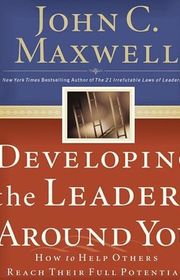
Developing the Leaders Around You: How to Help Others Reach Their Full Potential
For managers ready to develop other leaders, Maxwell shifts attention from personal effectiveness to recognizing and supporting potential in others. Its mentoring emphasis complements his self-development books, though broad principles need adapting to individual people and roles.
What it's about
John Maxwell explains his approach to identifying, encouraging, and developing potential leaders within an organization. The book considers the leader's role in building a supportive environment, equipping others with responsibility, and strengthening a team through continued development.
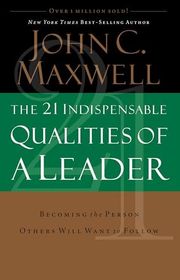
The 21 Indispensable Qualities of a Leader: Becoming the Person Others Will Want to Follow
For readers wanting to reflect on personal leadership traits, Maxwell offers a compact set of qualities to examine and strengthen. It focuses more on character than organizational strategy, though the checklist format compresses complicated behaviors into brief lessons.
What it's about
John Maxwell discusses twenty-one personal qualities associated with leadership, including character, communication, commitment, and responsibility. Short chapters combine examples with reflection and suggested actions, inviting readers to consider how their own habits affect the people they lead.
Sources
- 1
Top 5 Best John Maxwell Books for Leaders
leaders.com
- 2
9 Life-Transforming John Maxwell Books On Leadership
bigbraincoach.com
- 3
The Best John Maxwell Books
bestbooks4men.com
- 4
Books by John C. Maxwell
goodreads.com
- 5
10 Best John C. Maxwell Books (2025) Ranked - A Must-Read!
ereads.com
- 6
10 John Maxwell Books That Will Change Your Life
selfpublishing.com
- 7
Favorite Leadership Books
reddit.com
- 8
Leadership book recommendations listed by Dave?
reddit.com




Edited by
Software engineer whose passion for tracking book recommendations from podcasts inspired the creation of MRB.
Lead investor at 3one4 Capital whose startup expertise and love for books helped shape MRB and its growth.
Comments
Spotted a missing book, a wrong order or a mistake? Tell us and we'll fix this page.
We're a reading guide, not the author or publisher, so we can't send books or pass on messages.