
7 Best James Joyce Books
The best James Joyce books, ranked by how many expert sources recommend each one, with notes on stories, novels, poetry, drama and the best place to start.
Our take
James Joyce's books turn Dublin's streets, families, conversations and private thoughts into very different kinds of literature. His writing moves from closely observed stories to a developing artist's consciousness, then into the changing styles of an ordinary day and the unstable language of a dream. Religion, desire, memory and the wish to leave home recur, but each major work asks for a different kind of attention.
Dubliners is the most approachable introduction to his social observation and restrained emotional effects. A Portrait of the Artist as a Young Man follows Stephen Dedalus through a more continuous narrative, while Ulysses greatly expands the range of voices and forms. Finnegans Wake makes sustained ambiguity part of the experience. The poetry of Chamber Music and the play Exiles reveal other sides of his work; Stephen Hero is most useful after A Portrait, as an unfinished earlier version. Begin with Dubliners, then choose a longer narrative or a shorter change of form according to your interests.
7 books · 8 sources · Last updated
As an Amazon Associate, we earn from qualifying purchases (at no extra cost to you).
Reading James Joyce in order? See all James Joyce books in order
How to choose from this list
Skip to the full rankingIf you're reading Joyce for the first time: Dubliners → A Portrait of the Artist as a Young Man
If you're ready for a larger experiment: Ulysses → Finnegans Wake
If you prefer brief poetry: Chamber Music
If you want Joyce's drama: Exiles
If you want to compare his revisions: A Portrait of the Artist as a Young Man → Stephen Hero
The 7 books, ranked
Ranked by how many expert sources name each book. Ties go to the book more people recommend.
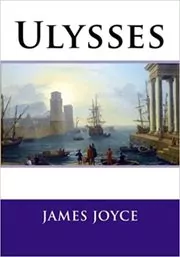
Ulysses
For readers ready to spend time with shifting voices, ordinary details and elaborate formal experiments. Its single day opens an unusually expansive inner world, though the allusions and changing styles often reward notes, rereading or a companion guide.
What it's about
Over one day, June 16, 1904, Leopold Bloom moves through Dublin while Stephen Dedalus and Molly Bloom follow their own paths. Errands, conversations, memories, and private thoughts build an unusually intimate portrait of a city and its people.
Also recommended by
4 people Neil Strauss recommended this book
Neil Strauss
"The book that’s most influenced me." - Neil Strauss
Neil Strauss's recommendation of this book  Debbie Millman recommended this book
Debbie Millman
"I also really love a line from [this book], which is 'The longest way around is the shortest way home.'" - Debbie Millman
Debbie Millman's recommendation of this book  Christopher Hitchens recommended this book
Christopher Hitchens
"[Appears] not to be written by [a human being]." - Christopher Hitchens
Christopher Hitchens's recommendation of this book 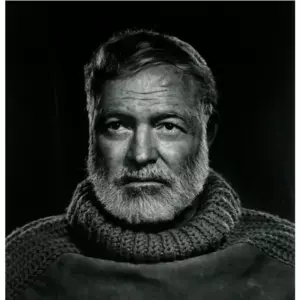 Ernest Hemingway recommended this book
Ernest Hemingway
Ernest Hemingway recommended this book in the "Ernest Hemingway on Writing" book.
Ernest Hemingway's recommendation of this book
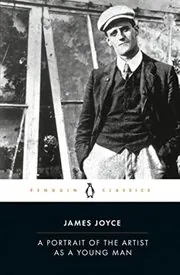
A Portrait of the Artist as a Young Man
For readers who want a sustained coming-of-age narrative before Joyce's larger experiments. The changing language follows Stephen's developing consciousness, though the religious arguments and artistic self-examination can feel intense and inward-looking beside the social variety of Dubliners.
What it's about
Stephen Dedalus grows up in Dublin, wrestling with school, family, faith, sexuality, and the demands of Irish life. As he begins to trust his own artistic calling, he must decide what loyalties he can keep and what he must leave behind.
Also recommended by
2 people- Ernest Hemingway recommended this book
Ernest Hemingway
Ernest Hemingway recommended this book in the "Ernest Hemingway on Writing" book.
Ernest Hemingway's recommendation of this book  Jim Carrey recommended this book
Jim Carrey
"[The author] says the greatest of art, the masterpieces, are the ones that stop you. It causes a stasis in your brain. Stops time and makes it last longer." - Jim Carrey
Jim Carrey's recommendation of this book
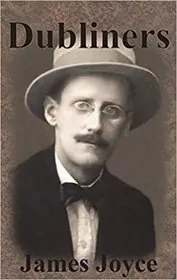
Dubliners
For newcomers who want Joyce's precise observation in manageable stories. The recurring city and moments of realization create a coherent introduction, though the restrained endings often leave emotional implications for the reader rather than resolve events neatly.
What it's about
Fifteen linked stories set in Dublin, following children, clerks, families, lovers, and neighbors at moments of disappointment or realization. It is a strong entry point to Joyce, with vivid city life and quietly painful human choices.
Also recommended by
1 person- Ernest Hemingway recommended this book
Ernest Hemingway
Ernest Hemingway recommended this book in the "Ernest Hemingway on Writing" book.
Ernest Hemingway's recommendation of this book
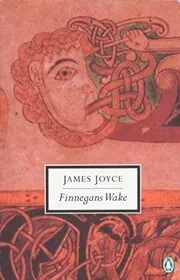
Finnegans Wake
For readers who enjoy language as sound, puzzle and dream more than a stable narrative. Its densely layered wordplay takes Joyce's experimentation furthest, though sustained reading demands unusual patience and comfort with not fully understanding a passage.
What it's about
Joyce’s final novel turns a nighttime family drama into a dreamlike flow of puns, echoes, and shifting identities. Centered loosely on the Earwicker family, it rewards readers willing to listen to its language as much as follow a conventional plot.
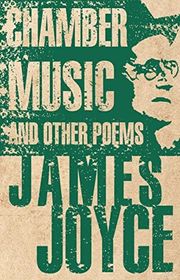
Chamber Music
For readers who want to hear Joyce's musical sensitivity in brief, conventional lyrics. The early poems offer an approachable change from the novels, though their romantic language gives only a limited sense of his later formal daring.
What it's about
Joyce’s first book gathers thirty-six brief love poems shaped by song, longing, nature, and changing moods. The poems are more traditional in form than his later fiction, but they already show his care for sound and rhythm.
Exiles: A Play in Three Acts
For readers curious about Joyce's treatment of trust, jealousy and freedom on stage. The concentrated dialogue offers a different way into his concerns, though the deliberately ambiguous relationships provide less immediate theatrical momentum than a conventional domestic drama.
What it's about
Writer Richard Rowan returns to Dublin with Bertha and their young son after years abroad. When an old friend pursues Bertha, the couple confront jealousy, desire, freedom, and whether love can survive without control.
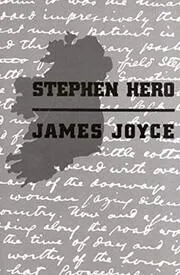
Stephen Hero
For readers who have finished A Portrait of the Artist as a Young Man and want to examine Joyce's revisions. The more discursive early version reveals omitted material, though the surviving manuscript is incomplete and works best as a companion.
What it's about
This unfinished early novel follows Stephen Daedalus as he struggles with family pressure, religion, friendship, and his wish to become an artist. It offers a rougher, more expansive first version of material Joyce later remade in A Portrait of the Artist as a Young Man.
Sources
- 1
Where to start reading James Joyce
penguin.co.uk
- 2
Ranking Author James Joyce's Best Books (A Bibliography Countdown)
bookscrolling.com
- 3
James Joyce
fantasticfiction.com
- 4
Books by James Joyce
goodreads.com
- 5
4 Key Works by James Joyce You Need to Read
thecollector.com
- 6
Books by James Joyce
fivebooks.com
- 7
My Joyce (but not exclusively) reading plan.
reddit.com
- 8
Need help deciding which editions James Joyce's books buy
reddit.com






Edited by
Software engineer whose passion for tracking book recommendations from podcasts inspired the creation of MRB.
Lead investor at 3one4 Capital whose startup expertise and love for books helped shape MRB and its growth.
Comments
Spotted a missing book, a wrong order or a mistake? Tell us and we'll fix this page.
We're a reading guide, not the author or publisher, so we can't send books or pass on messages.