
19 Best Hunting Books
The best hunting books, ranked by how many expert sources recommend each one, with notes for beginners and readers of outdoor stories, ethics, and conservation.
Our take
Hunting books answer several different questions: how people learn field skills, why they hunt, what responsibilities they accept, and how wildlife and land have changed. Practical references belong beside memoirs, essays, biographies, and conservation histories. A gripping account of an old safari provides a different kind of reading from an illustrated guide or an argument about ethical conduct.
Beyond Fair Chase offers a concise introduction to responsibility, while A Hunter's Heart brings several voices into that discussion. Meat Eater and American Buffalo connect personal hunting experiences with food, memory, and history. A Sand County Almanac, American Serengeti, and That Wild Country widen the view to land and conservation. The more specialized references focus on particular game, methods, or environments rather than hunting as a whole.
Start by choosing between instruction, personal experience, and context, then pair that choice with a book that asks a different kind of question.
19 books · 8 sources · Last updated
As an Amazon Associate, we earn from qualifying purchases (at no extra cost to you).
How to choose from this list
Skip to the full rankingIf you want to think about hunting ethics: Beyond Fair Chase → A Hunter's Heart
If you want land and conservation context: A Sand County Almanac → American Serengeti → That Wild Country
If you want a contemporary hunting memoir: Meat Eater → American Buffalo
If you want historical outdoor literature: Green Hills of Africa → The Wilderness Hunter
If you want a broad big-game reference: The Complete Guide to Hunting, Butchering, and Cooking Wild Game: Volume 1: Big Game
If you want focused whitetail references: Mapping Trophy Bucks → Precision Bowhunting
The 19 books, ranked
Ranked by how many expert sources name each book. Ties go to the book more people recommend.

A Hunter's Heart
Choose this for a range of personal arguments about responsibility, animals, and the meaning of hunting. Its collected voices leave room for disagreement, though the reflective essays offer fewer practical answers than a field manual.
What it's about
David Petersen brings together essays exploring the experiences, responsibilities, and moral questions of hunting. Contributors consider relationships with wildlife and land, the meaning of taking an animal's life, and the traditions that shape their choices.
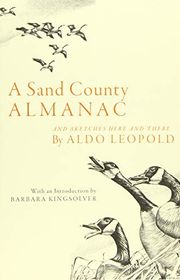
A Sand County Almanac
Choose this for close observation of land and wildlife joined to a larger ethical argument. Its seasonal sketches make conservation personal, though it is reflective nature writing rather than a guide to planning or carrying out a hunt.
What it's about
Leopold combines seasonal observations of a Wisconsin landscape with sketches from other places and reflections on conservation. Encounters with plants, animals, and land lead toward questions about human responsibility within the wider living community.
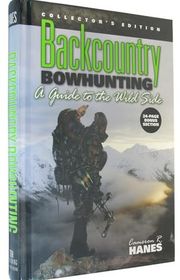
Backcountry Bowhunting
For experienced readers interested in the physical demands and planning of western backcountry bowhunting. Its specialist focus goes beyond general outdoor narratives, though older equipment discussions and the demanding approach limit its suitability as a first hunting book.
What it's about
Hanes discusses backcountry bowhunting through preparation, equipment, personal experiences, and accounts of western big-game pursuits. The book emphasizes the demands of remote terrain and the organization involved in undertaking physically challenging hunts away from developed access.

For beginners who want a concise ethical framework before turning to equipment or technique. Its emphasis on conduct makes it a useful companion to practical books, though its brevity leaves complex disagreements and historical questions only lightly developed.
What it's about
Jim Posewitz examines the ethics and traditions of hunting, emphasizing respect for wildlife and responsibility for one's actions. This concise guide considers how ethical choices before, during, and after a hunt help sustain hunting's future.
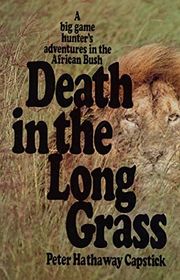
Death in the Long Grass
Choose this for dramatic safari storytelling and encounters with African wildlife. Its pace suits readers seeking adventure rather than instruction, though the heightened presentation, graphic danger, and older hunting culture may be substantial barriers.
What it's about
Capstick draws on his own experiences and colleagues' accounts to describe encounters with dangerous African animals. Safari life, pursuit, and sudden threats shape a collection of hunting adventures told from a professional hunter's perspective.
Man-Eaters of Kumaon
For readers drawn to historical encounters between rural communities and dangerous predators. Its first-person tension gives the stories immediacy, though graphic deaths and the colonial setting call for a historically aware reading rather than modern hunting expectations.
What it's about
Corbett recounts his pursuit of tigers and leopards associated with attacks on people in northern India. Accounts of tracking, rural communities, and difficult terrain place the encounters within his experience of the region's landscapes and wildlife.

Choose this for a personal route into hunting through food, memory, and outdoor experience. Its reflective adventures make the subject approachable beyond a specialist audience, though it is a memoir rather than a systematic beginner's guide.
What it's about
Steven Rinella tells the story of his relationship with hunting through ten hunts spanning childhood and adulthood. Outdoor adventures become occasions to examine food, the ethics of killing animals, changing landscapes, and hunters' place in American life.
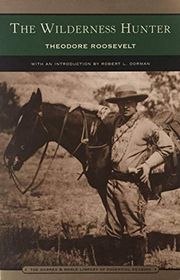
The Wilderness Hunter
Choose this for a historical account of North American big-game hunting and outdoor life. Its direct observations preserve an earlier landscape and outlook, though frontier assumptions and attitudes toward animals differ markedly from contemporary conservation discussion.
What it's about
Roosevelt recounts encounters with North American game animals and the landscapes they inhabit, with particular attention to grizzly bears. His hunting experiences combine descriptions of frontier life with close observations of wildlife and the western wilderness.

Choose this if a single hunting journey is the best doorway into a much longer wildlife history. Its blend of personal experience and research complements Meat Eater, though the bison focus is intentionally narrower than a general hunting memoir.
What it's about
Steven Rinella combines an Alaskan bison hunt with an exploration of the animal's history in North America. His account connects personal experience with Indigenous hunting traditions, commercial exploitation, and the buffalo's place in American culture and identity.
Also recommended by
2 people Joe Rogan recommended this book
Joe Rogan
"An amazing book." - Joe Rogan
Joe Rogan's recommendation of this book  Saagar Enjeti recommended this book
Saagar Enjeti
"I took away a deeper appreciation for this incredible country, its history, and symbiotic relationship between man and wildlife at the most basic form of life." - Saagar Enjeti
Saagar Enjeti's recommendation of this book
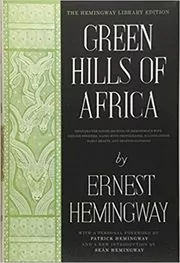
Green Hills of Africa
For readers interested in hunting as literary memoir, with attention to rivalry, perception, and the writer's own motives. Its prose offers a different pleasure from a field guide, though colonial attitudes and trophy-centered values belong to another era.
What it's about
Hemingway turns an East African safari into a memoir about hunting, landscape, rivalry, and writing itself. It mixes travel, camp talk, and literary argument in a book that is both restless and reflective.
Also recommended by
1 person Josh Waitzkin recommended this book
Josh Waitzkin
Josh Waitzkin recommended this book in the "Tools of Titans" book.
Josh Waitzkin's recommendation of this book
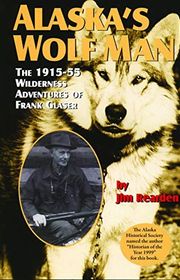
Alaska's Wolf Man
Choose this for an account of wilderness work and life in an earlier Alaska. Its long career perspective offers more than one sporting adventure, though predator-control practices and historical attitudes toward wildlife can be uncomfortable for contemporary readers.
What it's about
Rearden tells the story of Frank Glaser's decades in Alaska as a hunter, trapper, dog-team driver, roadhouse owner, and predator-control agent. His varied work provides a view of travel, wildlife, and life in a changing wilderness.
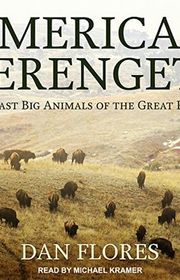
American Serengeti
For readers who want historical context for the wildlife of the Great Plains. Its animal-centered narrative broadens the view beyond individual hunts, though its regional focus and accounts of ecological destruction make it more history than practical reference.
What it's about
Flores recounts the natural history of large animals on the American Great Plains and the changes brought by human expansion. Portraits of species connect their former abundance with the pressures that transformed the region's wildlife.
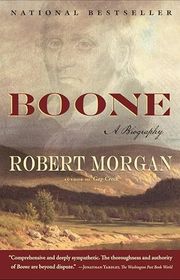
Boone: A Biography
Choose this for a researched life behind a familiar frontier figure rather than a collection of field tips. Its wider historical setting gives hunting cultural context, though biography and settlement history occupy much more space than hunting alone.
What it's about
Morgan reconstructs Daniel Boone's life through biographical research, historical context, maps, and supporting notes. The account examines the man behind the frontier legend and places his experiences within the changing social and territorial world around him.

Just Before Dark
For readers who enjoy an outdoors writer's wider appetites, observations, and argumentative personality. Its mixture of food, travel, fishing, and reflection offers variety, though hunting is one interest among many rather than the collection's sole subject.
What it's about
A gathering of nonfiction pieces, from food and travel writing to literary essays and memories from the road. Read together, they show Harrison's range and his habit of finding a story in almost any place.

Mapping Trophy Bucks
Choose this for learning to interpret terrain and maps in a deer-hunting context. Its focused visual reasoning complements broader manuals, though the trophy-whitetail emphasis and older mapping presentation leave some adaptation to contemporary tools and local habitats.
What it's about
Brad Herndon shows deer hunters how to interpret topographic maps and aerial photographs before scouting on foot. He explains how terrain influences travel routes and how mapped features, deer sign, stand locations, and wind direction can inform hunting plans.
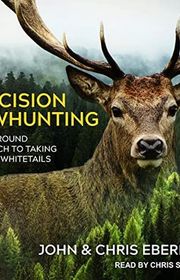
Precision Bowhunting
For readers already committed to whitetail bowhunting who want a year-round planning framework. Its emphasis on sustained preparation distinguishes it from memoirs and broad surveys, though the specialized approach and authors' preferences are not a universal hunting method.
What it's about
John and Chris Eberhart outline a year-round approach to whitetail bowhunting, connecting offseason preparation with the hunting season. Their discussion draws on experience in heavily hunted areas and considers planning, scouting, training, and particular field conditions.

Choose this for a broad, illustrated reference connecting big-game hunting with food preparation. Its practical organization complements the memoirs and ethics books, though the North American focus and wide scope limit detail on any single local setting.
What it's about
This big-game volume covers equipment, scouting, hunting strategies, and fourteen animal species. Steven Rinella connects field preparation with transporting, butchering, and cooking a harvest, combining practical instructions with photographs and advice from experienced hunters across the United States.

For readers whose interests center on small game and birds rather than the larger animals covered in the first volume. Its connection between fieldwork and food is useful, though the species range makes it a broad North American reference.
What it's about
This small-game volume examines hunting furred animals, upland birds, and waterfowl, covering thirty species. Steven Rinella combines equipment and field strategies with instructions for dressing, butchering, and cooking game, including dedicated guidance on wild turkey hunting.

That Wild Country
An Epic Journey through the Past, Present, and Future of America's Public Lands
For readers who want the history and politics behind access to American public landscapes. Its journeys connect conservation debates with actual places, though the United States focus and limited practical instruction make it a contextual companion to hunting manuals.
What it's about
Mark Kenyon combines journeys through America's public lands with an account of their contested history. Visits to parks, forests, and wilderness areas frame his examination of conservation, competing interests, and the responsibility of protecting shared landscapes.
Sources
- 1
8 Books Every Hunter Should Read
themeateater.com
- 2
The Ultimate Recommended Reading List For Hunters
themeateater.com
- 3
14 Best Hunting Books for Your 2022 Reading List
gearjunkie.com
- 4
Hunting Books
goodreads.com
- 5
Best hunting books?
reddit.com
- 6
14 Books That Will Change the Way You Hunt
outdoorlife.com
- 7
9 of the Best Hunting Books for Your Summer Reading List
huntwise.com
- 8
The 6 Best Books for New Hunters
gearjunkie.com




Edited by
Software engineer whose passion for tracking book recommendations from podcasts inspired the creation of MRB.
Lead investor at 3one4 Capital whose startup expertise and love for books helped shape MRB and its growth.
Comments
Did we miss something? Have feedback?
Help us improve this page by sharing your thoughts