
16 Best Geology Books
The best geology books, ranked by how many expert sources recommend each one, with notes for beginners, students, and readers curious about rocks and Earth.
Our take
Geology is a way of reading Earth's history from the materials and landscapes around us. It connects minerals and rocks with moving plates, changing climates, fossils, natural hazards, and the vast stretches of time that shape a planet. You can approach it through an organized textbook, a narrative about scientists in the field, or a practical guide used beside a specimen.
Geology: A Complete Introduction offers a structured starting point, while Annals of the Former World follows geologists across North America through conversation and observation. The Story of Earth connects the planet's physical development with life. For a closer look at visible evidence, try How to Read a Rock, then keep Rocks & Minerals nearby for identification. Students can move toward Understanding Earth for more depth. Start with the questions that interest you, and choose a book that explains processes as well as naming what you see.
16 books · 9 sources · Last updated
As an Amazon Associate, we earn from qualifying purchases (at no extra cost to you).
How to choose from this list
Skip to the full rankingIf you're learning independently from the beginning: Geology: A Complete Introduction → Essentials of Geology
If you want to interpret rocks and landscapes: How to Read a Rock → Reading the Rocks
If you're interested in deep time: The Story of Earth → Timefulness
If you want the history of geological ideas: The Map That Changed the World → Principles of Geology
If you want to identify specimens: Rocks & Minerals
If you're studying at course level: Understanding Earth → Physical Geology
The 16 books, ranked
Ranked by how many expert sources name each book. Ties go to the book more people recommend.
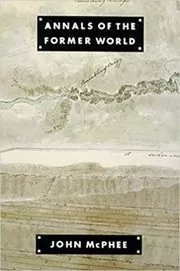
For readers who enjoy learning through people, journeys, and close observation. McPhee makes field geology feel like an unfolding conversation, though the North American focus and long, digressive structure require more patience than an introductory textbook.
What it's about
Combining four earlier geology books with a final section, this Pulitzer Prize-winning volume follows McPhee and several geologists along the fortieth parallel. Road trips, road cuts, and fieldwork reveal how the North American continent took shape over deep time.
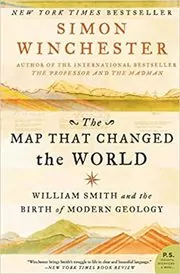
The Map That Changed the World
For readers who enjoy the human story behind a scientific idea. Winchester gives geological mapping an engaging biographical frame, though the dramatic focus on William Smith simplifies a development involving a wider scientific community.
What it's about
This narrative biography follows canal engineer William Smith as he pieces together the rock layers of Britain, creates the first national geological map and pays a heavy personal price before finally being recognised as a founder of modern geology.
Also recommended by
1 person Turia Pitt recommended this book
Turia Pitt
"My personal favorite book." - Turia Pitt
Turia Pitt's recommendation of this book

Principles of Geology
For readers interested in how geologists learned to explain the past through observable processes. Lyell's argument remains historically important, though nineteenth-century science and language make this a poor substitute for a modern introductory text.
What it's about
Charles Lyell argues that Earth's geological history can be explained through the accumulated effects of natural processes observable in the present. This selection presents his influential nineteenth-century account of gradual change and evidence recorded in landscapes.

For readers who want Earth's physical history connected to the development of life. Hazen makes changing minerals part of the larger planetary story, though the wide chronological sweep leaves individual processes less fully developed.
What it's about
Robert M. Hazen traces Earth's development from its origins to a living planet, emphasizing interactions between geology and biology. He explains how the evolution of organisms transformed minerals and connects the planet's physical history with life's emergence.

For readers who want landscapes to lead into the science beneath them. Fortey's field experiences make plate tectonics and deep time tangible, though the travel-driven organization is less systematic than a course text.
What it's about
Richard Fortey explores landscapes around the world to explain the planet's geological past. From Vesuvius to modern laboratories, he traces evidence of plate tectonics and shows how ancient processes remain visible in present-day rocks and terrain.

Essentials of Geology
For beginners who want an organized course in Earth's materials and processes. Marshak's explanations and illustrations provide a clear study framework, though the textbook format rewards active practice and attention rather than casual browsing.
What it's about
Stephen Marshak introduces the processes and materials that shape Earth through explanations and illustrations for beginning geology students. This sixth edition explores the planet's workings and history, connecting geological concepts with landscapes, resources, and natural hazards.

For readers interested in how fossils reveal the history of life. Fortey combines scientific explanation with a paleontologist's perspective, though the biological emphasis gives it less coverage of physical processes than the general geology books here.
What it's about
Richard Fortey traces life's development over four billion years, combining accounts of extinct organisms with his own experiences as a paleontologist. The narrative explores fossils, evolutionary changes, scientific debates, and the eventual emergence of humans.
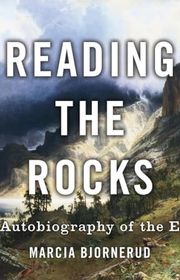
Reading the Rocks
For readers who want to see rocks as evidence of changing processes. Bjornerud connects geological stories to planetary systems with an accessible voice, though the broad environmental framing provides less step-by-step instruction than a field guide.
What it's about
Marcia Bjornerud explains how rocks preserve evidence of Earth's changing environments and long history. Stories of transformation, destruction, and renewal connect geological processes with the conditions supporting life and the effects of human activity on the planet.
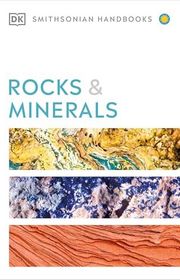
Rocks & Minerals
For beginners who want a visual identification companion while examining specimens. Pellant's photographs and characteristic summaries make comparison straightforward, though identifying a sample still requires observing properties rather than simply matching its color.
What it's about
Chris Pellant presents a visual guide to rocks and minerals with photographs and descriptions of their distinguishing properties. Entries cover features such as composition, hardness, texture, and crystal form, helping readers compare and identify specimens.

Understanding Earth
For students who want geology organized around interacting Earth systems. Grotzinger and Jordan connect rocks, climate, and tectonics in a coherent framework, though its course-level detail is heavier than a general-interest narrative.
What it's about
John Grotzinger and Thomas H. Jordan introduce geology through the interconnected systems that shape Earth. This eighth edition integrates climate science with plate tectonics, rocks, geological time, natural hazards, and human influences on the planet.

For readers asking why geological knowledge matters beyond rock collecting. Macdougall connects past evidence with hazards and environmental questions, though the topical survey offers less practical identification or field instruction than a dedicated guide.
What it's about
Doug Macdougall explains how geoscience illuminates Earth's past and helps anticipate its future. Discussions of climate change, volcanoes, earthquakes, and tsunamis connect geological investigation with the natural processes and hazards that affect human life.
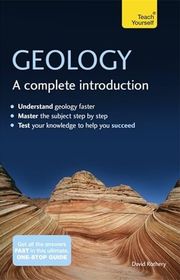
Geology: A Complete Introduction
For independent learners who want a structured introduction without starting with a large university textbook. Rothery covers core topics and provides study supports, though the concise scope offers less depth than the dedicated course texts.
What it's about
David Rothery introduces Earth's structure, plate tectonics, rocks, volcanoes, erosion, fossils, resources, and geological history. Organized chapters, study questions, and reference material provide a route through the basic concepts and observations used to understand the planet.
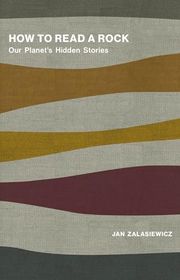
How to Read a Rock
For curious beginners who want to understand the evidence in ordinary stones and landscapes. Zalasiewicz uses visual examples to connect observation with interpretation, though the range of topics still introduces terminology that may need revisiting.
What it's about
Jan Zalasiewicz explains how rocks record ancient environments, changing continents, life, and human influence. Photographs and examples help readers interpret clues in everyday stones and larger landscapes, linking visible features with the processes and histories that produced them.

The Ends of the World
Volcanic Apocalypses, Lethal Oceans, and Our Quest to Understand Earth's Past Mass Extinctions
For readers interested in mass extinctions and the evidence left in rocks. Brannen combines field reporting with scientific explanations, though the catastrophic events and environmental parallels make this more focused than a general geology introduction.
What it's about
Peter Brannen investigates Earth's five major mass extinctions through geological evidence and scientific research. His journey into deep time examines catastrophic changes in climate and oceans, asking what these vanished worlds suggest about the planet's possible future.
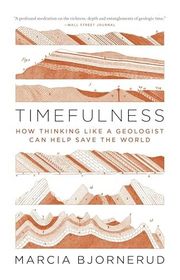
Timefulness
For readers who want deep time connected to present choices. Bjornerud explains geological thinking through an environmental argument, though the reflective, advocacy-minded approach is less useful for learning systematic rock classification or field methods.
What it's about
Marcia Bjornerud explores how geologists understand time and why long planetary rhythms matter to human decisions. The book connects Earth's deep history with environmental change, challenging readers to consider consequences beyond the scale of an individual life.

Physical Geology
For students who want a substantial reference on Earth's materials and physical processes. Plummer and colleagues provide broad foundational coverage, though the technical vocabulary and textbook length demand more commitment than the narrative introductions.
What it's about
Charles Plummer, Diane Carlson, and Lisa Hammersley introduce Earth's materials, structure, and geological processes. This sixteenth edition combines explanations with photographs and illustrations, covering foundational physical geology for students beginning the subject or considering further study.
Sources
- 1
Five Must-Read Books About Earth
smithsonianmag.com
- 2
5 of The Best Geology Books For Beginners - Rock Seeker
rockseeker.com
- 3
100 Best Geology Books of All Time (Updated for 2026)
shortform.com
- 4
Best Geology Books (222 books)
goodreads.com
- 5
Geology Book Recs : r/geology
reddit.com
- 6
Does anyone have a favorite geology book for the average person? (Ie., for dummies lol) : r/geology
reddit.com
- 7
Annotated List of History of Geology Books | Mark Harris
sites.uwm.edu
- 8
6 Books To Refresh Your Geology - GeoExpro
geoexpro.com
- 9
Reading list for Geology: An Introduction to the Science of Planet Earth
lifelong-learning.ox.ac.uk






Edited by
Software engineer whose passion for tracking book recommendations from podcasts inspired the creation of MRB.
Lead investor at 3one4 Capital whose startup expertise and love for books helped shape MRB and its growth.
Comments
Spotted a missing book, a wrong order or a mistake? Tell us and we'll fix this page.
We're a reading guide, not the author or publisher, so we can't send books or pass on messages.