
9 Best Fyodor Dostoevsky Books
The best Fyodor Dostoevsky books, ranked by how many expert sources recommend each one, with notes for choosing short introductions and longer philosophical novels.
Our take
Fyodor Dostoevsky's fiction puts people under pressure and lets their arguments, fears, and contradictions unfold at length. His major novels explore guilt, faith, freedom, family, and political belief through competing voices. The shorter works offer different points of entry: the romantic atmosphere of White Nights, the social unease of The Double, or the letters and material hardship of Poor Folk. Shorter does not always mean easier, especially with the combative narrator of Notes from Underground.
These books stand alone, so there is no series order to follow. Crime and Punishment combines psychological intensity with a strong dramatic thread, making it a useful first major novel. The Brothers Karamazov and Demons ask for more patience with large casts and extended debate. Translation style and helpful notes can also shape the experience. Start with White Nights for a brief introduction, or Crime and Punishment if you want to begin with a longer work.
9 books · 11 sources · Last updated
As an Amazon Associate, we earn from qualifying purchases (at no extra cost to you).
Reading Fyodor Dostoevsky in order? See all Fyodor Dostoevsky books in order
How to choose from this list
Skip to the full rankingIf you want a brief romantic introduction: White Nights
If you want your first major novel: Crime and Punishment → The Brothers Karamazov
If you prefer concentrated psychological unease: The Double → Notes from Underground
If you want shorter social and emotional studies: Poor Folk → The Gambler
If you're ready for political satire: Demons
If you want a sustained question about goodness: The Idiot
The 9 books, ranked
Ranked by how many expert sources name each book. Ties go to the book more people recommend.
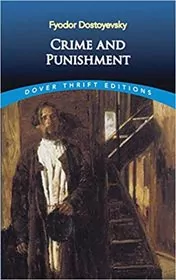
Crime and Punishment
For newcomers ready for a substantial psychological novel with a strong dramatic center. The pressure of conscience gives the philosophical questions immediate stakes, though the agitated narration, long conversations, and Russian names require attentive reading.
What it's about
An impoverished former student in St Petersburg convinces himself he has the right to kill a cruel pawnbroker for a greater good. After the murder, the novel follows his feverish attempts to outwit the police and his own conscience in a story of guilt, suffering, and moral rebirth.
Also recommended by
10 people Jordan Peterson recommended this book
Jordan Peterson
Recommended on Jordan Peterson's website.
Jordan Peterson's recommendation of this book  Esther Perel recommended this book
Esther Perel
"You can reread the Russians. They are timeless." - Esther Perel
Esther Perel's recommendation of this book  Larry King recommended this book
Larry King
Larry King mentioned this book on "The Tim Ferriss Show" podcast.
Larry King's recommendation of this book  Christopher Hitchens recommended this book
Christopher Hitchens
"I couldn’t sleep for two nights after first reading [this book]." - Christopher Hitchens
Christopher Hitchens's recommendation of this book  PewDiePie recommended this book
PewDiePie
"Sometimes this book was very hard to get through, but the parts that shine truly shine." - PewDiePie
PewDiePie's recommendation of this book  Jim Cramer recommended this book
Jim Cramer
"It would take you more than a weekend to bank out [this book]! Great book, though." - Jim Cramer
Jim Cramer's recommendation of this book +4
More recommendations
- Ernest Hemingway
Ernest Hemingway recommended this book in the "Ernest Hemingway on Writing" book.
- Jim Carrey
Jim Carrey mentioned this book in an Amazon Book Review interview.
- Brian Dean
"Classic for a reason: great story, great characters, great writing." - Brian Dean
- Jack Edwards
"Great." - Jack Edwards
- Ernest Hemingway
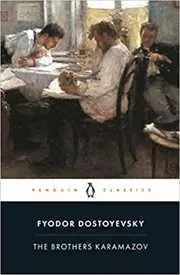
The Brothers Karamazov
For readers who want family conflict, moral argument, and questions of belief on a large scale. Its competing voices prevent easy answers, though the length and extended philosophical passages make it a demanding first encounter with the author.
What it's about
Dostoevsky's final novel follows three very different brothers and their violent, corrupt father in a provincial Russian town. A murder accusation sets off a courtroom drama and a far reaching debate about faith, doubt, freedom, and the possibility of forgiveness.
Also recommended by
4 people- Jordan Peterson recommended this book
Jordan Peterson
Recommended on Jordan Peterson's website.
Jordan Peterson's recommendation of this book  Hillary Clinton recommended this book
Hillary Clinton
"[This book] made a lasting impression on me when I read it as a young woman." - Hillary Clinton
Hillary Clinton's recommendation of this book  Ernest Hemingway recommended this book
Ernest Hemingway
Ernest Hemingway recommended this book in the "Ernest Hemingway on Writing" book.
Ernest Hemingway's recommendation of this book  Russell Moore recommended this book
Russell Moore
Russell Moore recommended this book on Twitter.
Russell Moore's recommendation of this book
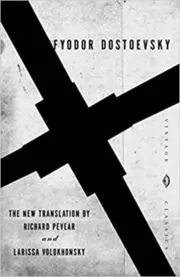
The Idiot
For readers drawn to ethical questions expressed through complicated relationships. The contrast between sincerity and social performance gives the novel its distinctive tension, though the sprawling conversations and emotional reversals can feel frustratingly unstable.
What it's about
Prince Myshkin returns to Russia after years in a Swiss clinic, gentle, open, and painfully honest. Thrown into high society intrigues around the magnetic Nastasya Filippovna, his innocence collides with jealousy, greed, and violence in a tragic exploration of goodness in a corrupt world.
Also recommended by
2 people- Jordan Peterson recommended this book
Jordan Peterson
Recommended on Jordan Peterson's website.
Jordan Peterson's recommendation of this book  Lex Fridman recommended this book
Lex Fridman
"For the longest time, [this book] was my favorite book of all because I identified with the ideas represented by Prince Myshkin." - Lex Fridman
Lex Fridman's recommendation of this book
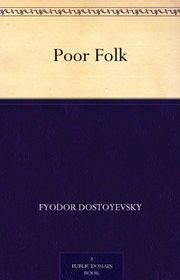
Poor Folk
For readers interested in social observation through an intimate exchange of voices. The letters make poverty, dignity, and self-presentation closely connected, though the early novel's sentimental manner differs from the sharper confrontations of the later books.
What it's about
Two impoverished neighbors exchange letters about their daily lives, worries, and hopes in St Petersburg. Their correspondence reveals affection, shame, and the pressures of dependence, showing how limited means shape both relationships and a sense of personal worth.
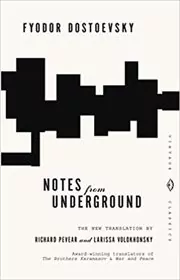
Notes from Underground
For readers who want a short but intellectually confrontational introduction. The self-contradicting voice makes pride and freedom personal rather than abstract, though the bitterness and argumentative opening can be more difficult than the book's length suggests.
What it's about
An isolated former civil servant in St. Petersburg records his bitter reflections on reason, freedom and society. Recalling humiliating encounters with acquaintances and a young prostitute, he exposes the contradictions between his craving for connection and destructive pride.
Also recommended by
1 person- Jordan Peterson recommended this book
Jordan Peterson
Recommended on Jordan Peterson's website.
Jordan Peterson's recommendation of this book
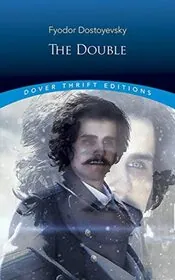
The Double
For readers who enjoy unsettling satire and uncertainty about a narrator's perceptions. Its concentrated treatment of status and divided identity anticipates later psychological fiction, though the repetition and anxious atmosphere can feel deliberately claustrophobic.
What it's about
Minor civil servant Yakov Golyadkin begins seeing a perfect double of himself who is charming where he is awkward and quickly usurps his place. The story follows his spiraling paranoia and fractured identity in a darkly comic study of status and self.
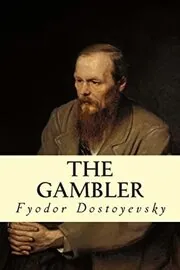
The Gambler
For readers who prefer a shorter novel with concentrated emotional pressure. Obsession connects money, status, and desire in a tighter space than the major novels, though the volatile relationships offer little relief from the narrator's compulsions.
What it's about
In a glittering German spa town, tutor Alexei Ivanovich becomes obsessed with both the roulette wheel and the general's ward, Polina. His wins and losses, and the family's hopes for an inheritance, show how desire and chance can pull people into self destruction.
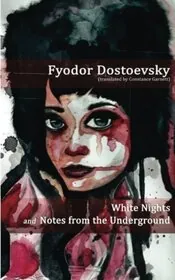
White Nights
For readers who want a brief, emotionally direct introduction. Its intimate scale and romantic longing show a gentler register than the great psychological novels, though the sentimental intensity gives only a partial view of Dostoevsky's range.
What it's about
A shy dreamer in St Petersburg meets a young woman, Nastenka, during the luminous summer nights when the city barely grows dark. Over four evenings he tells his story, listens to hers, and falls in love, knowing her heart may still belong to someone else.
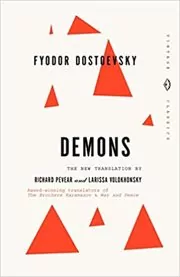
Demons
For readers interested in political ideas becoming destructive social forces. Dostoevsky combines satire with unsettling group dynamics, though the large cast, slow groundwork, and nineteenth-century ideological context make this harder to enter than the more focused novels.
What it's about
Revolutionary conspirator Pyotr Verkhovensky stirs unrest in a provincial Russian town, drawing followers into a dangerous political scheme. Charismatic Nikolai Stavrogin exerts his own disturbing influence as ideological fervor, personal rivalries and moral uncertainty push the community toward violence.
Also recommended by
3 people Ben Shapiro recommended this book
Ben Shapiro
"There's some light reading for you." - Ben Shapiro
Ben Shapiro's recommendation of this book - Jordan Peterson recommended this book
Jordan Peterson
Recommended on Jordan Peterson's website.
Jordan Peterson's recommendation of this book - Ernest Hemingway recommended this book
Ernest Hemingway
Ernest Hemingway recommended this book in the "Ernest Hemingway on Writing" book.
Ernest Hemingway's recommendation of this book
Sources
- 1
Books by Books by Fyodor Dostoevsky - Five Books Expert Recommendations
fivebooks.com
- 2
Where to start reading Fyodor Dostoyevsky
penguin.co.uk
- 3
4 Best Fyodor Dostoevsky Books Ranked | Book Analysis
bookanalysis.com
- 4
Where to Start with Fyodor Dostoevsky – Best Fyodor Dostoevsky Books
timeout.com
- 5
Fyodor Dostoevsky | Penguin Random House
penguinrandomhouse.com
- 6
Fyodor Dostoevsky Books in Order, and Which to Read First
lisanneswart.com
- 7
Top 5 Fyodor Dostoevsky MASTERPIECES
gw2ru.com
- 8
Best of Fyodor Dostoevsky (31 books)
goodreads.com
- 9
The Best Books By Fyodor Dostoyevsky You Should Read
theculturetrip.com
- 10
Which Dostoevsky book is best for a beginner to start with? : r/dostoevsky
reddit.com
- 11
Dostoevsky - Recommended reading list : r/RussianLiterature
reddit.com






Edited by
Software engineer whose passion for tracking book recommendations from podcasts inspired the creation of MRB.
Lead investor at 3one4 Capital whose startup expertise and love for books helped shape MRB and its growth.
Comments
Spotted a missing book, a wrong order or a mistake? Tell us and we'll fix this page.
We're a reading guide, not the author or publisher, so we can't send books or pass on messages.