
Fyodor Dostoevsky Books in Order
Explore Fyodor Dostoevsky's books in order, with summaries, themes, reading pathways for his major novels, and guidance on where to start, plus key nonfiction.
Last updated:
As an Amazon Associate, we earn from qualifying purchases (at no extra cost to you).
Fyodor Dostoevsky books in publication order
39 books

Poor Folk and Other Stories
by Fyodor Dostoevsky
1845
This collection brings together Poor Folk and several of Dostoevsky's early tales, including studies of reclusive tenants, shabby officials, and anxious dreamers. It offers an accessible gateway into his themes of poverty, wounded pride, and the thin line between comedy and despair.
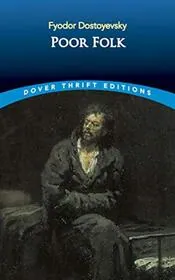
Poor Folk / Poor People
by Fyodor Dostoevsky
1846
Told through letters between humble clerk Makar Devushkin and young seamstress Varvara Dobroselova, this debut novel paints a tender portrait of love, pride, and survival in poverty. Their careful kindness to each other contrasts with the indifference and cruelty around them.

The Double
by Fyodor Dostoevsky
1846
Minor civil servant Yakov Golyadkin begins seeing a perfect double of himself who is charming where he is awkward and quickly usurps his place. The story follows his spiraling paranoia and fractured identity in a darkly comic study of status and self.
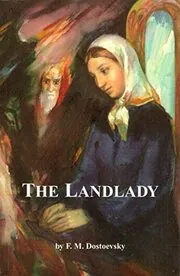
The Landlady
by Fyodor Dostoevsky
1847
Bookish recluse Ordynov becomes fascinated by a mysterious older man and his much younger wife, and takes a room in their house. As passion, fear, and superstition blur reality, this Gothic novella explores obsession, dependency, and the pull of destructive relationships.

An Honest Thief and Other Stories
by Fyodor Dostoevsky
1848
Centered on the moving story of Emelyan, a ruined drunkard who confesses to stealing from his only friend, this volume gathers some of Dostoevsky's finest shorter works. The pieces explore guilt, shame, absurd situations, and unexpected moments of compassion among the downtrodden.
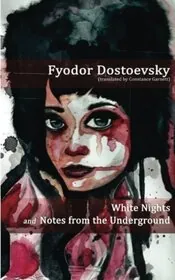
White Nights
by Fyodor Dostoevsky
1848
A shy dreamer in St Petersburg meets a young woman, Nastenka, during the luminous summer nights when the city barely grows dark. Over four evenings he tells his story, listens to hers, and falls in love, knowing her heart may still belong to someone else.

Netochka Nezvanova
by Fyodor Dostoevsky
1849
This unfinished novel traces the childhood and youth of Netochka, the stepdaughter of a brilliant but unstable violinist. Moving from scenes of domestic misery to life in an aristocratic household, it follows her search for affection, identity, and a voice of her own.
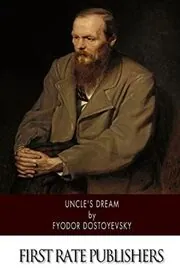
Uncle's Dream
by Fyodor Dostoevsky
1859
In a small provincial town, ambitious Maria Moskaleva plots to marry her beautiful daughter Zinaida to a doddering prince. This comic tale of gossip, vanity, and self deception shows Dostoevsky experimenting with light social satire and farcical scenes of courtship.
The Insulted and Injured / Humiliated and Insulted
by Fyodor Dostoevsky
1861
Narrated by young writer Vanya, this early novel weaves together his loyal love for Natasha, her troubled affair with Alyosha, and the schemes of the ruthless Prince Valkovsky. It combines melodrama with a heartfelt defense of the poor, abandoned, and betrayed.
The House of the Dead / Notes from a Dead House
by Fyodor Dostoevsky
1862
Drawing on his own prison years, Dostoevsky portrays a nobleman sentenced to hard labor in a Siberian camp. Through episodes of brutality, small kindnesses, and grim routine, the book offers a stark, compassionate picture of life among convicts and guards.
Winter Notes on Summer Impressions
by Fyodor Dostoevsky
1863
Based on Dostoevsky's 1862 trip to Western Europe, this essayistic travelogue records his sharp impressions of Paris, London, and other cities. He reflects on industry, class, religion, and national character while contrasting European life with Russian hopes and anxieties.
Notes from the Underground
by Fyodor Dostoevsky
1864
Presented as the confession of an unnamed former civil servant, this short novel dives into the mind of a man who both despises and craves human contact. His ranting philosophy and a disastrous encounter with a young woman expose the cost of radical isolation.
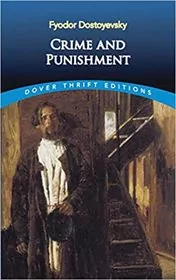
Crime and Punishment
by Fyodor Dostoevsky
1866
An impoverished former student in St Petersburg convinces himself he has the right to kill a cruel pawnbroker for a greater good. After the murder, the novel follows his feverish attempts to outwit the police and his own conscience in a story of guilt, suffering, and moral rebirth.
Recommended by
10 people Jordan Peterson recommended this book
Jordan Peterson
Recommended on Jordan Peterson's website.
Jordan Peterson's recommendation of this book  Esther Perel recommended this book
Esther Perel
"You can reread the Russians. They are timeless." - Esther Perel
Esther Perel's recommendation of this book  Larry King recommended this book
Larry King
Larry King mentioned this book on "The Tim Ferriss Show" podcast.
Larry King's recommendation of this book 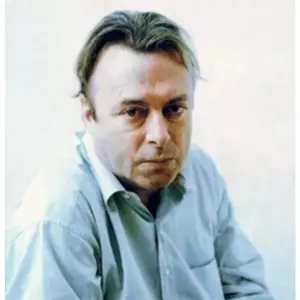 Christopher Hitchens recommended this book
Christopher Hitchens
"I couldn’t sleep for two nights after first reading [this book]." - Christopher Hitchens
Christopher Hitchens's recommendation of this book  PewDiePie recommended this book
PewDiePie
"Sometimes this book was very hard to get through, but the parts that shine truly shine." - PewDiePie
PewDiePie's recommendation of this book  Jim Cramer recommended this book
Jim Cramer
"It would take you more than a weekend to bank out [this book]! Great book, though." - Jim Cramer
Jim Cramer's recommendation of this book +4
More recommendations
- Ernest Hemingway
Ernest Hemingway recommended this book in the "Ernest Hemingway on Writing" book.
- Jim Carrey
Jim Carrey mentioned this book in an Amazon Book Review interview.
- Brian Dean
"Classic for a reason: great story, great characters, great writing." - Brian Dean
- Jack Edwards
"Great." - Jack Edwards
- Ernest Hemingway
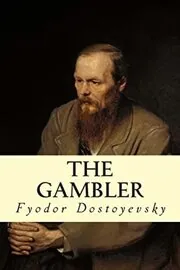
The Gambler
by Fyodor Dostoevsky
1866
In a glittering German spa town, tutor Alexei Ivanovich becomes obsessed with both the roulette wheel and the general's ward, Polina. His wins and losses, and the family's hopes for an inheritance, show how desire and chance can pull people into self destruction.
The Idiot
by Fyodor Dostoevsky
1869
Prince Myshkin returns to Russia after years in a Swiss clinic, gentle, open, and painfully honest. Thrown into high society intrigues around the magnetic Nastasya Filippovna, his innocence collides with jealousy, greed, and violence in a tragic exploration of goodness in a corrupt world.
Recommended by
2 people- Jordan Peterson recommended this book
Jordan Peterson
Recommended on Jordan Peterson's website.
Jordan Peterson's recommendation of this book  Lex Fridman recommended this book
Lex Fridman
"For the longest time, [this book] was my favorite book of all because I identified with the ideas represented by Prince Myshkin." - Lex Fridman
Lex Fridman's recommendation of this book
The Eternal Husband
by Fyodor Dostoevsky
1870
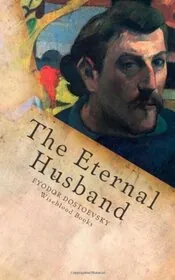
Anxious landowner Velchaninov meets Pavel Trusotsky, the widower of a woman he once loved in secret. Their awkward friendship turns into a tense psychological duel, as jealousy, guilt, and wounded pride play out around the fate of the dead woman's young daughter.
Demons / The Devils / The Possessed
by Fyodor Dostoevsky
1872
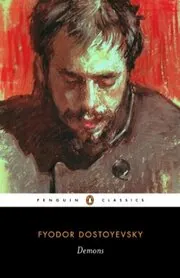
Set in a restless provincial town, this political novel traces how a circle of young radicals and their cynical organizer turn abstract theories into violence. As scandals, arson, and murder follow, Dostoevsky asks what happens when a society loses moral and spiritual anchors.
The Adolescent / Raw Youth
by Fyodor Dostoevsky
1875
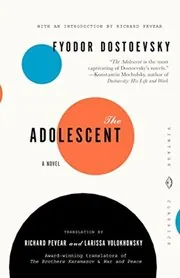
This coming of age novel is narrated by Arkady Dolgoruky, the illegitimate son of a landowner and a former serf. As he arrives in St Petersburg, he pursues grand plans for wealth while being drawn into tangled family secrets, radical politics, and first love.

A Gentle Creature and Other Stories
by Fyodor Dostoevsky
1876
Gathering White Nights, A Gentle Creature, and The Dream of a Ridiculous Man, this slim volume showcases isolated narrators whose rich inner lives clash with harsh reality. Together, the stories trace a journey from romantic fantasy through spiritual collapse toward hard won compassion.
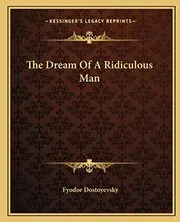
The Dream of a Ridiculous Man
by Fyodor Dostoevsky
1877
A despairing man decides to end his life, then falls into a dream in which he travels to a pure, unfallen world. When his presence brings corruption, he wakes with a renewed belief that human beings can still choose love and change.
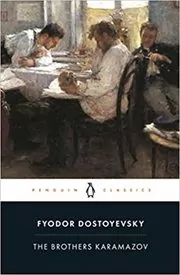
The Brothers Karamazov
by Fyodor Dostoevsky
1879
Dostoevsky's final novel follows three very different brothers and their violent, corrupt father in a provincial Russian town. A murder accusation sets off a courtroom drama and a far reaching debate about faith, doubt, freedom, and the possibility of forgiveness.
Recommended by
4 people- Jordan Peterson recommended this book
Jordan Peterson
Recommended on Jordan Peterson's website.
Jordan Peterson's recommendation of this book  Hillary Clinton recommended this book
Hillary Clinton
"[This book] made a lasting impression on me when I read it as a young woman." - Hillary Clinton
Hillary Clinton's recommendation of this book 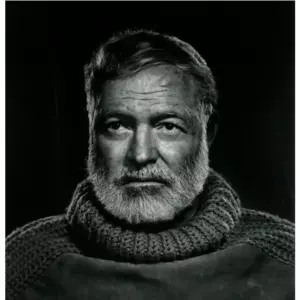 Ernest Hemingway recommended this book
Ernest Hemingway
Ernest Hemingway recommended this book in the "Ernest Hemingway on Writing" book.
Ernest Hemingway's recommendation of this book 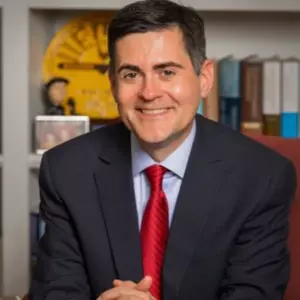 Russell Moore recommended this book
Russell Moore
Russell Moore recommended this book on Twitter.
Russell Moore's recommendation of this book

The Grand Inquisitor
by Fyodor Dostoevsky
1879
This stand alone edition presents the famous parable from The Brothers Karamazov in which Christ returns during the Spanish Inquisition. Silently confronted by an old cardinal, he becomes the target of a fierce argument about freedom, authority, and what people really want from faith.
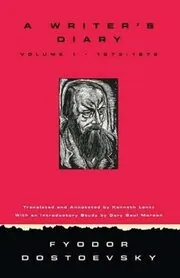
A Writer's Diary, Volume One, 1873-1876
by Fyodor Dostoevsky
1886
The first volume of A Writer's Diary brings together Dostoevsky's journalism, sketches, and stories from 1873 to 1876. He comments on Russian politics, trials, European culture, and everyday moral questions, often weaving fiction and reflection into the same piece.
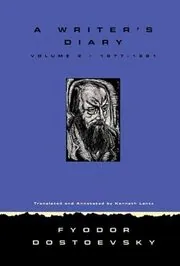
A Writer's Diary, Volume Two, 1877-1881
by Fyodor Dostoevsky
1886
This companion volume continues A Writer's Diary through Dostoevsky's final years. Alongside reports, essays, and polemics, it includes some of his finest short fiction, offering a vivid sense of how he addressed his readers as both novelist and public commentator.

The Eternal Husband and Other Stories
by Fyodor Dostoevsky
1890
This anthology features The Eternal Husband alongside other powerful tales, including portraits of jealous husbands, haunted narrators, and awkward officials. The stories share a focus on wounded pride, self deception, and the strange ways love turns into resentment.

The Gambler and Other Stories
by Fyodor Dostoevsky
1914
Here The Gambler is joined by shorter works such as Bobok and The Dream of a Ridiculous Man. Together they move from the fever of the roulette table to graveyard gossip and visionary dreams, revealing Dostoevsky's taste for satire, fantasy, and raw confession.
Dostoevsky: Letters and Reminiscences
by Fyodor Dostoevsky
1923
Combining Dostoevsky's own letters with memoirs by his wife, this book offers an intimate portrait of their marriage and working partnership. Readers see the novelist at home, on the road, and at his desk, struggling with deadlines, debts, and fragile health.

Great Short Works of Fyodor Dostoevsky
by Fyodor Dostoevsky
1968
This large collection gathers major shorter pieces, including Notes from the Underground, The Gambler, The Double, White Nights, The Eternal Husband, and more. It offers a one volume tour of Dostoevsky's themes, from social comedy to metaphysical crisis.

The Crocodile and Other Tales
by Fyodor Dostoevsky
1973
Anchored by the absurd satire The Crocodile, in which a bureaucrat is swallowed alive by an exhibition crocodile yet continues talking from inside, this collection showcases Dostoevsky's sharpest comic pieces about vanity, ideology, and the grotesque side of everyday life.
Selected Letters of Fyodor Dostoyevsky
by Fyodor Dostoevsky
1987
This selection of letters spans Dostoevsky's whole career, from his early success with Poor Folk to the late years of The Brothers Karamazov. It highlights his family life, travels, religious doubts, and the practical realities behind his most famous books.
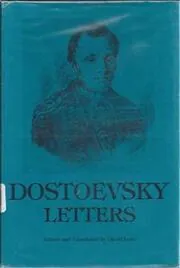
Complete Letters, 1860-1867
by Fyodor Dostoevsky
1989
An annotated collection of Dostoevsky's correspondence from 1860 to 1867, covering the years he wrote Notes from Underground and Crime and Punishment. The letters reveal his financial struggles, ill health, relationships, and the day to day pressures that shaped his fiction and journalism.

Uncle's Dream and Other Stories
by Fyodor Dostoevsky
1989
Alongside the comic novella Uncle's Dream, this volume gathers additional tales of provincial life, scheming relatives, and awkward suitors. The stories highlight Dostoevsky's lighter touch while still probing pride, self delusion, and the social pressures that shape marriage plans.
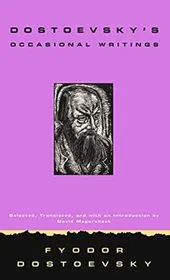
Dostoevsky's Occasional Writings
by Fyodor Dostoevsky
1997
This volume gathers articles, sketches, and letters Dostoevsky wrote over three decades, from early journalism to late reflections. It offers an informal view of his responses to politics, art, faith, and everyday Russian life, and shows how his ideas evolved alongside the great novels.

The Best Short Stories of Fyodor Dostoevsky
by Fyodor Dostoevsky
2007
Seven key stories appear here, from the romantic White Nights and the tragic An Honest Thief to Notes from the Underground and The Dream of a Ridiculous Man. Together they offer a compact introduction to Dostoevsky's obsessions with freedom, guilt, and grace.

The Fyodor Dostoevsky BBC Radio Drama Collection
by Fyodor Dostoevsky
2021
This audio collection presents full cast BBC radio dramatisations of Crime and Punishment, The Idiot, Demons, and The Brothers Karamazov, plus shorter pieces and documentaries. It is an engaging way to experience Dostoevsky's major works through voice, sound, and dialogue.

A Bad Business
by Fyodor Dostoevsky
2022
In this satirical story, a well meaning general decides to prove his humane ideals by turning up uninvited at a poor clerk's wedding. His pompous attempts at kindness only create chaos and humiliation, exposing the gap between self image and reality.
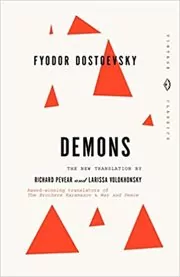
Demons
by Fyodor Dostoevsky
Revolutionary conspirator Pyotr Verkhovensky stirs unrest in a provincial Russian town, drawing followers into a dangerous political scheme. Charismatic Nikolai Stavrogin exerts his own disturbing influence as ideological fervor, personal rivalries and moral uncertainty push the community toward violence.
Recommended by
3 people Ben Shapiro recommended this book
Ben Shapiro
"There's some light reading for you." - Ben Shapiro
Ben Shapiro's recommendation of this book - Jordan Peterson recommended this book
Jordan Peterson
Recommended on Jordan Peterson's website.
Jordan Peterson's recommendation of this book - Ernest Hemingway recommended this book
Ernest Hemingway
Ernest Hemingway recommended this book in the "Ernest Hemingway on Writing" book.
Ernest Hemingway's recommendation of this book
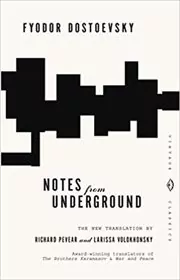
Notes from Underground
by Fyodor Dostoevsky
An isolated former civil servant in St. Petersburg records his bitter reflections on reason, freedom and society. Recalling humiliating encounters with acquaintances and a young prostitute, he exposes the contradictions between his craving for connection and destructive pride.
Recommended by
1 person- Jordan Peterson recommended this book
Jordan Peterson
Recommended on Jordan Peterson's website.
Jordan Peterson's recommendation of this book
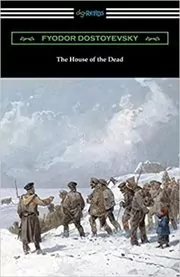
The House of the Dead
by Fyodor Dostoevsky
Sentenced to hard labor in Siberia for murdering his wife, nobleman Alexander Goryanchikov struggles among convicts who resent his privileged background. His account explores prison routines, brutal punishment and the unexpected humanity of those confined alongside him.
Recommended by
1 person- PewDiePie recommended this book
PewDiePie
"It was... Eh." - PewDiePie
PewDiePie's recommendation of this book
Where to start with Fyodor Dostoevsky
If you're new to Dostoevsky: Crime and Punishment → The Brothers Karamazov
If you want intense psychological drama: Notes from the Underground → The Idiot → Demons / The Devils / The Possessed
If you prefer shorter, romantic or visionary tales: White Nights → The Dream of a Ridiculous Man → The Eternal Husband
If you're curious about his own life and beliefs: The House of the Dead / Notes from a Dead House → Winter Notes on Summer Impressions → A Writer's Diary, Volume One, 1873-1876
If you like early and lesser read works: Poor Folk / Poor People → Netochka Nezvanova → The Insulted and Injured / Humiliated and Insulted
Fyodor Dostoevsky collections, short stories, and related book types
Short Story Collections
Writer's Diary
Non-Fiction
Standalone Fyodor Dostoevsky books
Author bio
Fyodor Dostoevsky was born in 1821 in Moscow, in the grounds of the Mariinsky Hospital for the Poor, where his father worked as a doctor. He grew up in cramped hospital housing, hearing stories from patients and reading whatever books he could find.
At home, his parents read the Bible aloud and introduced him to Russian poets and European novels. Those early years left him with two powerful impressions that never left his fiction, a deep Christian imagination and a close view of people living on the edge of society.
As a teenager he was sent to St Petersburg to study at the Military Engineering Academy. He became a trained engineer and worked in the government service, but he never felt at home in that world. Late at night he translated novels and began to dream of writing his own.
In 1846 he published his first novel, Poor Folk, an epistolary story about a poor copyist and a young seamstress in St Petersburg. The book was praised by leading critics and briefly made him a literary celebrity. Soon he was mixing with radical intellectuals and discussing politics, art, and religion in smoky apartments.
In 1849 the Tsarist police arrested Dostoevsky and other members of the Petrashevsky Circle for reading and debating banned works. After months in prison he was led to a firing squad, only to have his death sentence dramatically commuted at the last moment. He spent four years in a Siberian prison camp and several more as a soldier in exile, experiences he later reworked in The House of the Dead.
When he was allowed to write again in the late 1850s, his work took on a new urgency. He suffered from epilepsy and crushing debts, and he developed a costly addiction to roulette while living in Germany and other parts of Europe. Out of that turmoil came a run of major books, including Notes from the Underground, Crime and Punishment, The Idiot, Demons, and The Brothers Karamazov, each digging into questions of conscience, freedom, suffering, and faith.
Dostoevsky married twice. His second wife, Anna Grigorievna, started as the stenographer who helped him beat an impossible deadline by taking down The Gambler in shorthand. She became his closest partner, managing the household finances, copying manuscripts, and shielding him from creditors so that he could keep writing.
Readers come to Dostoevsky for intense psychological drama. His books follow students, former convicts, officials, and wandering mystics as they argue in taverns, tiny rented rooms, and crowded family homes. He lets ideas collide inside his characters rather than in abstract essays, turning debates about utilitarianism, atheism, socialism, and Christianity into urgent personal choices.
In his final decade he edited A Writer's Diary, a personal magazine in which he mixed journalism, short fiction, and opinion pieces on Russian and European events. By the time he died in St Petersburg in 1881, after a lung hemorrhage, he was widely read and much discussed. His explorations of crime, guilt, and spiritual longing went on to shape later writers, philosophers, and psychologists, and his novels are still read today as some of the clearest, strangest portraits of the modern inner life.










Edited by
Software engineer whose passion for tracking book recommendations from podcasts inspired the creation of MRB.
Lead investor at 3one4 Capital whose startup expertise and love for books helped shape MRB and its growth.
Comments
Did we miss something? Have feedback?
Help us improve this page by sharing your thoughts