
8 Best Fintech Books
The best fintech books, ranked by how many expert sources recommend each one, with notes for industry newcomers, banking professionals, founders, and researchers.
Our take
Fintech books approach the meeting of finance and technology from different directions. Some explain the payment systems behind ordinary transactions, some consider how banks might change, and others focus on building companies or researching financial data. A useful starting point depends on whether you need an industry map, an operational explanation, or a technically demanding specialist text.
The FINTECH Book gives a broad range of perspectives, while The Anatomy of the Swipe makes card payments more concrete. Payments Systems in the U.S. widens that operational view beyond cards. Bank 4.0 and Digital Bank examine banking strategy, and Breaking Banks and Fintech Founders use interviews to explore industry change. Advances in Financial Machine Learning serves a different audience: quantitative readers prepared to work through modeling and validation problems. Examples, regulations, and market structures change, so publication dates matter particularly for operational details. Start with a broad overview, then follow the part of financial services you need to understand.
8 books · 8 sources · Last updated
As an Amazon Associate, we earn from qualifying purchases (at no extra cost to you).
How to choose from this list
Skip to the full rankingIf you want an industry overview: The FINTECH Book → Breaking Banks
If you want to understand payments: The Anatomy of the Swipe → Payments Systems in the U.S.
If you work on banking strategy: Digital Bank → Bank 4.0
If you want founder perspectives: Fintech Founders
If you research financial machine learning: Advances in Financial Machine Learning
The 8 books, ranked
Ranked by how many expert sources name each book. Ties go to the book more people recommend.
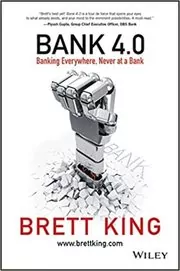
For readers interested in a provocative vision of banking embedded in everyday services. Its strategic framing makes a clear contrast with operational payments guides, though forecasts and examples need weighing against developments since publication.
What it's about
Brett King explores how financial technology and changing consumer behavior could transform banking. He considers regulation, new skills, digital identity, and services embedded in everyday devices, arguing for a future of banking that extends beyond branches.
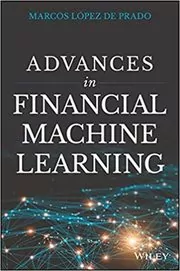
Advances in Financial Machine Learning
For quantitative researchers who already know machine learning and want to examine financial modeling pitfalls. Its emphasis on validation and backtesting gives it technical depth, though it is a specialist text rather than an introduction to fintech.
What it's about
Marcos López de Prado examines the practical challenges of applying machine learning to financial research. Mathematical explanations, code, and examples cover structuring data, testing models, and evaluating discoveries while addressing false positives and unreliable backtesting results.
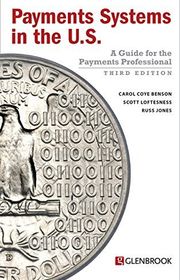
Payments Systems in the U.S.: A Guide for the Payments Professional
For payments professionals who want a broader reference than a card focused introduction. Its coverage connects several ways money moves and the organizations behind them, though the national scope and edition date limit its international and current detail.
What it's about
Carol Coye Benson, Scott Loftesness, and Russ Jones survey major United States payment systems, including cards, checks, ACH, wire transfers, and cash. They explain participants, operating models, economics, and how the systems developed.
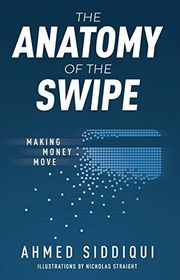
The Anatomy of the Swipe
For developers and product teams who want to understand card payments before building around them. Its transaction centered approach makes industry roles easier to follow, though the focus is primarily on the United States and card networks.
What it's about
Ahmed Siddiqui explains what happens when a card payment moves from purchase through authorization, clearing, settlement, and disputes. The book introduces the banks, networks, and other participants involved, connecting technical processes with their business roles.
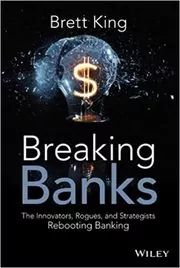
For readers who learn best through conversations with entrepreneurs and industry participants. Its interview format reveals varied motivations behind banking changes, though the individual snapshots provide less coherence than a single sustained analysis.
What it's about
Brett King collects interviews from his Breaking Banks radio program with people reshaping financial services. The discussions examine startup stories, case studies, emerging technologies, and new business models across the changing world of retail banking.
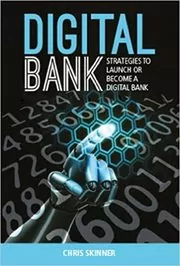
For banking professionals considering how digital services change an institution’s organization and customer relationships. Its transformation focus complements startup accounts, though the examples and technology assumptions reflect the period in which it was written.
What it's about
Chris Skinner examines how the mobile internet changes relationships between banks and their customers. Analysis of established institutions, startups, and alternative models explores digital services and the organizational strategies involved in launching or transforming a bank.
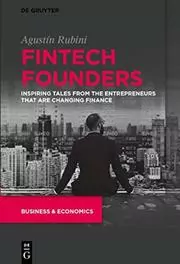
Fintech Founders
Inspiring Tales from the Entrepreneurs that are Changing Finance
For prospective founders who want to compare experiences across several financial services niches. Its interviews make entrepreneurial decisions concrete, though differing business contexts mean the lessons cannot be treated as one repeatable startup formula.
What it's about
Agustín Rubini gathers interviews with financial technology entrepreneurs across banking, lending, payments, insurance, and cryptocurrencies. Their experiences explore identifying problems, choosing cofounders, raising funds, learning from mistakes, and refining business models in financial services.
The FINTECH Book
The Financial Technology Handbook for Investors, Entrepreneurs and Visionaries
For readers who want a broad introduction through multiple industry voices. Its range helps map unfamiliar fintech topics, though the contributions vary in depth and the earlier industry snapshots need supplementing with recent information.
What it's about
Susanne Chishti and Janos Barberis bring together contributions from financial technology practitioners and thought leaders. The handbook examines industry developments, entrepreneurial opportunities, and lessons from emerging businesses, offering varied perspectives on changes affecting finance, banking, and investment.
Sources
- 1
Top 10 FinTech Books Everyone Should Read in 2026
sdk.finance
- 2
Best FinTech Books (2026)
bankersbyday.com
- 3
Top Fintech Books You Must Read
fintechnews.sg
- 4
Fintech Books
goodreads.com
- 5
What are must read fintech books?
reddit.com
- 6
Best Fintech & Payments Books: Reading List
totavi.com
- 7
What are the best resources to learn fintech and digital payments?
reddit.com
- 8
10 Best Books About Fintech
cfajournal.org













Edited by
Software engineer whose passion for tracking book recommendations from podcasts inspired the creation of MRB.
Lead investor at 3one4 Capital whose startup expertise and love for books helped shape MRB and its growth.
Comments
Spotted a missing book, a wrong order or a mistake? Tell us and we'll fix this page.
We're a reading guide, not the author or publisher, so we can't send books or pass on messages.