
21 Best ESL Books
The best ESL books, ranked by how many expert sources recommend each one, with notes for English learners, classroom teachers, and different ages and levels.
Our take
ESL books serve two different readers: people learning English and the teachers planning their lessons. A learner may need a graded course, vocabulary practice, or explanations with an answer key. A teacher may need activities, assessment tools, classroom routines, or a clearer understanding of how to teach a particular skill. Choosing the right audience and level comes first.
English for Everyone: Level 1 Course Book gives adult beginners a visual starting point. English Grammar in Use supports intermediate grammar review, and Oxford Picture Dictionary connects vocabulary with illustrated situations. For teachers, Learning Teaching develops practical classroom techniques, while The ESL / ELL Teacher's Survival Guide covers a wider range of teaching responsibilities. Activity collections add speaking practice, but they need to sit within a purposeful sequence. The children’s books focus on early language and adjustment to school.
Start with your learners’ age, proficiency, and immediate goals, then choose a core course or handbook before adding supplements.
21 books · 5 sources · Last updated
As an Amazon Associate, we earn from qualifying purchases (at no extra cost to you).
How to choose from this list
Skip to the full rankingIf you’re an adult beginner: English for Everyone → English Vocabulary for Beginning ESL Learners → Oxford Picture Dictionary
If you want intermediate grammar practice: English Grammar in Use → ESL Intermediate/Advanced Grammar
If you want guided conversation: English Conversation → Compelling Conversations
If you’re starting to teach English: Learning Teaching → The Practice of English Language Teaching
If you want to teach grammar more clearly: How to Teach Grammar → Practical English Usage
If you teach children new to English: ESL Activities and Mini-Books for Every Classroom → ESL Teacher's Activities Kit → Assessment and ESL
The 21 books, ranked
Ranked by how many expert sources name each book. Ties go to the book more people recommend.

For teachers working with learners who can already sustain a discussion. Roth and Aberson provide substantial prompts for opinions and personal experience, though beginners will need simpler language support before they can use the material comfortably.
What it's about
Eric Roth and Toni Aberson offer thematic conversation material for advanced English learners. Questions, vocabulary, proverbs, idioms, and quotations invite students to discuss their experiences and opinions, helping teachers structure speaking practice around familiar topics and critical reflection.
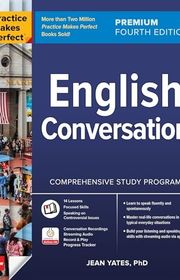
English Conversation
For intermediate learners who want guided practice with everyday conversational functions. Yates connects dialogues with sentence-building exercises, though rehearsing the book’s exchanges still needs supplementing with unscripted conversation and feedback from another speaker.
What it's about
Jean Yates develops everyday English conversation through dialogues, exercises, and common social situations. The fourth edition covers functions such as introductions, appointments, and expressing a point of view, with audio support for listening and pronunciation practice.

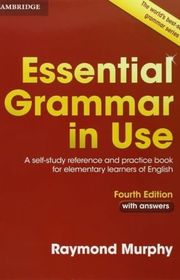
English Grammar in Use
A Self-Study Reference and Practice Book for Intermediate Learners of English
For intermediate learners who want to review individual grammar points and check their own answers. Murphy’s explanation-and-practice format suits targeted study, though it is a supplementary grammar resource rather than a complete four-skills English course.
What it's about
Raymond Murphy provides grammar explanations and practice exercises for intermediate learners of English. This self-study reference pairs clear examples with activities and answers, allowing readers to review particular topics independently or work through the material as part of classroom study.
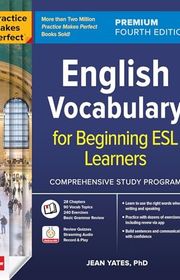
English Vocabulary for Beginning ESL Learners
For beginners who want thematic vocabulary practice in American English. Yates links word building with exercises and everyday uses, though the written format offers less support for spontaneous conversation than regular interaction with other speakers.
What it's about
Jean Yates introduces American English vocabulary through themed chapters on people, places, activities, and everyday situations. Exercises develop word building, comprehension, and use in conversation, with audio support to help learners review vocabulary and check their responses.

ESL Classroom Activities for Teens and Adults
ESL Games, Fluency Activities and Grammar Drills for EFL and ESL Students
For teachers who need adaptable speaking activities for teenagers and adults. Vernon’s variations make the material useful across class sizes and abilities, though it is a supplement for planning lessons rather than a complete progression through English.
What it's about
Shelley Ann Vernon collects games, fluency activities, and grammar practice for teenage and adult English learners. Variations accommodate different class sizes and abilities, with an emphasis on encouraging participation and giving teachers adaptable material for lively speaking-focused lessons.
How to Teach Grammar
For teachers deciding how to introduce, practice, and revisit a grammar point. Thornbury compares approaches through sample lessons, though the focus on grammar means teachers still need separate planning for wider listening, speaking, reading, and writing goals.
What it's about
Scott Thornbury examines approaches to teaching grammar, including inductive and deductive methods, practice, testing, and correction. Sample lessons show grammar in context and consider how it can be integrated with communicative teaching and task-based classroom work.
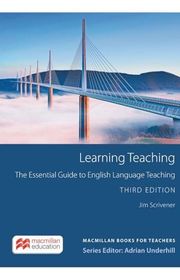
Learning Teaching
For trainee teachers who need a practical route from observing lessons to managing their own classroom. Scrivener makes teaching techniques concrete, though the handbook is professional training material and offers little value as a learner’s English workbook.
What it's about
Jim Scrivener introduces the practical work of teaching English through explanations, tasks, and classroom techniques. The third edition revises the training framework and includes demonstrations of lessons and teaching methods to connect discussion with what teachers do in class.
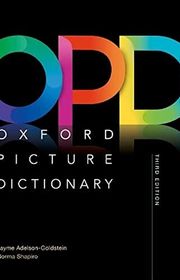
Oxford Picture Dictionary
For learners and teachers who want vocabulary anchored in illustrated everyday situations. The thematic pages make pointing, naming, and classroom practice straightforward, though the dictionary works best as support alongside a course rather than a complete syllabus.
What it's about
Jayme Adelson-Goldstein and Norma Shapiro organize English words and phrases into illustrated thematic units covering everyday life, housing, food, work, and recreation. The monolingual third edition adds practice and reading activities to support vocabulary development in real-life contexts.

Practical English Usage
For teachers and advanced learners who need answers to specific grammar or vocabulary questions. Swan’s reference format makes focused lookup useful, though beginners will benefit more from a graded course with regular exercises.
What it's about
Michael Swan answers common questions about English grammar and vocabulary for learners and teachers. This edition pairs a grammar organized by topic with an alphabetical guide to troublesome words, highlighting frequent errors and distinctions in usage.
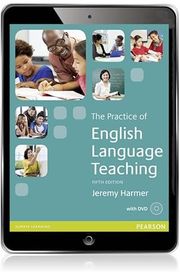
The Practice of English Language Teaching
For teachers who want to connect classroom decisions with a broader account of language teaching. Harmer covers methods, learners, skills, and assessment, though the large handbook requires selective reading when you need a lesson for tomorrow.
What it's about
Jeremy Harmer surveys English-language teaching through learning theories, learner characteristics, classroom management, language systems, and the four skills. Practical ideas sit alongside discussion of technology and assessment, connecting the reasons behind teaching choices with ways to implement them.

For school teachers who want to recognize progress that standard tests may miss. Law and Eckes connect assessment with classroom observation, though the elementary and secondary focus is less directly applicable to adult language courses.
What it's about
Barbara Law and Mary Eckes explore alternatives to conventional assessment for English-language learners. Classroom stories and practical tools show teachers how to document students' developing skills and recognize progress that standard measures may overlook in elementary and secondary settings.

For teachers introducing young children to English letters, sounds, and early classroom tasks. This opening student book gives a defined starting sequence, though it covers only part of the alphabet and is not a complete language curriculum.
What it's about
Daisy and George Stocker's Student Book 1A introduces young English learners to alphabet letters A through L. The lessons combine listening, tracing, drawing, coloring, and matching sounds with pictures, building reading readiness and fine motor skills alongside basic language practice.

For adult beginners who prefer illustrated explanations and a clear sequence of short modules. The visual approach supports independent study, though speaking and listening practice depend on using the audio and finding opportunities to interact.
What it's about
This beginner course introduces adults to English vocabulary and grammar through illustrated explanations and short modules. Listening, speaking, reading, and writing activities work alongside accompanying audio to support the development of basic language skills.

For learners who want everyday English connected to life in the United States. Murtha and O’Connor make cultural situations part of the practice, though the American focus is less relevant for students preparing to live elsewhere.
What it's about
Sheila MacKechnie Murtha and Jane Airey O'Connor introduce English through everyday situations in the United States. Vocabulary, idioms, sample dialogues, and exercises cover topics such as making friends, shopping, transportation, healthcare, and work, connecting language practice with American cultural contexts.

ESL Activities and Mini-Books for Every Classroom
For elementary teachers welcoming children with little or no English into a classroom. Einhorn combines vocabulary activities with practical adjustment support, though the school context makes it less suitable for older learners or independent adult study.
What it's about
Kama Einhorn offers classroom activities for welcoming children who speak little or no English. Teaching tips, games, and reproducible mini-books help build basic vocabulary, while guidance on assessing students and communicating with families supports their adjustment to school.

ESL Intermediate/Advanced Grammar
For intermediate and advanced learners who need concentrated grammar review with answer keys. Page’s exercises suit classroom reinforcement or independent practice, though learners seeking spontaneous conversation will need opportunities beyond a written workbook.
What it's about
Mary Ellen Munoz Page offers grammar practice for intermediate and advanced learners of English. Straightforward explanations, exercises, detailed answer keys, and test-taking guidance support classroom learning or independent study, with material aimed at high school and college students.

ESL Teacher's Activities Kit
For teachers who want active language practice using objects, movement, and reproducible materials. Claire’s kit gives practical support for organizing activities, though choosing and adapting tasks remains necessary for each group’s age, level, and classroom setting.
What it's about
Elizabeth Claire supplies language-learning activities using everyday objects, games, projects, and movement. Instructions identify suitable ages and proficiency levels, while reproducible materials and classroom-management suggestions help teachers organize speaking and listening practice for beginning learners and students developing their skills.

The ESL / ELL Teacher's Survival Guide
Ready-to-Use Strategies, Tools, and Activities for Teaching English Language Learners of All Levels
For teachers who need a broad handbook covering classroom routines as well as language instruction. Ferlazzo and Hull Sypnieski connect strategies with activities and family communication, though its school-oriented breadth exceeds what an independent learner needs.
What it's about
Larry Ferlazzo and Katie Hull Sypnieski provide practical strategies for teaching English-language learners. They discuss classroom organization, student motivation, communication with families, and instruction across language skills, combining activities with research-informed approaches for teachers working with varied proficiency levels.

ESL Games for the Classroom
101 Interactive Activities to Engage Your Students with Minimal Prep
For teachers who want activities ready to adapt when preparation time is short. DiGiacomo organizes games by skill and level, though the collection still needs a lesson goal and follow-up practice to make the games purposeful.
What it's about
Michael DiGiacomo presents 101 classroom games organized by language skill and learner level. Designed to require limited preparation, the activities give teachers ways to practice vocabulary, pronunciation, grammar, and communication while warming up a class or extending a lesson.

For beginners who want straightforward grammar explanations followed by practice they can check themselves. Swick’s workbook supports independent review, though written exercises need supplementing with listening and real conversation to develop broader language skills.
What it's about
Ed Swick introduces English grammar for beginning learners through explanations, realistic examples, and practice exercises. The workbook emphasizes everyday communication, covering verb forms, pronouns, and other essential structures, with an answer key for checking understanding during independent study.

The Ultimate ESL Teaching Manual
No Textbooks, Minimal Equipment Just Fantastic Lessons Anywhere
For teachers working with limited equipment who want a speaking-led lesson framework. Jones combines drills, role plays, and planning material in one manual, though a teacher must still adapt the sequence to learners’ goals and levels.
What it's about
Andromeda Jones presents an English-teaching system centered on speaking practice with minimal classroom equipment. Grammar explanations, lesson plans, drills, vocabulary sets, role plays, and games give teachers material for building lessons without relying on a conventional student textbook.
Sources




Edited by
Software engineer whose passion for tracking book recommendations from podcasts inspired the creation of MRB.
Lead investor at 3one4 Capital whose startup expertise and love for books helped shape MRB and its growth.
Comments
Spotted a missing book, a wrong order or a mistake? Tell us and we'll fix this page.
We're a reading guide, not the author or publisher, so we can't send books or pass on messages.