
32 Best Drum Books
The best drum books, ranked by how many expert sources recommend each one, with notes for beginners, hand technique, reading, coordination, and musical styles.
Our take
Drum books work best when you choose a specific job for them. Hand control, rhythmic reading, coordination, and style vocabulary overlap, but an exercise collection serves a different purpose from a complete beginner guide. Some books can be used for years by changing tempo, orchestration, accents, or the way patterns are shared between limbs.
Drums For Dummies offers broad orientation, while Stick Control and Progressive Steps to Syncopation for the Modern Drummer provide material for focused practice. 4-Way Coordination and The New Breed increase the independence demands. For particular styles, The Art of Bop Drumming addresses jazz, Future Sounds explores funk concepts, and Ultimate Realistic Rock Drum Method focuses on rock patterns. Groove Essentials 1.0 adds practice with recorded music, while The Roots of Rock Drumming supplies historical perspective. Start with a book matched to your reading level and one clear practice goal, then connect the exercises with music you enjoy playing.
32 books · 14 sources · Last updated
As an Amazon Associate, we earn from qualifying purchases (at no extra cost to you).
How to choose from this list
Skip to the full rankingIf you're new to drumming: Drums For Dummies → Ultimate Realistic Rock Drum Method
If you want more controlled hands: Stick Control → Master Studies
If you want stronger rhythmic reading: Progressive Steps to Syncopation for the Modern Drummer
If you want greater limb independence: 4-Way Coordination → The New Breed
If you want to develop jazz playing: The Art of Bop Drumming → Advanced Techniques for the Modern Drummer
If you want groove vocabulary with musical practice: Groove Essentials 1.0 → Future Sounds
The 32 books, ranked
Ranked by how many expert sources name each book. Ties go to the book more people recommend.

For drummers who want to improve rhythmic reading and build adaptable practice material. Reed's patterns can serve many coordination routines, though the short explanations mean a teacher or a clear practice plan helps reveal their full usefulness.
What it's about
Ted Reed presents progressive exercises for learning syncopation and strengthening rhythmic reading. Accented notes, dotted rhythms, triplets, and solo material give students and teachers a range of patterns to practice and adapt for drum instruction.

For players at almost any level who want more even, controlled hands. The simple sticking patterns allow many variations in touch and dynamics, though their musical value depends on attentive practice rather than merely repeating the page.
What it's about
George Lawrence Stone presents rhythmic exercises for developing stick control, coordination, touch, and endurance, with attention to the weaker hand. Material progresses through sticking combinations, triplets, flams, and rolls for drummers working at different levels.

The New Breed
For developing players who want reading, time, and limb coordination challenged together. Chester's systems offer many ways to revisit the same material, though the concentration required makes it a demanding choice for a first method book.
What it's about
Gary Chester presents practice systems for the coordination and concentration demanded by studio drumming. Exercises develop reading, leadership with either hand, and awareness of the click, encouraging players to build their own creativity through disciplined work.

Advanced Techniques for the Modern Drummer
Coordinated Independence as Applied to Jazz and Be-Bop, Vol. 1
For drummers ready to develop jazz independence around a steady ride pattern. Chapin isolates coordination problems in a focused sequence, though the exercises can be difficult without an established swing feel and basic reading.
What it's about
Jim Chapin presents a method for coordinated independence on the drum set, emphasizing jazz and bebop applications. Progressive exercises address sticking, coordination, speed, power, and endurance, providing material for players to develop greater control.

Master Studies
For players looking to extend hand development beyond basic sticking combinations. Morello gives accents, rolls, dynamics, and control separate attention, though the workbook format assumes you can organize practice and monitor your own movement.
What it's about
Joe Morello presents a workbook for developing hand control rather than a single prescribed playing technique. Studies cover accents, buzz rolls, stroke combinations, flams, and other patterns that drummers can apply across musical styles.

For drummers interested in linear funk and more precise dynamic contrasts. Garibaldi develops coordination alongside groove vocabulary, though playing the notes accurately is only part of the work needed to make the patterns feel musical.
What it's about
David Garibaldi develops contemporary drum-set concepts from his funk and jazz-fusion playing. Exercises examine linear patterns, contrasting sound levels, grooves, and rhythmic permutations, offering material for expanding a drummer's coordination and personal musical vocabulary.

The Art of Bop Drumming
For drummers who want jazz technique linked with the musical role of the kit. Riley brings timekeeping, comping, brushes, and soloing together, though some reading and familiarity with listening to jazz make the material easier to use.
What it's about
John Riley introduces the musical and technical foundations of bop drumming. Notated examples and accompanying audio address timekeeping, comping, soloing, brushwork, and charts, linking individual practice to the demands of playing within a jazz ensemble.

For drummers who already play basic funk and want a wider vocabulary. Latham connects hi-hat ideas, grooves, and fills in a focused style study, though the coordination and rhythmic reading exceed a beginner's first steps.
What it's about
Rick Latham explores funk drumming through hi-hat patterns, grooves, and fills drawn from the approaches of influential players. Exercises and musical examples provide material for developing the coordination and vocabulary used in advanced funk performance.

4-Way Coordination
A Method Book for the Development of Complete Independence on the Drum Set
For drummers who want systematic work on independence between all four limbs. Its progressive combinations target coordination directly, though the abstract patterns need to be connected with music rather than treated as finished grooves.
What it's about
Marvin Dahlgren and Elliot Fine present exercises for developing independent use of both hands and feet on the drum set. The method progresses from simple coordination patterns to polyrhythms, linking rhythmic control with listening and musical versatility.

Ultimate Realistic Rock Drum Method
For drummers who want practical rock patterns rather than a pad-only exercise book. Appice connects basic beats with shuffles, syncopation, and wider coordination ideas, though the rock focus gives less attention to jazz ensemble playing.
What it's about
Carmine Appice develops rock drumming through rhythms, polyrhythms, linear rudiments, and grouped patterns. Hi-hat work, double-bass exercises, shuffle rhythms, and syncopation provide further practice, with accompanying audio demonstrating material for drummers building their technique and musical vocabulary.
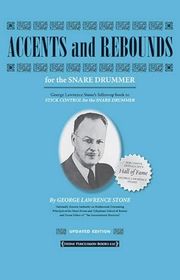
Accents and Rebounds
For drummers who want a next step after basic sticking exercises. The emphasis on accents and rebound develops finer control, but the patterns assume some technical foundation and still need attention to relaxed, consistent movement.
What it's about
Stone extends the hand-control work of Stick Control with studies of accents, rhythmic groupings, and rebound. Exercises address eighth notes, dotted figures, triplets, and related combinations, while the updated edition includes notation intended to clarify aspects of stroke motion.

Afro-Cuban Rhythms for Drumset
For players who want to understand Afro-Cuban patterns before adapting them to drumset. Historical context and instrument roles give the exercises purpose, but the coordination demands and stylistic detail reward careful listening rather than quick copying.
What it's about
Frank Malabe and Bob Weiner introduce Afro-Cuban music through its history, traditional instruments, rhythms, and basic styles. Explanations and musical examples explore their complexities, while accompanying audio supports drummers adapting these patterns to a drumset rather than separate percussion instruments.
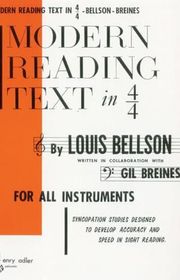
Modern Reading Text in 4/4
For musicians who want concentrated work on reading rhythms in common time. Its instrument-neutral notation supports many practice approaches, but it teaches rhythmic fluency rather than drumset technique or the feel of a particular musical style.
What it's about
Bellson and Breines provide rhythmic reading exercises within four-beat measures. Syncopation and less familiar figures develop accuracy and recognition, offering material that percussionists and other instrumentalists can use for sight-reading practice or adapt to their own technical routines.

Bass Drum Control
For players whose bass drum control lags behind their hands. Bailey makes the foot's consistency and endurance the central task, though this specialized workout doesn't supply a complete drum-set curriculum or broad style instruction.
What it's about
Colin Bailey provides exercises for developing bass drum technique, control, and endurance. Originally conceived around a single pedal in jazz playing, the material also includes combinations with hand patterns and applications that drummers can adapt.
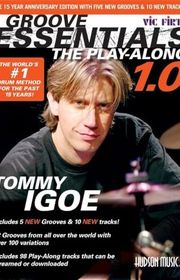
Groove Essentials 1.0
For drummers who want to practise styles in a musical setting with recorded tracks. Igoe connects groove variations with chart reading and listening, though the accompanying instruction matters if unfamiliar styles are new to you.
What it's about
Tommy Igoe presents grooves from several musical traditions alongside charts, variations, and recorded backing tracks. The material helps drummers study rhythmic vocabulary while practising how patterns work with an ensemble, across different tempos, feels, and styles.
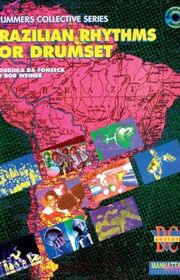
Brazilian Rhythms for Drumset
For drummers who want Brazilian rhythms explained with their musical background. The range of styles encourages informed adaptation to the kit, but learning the printed parts needs support from listening to the distinct traditions they represent.
What it's about
Da Fonseca and Weiner introduce Brazilian musical styles and ways of adapting their rhythms to drumset. Historical background accompanies patterns for samba, bossa nova, baião, and other forms, helping players connect coordinated parts with their broader musical context.

Sticking Patterns
For drummers ready to turn sticking combinations into vocabulary around the kit. Chaffee's system supports fills, time feels, and solos, though the notation and permutations demand more preparation than a first introduction to drumming.
What it's about
Gary Chaffee develops a sticking system designed specifically for drum-set performance. Exercises explore time feels, fills, soloing, accented single strokes, and double strokes, showing how combinations can become a broader vocabulary around the kit.
The Encyclopedia of Double Bass Drumming
For players specifically developing two-foot bass drum coordination and vocabulary. The extensive patterns provide a focused alternative to general technique books, but they require suitable equipment and should be connected with actual musical grooves and phrasing.
What it's about
Rondinelli and Lauren organize double bass drumming through warm-ups, beats, fills, and coordination exercises. The book provides patterns for developing control and fluency between the feet and hands, with material suited to players expanding their use of two bass pedals.
Alfred's Drum Method, Book 1
For beginners learning snare drum, especially within school percussion study. The sequential lessons offer more instruction than a bare exercise collection, but the emphasis is snare and concert percussion rather than a complete introduction to drumset grooves.
What it's about
Feldstein and Black introduce snare drum through progressive lessons on reading, rudiments, rolls, and performance studies. The book also addresses bass drum and cymbals, with solos providing opportunities to apply the material in lessons, recitals, and student performances.

Drums For Dummies
For newcomers who want equipment, maintenance, and basic playing explained in one place. Strong provides broader orientation than the focused exercise books, though developing any particular style will eventually require more concentrated study.
What it's about
Jeff Strong introduces choosing and caring for drums, fundamental techniques, and basic rhythms. Exercises move toward more complex playing and styles from around the world, with attention to other percussion instruments and approaches to soloing.
Essential Styles for the Drummer and Bassist, Book 1
For drummers who want to work on locking in with a bassist across different styles. The ensemble recordings make the relationship between parts audible, but this volume is a selective introduction and depends on access to its audio.
What it's about
Houghton and Warrington introduce grooves and charts for drums and bass through a cross section of jazz and popular styles. Accompanying ensemble tracks allow parts to be isolated for practice, emphasizing how the rhythm section supports the music together.
Modern Rudimental Swing Solos
For drummers who want rudiments presented as phrased snare solos with a swing connection. The studies give technical work a musical shape, but their demands and older notation conventions make prior reading and rudimental experience helpful.
What it's about
Wilcoxon presents a collection of snare drum solos that combine rudimental technique with swing-oriented phrasing. Introductory material addresses standard rudiments, while the studies ask players to apply sticking, accents, and rhythmic control within longer musical statements.
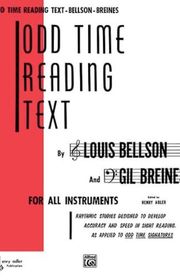
Odd Time Reading Text
For musicians who read comfortably in common time and want more fluency in other meters. The focused rhythmic material supports systematic practice, but it is a reading resource rather than a guide to drumset grooves in every style.
What it's about
Bellson and Breines extend rhythmic reading practice beyond common time through exercises in less familiar time signatures. The instrument-neutral material develops recognition and accuracy, giving percussionists and other musicians patterns to study, count, and adapt to their own performance needs.

For players who want to understand hip-hop and breakbeat vocabulary at the kit. Adamo links exercises and transcriptions with the history of sampled grooves, though the focused style coverage is less suitable for a broad beginner course.
What it's about
Mike Adamo breaks hip-hop and breakbeat drumming into fundamental elements supported by exercises, beats, and transcriptions. The book connects practical study with the history of sampled grooves, influential players, and practicing alongside programmed rhythm patterns.

For drummers who want soul, funk, and hip-hop technique connected with musical history. Zoro links recordings and influential players with groove practice, though the survey offers less concentrated work on one coordination problem than a dedicated exercise book.
What it's about
Zoro combines a history of R&B drumming with practical study of soul, funk, and hip-hop. Discussions of influential recordings accompany exercises for bass drum, hi-hat, loops, and groove, connecting musical lineage with playing technique.
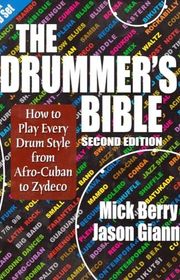
The Drummer's Bible
For players who need a broad reference when encountering unfamiliar musical styles. Historical overviews and groove examples make it useful for selective study, but covering many styles leaves less room for the depth of a specialized method.
What it's about
Berry and Gianni survey drumset styles through notated grooves, variations, historical background, and performance tips. Accompanying recordings demonstrate many examples, giving players a way to hear and compare patterns while building familiarity with a wide range of musical settings.

The Roots of Rock Drumming
Interviews With the Drummers Who Shaped Rock 'n' Roll Music
For readers interested in how early rock drumming developed through players' experiences. The interview format brings performance and studio history close, though it offers perspectives and inspiration rather than a sequence of technical lessons.
What it's about
Daniel Glass and Steve Smith present interviews with drummers who helped establish rock and roll and players influenced by them. Their recollections trace the music's early development through performance experiences, studio work, and rare photographs.
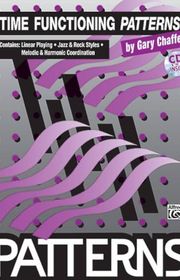
Time Functioning Patterns
For drummers ready to organize coordination around repeating cymbal patterns and changing parts. The systematic approach supports focused practice across rock and jazz applications, but the dense combinations require reading fluency and deliberate musical interpretation.
What it's about
Part of Chaffee’s Patterns series, this volume develops timekeeping through rock cymbal ostinatos, jazz independence, and linear phrasing. Exercises explore relationships between repeating parts and changing figures, giving drummers material for building coordination and applying rhythmic ideas around the set.

For drummers who want to understand movement and setup rather than collect more patterns. Lamb connects anatomy with grip, posture, and pedals, though reading about mechanics cannot replace observation of how you actually move while playing.
What it's about
John Lamb examines how anatomy and movement mechanics affect drumming. The book covers grip, pedal technique, posture, Moeller technique, and drum-set arrangement, helping players understand the physical demands behind their technique and practice choices.

For players who want sticking exercises supported by explanations of efficient movement. Bachman's attention to fundamentals bridges drum-set and rudimental practice, though the technical focus offers less direct groove repertoire than a style-based method.
What it's about
Bill Bachman explains stick technique through fundamentals, essential rudiments, and exercises for building control. Aimed at drum-set, orchestral, and rudimental players, the book emphasizes relaxed movement, efficient practice, and coordination between the hands.

For intermediate and advanced percussionists who want snare studies that demand interpretation as well as accuracy. The musical phrasing develops more than mechanical sticking, but the notation and technical expectations make it a demanding starting point.
What it's about
Anthony Cirone offers fifty snare drum studies for intermediate and advanced percussion students. The musical solos provide challenging practice material, accompanied by brief performance notes that guide interpretation and support players working beyond introductory percussion exercises.

The Sound of Brushes
For players who want an organized introduction to brush movements and patterns. Diagrams make the physical paths easier to follow than notation alone, but sound and motion still need close attention, so check that the accompanying recordings are available.
What it's about
Ed Thigpen teaches brush playing through a step-by-step approach to strokes and rhythmic patterns. Full-size diagrams show hand movements, while accompanying recordings demonstrate beats and provide play-along material; the edition also discusses applying brush techniques to rock.
Sources
- 1
5 Drum Books Every Drummer Needs To Read
drumeo.com
- 2
25 Timeless Drum Books
moderndrummer.com
- 3
Highly Suggested Drumset Study Materials
drummercafe.com
- 4
Drum Book Recommendations
rossfarley.uk
- 5
Drum books compared: the method books teachers assign, by what you want to learn
upbeat.studio
- 6
100 Best Drums Books of All Time
shortform.com
- 7
All Time Great Drum Books? - Take 2 (Revised 2 yrs later)
reddit.com
- 8
What are some must have method books for drumming?
reddit.com
- 9
Drumming Books
goodreads.com
- 10
The 24 Best Drumming Books for All Levels (2026)
electronicdrumadvisor.com
- 11
Recommended Study Materials for Drum Set
dicciani.com
- 12
Drums Books
goodreads.com
- 13
What are your “must have” drum books?
reddit.com
- 14
Best drum books for beginners
chordandcase.com






Edited by
Software engineer whose passion for tracking book recommendations from podcasts inspired the creation of MRB.
Lead investor at 3one4 Capital whose startup expertise and love for books helped shape MRB and its growth.
Comments
Spotted a missing book, a wrong order or a mistake? Tell us and we'll fix this page.
We're a reading guide, not the author or publisher, so we can't send books or pass on messages.