
11 Best Coin Collecting Books
The best coin collecting books, ranked by how many expert sources recommend each, with notes on beginner guides, identification, grading, and who each suits.
Our take
Coin collecting combines identification, historical interest, and close attention to condition. A beginner's guide explains the hobby's language and choices, while a catalog helps identify particular issues. Grading books answer a different question: how wear and preservation affect the way a coin is described. Many references concentrate on United States coins, so collectors of other countries need to check the scope before choosing.
Whitman Guide to Coin Collecting and Coin Collecting For Dummies offer broad introductions. Photograde helps connect descriptions of circulated grades with photographs, while The Coin Collector's Survival Manual emphasizes the practical risks around purchases. The Expert's Guide to Collecting & Investing in Rare Coins provides a more substantial market and collecting perspective. The Red Book and 2020 Standard Catalog of World Coins are useful reference formats, but the older editions here contain historical prices. Start with an introduction, then pair a grading reference with a catalog appropriate to the coins you actually collect.
11 books · 8 sources · Last updated
As an Amazon Associate, we earn from qualifying purchases (at no extra cost to you).
How to choose from this list
Skip to the full rankingIf you're starting a collection: Whitman Guide to Coin Collecting → Coin Collecting For Dummies
If you want to recognize circulated grades: Photograde
If you want to understand buying risks: The Coin Collector's Survival Manual
If you collect twentieth-century world coins: 2020 Standard Catalog of World Coins
If you need numismatic terminology explained: The Macmillan Encyclopedic Dictionary of Numismatics
If you want a deeper collecting perspective: The Expert's Guide to Collecting & Investing in Rare Coins
The 11 books, ranked
Ranked by how many expert sources name each book. Ties go to the book more people recommend.

The Official American Numismatic Assiciation Grading Standards for United States Coins
For US coin collectors who need detailed descriptions of how condition differs within individual series. The standardized comparisons make grading language more precise, though applying them requires examining real coins and the book cannot replace authentication or experienced judgment.
What it's about
This American Numismatic Association reference sets out grading standards for United States coin series. Photographs and detailed descriptions illustrate condition levels from Poor through Mint State, explaining the features used to distinguish grades.
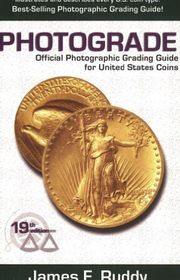
Photograde: Official Photographic Grading Guide for United States Coins
For beginners who want photographs to anchor the language of circulated US coin grades. Its direct visual comparisons make wear patterns easier to study, though it is less suited to judging subtle Mint State differences or establishing authenticity.
What it's about
James Ruddy presents photographs and descriptions of United States coin types at different circulated grades. The reference highlights changes in visible detail and wear, helping collectors compare condition while learning the terminology used to describe coin grades.

The Coin Collector's Survival Manual
For collectors who want to understand the risks and practical decisions involved in buying coins. Its consumer-protection focus complements a price catalog, though older market examples need updating and reading alone cannot authenticate a particular coin.
What it's about
Scott Travers approaches rare coin collecting from a consumer protection perspective. His manual covers grading, counterfeit and altered coins, auction purchases, scams, and storage, explaining how collectors can assess transactions and protect their collections.
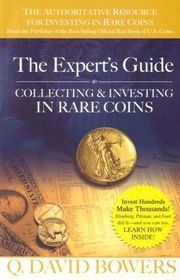
The Expert's Guide to Collecting & Investing in Rare Coins: Secrets Of Success
For collectors who want a substantial discussion of rarity, quality, and buying decisions beyond price tables. Its historical examples provide context for the market, though older investment assumptions and valuations require scrutiny and cannot establish future returns.
What it's about
Q. David Bowers examines how collectors evaluate rare coins through grading, rarity, quality, historical interest, and market context. Discussions of buying, selling, auctions, and different collecting areas connect practical choices with examples from the history of numismatics.

Coin Collecting For Dummies
For beginners who want an approachable overview of buying, grading, storing, and selling coins. The question-led style makes unfamiliar terms manageable, though the US emphasis and broad scope provide less depth than references devoted to one collecting area.
What it's about
Neil Berman introduces the practical choices involved in building a coin collection. The guide covers buying, selling, grading, valuation, handling, and storage, along with evaluating rarity and condition and navigating coin auctions.

One-Minute Coin Expert
For collectors who prefer short explanations of identification and everyday collecting decisions. Its accessible format is useful for browsing individual topics, though the quick lessons provide less systematic depth than a substantial grading manual or specialized catalog.
What it's about
Scott Travers explains how collectors can recognize potentially valuable coins, including examples found in everyday change. Photographs and practical guidance cover identifying small distinguishing features, grading, trading, and preserving coins, with material for beginners and experienced hobbyists.

For collectors identifying twentieth-century world coins across many countries. Its catalog format offers breadth beyond the US-focused references, though it is dense for beginners and the 2020 valuations need comparison with more recent market information.
What it's about
This catalog documents twentieth-century world coinage through identification details, illustrations, and valuations. Its country-by-country coverage provides a reference for collectors researching coins issued between 1901 and 2000, with prices reflecting the catalog’s edition.

The Macmillan Encyclopedic Dictionary of Numismatics
For readers who repeatedly encounter unfamiliar numismatic terminology and want historical context alongside definitions. The reference format supports further study across coin traditions, though it is an older dictionary and does not supply current prices or a collecting course.
What it's about
Richard Doty’s illustrated reference explains the terminology and concepts of numismatics, with a focus on world coins. Dictionary entries and a bibliography provide resources for understanding the language used in the study and collection of coinage.

For newcomers who want the hobby's terminology and practical choices explained in one place. Its broad introduction is easier to read continuously than a catalog, though collectors who settle on a particular country or series will need specialist references.
What it's about
Kenneth Bressett introduces the decisions and skills involved in starting a coin collection. Chapters explain where to find coins, how to learn about them, grading and valuation, collection care, and recognizing counterfeit or altered pieces.

For collectors who want identification details, mintages, and historical context for United States coins. Those reference features remain useful in an older edition, though the 2023 values are historical and should not be used as current transaction prices.
What it's about
The 2023 Red Book catalogs United States coins and related collectible issues with photographs, specifications, mintage figures, and values by grade. Historical background and auction records accompany coverage ranging from colonial tokens to modern commemoratives and bullion.

The New York Times Guide to Coin Collecting
Do's, Don'ts, Facts, Myths, and a Wealth of History
For readers who want an introduction that mixes collecting advice with the history behind coins. Its narrative approach gives the hobby context beyond catalog numbers, though the older market and buying information need comparison with current practice.
What it's about
Ed Reiter introduces coin collecting through practical guidance and historical background. The book discusses coin production, grading, places to buy, and collection care, alongside profiles of historic United States coins and a glossary of terms.
Sources
- 1
Discover the 11 Best Coin Collecting Books
providentmetals.com
- 2
Building a Numismatic Library: Essential Coin Books Every Collector Should Own
coinweek.com
- 3
Coin Collecting Books
goodreads.com
- 4
100 Best Coin Collecting Books of All Time (Updated for 2026)
shortform.com
- 5
Resources
coinrollhunting.org
- 6
5 Great Coin Books That Coin Collectors Must Read!
coins.thefuntimesguide.com
- 7
What are the best coin books out there?
reddit.com
- 8
Best books for coin collecting introduction
reddit.com









Edited by
Software engineer whose passion for tracking book recommendations from podcasts inspired the creation of MRB.
Lead investor at 3one4 Capital whose startup expertise and love for books helped shape MRB and its growth.
Comments
Spotted a missing book, a wrong order or a mistake? Tell us and we'll fix this page.
We're a reading guide, not the author or publisher, so we can't send books or pass on messages.