
12 Best Career Change Books
The best career change books, ranked by how many expert sources recommend each, with notes for readers choosing a direction, testing ideas, and finding work.
Our take
Career change books address several different problems: not knowing what you want, wondering whether to leave, and convincing employers that your experience fits a new field. A reflective workbook can help with direction, but it may say little about applications. A job-search guide can help present your skills, but it cannot decide which kind of work will suit your life.
Designing Your Life encourages exploring alternatives through small tests, while The Pathfinder offers a more extensive self-assessment process. Working Identity examines how a new direction can emerge from action and relationships. If you already have a target, Switchers focuses on the particular challenge of being hired from another background, and What Color Is Your Parachute? connects self-inventory with the search itself. Take the Leap offers examples of people taking different routes. Start with the question holding you back, then choose a book that asks you to do the relevant work rather than only imagine a different future.
12 books · 8 sources · Last updated
As an Amazon Associate, we earn from qualifying purchases (at no extra cost to you).
How to choose from this list
Skip to the full rankingIf you don’t know what you want: I Could Do Anything If I Only Knew What It Was → The Pathfinder
If you want to test possible directions: Designing Your Life → Working Identity
If you know your target but need to get hired: Switchers → What Color Is Your Parachute?
If you’re unsure whether to leave: Designing Your Work Life
If you want examples of reinvention: Take the Leap
If you want a working life with several roles: Get a Life, Not a Job
The 12 books, ranked
Ranked by how many expert sources name each book. Ties go to the book more people recommend.

For readers who feel stuck because they think they need one perfect career plan. The exercises encourage exploring and testing alternatives, though the approach requires action and conversations rather than producing an answer through reading alone.
What it's about
Bill Burnett and Dave Evans apply design thinking to decisions about work and life. Exercises encourage readers to explore possibilities, test ideas, and build alternative paths instead of expecting a single plan to settle every career question.

For professionals who know the direction they want but need to persuade employers to consider a different background. Its hiring perspective makes the transition problem concrete, though the approach requires substantial networking and careful preparation.
What it's about
Dawn Graham examines the distinctive challenges of changing careers. Psychological insights, exercises, and success stories support advice on transferable skills, professional identity, networking, interviews, and negotiation, with attention to the concerns employers have when considering applicants from another field.

The Pathfinder
How to Choose or Change Your Career for a Lifetime of Satisfaction and Success
For readers who want an extensive workbook for investigating interests, strengths, and possible careers. The structured exercises support deliberate reflection, though the depth takes time and may feel excessive if you already have a clear target.
What it's about
Nicholas Lore presents a structured approach to choosing or changing careers using self-tests and diagnostic tools. The guide helps readers explore suitable work, consider a current job differently, and develop a career direction around personal satisfaction.

What Color Is Your Parachute?
A Practical Manual for Job-Hunters and Career-Changers
For readers who want self-assessment connected to the practical work of finding a job. The skills inventory gives the search structure, though edition-specific examples and recruitment advice need checking against the market you are entering.
What it's about
Richard N. Bolles combines job-search guidance with a self-inventory of interests, transferable skills, and personal preferences. This edition uses resources and case studies to help job hunters and career changers connect their strengths with meaningful work.
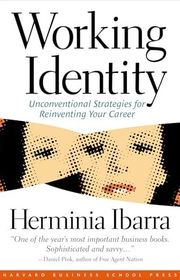
Working Identity: Unconventional Strategies for Reinventing Your Career
For readers who have reflected extensively but still do not know what work should come next. Its emphasis on trying roles and forming new connections makes uncertainty workable, though it requires sustained experimentation beyond the page.
What it's about
Herminia Ibarra examines how people change professional identities through action, relationships, and reflection. Stories of career transitions show how trying possible roles and meeting new communities can shape direction before a complete new career plan exists.

Career Change
Stop Hating Your Job, Discover What You Really Want To Do With Your Life, And Start Doing It!
For readers who want a conversational guide informed by a move from corporate work to creative self-employment. Its personal examples make transition questions concrete, though the author’s route will not represent every profession or financial situation.
What it's about
Drawing on her move from corporate consultant to author and entrepreneur, Joanna Penn offers a process for changing careers. The guide covers workplace dissatisfaction, improving current conditions, discovering meaningful work, managing money, and setting goals for a transition.

Do What You Are
Discover the Perfect Career for You Through the Secrets of Personality Type
For readers who find a personality framework useful for organizing preferences and considering work environments. Its categories provide prompts for reflection, though a type label should not be treated as a definitive match or limit on possible careers.
What it's about
Paul Tieger, Barbara Barron, and Kelly Tieger use personality type as a framework for exploring career choices. The guide helps readers examine their preferences and connect greater self-understanding with the search for personally satisfying work.

For readers who want to rethink dependence on a single job and combine several meaningful roles. The broader life-design perspective accommodates varied priorities, though managing multiple commitments can require resources and flexibility you may not have.
What it's about
Paula Caligiuri proposes designing a working life around several fulfilling roles rather than depending on a single job. Exercises and personal examples explore motivation, skill development, financial security, and integrating career choices with relationships and other priorities.
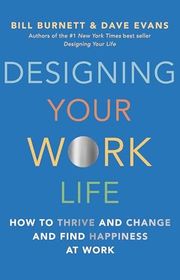
Designing Your Work Life: How to Thrive and Change and Find Happiness at Work
For readers unsure whether they need a new career or a better experience in their current job. The design exercises explore adjustments before departure, though some workplace constraints will not yield to individual reframing or experiments.
What it's about
Bill Burnett and Dave Evans apply design thinking to workplace dissatisfaction and professional change. Exercises examine jobs, relationships, and possible adjustments, helping readers explore ways to improve their present working lives or move toward a different role.
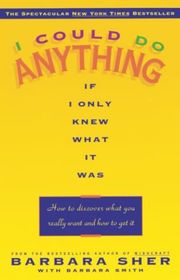
I Could Do Anything If I Only Knew What It Was: How to Discover What You Really Want and How to Get It
For readers whose main obstacle is uncertainty about what they want rather than how to apply for jobs. The exercises explore conflicting wishes and assumptions, though the older examples and reflective focus offer less current recruitment guidance.
What it's about
Barbara Sher explores why people struggle to identify or pursue satisfying work and personal goals. Exercises and examples examine hidden preferences, competing expectations, fear, and indecision, offering ways to investigate interests and begin moving toward a chosen direction.

For readers who want examples showing how different kinds of career change can unfold. The varied profiles broaden the possibilities you can imagine, though selected success stories cannot reveal how likely the same route is to work for you.
What it's about
Sara Bliss profiles people who made substantial career changes, from switching professions to starting businesses. Their experiences and advice show varied routes into new working lives, alongside perspectives from mentors on pursuing opportunities and navigating professional reinvention.

For readers who want encouragement to question assumptions and begin a wider personal reinvention. The motivational approach connects work with identity, though it offers less targeted help with employer screening and applications than a job-search guide.
What it's about
Adam Markel presents a step-by-step approach to reinventing a career and life, drawing on his experience in personal and business development. The book encourages readers to recognize their gifts, reconsider limiting assumptions, and begin purposeful change.
Sources
- 1
10 of the Best Career Change Books if You Want To Make a Pivot
theeverygirl.com
- 2
12 Books for Career Changers to Inspire Your Next Move
careers.bu.edu
- 3
6 Books to Read If You Need a Career Change
thecut.com
- 4
9 books to read when deciding whether to change your career
weforum.org
- 5
Career Change Books
goodreads.com
- 6
Favorite books or resources that helped you navigate the soul-search-y side of a career change?
reddit.com
- 7
5 Books to Read If You’re Considering Changing Your Career
corporette.com
- 8
The Best Books for Career Change
wemeancareer.com







Edited by
Software engineer whose passion for tracking book recommendations from podcasts inspired the creation of MRB.
Lead investor at 3one4 Capital whose startup expertise and love for books helped shape MRB and its growth.
Comments
Spotted a missing book, a wrong order or a mistake? Tell us and we'll fix this page.
We're a reading guide, not the author or publisher, so we can't send books or pass on messages.